Congress Figure Mallikarjun Kharge Issues Apology After Gujarat Comment Stirs Political Uproar
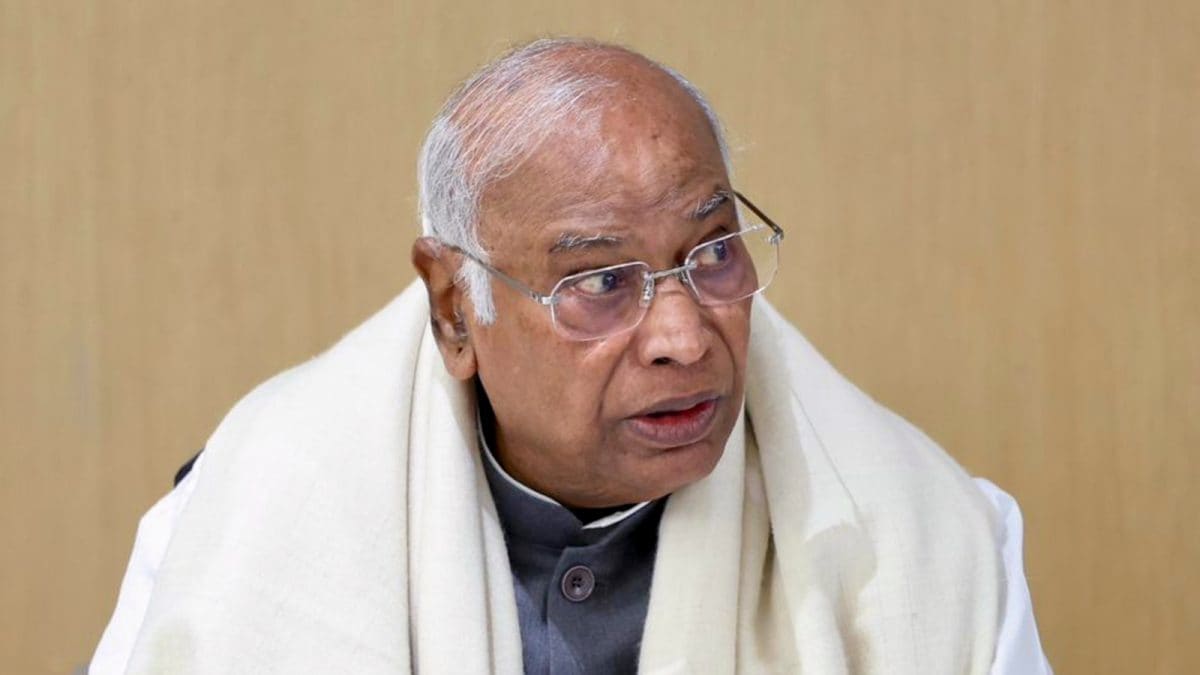
Congress chief Mallikarjun Kharge apologizes after allegations of an “illiterate” remark concerning the people of Gujarat
Recent days have witnessed a flurry of discussion surrounding an alleged statement attributed to Mallikarjun Kharge that described the people of Gujarat as illiterate. The comment, reported by multiple media outlets, generated immediate backlash, compelling Mallikarjun Kharge to issue a public apology. The episode has ignited a fresh round of debate not only within Congress but also across the political spectrum, including among members of the BJP.
Context of the Controversial Remark
The controversy originated when a recording of Mallikarjun Kharge’s address circulated widely, featuring a passage in which Mallikarjun Kharge allegedly referred to the people of Gujarat as illiterate. Although no official transcript has been released, the gist of the alleged remark was captured by several news portals, which highlighted the language used as potentially offensive. The phrasing was interpreted by many observers as a direct critique of the educational standards of the state’s population.
Within the political culture of India, remarks that are perceived to demean a particular region or community often spark intense reactions. Language that questions literacy levels touches upon sensitive themes of identity, development, and pride. Consequently, the alleged statement by Mallikarjun Kharge quickly became a flashpoint for criticism.
Immediate Public Reaction
Following the emergence of the alleged remark, social media platforms lit up with a mixture of condemnation, calls for accountability, and demands for clarification. Several civil‑society groups voiced concern over the tone of the alleged comment, emphasizing that respectful discourse is essential for national cohesion. In the online arena, hashtags questioning the veracity of the remark trended alongside those demanding an apology.
Traditional media outlets also devoted extensive coverage to the episode. Editorial pieces highlighted the potential impact of such statements on communal harmony and the reputation of political leaders. Analysts noted that the allegation, if true, could be leveraged by opponents to question Mallikarjun Kharge’s sensitivity toward regional sentiments.
Debate Within Congress
The internal dynamics of Congress experienced a noticeable ripple after the alleged remark came to light. Some senior members of the party called for an immediate clarification, urging Mallikarjun Kharge to address the allegations directly. Others advocated for a measured response, suggesting that the party focus on broader policy priorities rather than individual statements.
Within party meetings, discussions centered on the balance between freedom of expression for elected representatives and the responsibility to maintain decorum. Party officials debated the potential ramifications of the alleged remark on Congress’s standing in Gujarat, a state where the party has historically faced challenges. The dialogue underscored the strategic importance of Gujarat in national elections and the necessity of cultivating a respectful rapport with its electorate.
Ultimately, the consensus among senior Congress strategists leaned toward damage control, emphasizing the need to mitigate any erosion of support among voters in Gujarat. The decision to issue an apology was framed as a step toward restoring goodwill and preventing further escalation of the controversy.
Response From the BJP
Members of the BJP seized upon the controversy as an opportunity to critique Congress’s approach to regional sensitivities. Several BJP spokespersons highlighted the alleged remark as evidence of a broader pattern of disrespect for regional identities. The party’s narrative positioned the episode as illustrative of why voters in Gujarat should remain cautious about supporting Congress.
BJP leaders reiterated the importance of acknowledging the cultural and educational achievements of the people of Gujarat. They called for constructive dialogue rather than divisive language, positioning themselves as champions of respect for all communities. The remarks from BJP officials were amplified through party‑controlled media channels, reinforcing the perception that the alleged comment had turned into a political lever.
Apology Issued by Mallikarjun Kharge
In response to the mounting pressure, Mallikarjun Kharge released a statement expressing regret for the alleged remark. The statement emphasized that the intention behind the comment had been misinterpreted and that Mallikarjun Kharge did not intend to offend the people of Gujarat. Mallikarjun Kharge explicitly asked for forgiveness from the community that was allegedly described as illiterate.
The apology was presented in a tone that combined humility with a reaffirmation of respect for the people of Gujarat. Mallikarjun Kharge reiterated a commitment to fostering unity across all states and reiterated the party’s dedication to inclusive development. The statement concluded by urging the public and political opponents to focus on pressing national issues rather than personal controversies.
Following the apology, a segment of the public expressed approval, viewing the gesture as a step toward reconciliation. Others, however, remained skeptical, calling for concrete actions that would demonstrate genuine respect for the people of Gujarat beyond verbal assurances.
Analysis of the Political Implications
The incident underscores the delicate balancing act political figures must perform when addressing regional audiences. Language that can be construed as disparaging toward a specific community carries the risk of alienating large voter blocs. For Mallikarjun Kharge, the need to navigate the fallout from the alleged remark highlighted the broader challenge of maintaining a national outlook while being mindful of regional pride.
From an electoral perspective, the controversy may influence voter perception in Gujarat, a state that has traditionally been a stronghold for the BJP. The incident offers the BJP a narrative advantage, allowing the party to contrast its own messaging with the alleged misstep by Mallikarjun Kharge. Conversely, the apology may serve to soften the damage for Congress, signaling an awareness of the importance of regional sentiments.
Beyond the immediate electoral calculus, the episode raises questions about the role of media in amplifying statements and framing political discourse. The rapid dissemination of the alleged remark through digital platforms demonstrates how quickly controversies can trend, shaping public opinion before comprehensive verification is completed.
Broader Reflections on Political Discourse
The episode involving Mallikarjun Kharge offers a case study in the importance of measured communication for public figures. It illustrates how a single phrase, when perceived as derogatory, can trigger a cascade of reactions across party lines, media outlets, and civil society. The situation reaffirms the principle that political leaders must carefully consider the cultural and linguistic nuances that accompany statements about specific populations.
Moreover, the rapid escalation from alleged remark to public apology demonstrates the efficacy of responsive crisis management. By promptly addressing the issue, Mallikarjun Kharge aimed to contain the narrative and mitigate further reputational harm. The approach aligns with common strategies employed by political parties when navigating controversies that attract national attention.
Finally, the controversy invites contemplation on the evolving expectations of accountability among Indian politicians. The demand for immediate clarification and sincere contrition reflects a citizenry increasingly attuned to the implications of language used by elected officials. As public discourse continues to evolve, political leaders are likely to encounter heightened scrutiny regarding their choice of words.