First Impressions at the White House
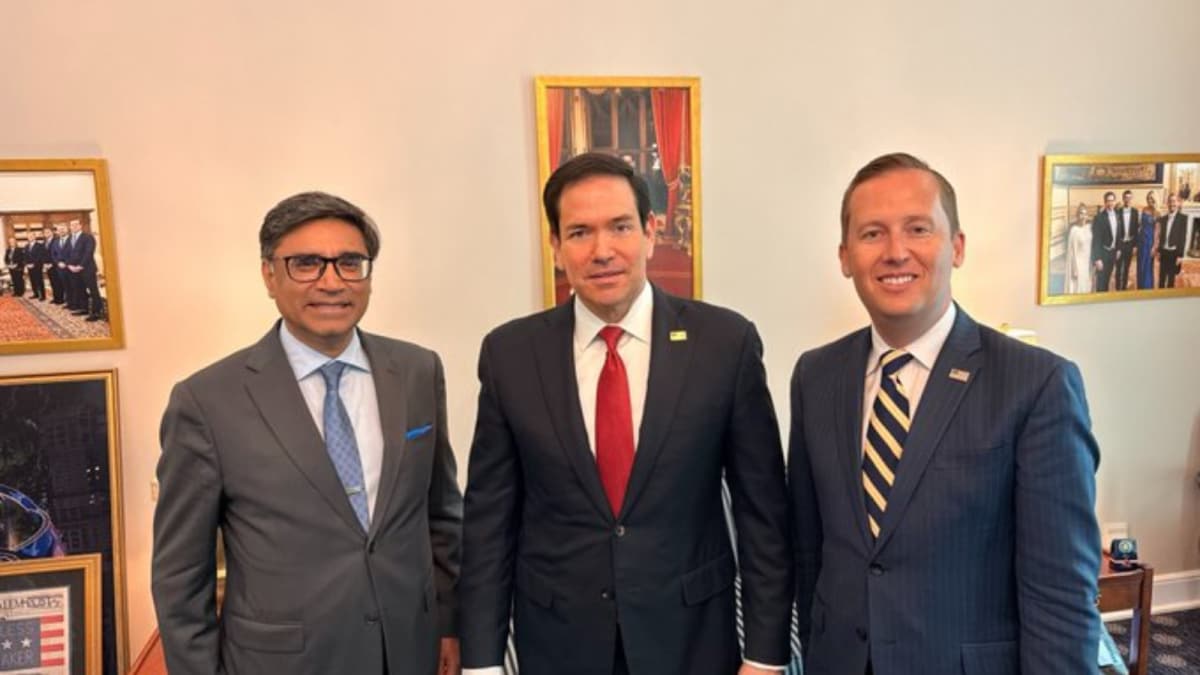
Honestly, when I first saw Vikram Misri walking into the White House corridors, I felt a little flutter of excitement – it’s not every day you get to witness a senior Indian diplomat rubbing shoulders with the US Secretary of State. Marco Rubio Greeted him with a firm handshake and a warm smile, and the two of them seemed genuinely keen to catch up on everything from trade to defence. The meeting was described as "productive" by the Indian Embassy, and you could sense a shift in the air – a feeling that both sides were ready to push the partnership a bit further.
During the conversation, they touched on a bunch of topics that matter to both countries. Trade was high on the agenda – you know how much we rely on Indian exports of textiles and pharmaceuticals, and the US is keen on our tech services. They also talked about critical minerals, those rare earths that power everything from smartphones to defence equipment. It was clear that both sides want to reduce reliance on any single source, especially given the supply‑chain hiccups we’ve seen lately.
Another highlight was the Quad – the strategic grouping of the US, India, Japan and Australia. Both Misri and Rubio aGreed that the Quad needs a stronger coordination mechanism, especially as the Indo‑Pacific becomes more contested. When I asked a US aide later about the tone of the meeting, they said it was "constructive" and that Rubio is planning a visit to India next month – something that will surely keep the momentum going.
Chatting with the US Ambassador to India, Sergio Gor
Sergio Gor, the US Ambassador to India, was also present during the White House meet‑up. He took to X (formerly Twitter) to thank Misri for coming over and to tag the meeting as productive. His post read, "Welcome to the White House @VikramMisri! Productive meeting with @SecRubio that focused on our bilateral relationship, especially trade, critical minerals, defence and the Quad. Secretary Rubio looks forward to visiting India next month." It felt a bit like a social media shout‑out, but the underlying message was clear – the US wants to keep India close.
Seeing both the Indian and American sides use social platforms to amplify the meeting gave me a sense of how diplomatic communication has changed. A few years back, such an exchange would have been hidden behind press releases, but now it’s instant, colourful and reachable by a million netizens scrolling on their phones.
Deep‑Dive Sessions at the Pentagon
After the White House chit‑chat, Misri headed over to the Pentagon for a more technical set of discussions. He met with Under Secretary of War for Policy Elbridge Colby and Under Secretary for Acquisition and Sustainment Michael Duffey. Both of these officials handle the nuts‑and‑bolts of defence cooperation, from joint exercises to technology sharing.
Elbridge Colby, who had just visited India a month earlier, talked about the Indo‑Pacific and West Asia – regions where both countries have vested interests. He reminded me of those evenings when we watch news about tensions in the South China Sea or the Middle East and wonder how each diplomatic move ripples across the globe.
Michael Duffey, on his part, focused on the defence industrial base. He highlighted the ways India and the US could tighten supply‑chain linkages, especially for critical components used in aircraft and naval vessels. There was a mention of the Framework for the bilateral Major Defence Partnership signed last year – an ambitious roadmap that aims to boost co‑development of weapons and technology. The embassy later posted about this on X, calling the interaction "fruitful" and emphasizing the push to deepen defence industrial, technology and supply‑chain linkages.
Listening to the officials speak in plain terms made me realise how much behind‑the‑scenes work goes into the headlines we see about joint naval drills or fighter jet deals. It’s not just flashy events; it’s countless meetings, memos, and a lot of paperwork that slowly builds the foundations.
Commerce Talk: From Minerals to Markets
Switching gears a bit, Misri also spent time at the Department of Commerce, meeting under secretaries Jeffrey Kessler and William Kimmitt. Jeffrey Kessler looks after the Bureau of Industry and Security, while William Kimmitt heads the International Trade Administration. Both of them are key players when it comes to trade policy and securing supply chains for critical technologies.
The discussions with Kessler revolved around critical minerals again – the kinds of materials we need for batteries, semiconductors and even defence hardware. The US is keen on diversifying its supply sources, and India, with its own mining potential, fits right into that plan. There were talks about collaborating on mining projects, ensuring transparent standards, and possibly setting up joint ventures.
With William Kimmitt, the conversation shifted more towards market access. He pointed out that Indian startups are eyeing US markets, especially in fintech and health tech, while US firms are keen on tapping the Indian consumer base. Both sides recognised the need for smoother customs procedures and better trade facilitation, something that could benefit everyone from a small entrepreneur in Bengaluru to a large manufacturer in Gujarat.
What struck me here was the practical side of the talks – it wasn’t just about grandstrategic plans, but also about how a mango farmer in Kerala could eventually benefit from better trade routes, or how an Indian IT firm could find more US clients thanks to reduced bureaucratic hurdles.
Wider Geopolitical Context: Indo‑Pacific and West Asia
Beyond trade and defence, the visit also covered broader geopolitical concerns. Both Misri and the US officials exchanged views on the evolving situation in the Indo‑Pacific – especially the growing assertiveness of China and the need for a free and open sea lane for trade. They also talked about developments in West Asia, where the recent crisis has shifted focus to energy security and regional stability.
In most cases, the discussions were frank. The US asked for India's perspective on the situation in the Middle East, while India sought US support for a stable diplomatic environment that could protect its energy imports and trade routes. It reminded me of those evenings when families gather around the TV, watching news of oil price spikes and wondering how the same events affect our everyday lives, like the price of petrol at the local pump.
The embassy’s social media handle summed it up nicely, noting that Misri’s talks with US officials spanned not only defence and trade but also strategic viewpoints on these crucial regions.
Why This Visit Matters After a Rough Patch
It’s worth remembering that the India‑US relationship faced a few bumps not too long ago. There were punitive tariffs slapped on India and some outspoken remarks by the former US president that strained things. Since then, both countries have been trying to rebuild trust and find new areas of cooperation.
This three‑day visit by Vikram Misri seems like a clear signal that the momentum is back. The range of meetings – from the top‑level White House encounter to detailed talks at the Pentagon and Commerce Department – shows that both sides are serious about moving beyond past misunderstandings.
For me, watching these interactions felt like seeing a long‑running TV series finally getting back on track after a shaky season. The characters – in this case, the officials – are back, the plot is thickening, and viewers (that’s us, the public) are eager to see how the story unfolds.
Looking Ahead: Rubio’s Planned Visit to India
One of the biggest takeaways from the visit was the announcement that US Secretary of State Marco Rubio will be in India next month. This is a big deal because it means the discussions we just observed will likely get a follow‑up at the highest diplomatic level on Indian soil.
Rubio’s upcoming trip could cover many of the same themes – trade, critical minerals, defence cooperation, and the Quad – but from the Indian perspective. It also offers an opportunity for Indian business leaders, defence officials and policy experts to directly engage with the US delegation.
People in my circle who work in exports are already talking about potential meetings, hoping that the trade talks will translate into easier market access. Similarly, defence analysts are speculating about joint exercises and technology sharing that could be formalised during Rubio’s stay.
All in all, the visits – first Misri’s to the US and soon Rubio’s to India – feel like two sides of the same coin, aiming to cement a partnership that’s becoming more vital for both economies and security frameworks.