Gautam Gambhir Teams Up with Bollywood Legends to Defend Identity Against AI onslaught in Delhi High Court
Delhi High Court Emerges as a Premier Forum for Protecting Personality Rights in the Age of AI
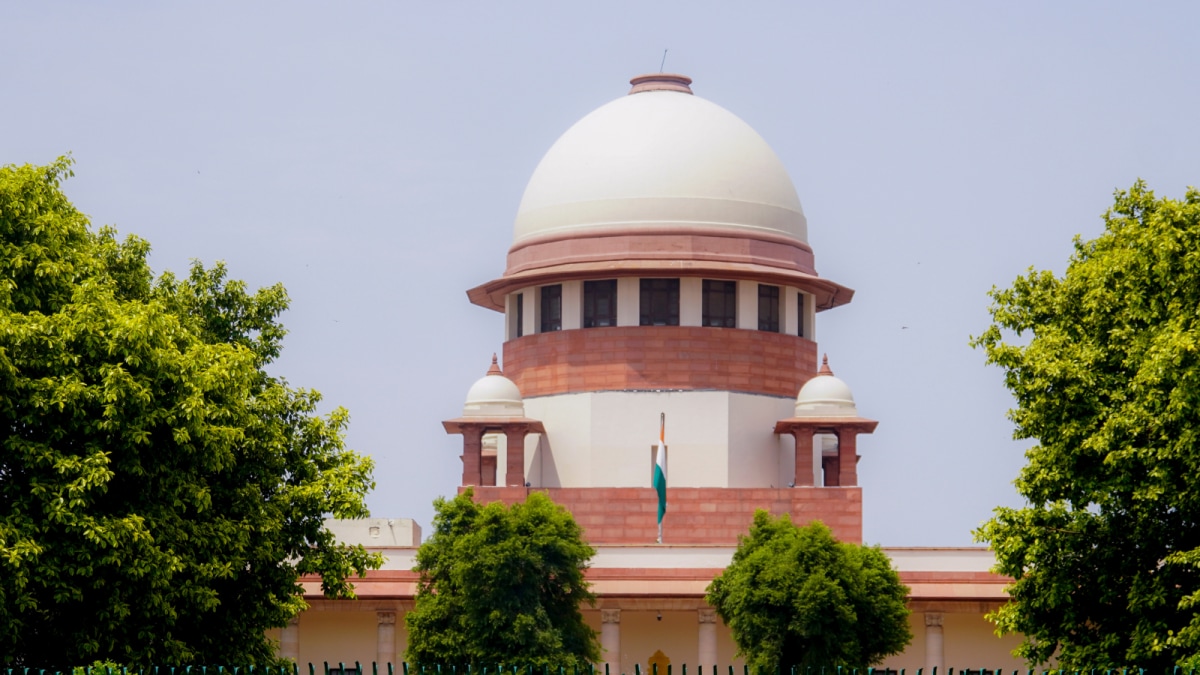
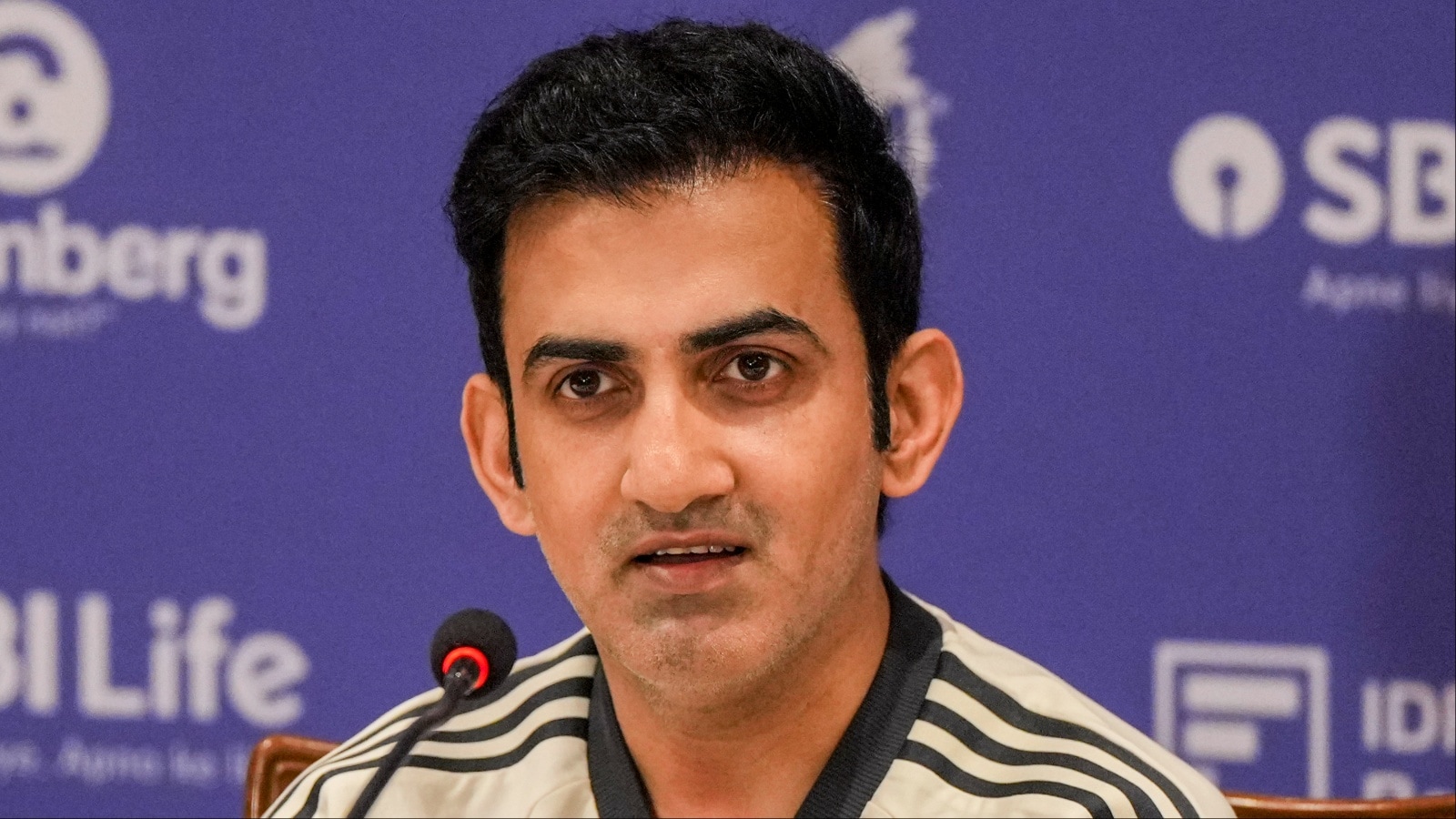
The filing of a civil suit amounting to 2.5 crore against sixteen respondents by Gautam Gambhir marks a watershed moment where sport, celebrity culture, and emerging artificial‑intelligence technology intersect. The litigation is not limited to a personal grievance; it is a clear articulation of the doctrine of “personality rights,” a principle that is swiftly reshaping Delhi High Court into an international hub for intellectual‑property enforcement.
Understanding Personality Rights in a Digitally Connected World
Personality rights—sometimes called “publicity rights”—grant an individual the exclusive authority to control commercial exploitation of elements that make that individual instantly recognizable. These elements encompass a name, facial features, voice timbre, signature gestures, and any other characteristic that the public associates with the individual. Historically, such rights shielded high‑profile figures from unauthorized advertisements on billboards or product packaging. In the current era, the scope of protection has broadened to counter the growing menace of generative‑AI tools that can fabricate realistic images, audio snippets, and video clips without consent.
Gautam Gambhir alleges that a coordinated effort has employed AI‑generated deepfakes and voice‑cloning techniques to construct a fabricated narrative suggesting that Gautam Gambhir had resigned from coaching duties. When an artificial voice is used to promote a product or a political stance that Gautam Gambhir never endorsed, the infringement transcends ordinary copyright violation. It becomes a direct assault on the “right to publicity,” which ensures that only Gautam Gambhir may monetize or authorize the use of Gautam Gambhir’s persona.
Following the Trail Blazed by Amitabh Bachchan and Anil Kapoor
Gautam Gambhir walks a legal path previously trodden by film icons Amitabh Bachchan and Anil Kapoor. Amitabh Bachchan secured a sweeping injunction that barred any unauthorized use of Amitabh Bachchan’s voice or image. Anil Kapoor later achieved a similar victory, protecting the trademark catchphrase “Jhakaas” and Anil Kapoor’s digital likeness from misuse in offensive AI‑generated content.
These landmark victories established a powerful precedent in India, demonstrating that courts are prepared to issue broad, preventative orders rather than addressing isolated incidents. Gautam Gambhir’s petition expands this doctrine by naming not only individual trolls but also large technology platforms and e‑commerce marketplaces. By targeting social‑media intermediaries and online retailers, Gautam Gambhir seeks a comprehensive “digital cleanup,” compelling these platforms to police and remove unauthorized “Gautam Gambhir” merchandise and fabricated videos stored on their servers.
Delhi High Court as a Global Arena for Intellectual‑Property Disputes
The consolidation of high‑stakes personality‑rights battles within Delhi High Court is no accident. The court has garnered a reputation as one of the world’s most sophisticated and “IP‑friendly” jurisdictions. Its judges exhibit a nuanced grasp of the speed at which technology evolves, often invoking “inherent powers” to bridge gaps in existing statutes such as the Trademarks Act and the Copyright Act. This pragmatic approach enables the protection of individual dignity in a rapidly shifting digital environment.
Whereas courts in other jurisdictions grapple with stringent free‑speech doctrines and constitutional protections, Delhi High Court has crafted a balanced methodology that weighs “freedom of expression” against the “right to livelihood.” The court recognizes that for a public figure such as Gautam Gambhir, identity itself constitutes a primary asset. By routinely granting ex‑parte ad‑interim injunctions—temporary orders issued before defendants appear in court—Delhi High Court offers a swift mechanism to halt the spread of deepfakes before they achieve viral status.
Implications for Indian Cricket and the Broader Sporting Community
The timing of Gautam Gambhir’s suit is especially significant given Gautam Gambhir’s role as head coach of the national cricket side. Statements attributed to Gautam Gambhir carry substantial weight within a cricket‑obsessed nation. Fabricated deepfakes that imply discord within the dressing room or that cast unwarranted criticism on senior players can erode team morale and influence public sentiment in real time. By securing legal safeguards, Gautam Gambhir is establishing a “zero‑tolerance” standard for managing the digital footprint of Indian cricket amidst the rise of misinformation.
As the litigation unfolds, the case is poised to serve as a template for athletes, coaches, and other public figures across India. The battle now extends beyond Gautam Gambhir; it seeks to cement a fundamental 21st‑century principle: an individual’s identity remains their exclusive property, irrespective of how effortlessly technology can replicate it.
Future Outlook and the Evolving Landscape of Personality‑Rights Litigation
Looking ahead, the outcomes of Gautam Gambhir’s proceedings are likely to influence legislative discourse, prompting lawmakers to consider explicit provisions that address AI‑driven impersonation. The case also places pressure on digital platforms to develop robust monitoring tools capable of detecting and removing infringing content promptly. In turn, these platforms may adopt more rigorous verification protocols for user‑generated media, reducing the likelihood that deepfakes featuring Gautam Gambhir or other high‑profile individuals slip through unchecked.
For the entertainment industry, the precedent reinforces the necessity of proactive legal strategies to protect brand equity and personal reputation. For the sporting world, it underscores the importance of safeguarding the integrity of communication channels that affect team dynamics and fan engagement.
Overall, Gautam Gambhir’s legal action signals a decisive shift toward a more controlled digital environment where personality rights are vigorously defended, and unauthorized AI exploitation is curtailed.