Gaza Elections: Voting took place across the occupied West Bank and in central Gaza, where residents cast ballots for the first time since 2006.
Let me tell you how I felt when I heard about this election it was like watching a neighbourhood in Delhi finally get a fresh water pipeline after years of waiting. The excitement, the nervousness, the hope all mixed together. Below are five things that really stood out for me, and I’m sharing them as if we’re sitting over chai and chatting about the latest breaking news.
The poll in Deir al-Balah marked Gaza’s first election of any kind in almost two decades. The last vote in Gaza was the 2006 legislative election won by Hamas, which then led to a power struggle with Fatah. Imagine a small town in Uttar Pradesh that hasn’t seen a local body election since before you were born that’s the kind of gap we’re talking about. When I read that Deir al-Balah was finally opening its polling stations, I could almost hear the murmur of anticipation echoing through the streets, much like the crowd that gathers outside a newly opened cinema hall in Mumbai.
According to Palestinian election officials, more than one million people across the Palestinian territories were eligible to vote. In Deir al-Balah alone, around 70,000 voters were registered and twelve polling stations were set up. To put that number in perspective, think of the population of a big Indian city like Pune that’s the scale of participation we’re seeing here. The fact that such a huge number of people were ready to step out, despite the lingering sounds of conflict, reminded me of how Indians line up for a train ticket during the festive rush patience and hope intertwined.
Hamas, which governs Gaza, was not allowed to run in the local election. The authorities required every candidate to recognise the Palestinian Liberation Organisation (PLO) as the sole legitimate representative of the Palestinian people. Several other factions also boycotted the vote. This requirement felt to me like a school rule that says you can only join a sports team if you wear the official school badge it narrows the playing field and forces some groups to stay on the sidelines. The absence of Hamas made the whole scenario even more intriguing, as many wondered how the political balance would shift.
Fatah, led by Palestinian President Mahmoud Abbas and dominant within the Palestinian Authority, was the only major faction competing broadly. In several districts, rivals did not field candidates, handing Fatah an easier path to victory. It reminded me of a cricket team that ends up playing with only a few players from the opposition missing the strength of the side becomes more visible, and the outcome feels almost predictable. For many people watching from outside, this development was a clear sign of how the political map of Gaza could be redrawn.
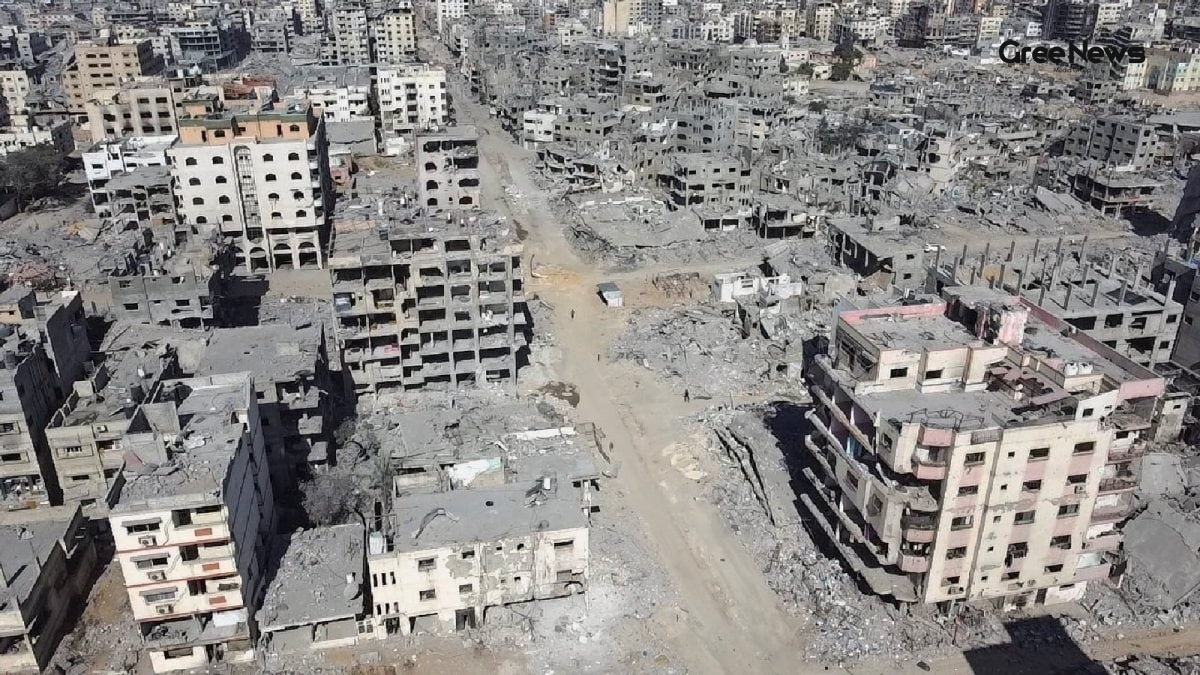
Deir al-Balah was selected as Gaza’s only voting district because it suffered less destruction than other areas during the Israel-Hamas war. The election comes during a fragile ceasefire, with many residents demanding reconstruction and stability after months of conflict. Reading about this felt similar to seeing a small town in Gujarat start rebuilding after a cyclone the desire to return to normal life, to rebuild houses, schools, and markets, fuels the whole process. The ceasefire, though shaky, offered a window for people to exercise their democratic right, and the whole atmosphere was charged with a sense of cautious optimism.
What happened next is interesting the turnout numbers started to trickle in, and the early results showed a clear advantage for Fatah. Many people were surprised by this swift shift, especially given that Hamas had been out of the picture. The whole episode quickly turned into viral news, with social media platforms in India picking up the story as part of the trending news India. It wasn’t just the numbers; it was the human stories coming out of the polling stations an elderly woman handing her ballot to a young volunteer, a teenage boy explaining to his mother why voting mattered, and a local shopkeeper closing early to cast his vote.
These personal anecdotes reminded me of the local elections we have back home, where the whole community gathers at the school hall, and everyone knows each other’s name. The sense of participation, despite the hardships, made the event feel truly human, and it is this kind of ground‑level detail that keeps readers glued, turning what could be a simple news bite into a compelling narrative.
In most cases, the international community is watching closely, looking for signs of political stability that could influence peace talks and reconstruction aid. For India, this story is part of the broader “latest news India” feed that analysts follow to gauge geopolitical shifts. The fact that the election was conducted without major incidents also gave a small boost of hope that Gaza might be moving towards a more stable future, even if the road ahead remains long and winding.
So, if you’re wondering why this election matters, think of it as a sign that even in the toughest circumstances, people still crave a voice in how their society is run a sentiment that resonates across any Indian neighbourhood facing its own challenges.
IranUS War Ceasefire Talks