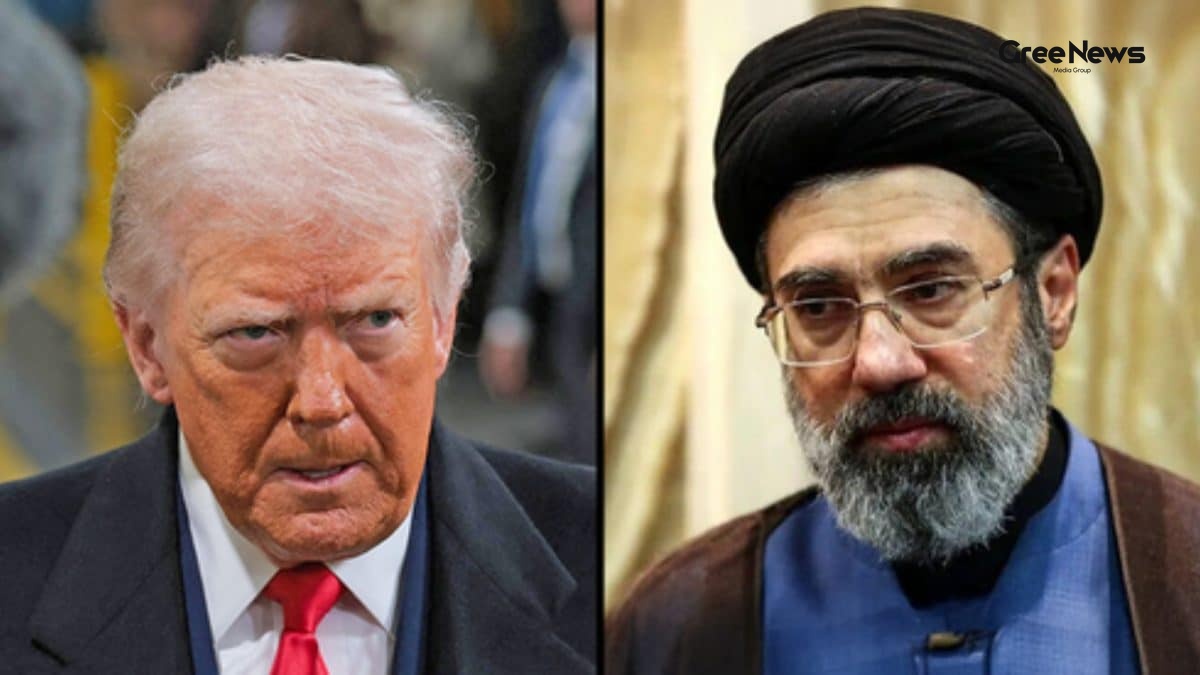
Why this conflict matters for the global economy a quick personal recap
Honestly, when I first saw the headlines about the United States, Israel and Iran getting tangled up, I thought it would just be another regional flare‑up. But as the story kept evolving, the latest news India feeds kept shouting "energy crisis" and "inflation spike" over and over. The International Monetary Fund even trimmed its global growth outlook, and you could feel the tension whenever you turned on the TV. It wasn’t just about politics; it was about how every cup of chai and every rupee you earn could be affected.
What really surprised me, though, was that while most sectors felt the squeeze, four completely different areas started posting record gains. I decided to dig a little deeper after all, breaking news often hides the interesting side‑effects and I’ll share what I found.
How the US‑Israel‑Iran clash hit the world economy
The conflict rattled the globe primarily through two channels: energy shocks and massive supply‑chain disruptions. The IMF, which usually speaks in calm tones, warned that the world’s growth could slip to around 3% this year. In India, we felt it in the price of diesel at the pump and in the cost of fertiliser for our farms.
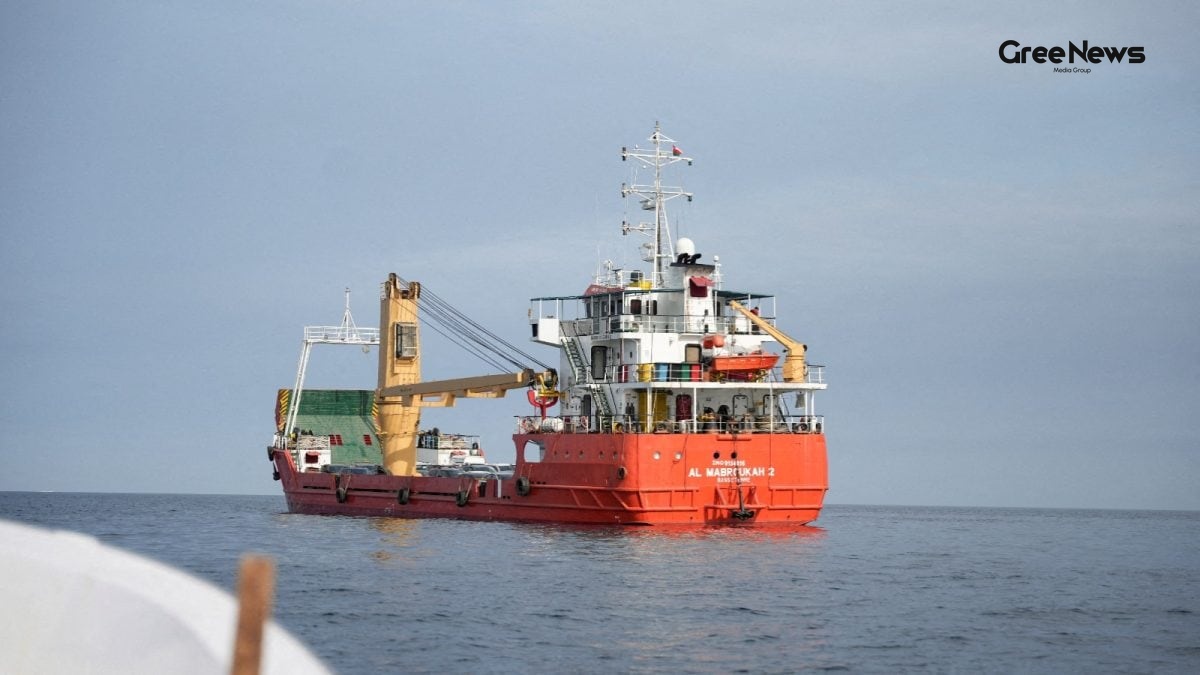
Energy turmoil: The war is being called "the greatest global energy security challenge in history" because it disrupted almost a fifth of the planet’s oil and gas flow. When the Strait of Hormuz a narrow waterway that carries roughly 20% of the world’s oil was closed, Brent crude prices shot up more than 55% within a month, touching near $120 per barrel. In the United States, gasoline jumped to $4 per gallon for the first time in years, and many analysts warned that if the blockade continued, prices could even hit $5.
In Asia, especially in India, we saw the ripple effect as the price of LPG and industrial gas spiked. The suspension of Qatari LNG shipments and low storage levels forced gas benchmarks to double, threatening a technical recession in energy‑intensive economies like Germany.
Inflation and market volatility: Higher energy costs acted like a sudden tax on everyone’s income, pushing the IMF’s global inflation forecast up to about 4.4%. Fertiliser prices, especially nitrogen‑based ones, doubled because the Gulf region supplies 30% of the world’s urea. This sent shockwaves through Indian agriculture, making the cost of wheat and rice production soar.
Stock markets worldwide tumbled, with South Korea’s KOSPI plunging 12% in a single day a record crash. Central banks, including the European Central Bank, delayed interest‑rate cuts, keeping the monetary environment tight.
Logistics and supply‑chain chaos: Shipping routes were forced to go around the Cape of Good Hope, raising freight and insurance premiums. Airlines had to cancel around 4,000 flights a day due to closed airspace over the Middle East, costing airlines billions and leaving passengers stranded.
Industrial shortages also emerged. Helium and aluminium supplies from the Gulf, crucial for semiconductor manufacturing and the automotive sector, were hit, creating bottlenecks in factories far from the conflict zone.
Four sectors that turned into unexpected winners my observations
Even though the war threatened global growth and pushed inflation upward, it also acted like a catalyst for a new “defence‑tech‑Green” economy. Here’s what I saw happening across the four sectors that posted remarkable growth.
1. Weapons firms defence manufacturers boom
When the United States, Israel and Iran started using more of their arsenals, the demand for high‑tech weaponry spiked. The MSCI World Aerospace and Defence Index reported a net return of about 32% year‑over‑year by the end of the last quarter. Big names like Northrop Grumman, RTX and Lockheed Martin saw their stocks rise between 3% and 5%.
Lockheed Martin, for instance, announced a record backlog of $194 billion by the end of the previous year, showing how orders from NATO allies and other countries have surged. European nations, especially those in NATO, pledged to lift defence spending to 5% of GDP by the mid‑2030s, keeping the order books full for years to come.
From my point of view, the excitement around defence stocks reminded me of the early 2000s during the US‑Iraq war investors rushed to buy anything that sounded “military‑grade”. The same pattern is clearly repeating.
2. Wall Street niche finance platforms and big banks profit
While most equity markets were jittery, certain financial players turned the chaos into cash. Platforms that allow users to bet on geopolitical outcomes, like Polymarket, raked in over $21 million in fees in a single month, simply by letting people place wagers on war‑related events.
Traditional investment banks also managed to boost profits. Goldman Sachs reported higher earnings, capitalising on increased trading activity around oil and commodities. Energy majors like Shell saw a surge in oil‑trading profits as Brent crude hovered near $110‑$120 per barrel during the blockades.
It felt a bit like watching a high‑stakes poker game the players who knew how to read the market’s nerves walked away with big stacks.
3. Artificial Intelligence the “first AI war” accelerates adoption
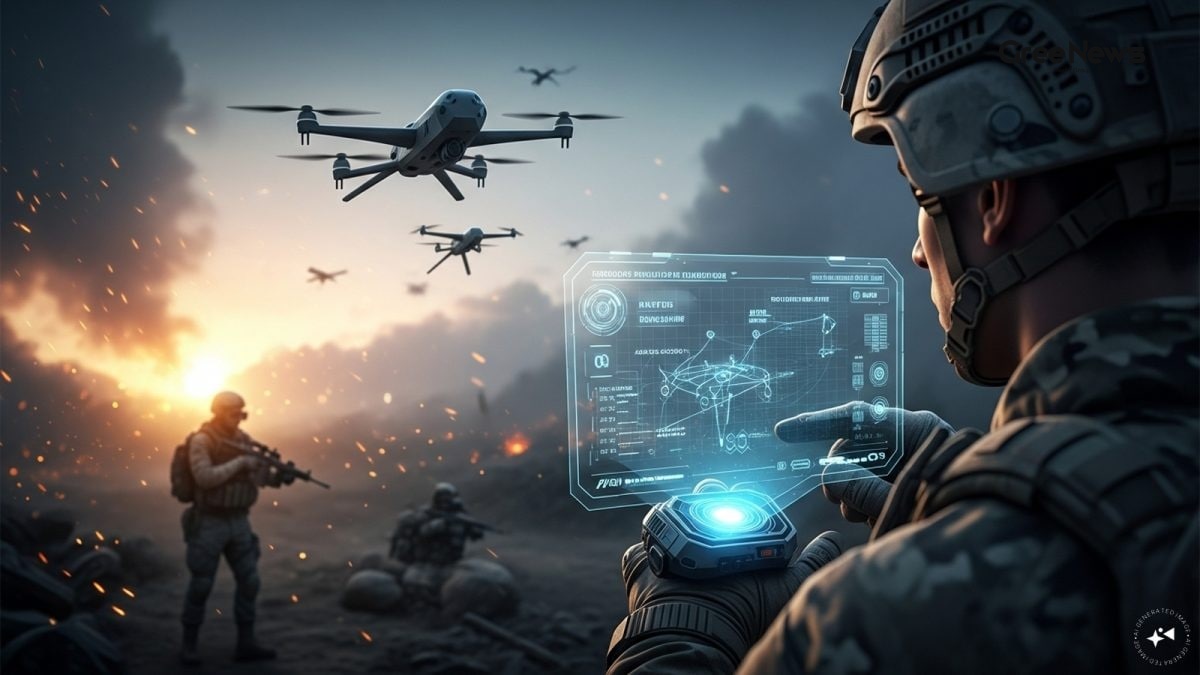
Some analysts are already calling this the “first AI war”. Both sides are using AI for drone swarms, autonomous vehicle navigation and rapid decision‑making. The commercial side can’t ignore this surge; AI startups have attracted massive funding, and giants like Anthropic and OpenAI are pushing forward with IPO plans despite the turmoil.
In Asia, Taiwan’s TSMC reported record merchandise exports of over $80 billion in the latest quarter, with net income up by 58% year‑over‑year a clear sign that advanced chip manufacturing, heavily supported by AI‑driven design tools, is booming.
Personally, I’ve started noticing AI‑powered analytics tools popping up in my own work, promising faster data processing a direct spin‑off from the military‑grade tech that’s being tested on the battlefield.
4. Green Energy a rapid pivot toward renewables
The shutdown of the Strait of Hormuz forced many countries to rethink their reliance on Middle‑Eastern oil. The S&P Global Clean Energy Transition Index jumped almost 71% year‑over‑year, showing a massive shift toward solar, wind and nuclear.
Countries like South Korea, India and Vietnam rolled out tax incentives for solar installations and even revived discussions on restarting nuclear reactors. China, which manufactures about 80% of the world’s solar‑tech, is set to benefit enormously as the demand for clean‑energy equipment skyrockets.
Here in India, we’re already seeing more rooftop solar projects and bigger government subsidies. The war indirectly pushed policymakers to accelerate the Green‑energy roadmap, which could mean better jobs and cheaper electricity for us in the long run.
Current state of the US‑Israel‑Iran conflict what’s happening now?
At the moment, the war sits in a precarious stalemate with a fragile naval blockade still in place. Ceasefire talks have been tentative, but hostilities remain high and negotiations have stalled. A separate ceasefire on the northern front between Israel and Lebanon provided a brief pause, yet the overall tension continues.
This ongoing uncertainty keeps the markets jittery, and it’s why the four sectors I mentioned earlier keep attracting attention from investors looking for the next big opportunity.
Key FAQs quick answers for anyone tracking the story
Which sectors are the biggest winners?
Defence manufacturers, selected Wall Street platforms, artificial‑intelligence firms and Green‑energy companies.
Why does the energy sector benefit the most?
Because the war disrupted oil supplies through the Strait of Hormuz, causing price spikes that translated into higher revenues for producers and traders.
How do defence companies gain?
Increased military spending and urgent demand for weapons and related technology boost orders and backlog for manufacturers.
Why are renewables also winners?
Countries aim to cut dependence on risky oil routes, prompting massive investment in solar, wind and nuclear projects.
Is this situation likely to create long‑term changes?
Most analysts say the shift toward AI and clean energy will outlast the conflict, reshaping global supply chains and investment patterns.