Why I Started Paying Close Attention to the Strait of Hormuz
It was a typical Saturday morning, and I was lazily scrolling through the latest news India on my phone while sipping masala chai. A headline about rising oil prices caught my eye a piece of breaking news that seemed to come out of nowhere. The article mentioned Iran and the Strait of Hormuz, and I thought, "What’s happening now?" Suddenly the whole conversation about nuclear weapons felt a little distant, replaced by the thought of tanker ships chugging through a narrow waterway, and how that could affect my weekly fuel budget. That little curiosity turned into a deep dive, because I realised that the strategic significance of the strait is not just geopolitics, it’s also my everyday life.
Iran’s Most Powerful Weapon Not a Nuclear Warhead
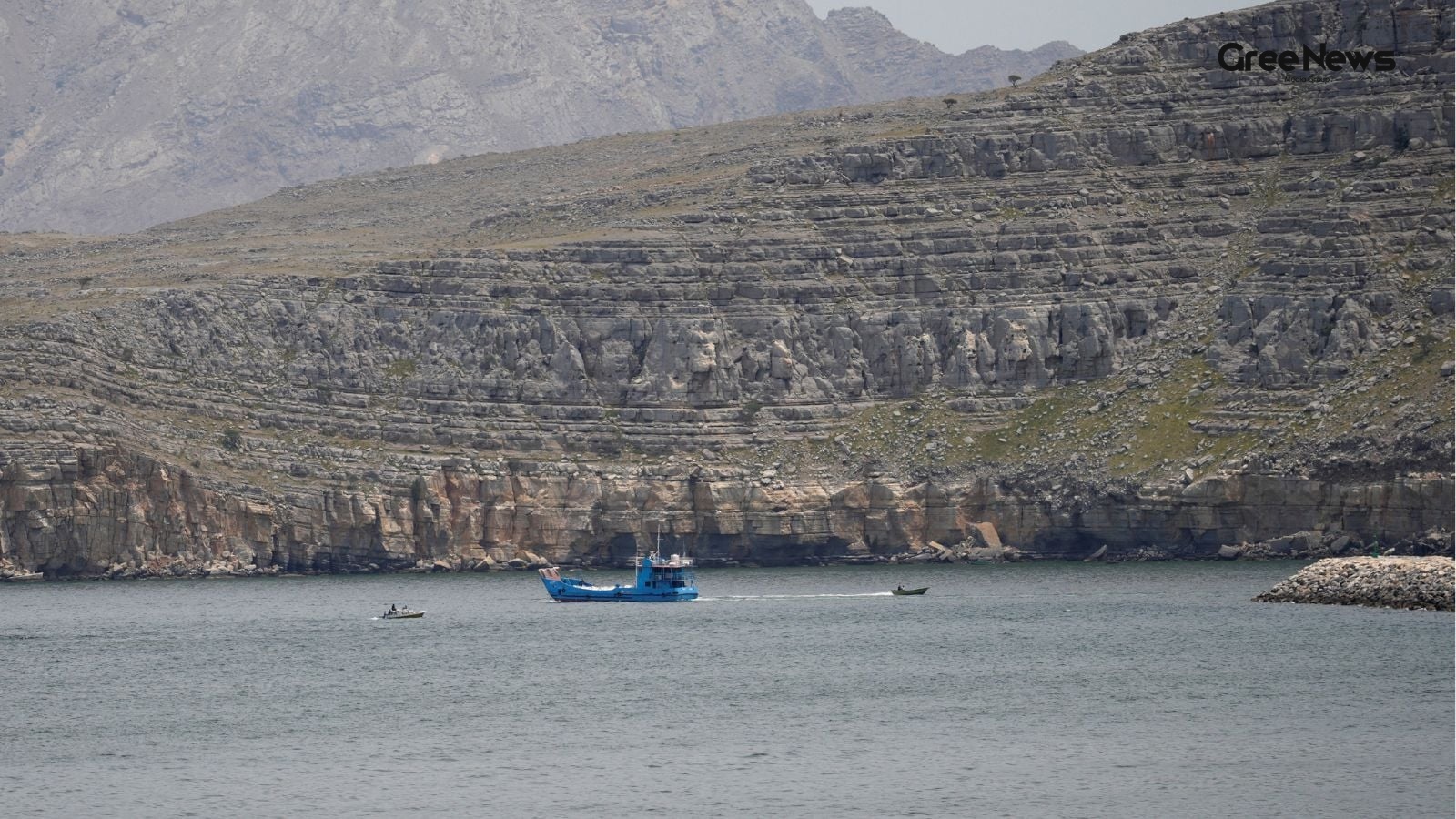
When I started reading more, experts and various news outlets were saying something that sounded almost paradoxical: Iran’s most potent deterrent is no longer just its uranium enrichment programme. Instead, they pointed to a very physical, very real capability the power to paralyse global energy markets by threatening the Strait of Hormuz. This narrow sea route, only about 21 miles wide at its tightest point, carries roughly one‑fifth of the world’s oil. The idea that a single country could influence oil prices worldwide simply by flexing its naval muscles felt like something straight out of a thriller, but the facts were there, plain as day.
Think about it: if Iran were to close or even partially disrupt traffic through the strait, oil prices would spike dramatically. That sort of economic shock is a weapon in its own right, and it works without the need for a single nuclear explosion. In most cases, the world reacts more to the threat of a disruption than to an actual event. This is why the term "weapon" is used it’s a lever that can push the United States and other countries onto the defensive, just like a nuclear deterrent would, but through the market instead of the missile silo.
What happened next is interesting. Iran shifted its approach from direct military clash to a war of attrition. Instead of sending large warships, Iran deployed swarms of tiny attack craft, anti‑ship missiles, and drones that could pepper the waterway. That asymmetric style made it harder for the United States to respond with conventional force without risking a bigger escalation.
How the Threat Works A Simple Explanation
Imagine you’re driving on a busy highway and suddenly a massive roadblock appears. You’re forced to take a long detour, your fuel consumption rises, you’re late, and you’re stressed. Now replace the highway with the Strait of Hormuz, the roadblock with Iran’s threat, and the drivers with the rest of the world’s oil‑importing nations. By simply saying, "We could close the strait," Iran holds a powerful bargaining chip. Even a partial slowdown can cause disastrous spikes in global oil prices a scenario that would hurt economies that rely heavily on affordable energy, including India.
That’s why the United States is keen to keep the waterway open. The United States has been talking about making its massive naval and air deployments a permanent feature of CENTCOM’s presence in the region. The idea is to guarantee "safe passage" and to signal that any attempt to block the strait would be met with a swift response.
It’s not just about military might. The United States also maintains a naval blockade of Iranian ports, aiming to choke off economic lifelines until a final nuclear aGreement is signed. The blockade is specifically targeted at vessels that are entering or leaving Iranian ports, while supposedly leaving other commercial traffic untouched.
United States Counter‑Strategy What I Learned From the Reports
Following the ceasefire that was reported in the news, the United States started adapting its regional policy. One of the most talked‑about moves was the consideration of a permanent deployment of aircraft carriers and other naval assets in the Gulf. The aim is to ensure that any attempt to shut down the strait would be quickly neutralised. Basically, the United States wants to keep a strong grip on the waterway, just like a traffic cop would keep a busy intersection clear.
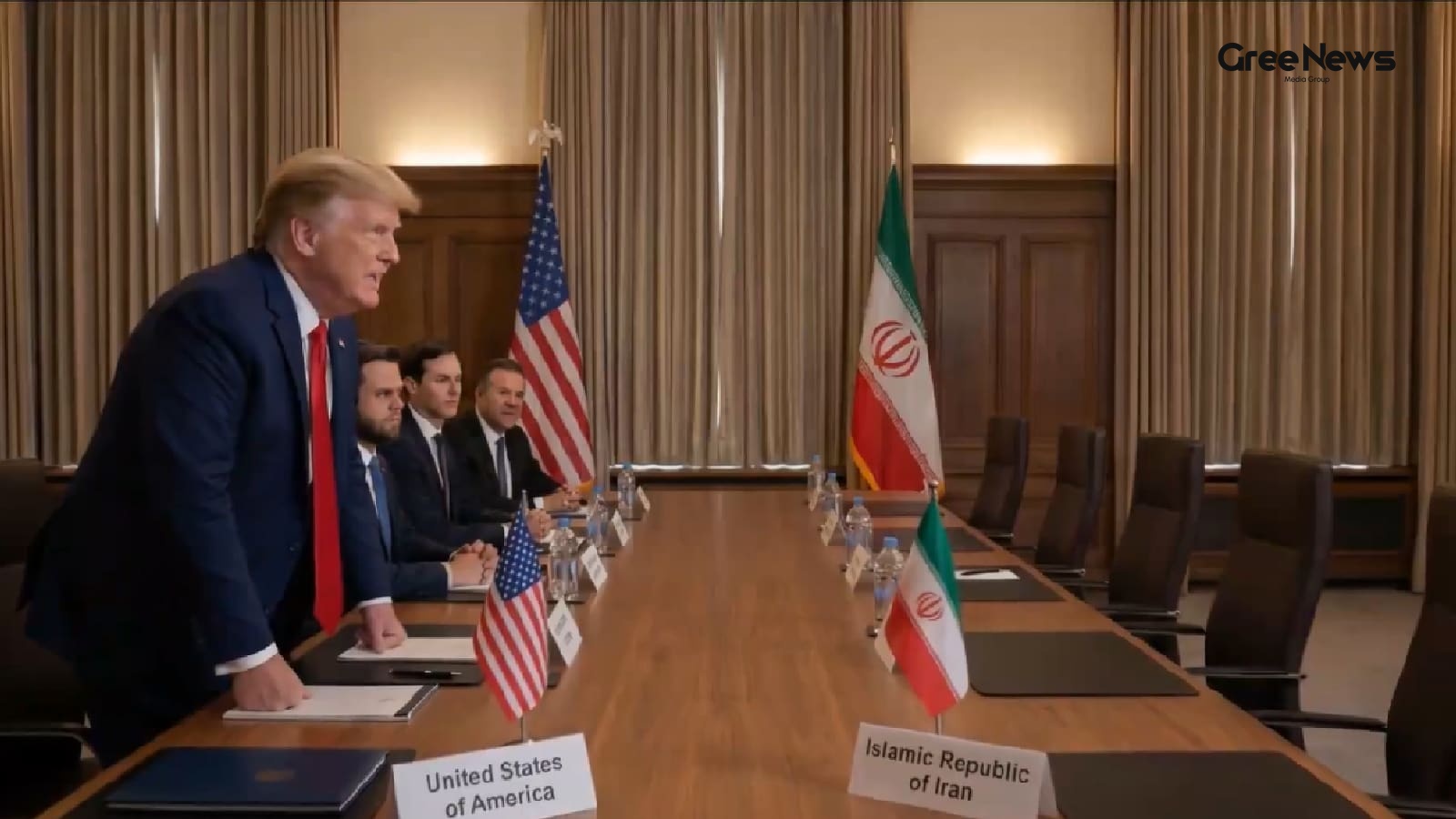
Additionally, a key objective mentioned in the coverage was the physical extraction of Iran’s enriched uranium stockpile. Trump, in his statements, hinted that once a deal is reached, the United States would use "big machinery" to excavate the material. This signals a willingness to use force if diplomatic channels fail, while also keeping the pressure on Iran to negotiate.
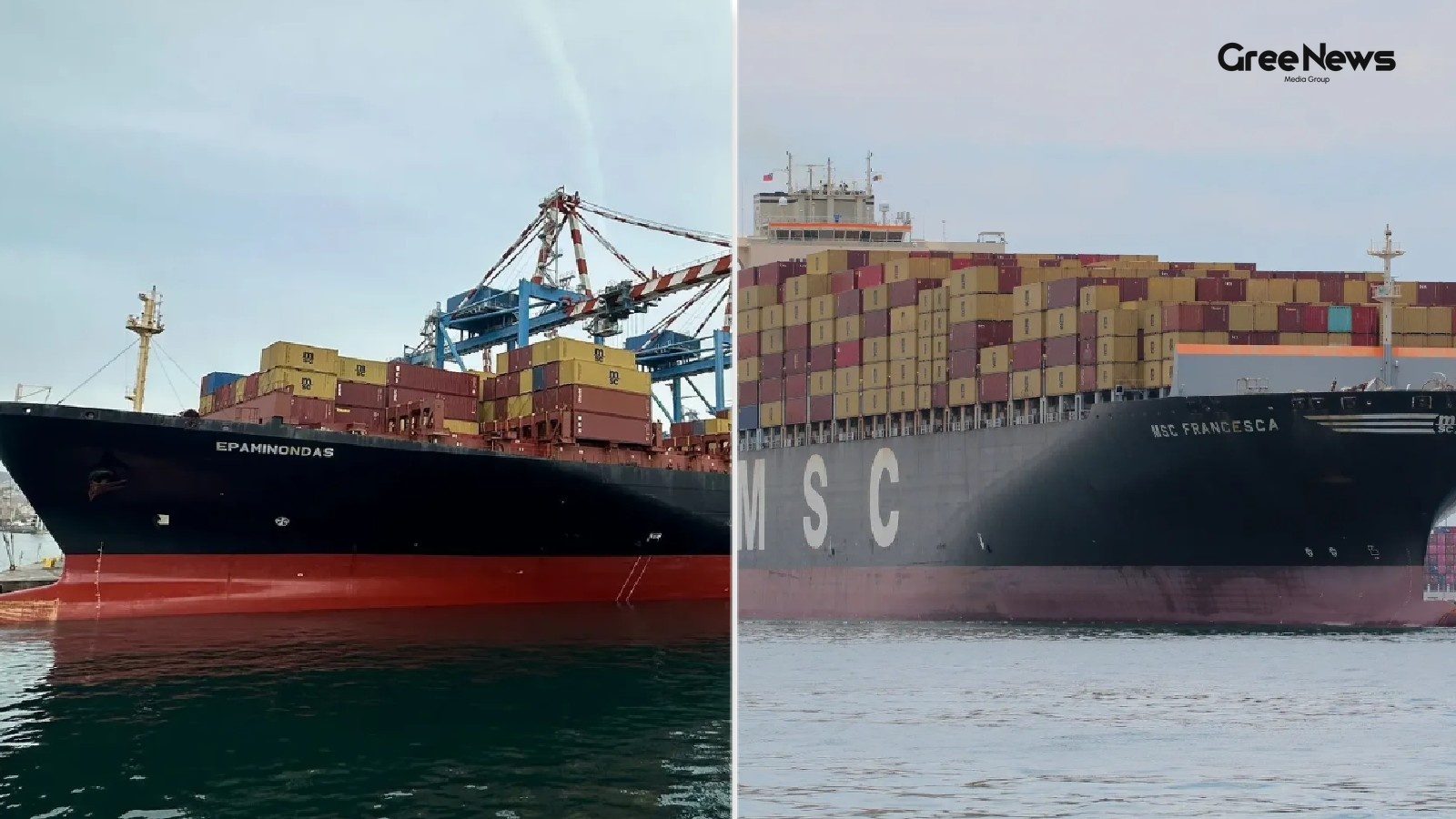
What struck me as notable was the sheer scale of the naval blockade. According to the information I read, United States forces have intercepted at least 25 vessels in recent weeks. Those interceptions are part of a broader operation managed by United States Central Command (CENTCOM). The operation officially started after peace talks in Islamabad fell apart, which shows how quickly the situation can shift from negotiation to hard power.
Iran’s Nuclear Stockpile A Quick Reality Check
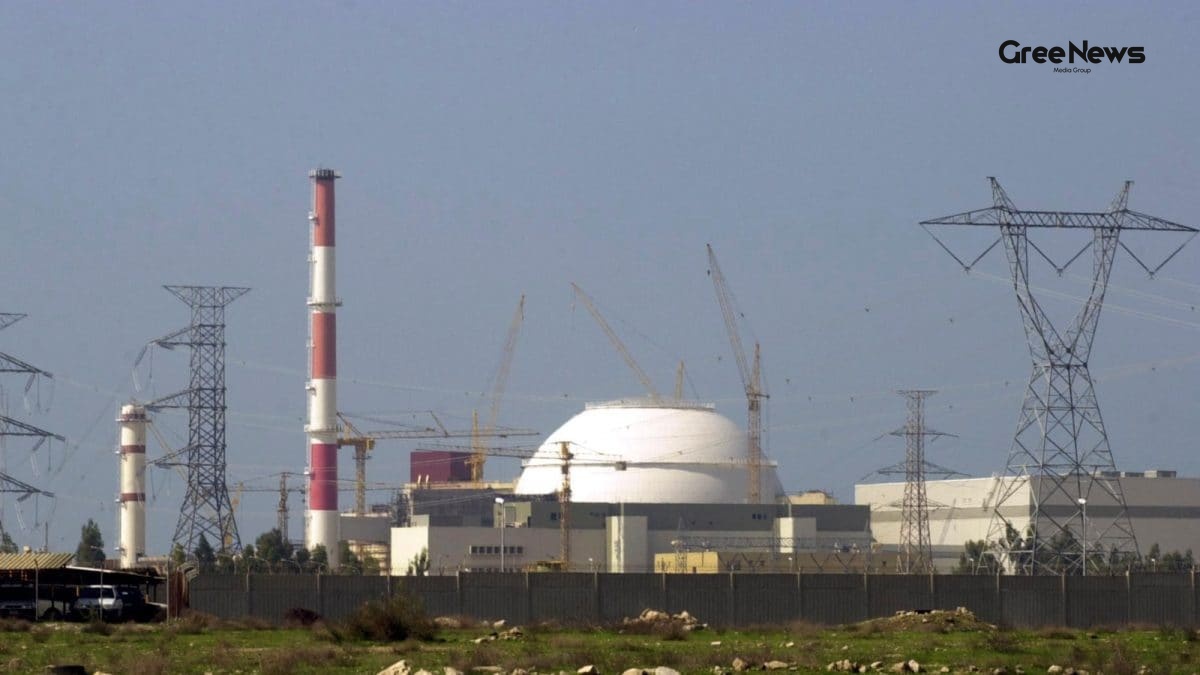
Even though the Strait of Hormuz is the immediate tactical weapon, the underlying nuclear situation remains a critical factor. Iran is estimated to hold about 440 kilograms of uranium enriched to 60 per cent. Experts say that amount is enough to produce several nuclear bombs if the enrichment level were pushed to 90 per cent. The numbers are not new, but they form the background against which the Strait strategy unfolds.
After the joint United States‑Israeli strikes in early 2026 (Operation Epic Fury), key sites like Natanz and Isfahan were heavily damaged. The reports said Iran swiftly moved its uranium stockpiles to underground, more secure locations. Iran also suspended International Atomic Energy Agency inspections at those damaged sites, claiming that normal safeguards were "legally untenable" after the military aggression.
These details matter because they show that while Iran’s missile and drone tactics can pressure the United States on the water, the latent nuclear capability still looms large. It’s a dual‑layered deterrence one nautical, one nuclear.
FAQs Straight Answers to the Most Common Queries
What is Iran’s most powerful weapon in this war?
It is the Strait of Hormuz a narrow sea route through which about one‑fifth of the world’s oil passes, giving Iran massive leverage over global energy flows.
How does Iran use it as a weapon?
Iran doesn’t need to fully block the strait; even the threat or a partial disruption of tanker traffic can spike oil prices, disrupt supply chains, and pressure global economies, especially the United States and its allies.
Why is this more powerful than military force?
Because it’s asymmetric leverage: Iran may not match United States military strength, but by controlling a critical chokepoint, it can create a global economic shock and gain bargaining power without direct confrontation.
Personal Reflection Why This Matters to Me and to India
As someone who lives in a city where fuel prices can make or break a month’s budget, the idea that a single strait can push prices up dramatically feels personal. When I see trending news India about oil price hikes, I remember this whole strategic chessboard playing out thousands of kilometres away. It’s not just a geopolitical story; it’s a piece of viral news that can affect the price at the pump, the cost of transporting goods, and even the wages of daily‑wage workers who depend on cheap diesel.
Moreover, the United States’ strategy of a permanent naval presence and a blockade makes me think about the larger security environment in the Indian Ocean. Indian maritime interests are closely linked to the safety of the Strait of Hormuz, as many Indian oil tankers pass through it. The whole situation is a reminder that the world’s power dynamics have direct consequences for everyday Indian life a point often highlighted in the latest news India.
In the end, watching this story unfold has taught me the importance of staying informed through credible breaking news sources. It also shows how a single geographic feature can become a nation’s most powerful deterrent, reshaping diplomatic negotiations and military postures across the globe.