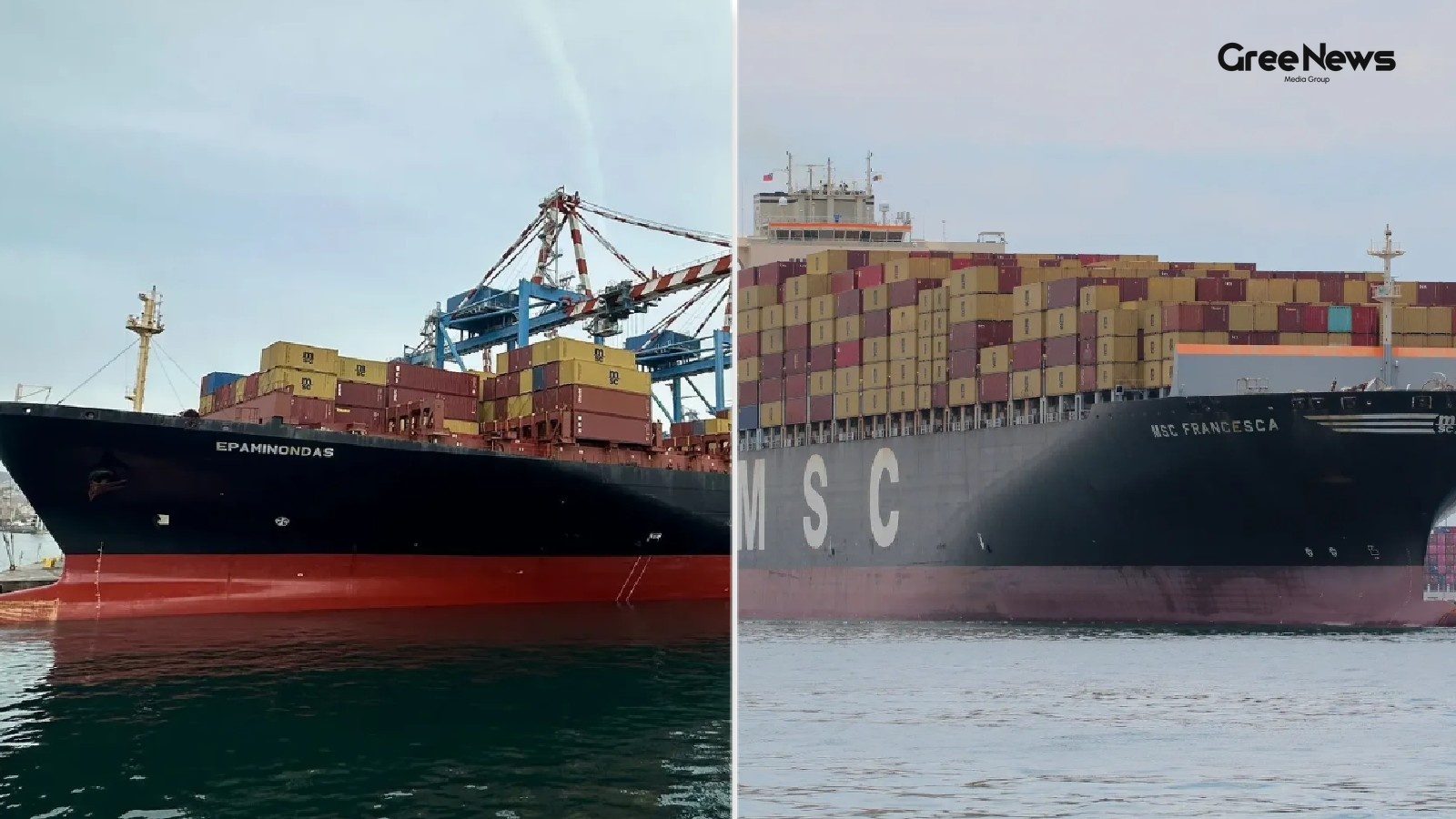
Iran’s Revolutionary Guard says it detained MSC Francesca and Epaminondas over alleged violations, pulling the world’s largest shipping company into the Hormuz crisis.
So, picture this I was scrolling through my phone early morning, checking the latest news India feeds, when a headline about Iran’s IRGC seizing two commercial ships in the Hormuz Strait caught my eye. It felt like something out of a thriller, but it was real, breaking news that had everyone from oil traders to regular commuters in a whirl.
The IRGC (Islamic Revolutionary Guard Corps) released a statement saying they had taken control of two vessels the MSC Francesca and the Liberian‑flagged Epaminondas accusing them of “jeopardising maritime security”, sailing without the required permits, and even tampering with navigation systems. In most cases, such accusations are taken very seriously, especially in a choke‑point like Hormuz where a fifth of the world’s oil passes through.
What happened next is interesting: the IRGC didn’t just let the ships float by. They directed both vessels toward the Iranian coast, effectively putting them under Iranian jurisdiction. The move sparked a wave of viral news across social platforms, with many users sharing videos of the ships being escorted by IRGC patrol boats.
Now, here’s a personal take I’ve travelled through the Arabian Sea on a cargo vessel a couple of times for work, and the sheer strategic importance of Hormuz never really hits you until something like this happens. You feel the tension in the air, and suddenly the whole region feels a bit more precarious.
According to semi‑official Iranian news agencies like Fars and Tasnim, a third vessel a Greek‑owned ship named Euphoria was also targeted and is now stranded along Iran’s shores. This adds another layer to the saga, as it shows Iran isn’t just focusing on one or two ships but appears to be sending a broader message about the need for compliance.
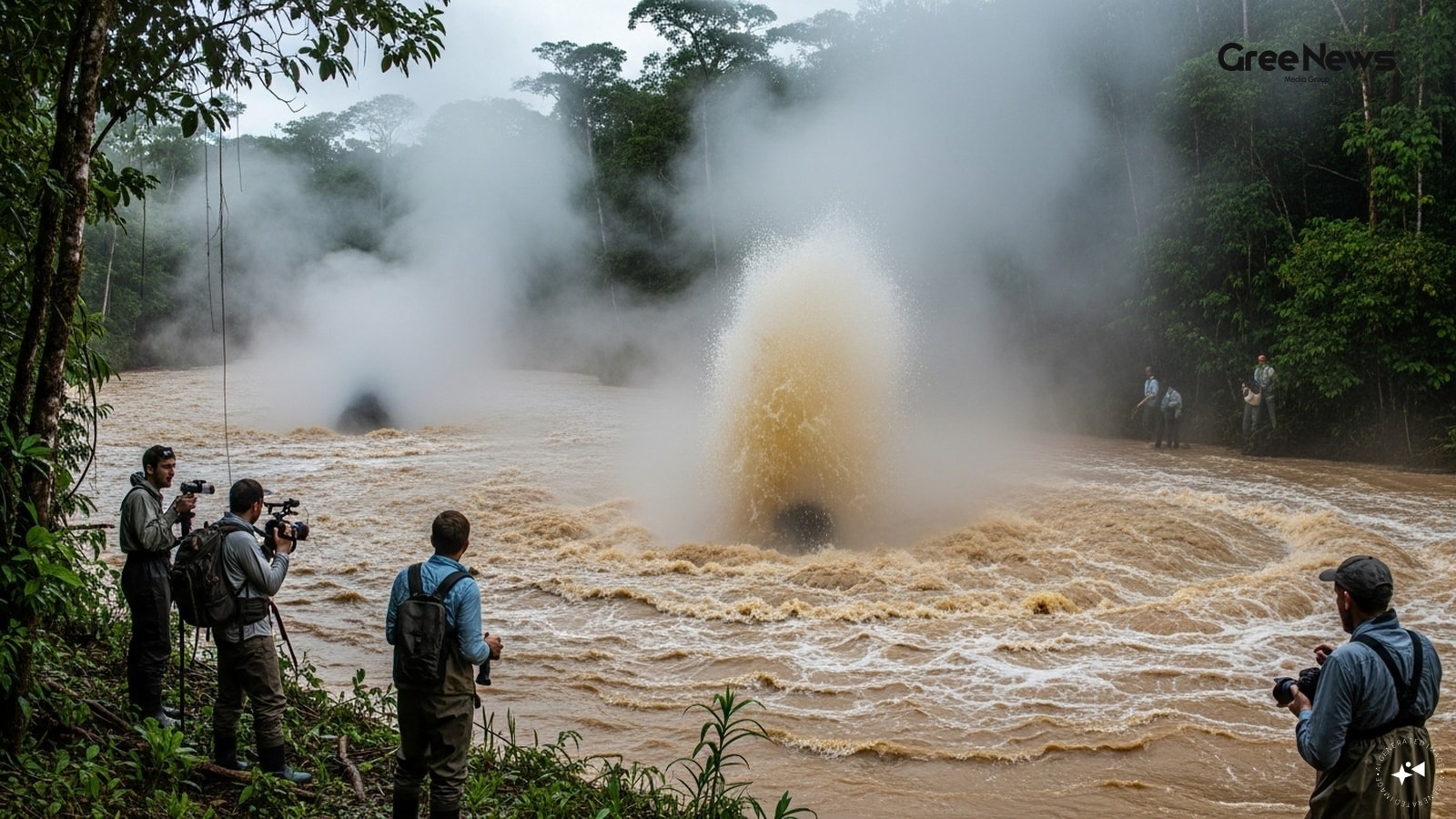
While all this was unfolding, the United Kingdom Maritime Trade Operations (UKMTO) centre had earlier reported that two ships came under fire in the Strait of Hormuz, though they didn’t specify which ones. This earlier report matches what the IRGC later claimed that they had engaged two vessels, which later turned out to be the MSC Francesca and Epaminondas.
To add a dash of technical detail MarineTraffic data showed the MSC Francesca, sailing under the Panama flag, was last spotted in the Gulf of Oman, listed as “at anchor” with minimal movement. Similarly, the Epaminondas, flagged in Liberia, was also reported as “stopped” in the same region. These details, while sounding a bit dry, actually help us understand that the ships weren’t speeding through; they were relatively stationary, making them easier targets for IRGC patrols.
Why Iran’s Move Matters for Global Trade and India
Now, you might wonder why a regional incident like this matters to us here in India. The answer lies in the sheer volume of oil and gas that passes through Hormuz roughly 20% of the world’s supply. Any disruption can lead to price spikes, affecting everything from petrol at the pump to the cost of electricity.
In most cases, India imports a hefty chunk of its petroleum from the Middle East, and the majority of that oil travels through Hormuz. So, any hint of instability there immediately becomes trending news India portals, and analysts start crunching numbers, trying to predict how it could impact the rupee and our everyday expenses.
What’s more, the MSC (Mediterranean Shipping Company) is the world’s largest container line. Their involvement means that a significant amount of container traffic could be affected. Imagine a bunch of Indian exporters waiting for their goods to be loaded onto a ship that suddenly gets stuck in a geopolitical tug‑of‑war. That would be a nightmare for businesses relying on timely shipments.
There’s also the human side. The crews on board these vessels many of whom are from South Asia find themselves in a precarious position. While the IRGC has not reported any injuries, the uncertainty alone can be mentally taxing. I recall a friend who once worked on a tanker that had to reroute because of tension in the Persian Gulf; the anxiety he described was palpable.
All of this adds up to why the incident has become viral news within hours, spawning hundreds of shares, comments, and debates across social media. People are asking: “Will this lead to a larger confrontation? How long will the ships be detained?” The answers are still unfolding, but the conversation certainly shows how interconnected our world is.
Background: The Strait of Hormuz and Its Geopolitical Weight
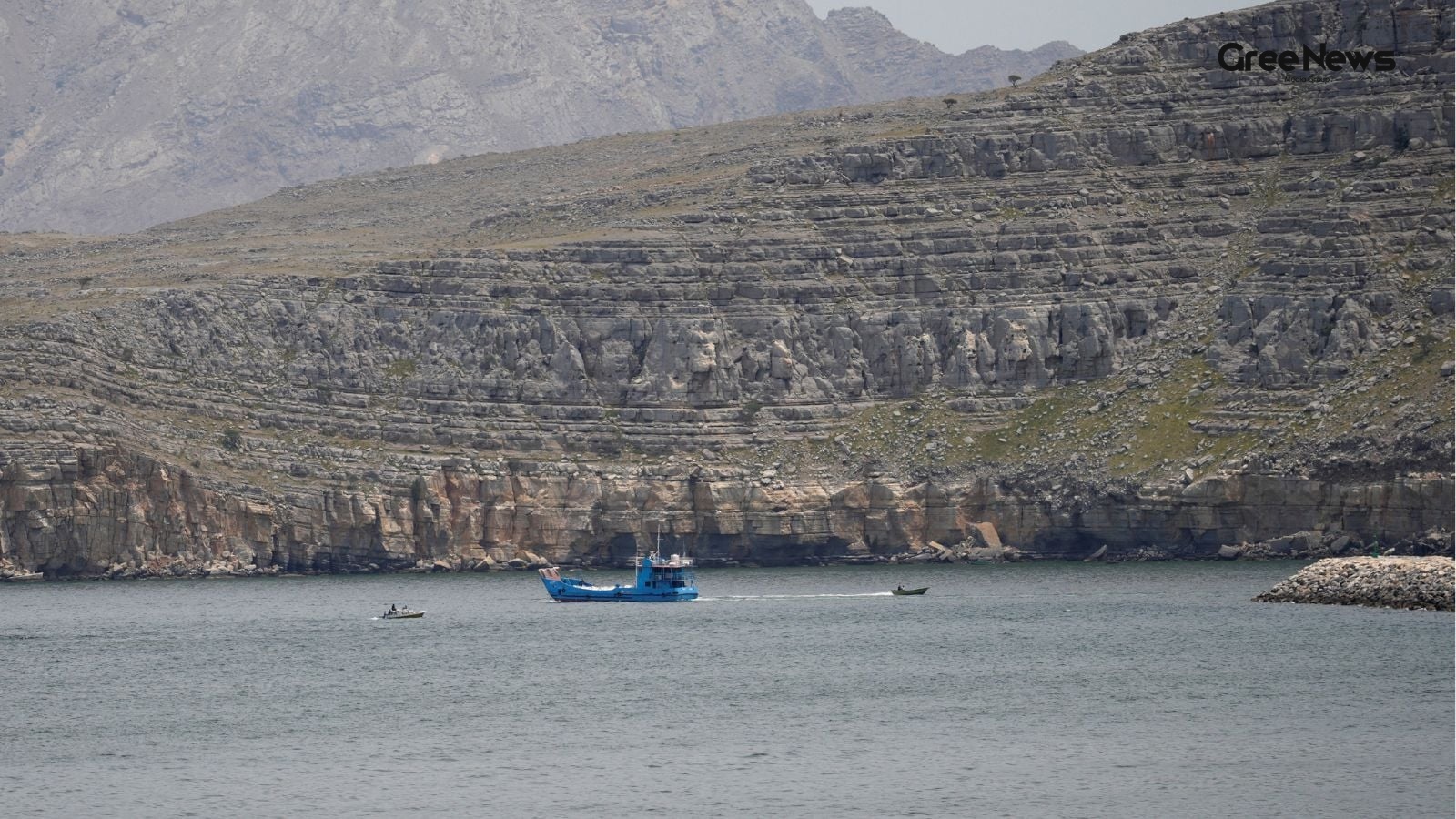
For anyone not intimately familiar with Middle‑East maritime routes, the Strait of Hormuz is a narrow waterway separating Iran from the Arabian Peninsula. It’s roughly 21 nautical miles wide at its narrowest point. Yet, despite its size, it’s a linchpin for global energy security.
Historically, the strait has seen several flashpoints. In the early 2000s, there were incidents of naval skirmishes involving Iranian and US vessels. More recently, drone attacks on oil tankers have raised eyebrows. So, the IRGC’s recent action isn’t happening in a vacuum it’s part of a broader pattern of asserting control over the waterway.
Iran’s stance is clear: any ship passing through Hormuz must seek permission from Tehran. This policy, they argue, is meant to “ensure safety of navigation” and prevent “activities contrary to the safe passage”. Critics, however, see it as a method to exert leverage, especially given the sanctions and diplomatic pressure Iran faces.
When the IRGC mentioned “disrupting order and safety in the Strait of Hormuz is our red line”, they were essentially drawing a firm boundary. In most cases, such statements are meant to deter future violations. Whether it works is something only time will tell.
How the International Community Reacted
After the news broke, various governments and maritime bodies issued statements. The United Kingdom’s UKMTO highlighted that they had witnessed two ships coming under fire but remained cautious about attributing blame. The United States, while not directly mentioned in the original report, usually monitors such developments closely, given the strategic interest in keeping the strait open.
India, meanwhile, released a brief comment through its Ministry of External Affairs, urging all parties to maintain the free flow of commerce and avoid any escalation. This kind of diplomatic language is typical, but for us back home, it translates into another headline in the “latest news India” feed, prompting analysts and business leaders to reassess their risk models.
Even shipping companies issued advisories to their crews, suggesting they remain vigilant and follow any instructions from local authorities. For the crews aboard MSC Francesca and Epaminondas, this meant complying with IRGC directions, which, as per the statement, involved heading toward Iranian waters.
There were also whispers on the internet that the MSC could face bigger repercussions, perhaps even a ban from operating in Hormuz for a period. While that remains speculative, many freight forwarders have already begun to re‑route some of their cargo, adding extra days to delivery times and increasing costs.
What This Means for the Future of Shipping Through Hormuz
If we look at the bigger picture, the seizing of these ships could set a precedent. Shipping lines might start demanding clearer guidelines from Iran before entering the strait, or they may seek alternative routes via the Cape of Good Hope, though that adds considerable distance and fuel costs.
Many people were surprised by the speed with which the IRGC acted, which suggests that Tehran has been closely monitoring vessel movements. In practice, this could lead to a more formalized permit system, making the process bureaucratic but potentially safer for all involved.
For Indian exporters, especially those dealing in bulk commodities like textiles, pharmaceuticals, and electronics, any disruption can affect timelines and profit margins. Companies might begin to stockpile inventory as a buffer, which could have a ripple effect on prices both for sellers and buyers.
The incident also resurfaced after a brief cease‑fire extension that had been announced recently, highlighting how volatile the region can be despite diplomatic attempts at calming tensions. It’s a reminder that peace talks and cease‑fires can be fragile, and any perceived violation might trigger a swift response, as we saw with the IRGC’s red line.
All in all, the situation remains fluid. While the vessels are currently under Iranian control, the final outcome whether they will be released soon, face fines, or be subjected to longer detention is still pending. This uncertainty fuels the ongoing curiosity among news readers, making the story a perfect candidate for trending news India platforms.
Personal Reflection and What to Watch For
From my side, watching this unfold reminded me of the delicate balance between geopolitical strategies and everyday commerce. It’s one thing to read about oil pipelines on a screen, but seeing a real‑world incident where ships are literally stopped mid‑sea makes the stakes feel personal.
If you’re a regular reader of breaking news, you’ll probably notice that similar incidents tend to surface whenever there’s a shift in regional politics. So, keep an eye on any official statements from the IRGC, as well as updates from global maritime watchers like MarineTraffic and the UKMTO.
Another thing to watch is how the international community, especially major oil‑importing countries like India, respond in terms of diplomatic outreach. Will there be a push for negotiations to ease the permit process? Or will we see a hardening stance that could further limit traffic through Hormuz?
For now, the best we can do is stay informed. Follow the latest updates, read through the detailed analyses on reputable portals, and maybe discuss the implications with colleagues in logistics or finance. The more we understand, the better we can anticipate any downstream effects on our own lives whether that’s a rise in fuel prices at the pump or a delay in receiving a parcel shipped from across the ocean.
In the end, it’s another reminder of how interconnected our world is a single strait, a couple of ships, and the ripple effects can be felt far beyond the waters of the Gulf of Oman.