Setting the Scene in Islamabad
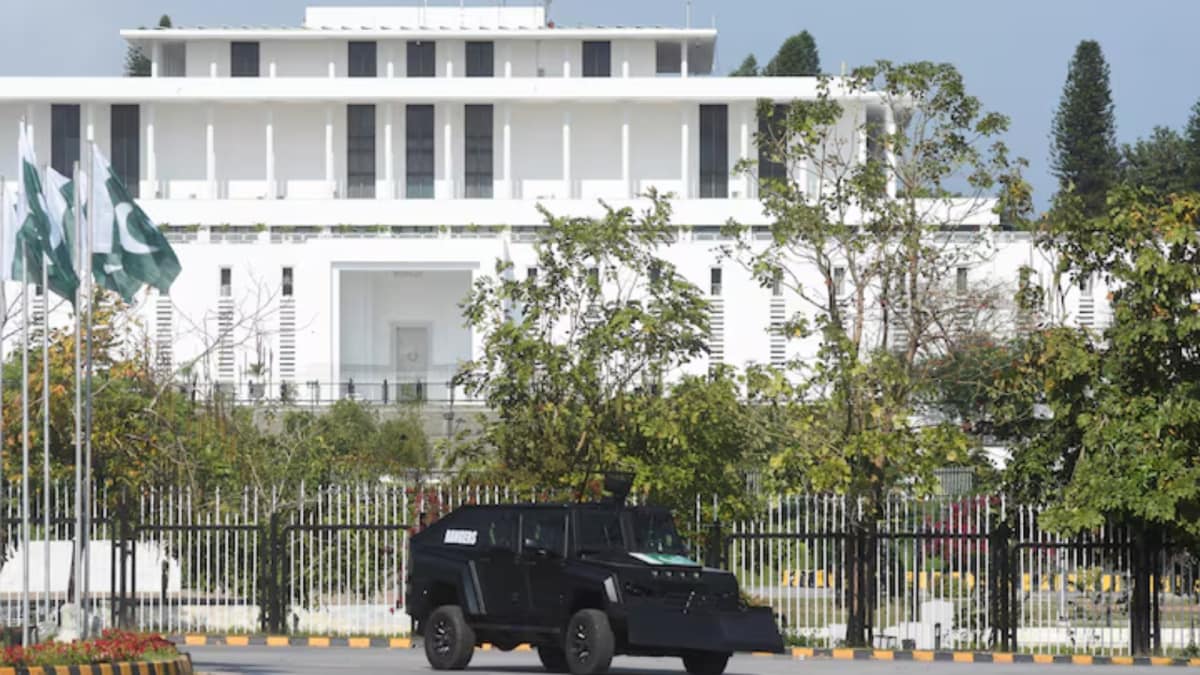
When I first stepped out of the airport in Islamabad, the humidity hit me like a wet blanket, but the buzz around the city felt warmer than the weather. Everyone seemed to be talking about the upcoming talks – even the street vendors near the newly built Murree Road were handing out chai with little flags of the United States and Iran on the sides of their cups. It was clear that the whole of Pakistan was gearing up for something big. I could see security vehicles patrolling the routes to the conference centre, and there were several media vans parked near the Shalimar Gardens, all waiting to capture the moment when the delegates arrived.
Pakistan’s Prime Minister Shehbaz Sharif and Deputy Prime Minister and Foreign Minister Ishaq Dar had already announced the schedule, promising a calm yet firm environment for the negotiations. The sense of anticipation reminded me of the days when I used to watch the Lok Sabha debates with my father – there was that same mix of excitement and a little nervousness about what would finally be said.
Pakistan’s Host Team – Who’s Who
On the host side, the big names were easy to spot. Pakistan’s Prime Minister Shehbaz Sharif was seen shaking hands with the US delegation at the Islamabad International Airport, his smile always wide and his voice steady when he Greeted Vice President JD Vance. Right behind him, Deputy Prime Minister and Foreign Minister Ishaq Dar was busy checking the conference agenda on his tablet, making sure every point was covered.
Later that afternoon, I watched as Pakistan’s Chief of Army Staff Asim Munir entered the conference hall, his uniform crisp and his steps measured. He was followed closely by National Security Adviser and ISI chief Asim Malik, who also carries a reputation for being very discreet in diplomatic talks. Both Asim Munir and Asim Malik have been part of several back‑channel discussions over the past months, so their presence was a reassurance that the Pakistan side was taking the security aspect seriously.
In addition to these senior figures, a number of senior Foreign Office officials and defence department heads were seated around the long oval table. They were all wearing the same dark suits, but you could tell by the badges that they represented different ministries – foreign affairs, defence, and even the trade ministry, which wanted to ensure that any de‑escalation would also protect Pakistan’s economic interests.
The United States Delegation – A Familiar Line‑up
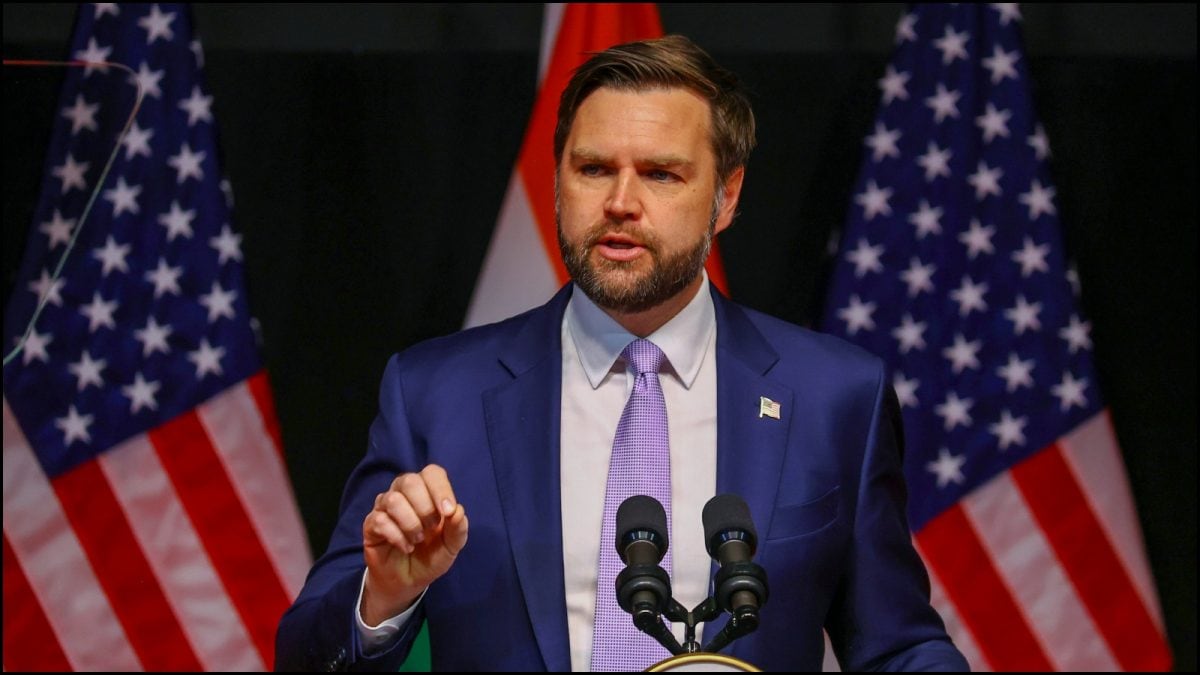
When the United States team arrived, the media buzzed about the presence of Vice President JD Vance. He was travelling with a small entourage, but the most talked‑about name was Special Envoy to the Middle East Steve Witkoff. Steve Witkoff has been involved in many behind‑the‑scenes negotiations, and his calm demeanor gave the impression that the US was ready to keep talking, even after the recent strikes in the region.
Another familiar face was Jared Kushner, former White House adviser and son‑in‑law of former President Donald Trump. Jared Kushner has been active in diplomatic circles for a while now, and his participation signified that the US still wants a personal channel open with Iran. Alongside them, CENTCOM Commander Brad Cooper arrived in a military uniform, representing the strategic interests of the US armed forces in the region.
Also present were representatives from the White House, the Pentagon and the US Embassy in Islamabad. They were mostly behind the scene, passing notes and sharing documents with the other delegations. I could see a small group of analysts from the US Department of State setting up a laptop near the back, probably keeping an eye on the live feed from the conference hall.
The Iranian Team – Senior Officials in the Spotlight
On the other side of the table, Iran’s delegation was led by Parliament Speaker Mohammad Bagher Ghalibaf. He arrived with a confident stride, his dark suit matching the formal atmosphere of the room. Beside him, Foreign Minister Abbas Araghchi was busy reviewing a folder of talking points, his eyebrows furrowed as if he were already weighing the possible outcomes.
Adding to the senior line‑up, Secretary of the Supreme National Security Council Mohammad Bagher Zolghadr was also there, accompanied by Deputy Foreign Minister Majid Takht Ravanchi. Both of them have been part of the diplomatic push to ease the recent tensions, and their presence indicated that Iran was serious about keeping the conversation going.
Rounding off the Iranian side was Ambassador to Pakistan Reza Amiri Moghadam, who has spent the last few years building relationships in Islamabad. He Greeted the Pakistani hosts with a friendly nod, showing that, despite the high‑stakes nature of the talks, there was still room for personal rapport.
Advance Teams and Preparations
Before the main delegations arrived, advance teams from all three sides had already been in Islamabad for a few days. I saw a small convoy of diplomatic cars parked near the conference venue, each with a flag on the hood – one red for the United States, one Green for Iran and a white one for Pakistan. Inside the venue, technical staff were setting up microphones, translating equipment and a secure video link for any participants who could not be physically present.
The advance teams worked long hours, often seen huddling over maps of the West Asian region, pointing at locations in Syria, Iraq and the Persian Gulf. They were trying to anticipate any flash‑points that could derail the talks. It reminded me of those days during my final exams when the whole study group would stay up late, trying to cover every possible question.
By the evening before the talks, the venue – a large conference hall at the Islamabad International Convention Centre – was ready. The lighting was dimmed to a soft glow, and a large wooden table occupied the centre of the room, surrounded by rows of chairs for supporting staff. A few British and Chinese journalists were also present, hoping to capture a balanced view of the discussions.
Backdrop: West Asia Tensions and the Fragile Cease‑Fire
The whole gathering was happening against a backdrop of intense tension in West Asia. Earlier this year, a series of military strikes and retaliatory attacks had pushed the region to the brink. A fragile cease‑fire had been announced only a few weeks before, temporarily pausing the hostilities but leaving many analysts and ordinary citizens anxious about its durability.
The conflict in West Asia is driven by long‑standing rivalries involving Iran, Israel and the United States. Over the years, the dispute has deepened because of ideological differences, security concerns and competing regional ambitions. The issue of Iran’s nuclear programme, proxy wars in places like Yemen and Syria, and frequent military confrontations have kept the region volatile.
In February, there was a sharp escalation when direct US‑Israeli strikes targeted Iranian positions, prompting massive retaliatory attacks by Tehran. Those events raised fears of a wider war that could affect not just the Middle East but also global oil prices, something that hit the wallets of everyday Indians as well.
Given all this, the talks in Islamabad were not just another diplomatic meeting – they were a crucial attempt to keep the fragile cease‑fire alive and explore pathways to a broader de‑escalation.
What the Discussions Aimed to Achieve
According to the briefings I heard from the Pakistani security officials, the agenda focused on three main points. First, reinforcing the current cease‑fire by setting up a joint monitoring mechanism. Second, establishing a direct communication channel between the United States and Iran to avoid misunderstandings in the future. And third, discussing confidence‑building measures such as humanitarian aid corridors for civilians caught in the crossfire.
Vice President JD Vance was expected to push for a stronger commitment from Iran on halting any further missile launches, while Foreign Minister Abbas Araghchi seemed keen on emphasizing Iran’s willingness to engage in dialogue, provided that its core interests were respected.
Pakistan’s Prime Minister Shehbaz Sharif, on his part, repeatedly stressed that any aGreement must respect Pakistan’s own security concerns, especially in the border areas where there have been occasional spill‑over incidents.
Although the official statements were measured, there was a palpable sense of urgency. I could see senior officials from all sides leaning forward, sometimes exchanging quick glances, as if trying to gauge each other’s next move.
Personal Observations – The Human Side of Diplomacy
One thing that struck me, beyond the formal speeches and printed agenda, was the human side of these high‑stakes talks. During the coffee break, I noticed Jared Kushner chatting with a Pakistani journalist about the upcoming cricket series between Pakistan and India. It was a brief, light‑hearted moment that reminded everyone that even in intense negotiations, people still find ways to connect over shared interests.
Later, as the sessions continued, I saw Parliament Speaker Mohammad Bagher Ghalibaf taking a moment to thank the host staff for the delicious Pakistani biryani that had been served. The simple gesture of appreciation seemed to soften the atmosphere a little, showing that even senior politicians enjoy a good plate of food.
Even the security personnel had stories to share. A young Pakistani soldier, who introduced himself simply as “a member of the army”, told me that he felt proud to be part of an event that could possibly prevent a larger war. His pride was evident when he explained how the army had been coordinating with the National Security Adviser Asim Malik to ensure strict security protocols.
These small interactions, I think, often go unnoticed in official reports, but they give a glimpse into how diplomacy is also about personal relationships.
Potential Outcomes and Their Implications
While it is still early to tell what concrete aGreements will emerge, the possibilities are worth considering. If the United States and Iran can aGree on a reliable communication hotline, it might reduce the risk of accidental escalations, something that has haunted the region for decades.
Should Iran aGree to a limited halt on missile tests, that could calm the nerves of neighbouring countries and possibly open the door for more humanitarian aid to reach civilians in conflict zones.
For Pakistan, a successful outcome could enhance its diplomatic standing, showing that Islamabad can act as a neutral ground for resolving disputes that affect the entire sub‑continent. It could also mean greater cooperation on border security, something that would be beneficial for the local population living near the Afghan and Iranian frontiers.
On the other hand, if talks stall or break down, the risk of a renewed flare‑up looms large. The world markets would react, and the price of oil could spike again, affecting fuel prices back home in India and everyday expenses for millions.
Final Thoughts – A Hopeful Yet Cautious Outlook
Walking out of the conference hall after the first day, I felt a mixture of hope and caution. The fact that the delegations managed to sit together, discuss openly and even share a meal, gave me confidence that dialogue can still work, even when the stakes are as high as they are now.
Of course, the road ahead is long. The underlying issues in West Asia run deep, and a single meeting cannot solve them all. But as someone who has seen how personal connections can bridge gaps in our own diverse country, I believe that every honest conversation counts.
For now, I will keep watching the news, sipping my chai, and hoping that the talks in Islamabad bring a lasting calm to a region that has known too much conflict. After all, peace is something we all yearn for – whether we live in Islamabad, New Delhi, Tehran or Washington.