Iran Plots Alternate Shipping Lanes Around Strait of Hormuz Amid Mine Hazard
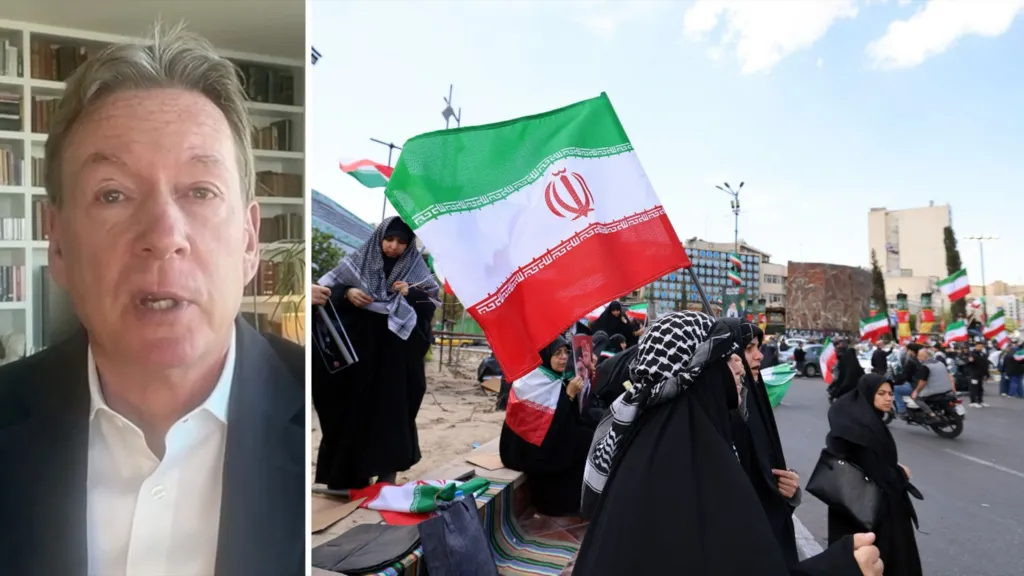
Iran directs vessels to follow new routes through the Strait of Hormuz to avoid possible sea‑mines, as part of a temporary two‑week cease‑fire arrangement.
New Navigation Guidance Issued by Iran
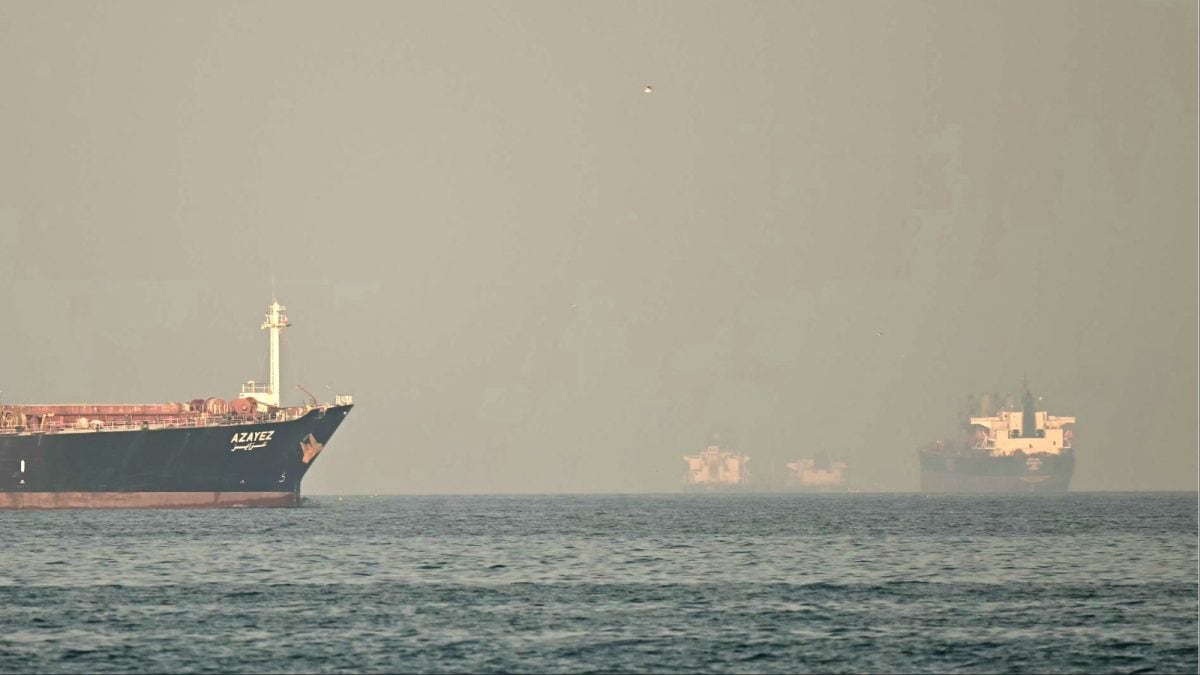
Iran has released official guidance indicating that all vessels planning to transit the Strait of Hormuz must employ alternate navigation pathways. The guidance emphasizes the need to steer clear of potential sea‑mines that could be present in the traditional shipping corridor, according to reports from AFP.
The advisory originates from the Islamic Revolutionary Guard Corps, which released a statement through local media channels. The statement explicitly instructs that compliance with maritime‑safety principles requires vessels to adopt the specified alternate routes, thereby reducing the likelihood of unintended contact with unexploded ordnance.
Details of the Alternate Entry and Exit Courses
The prescribed routes outline an entry point from the Sea of Oman that skirts the northern perimeter of Larak Island. Vessels following this path would then continue their progress into the Gulf region before completing the transit. For departure, the guidance advises ships to exit the Gulf by passing to the southern side of Larak Island before re‑entering the Sea of Oman.
These instructions aim to create a buffer zone that separates commercial traffic from any mines that may have been deployed in the conventional channel. The Islamic Revolutionary Guard Corps Navy has also called on captains and operators to maintain communication with its forces while navigating the revised passages, ensuring coordinated oversight and rapid response capability.
Background: Closure of the Strategic Passage
The decision to temporarily close the Strait of Hormuz originated as a direct reaction to Israeli strikes directed at Lebanon. Iran’s strategic decision to block the narrow maritime corridor was reported by Iranian state media and corroborated by AP.
Shutting the Strait of Hormuz impacted worldwide energy markets, prompting sharp fluctuations in oil prices and generating heightened geopolitical tension throughout the Middle East. The blockage underscored the strategic leverage that control over the Strait of Hormuz provides to Iran, especially amid the broader conflict involving Israel, the United States, and Iran‑backed armed entities.
During the period of blockage, the flow of crude oil—representing roughly one‑fifth of global oil shipments—was significantly disrupted. The restriction heightened concerns among international traders about the stability of supply lines and the potential for broader economic repercussions.
Cease‑Fire Framework and Ongoing Pressures
Amid escalating hostilities, a fragile cease‑fire arrangement was negotiated between Iran and the United States. The aGreement envisioned a temporary reopening of the Strait of Hormuz lasting roughly two weeks. However, the truce faced immediate strain as Israeli operations persisted in Lebanon.
Iranian President Masoud Pezeshkian articulated that halting Israeli attacks on Lebanon formed a central condition within Iran’s ten‑point proposal aimed at concluding the broader regional war. This stance was communicated in parallel with reports that Israel had launched its most intensive wave of strikes against Lebanon since the renewed fighting with Hezbollah, the Iran‑backed militant organization.
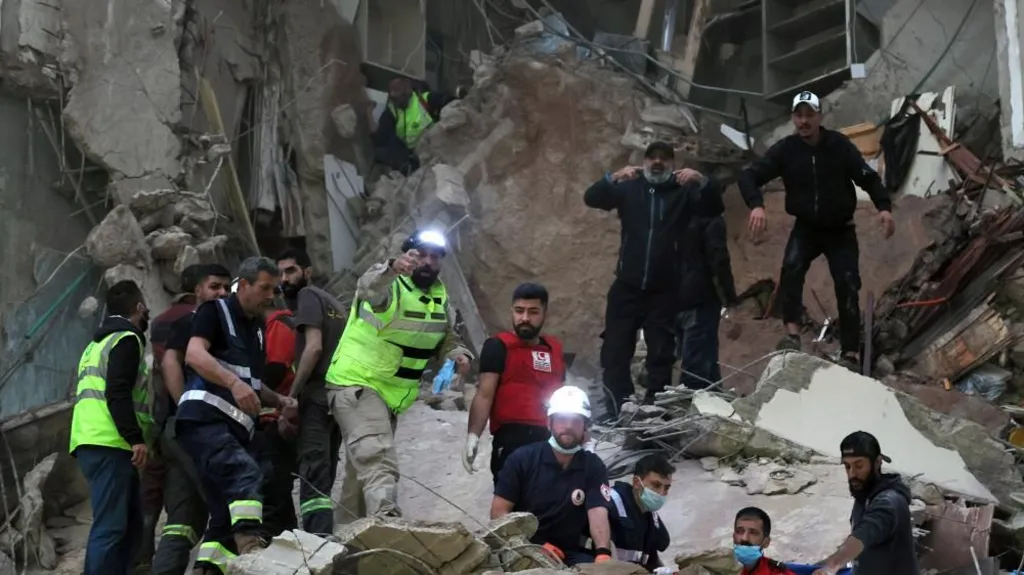
According to the Lebanese Health Ministry, the recent bombardment resulted in a substantial casualty count, with hundreds of individuals killed and many more injured. The evolving humanitarian situation amplified calls for the cease‑fire terms to be honored by all parties.
The United States, represented by Vice President JD Vance, maintained that the cease‑fire arrangement never encompassed Lebanon. JD Vance emphasized that any Iranian decision to abandon the negotiations over matters unrelated to the truce would represent Iran’s own choice.
Iranian parliamentary speaker Mohammad Bagher Ghalibaf warned that alleged violations of the cease‑fire framework could jeopardize the delicate negotiating process, asserting that the “workable basis on which to negotiate” had already been compromised.
Strategic Significance of the Strait of Hormuz
Strait of Hormuz remains one of the globe’s most strategically sensitive maritime corridors, responsible for channeling approximately one‑fifth of worldwide oil exports. The economic shock triggered by the earlier closure reverberated through global markets, driving energy prices upward and causing significant rerouting of merchant vessels.
Even with the temporary reopening under the cease‑fire terms, uncertainty persists regarding the safety of navigation. The potential presence of sea‑mines continues to pose a tangible risk, while the broader regional conflict maintains the possibility of further escalation.
Stakeholders across the shipping industry, energy sector, and diplomatic community are closely monitoring the implementation of the alternate routes. Successful coordination between vessel operators and the Islamic Revolutionary Guard Corps will be essential to ensure that commercial traffic can resume with reduced risk.