So, there I was, scrolling through my WhatsApp feed on a lazy Sunday morning, when a friend from Delhi pinged me with a link that read "Iran‑US talks in Pakistan". I thought, "What’s this about?" and clicked instantly. The video clip had a news anchor from a popular channel shouting about fresh diplomatic moves, and the background showed the bustling streets of Islamabad. It felt like one of those breaking news moments that you can’t ignore, especially when everyone in the group chat started sharing the same clip.
What caught people's attention was the fact that both Iran and the United States, long‑time rivals, were now sitting across a table in Pakistan. I remembered hearing about similar attempts a few years back, but this time it seemed a bit more personal almost like a neighbor stepping in to remind you of the noisy party next door.
How the US side is shaping up
According to a report I read on NPR, the White House has confirmed that US special envoy Steve Witkoff and President Donald Trump's son‑in‑law Jared Kushner are planning to travel to Pakistan on Saturday. The wording was a bit formal “planning to travel” but you could feel the urgency behind it. In most cases, such phrasing means the schedule is almost set, but the final go‑ahead can still be held up by a last‑minute phone call.
What’s interesting here is that the US is sending a blend of diplomatic and political heavyweights. Steve Witkoff, known for his behind‑the‑scenes negotiations, is the kind of guy you’d expect to sit quietly and draft notes, while Jared Kushner brings a more public‑facing, political angle. I remember my uncle, who works in the Ministry of External Affairs, saying that this mix usually signals a country wants both a solid deal and some political mileage back home.
Another tidbit that surprised many of us was that former US Vice‑President JD Vance, who led the first round of discussions, will not be part of the new delegation. The report said he is on “standby”. It sounded like a typical diplomatic way of saying, "We keep him ready, just in case something changes". For a regular citizen, it just adds another layer of intrigue will JD Vance step in if talks stall? That question lingered in the chat groups for a while.
Iran’s side: Abbas Araghchi lands in Islamabad
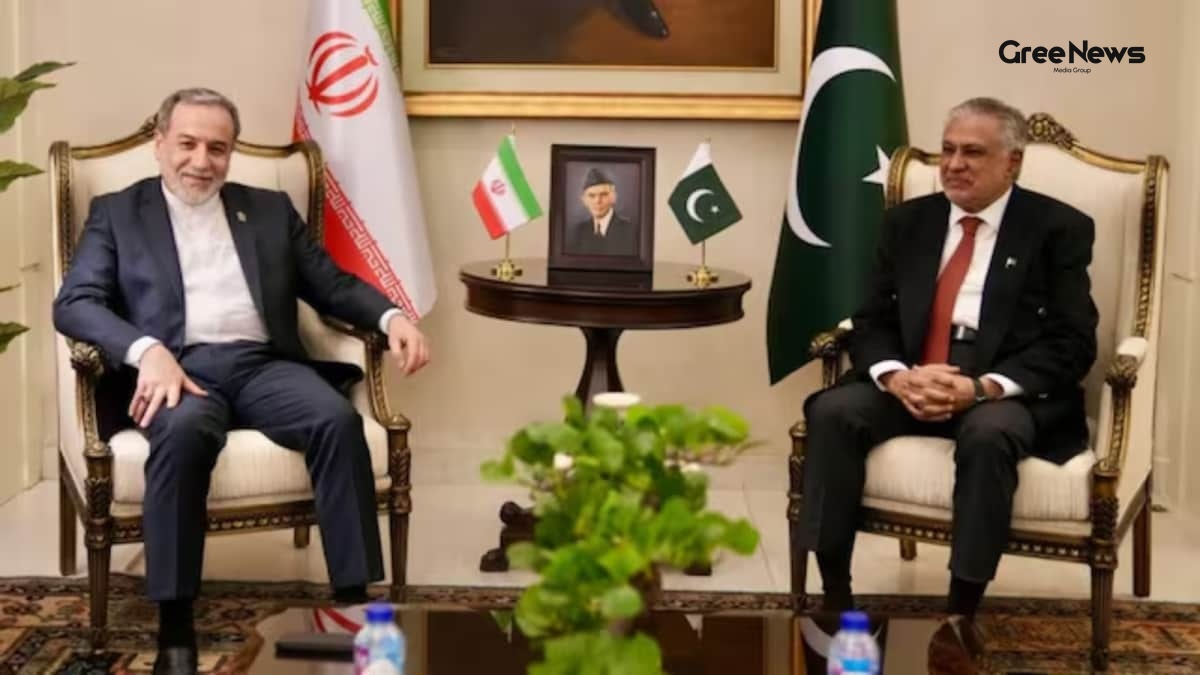
On the Iranian front, foreign minister Abbas Araghchi arrived in Islamabad on Friday. He was Greeted by Pakistani officials, including the country's top military officer, Field Marshal Asim Munir. The two met on Saturday, and the conversation reportedly covered a wide range of topics from security concerns to trade routes. I saw a short tweet from a Pakistani journalist that said the meeting was “constructive”, but didn’t go into details.
Araghchi’s spokesperson, Esmaeil Baqaei, later denied that a direct meeting with the United States was scheduled. That piece of information threw many of us off guard because the whole premise of the news was that both sides would finally sit face‑to‑face. It reminded me of those moments when a movie teases a showdown, but then the camera pulls back and you see it’s just a hallway conversation.
It’s worth noting that Abbas Araghchi’s arrival wasn’t the first time Pakistan played host to Iran‑US dialogue. Earlier this month, Pakistan had already facilitated some talks, albeit behind the scenes. The new round seems to be an attempt to revive stalled negotiations, but the lack of a clear US‑Iran direct meeting schedule suggests a cautious approach from Tehran.
Trump’s message “the clock is ticking”
Amid all this diplomatic shuffle, President Donald Trump took to his social media platform, Truth Social, and posted a rather stark warning to Iran. He said, "I have all the time in the world, but Iran doesn’t. The clock is ticking!" The post was short, but it carried a lot of weight. I remember scrolling through the comments and seeing a mix of aGreement, criticism, and a bunch of memes that tried to lighten the mood.
In a separate statement, Trump hinted that Iran would soon make an offer to the United States. He didn’t specify what that offer might be, just that he expected something "interesting". A day before that, he had mentioned that uncertainty surrounding Iran’s leadership was making the talks harder. If you ask anyone in a Delhi tea stall, they’ll tell you that these statements often feel like a chess player moving a pawn to see how the opponent reacts.
Adding to the tension, Trump earlier ordered the US Navy to target any Iranian vessel caught laying mines in the Strait of Hormuz. This chokepoint is crucial, handling nearly a fifth of the world’s oil and gas flow. The implication is clear: the US wants to keep the maritime routes tight, and any Iranian move could trigger a swift response. This kind of naval posturing is one of the reasons why the whole situation stays in the headlines of the latest news India and keeps the trending news India ticking.
What the buzz means for the region
For most of us on the ground, the big question is: how does all this affect everyday life? The answer isn’t straightforward. On one hand, a successful diplomatic breakthrough could mean more stability for trade routes, which directly influences the price of petrol at our local pumps. On the other hand, the continuing naval threats could raise insurance premiums for shipping companies, potentially pushing up the cost of imported goods.
From a geopolitical angle, Pakistan’s role as a mediator is fascinating. The country is trying to balance its ties with both Iran and the United States. I heard from a friend who works in the Karachi port that there’s a subtle optimism among the staff they hope the talks will lead to smoother operations in the Arabian Sea, which would benefit the local economy.
Overall, the progress remains slow and the atmosphere tense. The fact that both sides are sending senior envoys but still keeping some members on standby suggests that trust is still being built brick by brick. As I told my brother, who is a student of international relations, “If they can manage even a small concession, it could set a precedent for future dialogues.” In most cases, these small steps become the foundation for larger aGreements something we have seen in other global contexts as well.
Many people were surprised by how quickly some of the statements turned into viral news on social media platforms. The hashtags #IranUSTalks and #PakistanMediation started trending within hours, and you could see people from Mumbai to Chennai sharing their own analyses, often mixing facts with personal opinions. This kind of user‑generated discussion is exactly why the article feels more like a conversation than a formal report.
Looking ahead what might happen next?
What happened next is interesting because the next moves are still unclear. The US delegation Steve Witkoff and Jared Kushner are expected to land in Islamabad soon. If they meet directly with Abbas Araghchi, we might see a shift from these indirect talks to a more concrete dialogue. However, the fact that the spokesperson denied a direct US‑Iran meeting hints that there could still be a lot of back‑channel communication.
One possibility is that Iran does indeed make an offer, as Trump suggested. The content of that offer could range from a limited nuclear aGreement to a broader security pact. The other side could either accept, reject, or ask for modifications. In any case, the “clock” metaphor used by Trump adds a sense of urgency that could push both parties to at least outline a roadmap.
For ordinary citizens like me, the best outcome would be a reduction in naval tensions around the Strait of Hormuz. That would keep oil prices steady and lessen the anxiety that comes with hearing about potential blockades on the news channels. As someone who follows the latest news India every day, I’m hoping the diplomatic channel wins over the military one.
Until then, the story remains a live piece of breaking news, with every new statement adding another layer to the narrative. We’ll keep watching the updates, and as more India updates roll in, the picture will become clearer. Stay tuned because in the world of international diplomacy, the next twist could be just a phone call away.