So, I was actually standing right there in Chowringhee, the breath of Kolkata buzzing with the usual honking, chai stalls, and a crowd that could rival any cricket stadium. You know how the city feels during an election? The air feels electric, the street vendors shouting deals, and somewhere in the background you can hear a bangla song playing over the PA. That day, the vibe was different it was *breaking news* kind of intense. I could feel the pulse of the crowd, a mix of excitement and a bit of nerves, because the West Bengal assembly results had just come in, and Mamata Banerjee, the state’s chief minister, was about to take the stage.
When Mamata stepped up, the whole area seemed to hold its breath. She looked straight at the sea of people, her eyes flashing the kind of determination you only see in the most dramatic Bollywood climax scenes. And then she started talking, not just about the victory which the state had already celebrated with a record 91.83 per cent voter turnout but about what comes next. She said she wants to "conquer" Delhi. Yes, you read that right the capital city where the BJP has its stronghold.
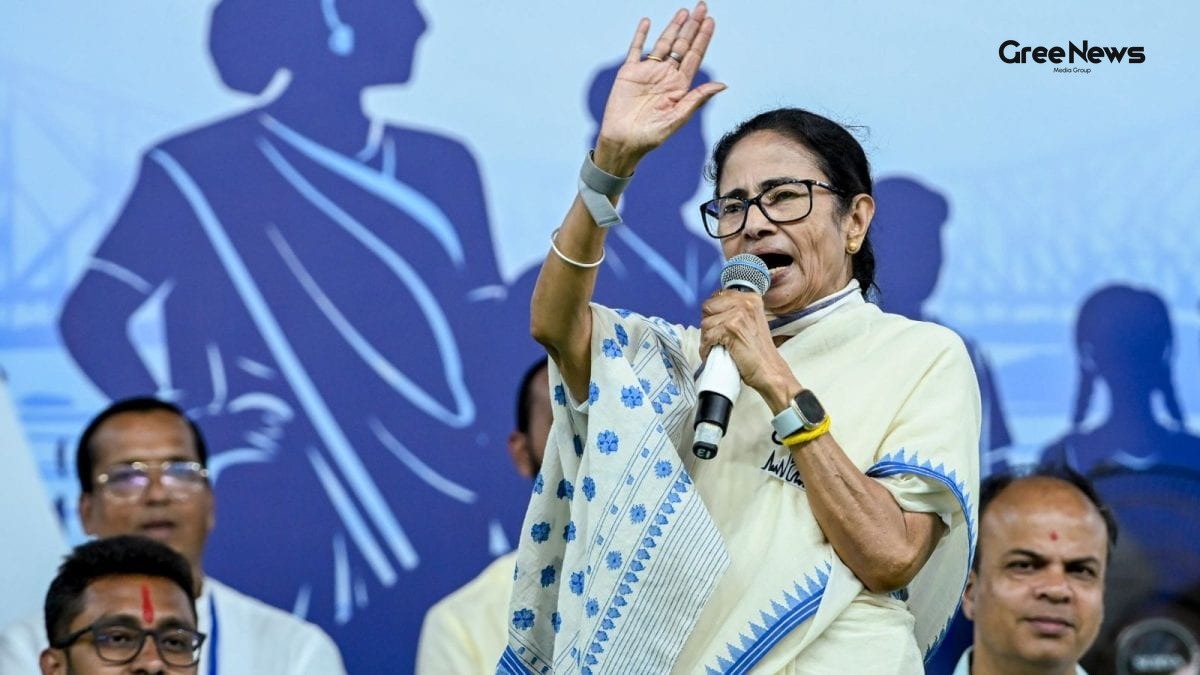
Now, let me tell you she didn’t just throw a generic promise out there. She went on to accuse the BJP of using brokers, saying she has literally noted down the names of every person acting as a broker for the party from A to Z, even their home locations. "So you think you can keep tabs on us?" she asked the crowd, and you could feel the echo of those words reverberate through the streets. It was like she had a list in her mind, a watch‑list, and she was daring the saffron party to try and hide.
What made the whole thing even more interesting was that she claimed to have studied the families of those who were inducted into the BJP, and that the appointments were based on that very criterion. In simple terms, she was saying the BJP had a very meticulous, almost conspiratorial method of picking its players. This caught people's attention I could see heads nodding, some murmuring in Bengali, others whistling, as if they were hearing a secret that was finally being aired out loud.
She then turned to a more personal note, reminding everyone that she was born in Bengal and she will breathe her last there. "I will conquer Delhi, rest assured of that, once I have secured victory in Bengal," she announced, adding that she would rally all political parties together. It felt like a plot twist in a movie where the hero declares they’ll unite the allies for a final showdown.
What happened next is interesting: the crowd erupted. You could see a mixture of chants "Mamata, Mamata!" and a few skeptical faces. Some people started comparing her statement with past political promises. You know those moments when everyone’s thinking, "Will she really be able to beat the BJP in Delhi?" The idea itself started trending across chats, WhatsApp groups, and even on social media, instantly becoming *viral news*.
As she wrapped up, Mamata said she wasn’t chasing power for its own sake. "I do not covet the seat of power; what I desire is the complete dismantling of the BJP in Delhi," she said. That's a strong line you can feel the intensity in the way she delivered it. Her statement was not just about winning an election; it was about dismantling a party she sees as a threat to justice.
Now, from a personal perspective, being there gave me a front‑row seat to what could become one of the biggest political shifts in *latest news India*. The phase I polling had already taken place, and the counting was set for a later date the whole scenario felt like a live documentary. The crowd’s reaction was a mix of hope, fear, and sheer excitement. I could see senior party workers with their heads bowed in prayer, youngsters waving flags, and even a few journalists trying to capture the moment on their phones, all while the city’s traffic paused momentarily for this political spectacle.
One thing that stood out was how Mamata positioned herself against any notion that the BJP could defeat her. She said, "Remember this, you (BJP) do not possess the capability to defeat us. We fight against injustice; we fight for our rights." It was as if she was issuing a challenge straight from the streets of Kolkata to the corridors of power in New Delhi. That line has already been quoted countless times across platforms, turning into a meme that’s being shared as *trending news India*.
There’s also the practical side of her plan. She wants to bring all political parties together to push out the BJP from the capital. You could sense that she’s looking beyond just the Aam Aadmi Party or the Congress; she might even be eyeing regional parties that have a foothold in Delhi. It’s a classic coalition strategy that’s been part of Indian politics for decades, but the way she phrased it made it feel fresh almost like she’s reinventing the wheel.
The announcement also indirectly hinted at the upcoming second phase of polls in the Kolkata constituencies, which are set to go on a later date. The Chowringhee seat and other areas will see a fresh wave of campaigning, and this rally has definitely added fuel to the fire for political parties gearing up for that fight.
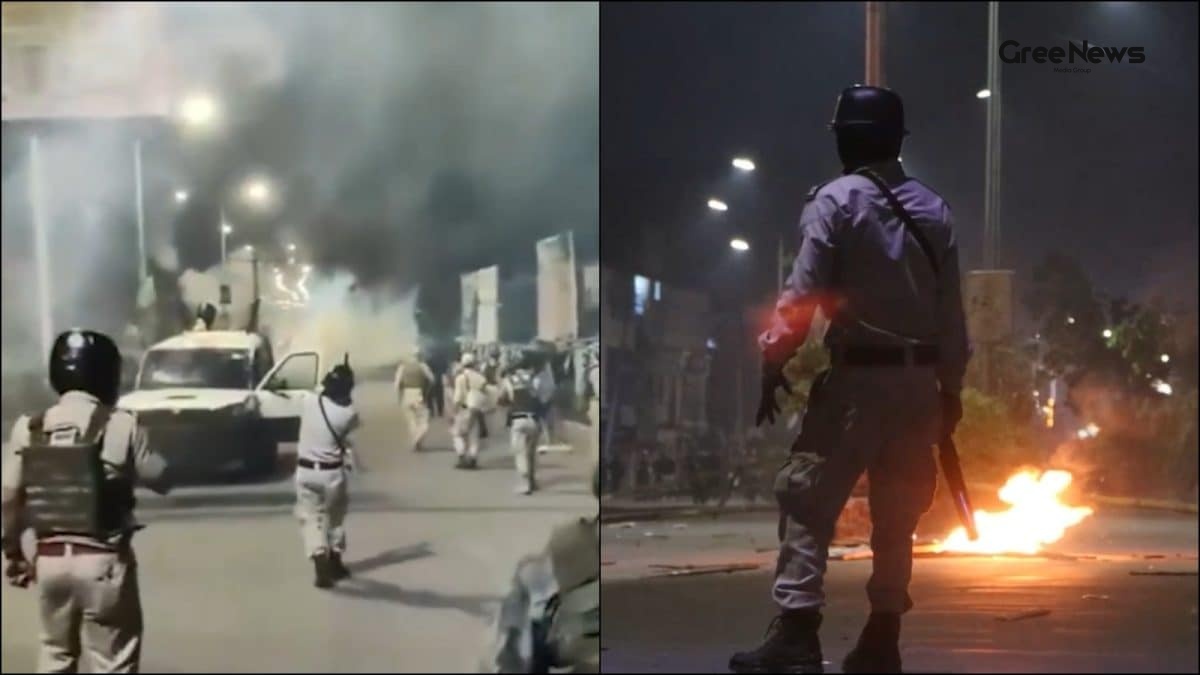
From where I was standing, I could see the police keeping a watchful eye, the media vans parked strategically, and a handful of hecklers trying to shout dissent. Yet, the overall mood was overwhelmingly supportive. People believed that Mamata’s determination could shake the status quo. Whether it’s a realistic political strategy or a bold statement, you could feel the *India updates* vibe the nation holding its breath, waiting to see if the claim to "conquer" Delhi will become a reality or remain a powerful political slogan.
One more thing that caught my attention the way she described the BJP’s selection process, talking about family backgrounds, reminded many of us back home why we often distrust political appointments. In most cases, people feel that nepotism is a big hurdle in Indian politics, and Mamata’s emphasis on that seemed to strike a chord. It also sparked a lot of online debate about whether such a list actually exists or is just a rhetorical device to rally her base.
After the rally, the streets of Kolkata filled with chatter. Street vendors started quoting her lines while serving tea, and even the auto‑rickshaw drivers were discussing the possible impact on Delhi’s elections. You could hear snippets like, "If she really goes to Delhi, what will happen to the PM?" and "Will the BJP try to counter this with a similar promise?" The speculation turned the rally into not just a local event but a piece of *viral news* that quickly spread across the country.
In hindsight, the whole episode is a fascinating case study on how Indian politicians use mass rallies to shape narratives. Mamata Banerjee’s bold claim “I will conquer Delhi” has become a talking point in every political talk‑show, every group chat, and even among my cousins who live in Mumbai. Whether you’re a staunch supporter, a critic of the BJP, or just an observer of Indian politics, it’s impossible to ignore the sheer energy and the strategic messaging that went into that speech.
So, if you’re following *breaking news* about Indian politics, keep an eye on how this story unfolds. The next few weeks will tell us whether Mamata can turn her bold vision into an electoral reality, or if it remains a powerful slogan that fuels the fire of political competition. Either way, this moment will be recorded as one of those rare times when a regional leader openly declared her intent to take on the center, and that’s something that will stay in the memory of anyone who was there, like me, and anyone who reads about it later.