The unprecedented surge in voter participation has been largely attributed by many analysts to the ‘Vijay Factor’
Let me tell you how I felt on the morning of the polls. The sun was already blazing, yet streets in Chennai, Coimbatore and even the small villages of Salem were buzzing like a festive market. I joined a long queue at a local school‑turned‑polling‑station with my neighbours, cousins and a few strangers who became friends over the shared excitement. When I looked around, I could see faces of every age from teenagers in school uniforms to grand‑parents clutching their voter cards. It felt like we were part of the latest news India was writing, a real‑time drama that nobody wanted to miss. The turnout, officially recorded at 84.69%, broke the previous record of 78.29% set back in 2011 and instantly became trending news India across social platforms.
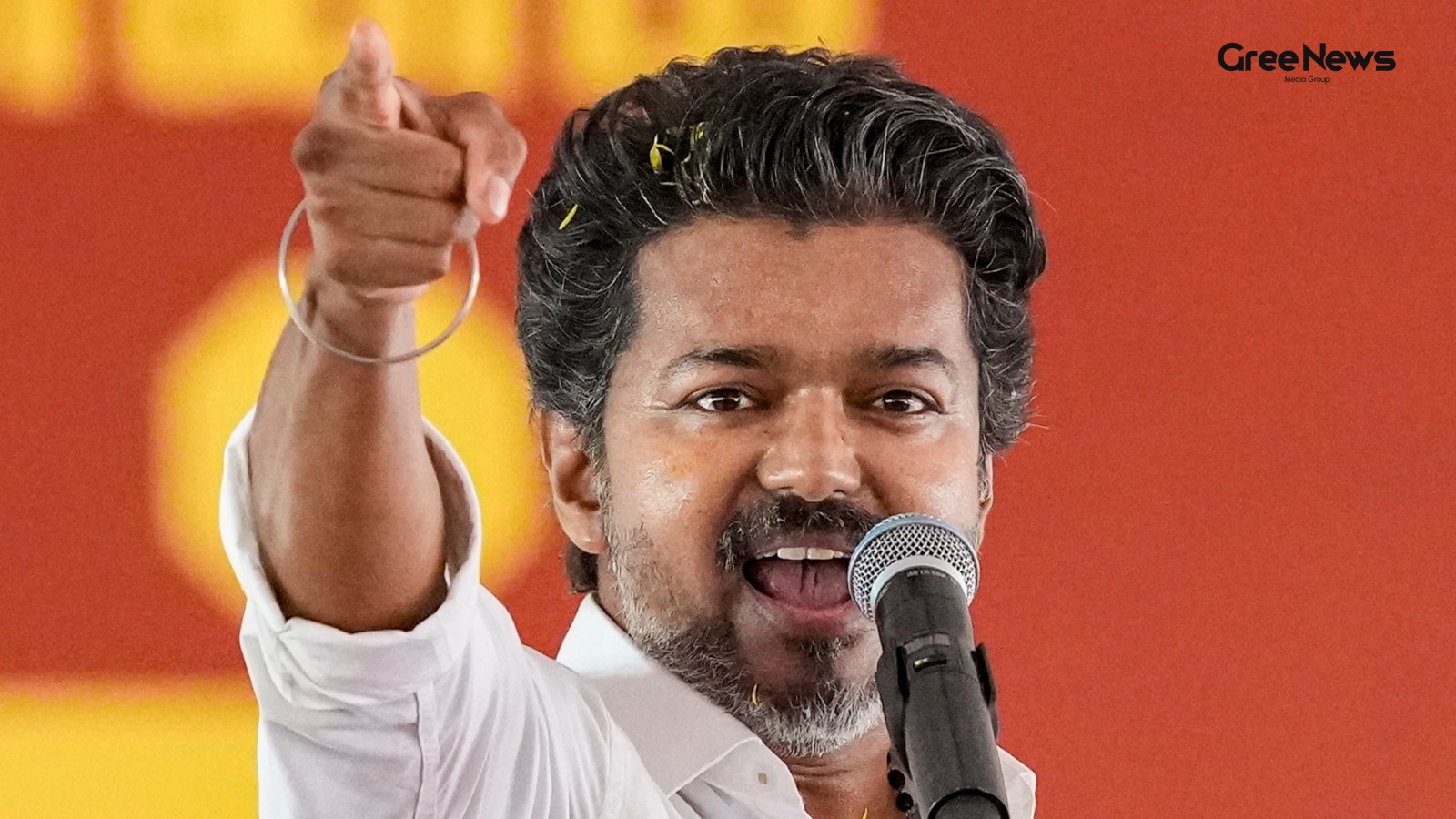
What made this surge truly fascinating was the chatter that kept bubbling up: “the Vijay factor”. Everywhere I turned, people were talking about C Joseph Vijay, the film star turned politician, and his new party Tamilaga Vettri Kazhagam (TVK). You could feel the energy of a viral news story turning into a lived reality at every polling booth.
Did ‘Thalapathy’ Vijay trigger the record‑breaking turnout?
My curiosity grew when I read about C Joseph Vijay deciding to contest from two constituencies Perambur and Trichy East under the so‑called “whistle” symbol. It was as if a blockbuster movie had announced a double‑feature release, and the whole state lined up for the premiere. On the ground, the “Vijay effect” was palpable. First‑time voters, especially those who had just turned 18 and were registered for this election, seemed to be flocking to the booths just to get a glimpse of the star’s name on the ballot.
Political analysts say C Joseph Vijay’s solo campaign focused on youth welfare, drug eradication and financial assistance for women. In my conversation with a group of college students at a tea stall, they told me how a simple poster of C Joseph Vijay promising monthly scholarships for graduates had become a talking point in their hostel rooms. Many of them said they had never voted before, but the promise of a better future and the chance to support “Thalapathy” pushed them to register and finally cast their vote.
What happened next is interesting: C Joseph Vijay refused all alliances, positioning himself as the only “pure force” against the established “evil forces”. This bold stance turned his cinematic fan base into a political army, and I could see that energy reflected in the long lines that stretched beyond the school’s playground. It was a clear sign that a star’s charisma could translate into real political mobilisation.
How did the first‑time voter demographic shift the scales?
If you ask any of the women who were waiting in line with their teenage daughters, they’ll tell you that they felt a renewed sense of responsibility. For the first time in Tamil Nadu’s electoral history, women out‑polled men a provisional 85.76% turnout for women versus 83.57% for men. I remember a lady from my neighbourhood, Mrs. Rani, who said she was proud to be part of what she called “the women’s wave”. She added that she had voted in every election since she turned 21, but this time she felt a special urge to support the promises made by Tamilaga Vettri Kazhagam on women’s welfare.
Another striking detail was the sheer number of first‑time voters roughly 1.5 million across the state. I saw young men and women walking together, some chanting slogans of C Joseph Vijay, others simply looking around with awe at the massive turnout. The Election Commission even reported a participation of over 60% from the third‑gender community, a figure that made headlines as a piece of breaking news India was eager to highlight.
These numbers created what many are calling a “bottleneck” effect at the polling stations. I recall a friend from Trichy who told me about the traffic jam that formed on the highway leading to his village, with people travelling from neighboring districts just to cast their vote. In some rural strongholds like Salem and Dharmapuri, the turnout touched 88%, showing that the “Vijay factor” wasn’t limited to urban cinema‑loving crowds but spread deep into the agrarian heartland.
What were the key friction points on polling day?
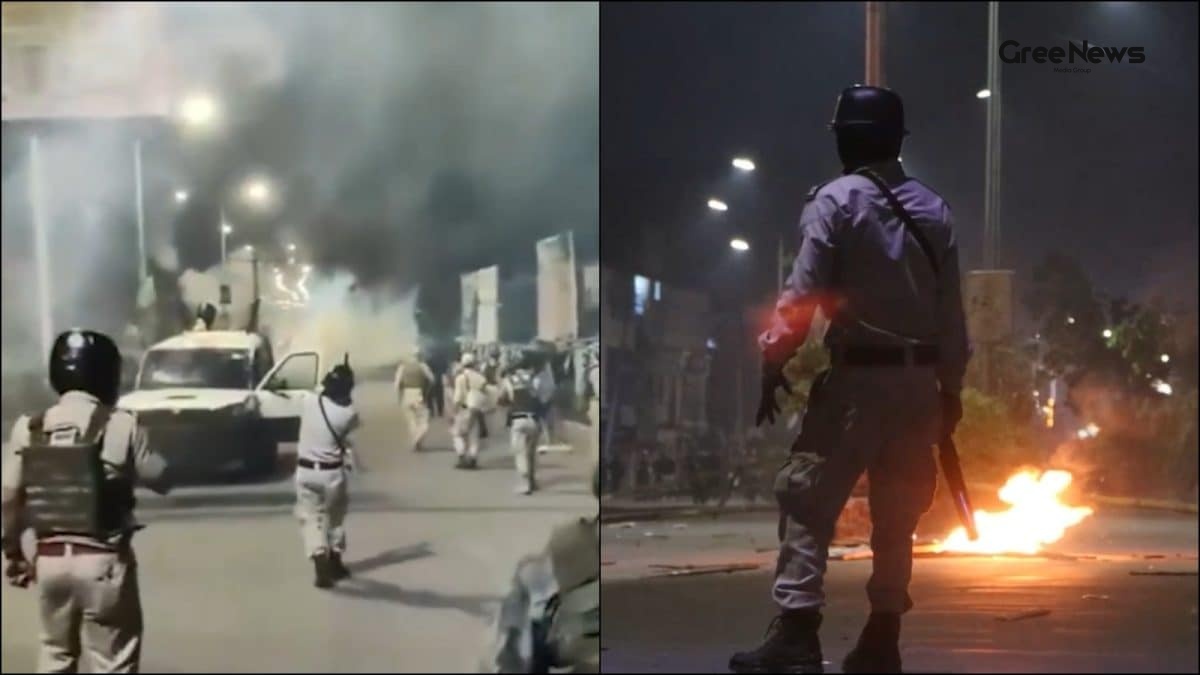
The atmosphere was festive, but it wasn’t without its heated moments. In Chennai’s Harbour constituency, a scuffle erupted between Minister PK Sekar of the DMK and the TVK candidate Ashok. I was watching the live stream on my phone when both sides shouted accusations of booth rigging. It was one of those moments that made the whole election feel like a dramatic thriller the kind of breaking news India newsrooms replayed over and over.
Adding to the tension was the memory of the tragic 2025 Karur stampede, a disaster that had once triggered a CBI investigation into C Joseph Vijay’s campaign. Yet, instead of dampening spirits, TVK supporters turned the incident into a rallying cry, claiming it was an attempt by the “establishment” to suppress a rising voice. I heard this narrative echoed in a bustling market in Trichy, where vendors were handing out tea and discussing how the incident actually galvanized the youth vote during the final hours of campaigning.
Despite these confrontations, the overall vibe across most polling booths remained calm and orderly. Security personnel, many of whom were also first‑time voters, were seen guiding people and ensuring that the long lines moved smoothly. The whole day felt like a live, ongoing story a piece of trending news India that kept pulling people back to the same conversations.
Can the record turnout break the Dravidian duopoly?
Now that the Electronic Voting Machines are sealed and the counting day is set for May 4, the biggest question on everyone’s mind is whether this massive participation translates into a real shift in power. The BJP has tried to claim the surge as evidence of its growing ideological influence, but most observers on the ground including myself feel that the youth and women voters are the real drivers of this democratic wave.
If Tamilaga Vettri Kazhagam manages to convert its high‑decibel campaign into a vote share of 1520%, as early projections suggest, it could become the first serious third‑force challenge to the DMK‑AIADMK duopoly. Many people were surprised by this possibility, especially those who had assumed that Tamil Nadu politics would forever remain a two‑party contest.
For me, watching the crowds and hearing the chants of “Thalapathy” felt like being part of a cinematic climax that is yet to be resolved. The turnout has already delivered a dramatic opening the real climax, whether it brings C Joseph Vijay into the Chief Minister’s seat or simply reshapes the political narrative, will only be revealed once the votes are counted. Until then, we remain part of a story that has become viral news across the nation, a tale where cinema meets politics in a way that only Tamil Nadu can produce.
What I take away from this experience is that when a star decides to step onto the political stage, the ripple effect can be massive, turning ordinary citizens into enthusiastic participants. Whether the record turnout will finally break the Dravidian duopoly or simply reinforce it, the fact remains the people of Tamil Nadu have spoken louder than ever before, and that in itself is a win for democracy.