Over 40,000 Noida factory workers protested wage disparity after Haryana hike, unrest hit 80 sites, vehicles torched, police used tear gas, about 300 arrested and 100 detained.
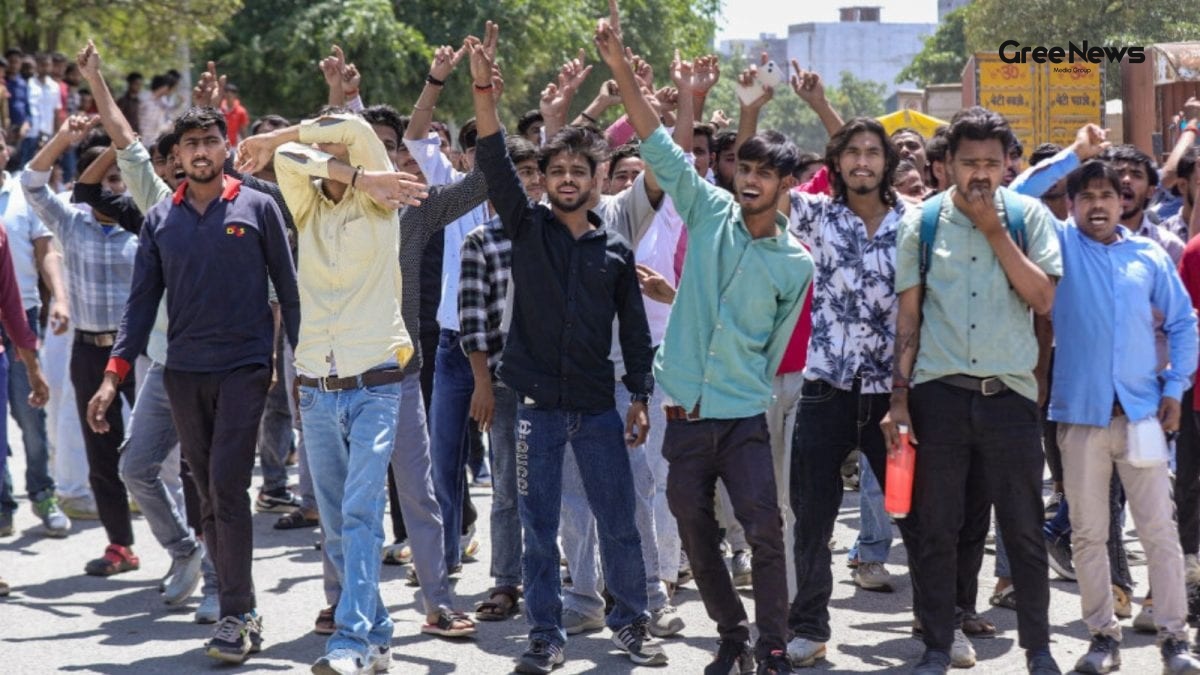
Okay, let me tell you what went down in Noida last week it felt like a scene straight out of a movie, but it was real, raw and a bit terrifying. I was on my way to pick up a parcel from a nearby logistics hub when I saw a massive crowd of workers, all wearing orange caps, chanting for higher wages. The vibe was electric, almost like a festival, but then the atmosphere shifted. Suddenly, you could hear sirens, see tear‑gas canisters being fired, and hear the crackle of flames as a few vehicles were set alight. It was one of those moments where you realise how quickly a peaceful protest can turn into a chaotic street battle. If you follow the latest news India, you would have seen the breaking news alerts pop up on your phone about the Noida unrest.
What sparked the protest?
It all started because the Haryana government decided to raise the minimum wage by a whopping 35 %. That news travelled fast, especially among the workers in neighbouring Noida, which is basically a twin city when it comes to manufacturing. Folks there started asking, “Why are we still getting the same old pay while our neighbours enjoy a big hike?” The feeling was similar to when you hear that your friend got a promotion and a pay rise, but you are still stuck at the same salary. I remember chatting with Ramesh, a line supervisor at a garment unit, who told me he was earning around Rs 12,000 a month for 12‑hour shifts. He said, ‘If we match Haryana’s new rates, we could at least reach Rs 20,000‑25,000, which is what we need to survive the rise in food prices.’ That simple demand of parity turned into a rally that soon gathered tens of thousands of workers.
Why the workers felt the pay gap was unfair
Many of these workers claim they are putting in long, exhausting hours often 12 hours a day, six days a week yet their take‑home is just Rs 11,000‑15,000. In most cases, the companies have a contract that says they will follow the central minimum wage guidelines, but the ground reality is quite different. Some workers said they were forced to sign up for double shifts, but were paid only for one. It reminded me of those neighbourhood tea stalls where you order a “large” but end up with a cup that’s half‑filled. The frustration was palpable. A few of the protestors demanded that wages be bumped up to at least Rs 20,000‑25,000, highlighting the rising cost of groceries, fuel, and even school fees. It was a classic case of “cost of living” discussion becoming a battlefield, and the sentiment quickly turned into a collective demand for fairness.
How things went from peaceful to violent
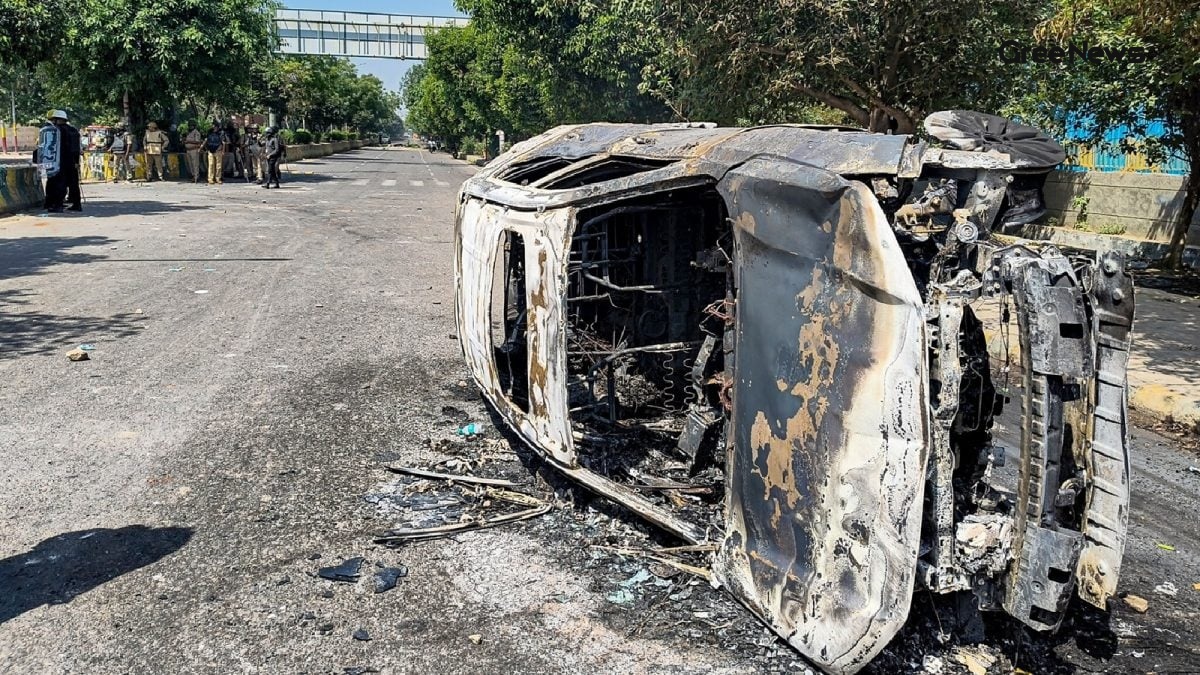
Initially, the workers were just blocking a few entry points, chanting and waving placards. I was standing near Phase‑2 and could see a line of workers holding banners that read “Equal Pay Now”. But within an hour, things started to shift. In Sector 63, a small group broke away and started throwing stones at police barricades. The police responded with tear‑gas shells, and the crowd got louder, angrier. Some people, probably agitated by the heat and the tear‑gas, began setting parked vehicles on fire. I saw a white sedan burst into flames, the orange glow lighting up the night sky it felt like a scene from a thriller. The smell of burning rubber mixed with the acrid smell of tear‑gas made the air almost un‑breathable. It was a stark reminder that once emotions run high, it’s easy for things to spiral out of control.
Police response and the number of arrests
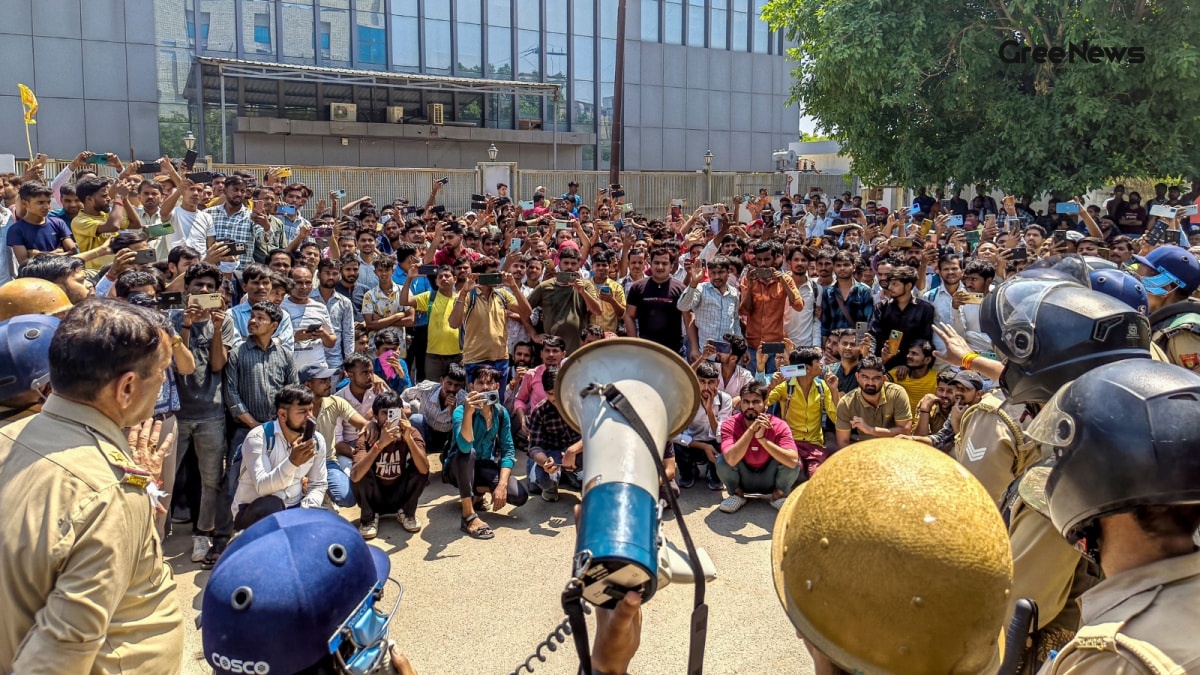
The police quickly ramped up their presence, bringing in backup forces, crowd‑control vehicles and a volley of tear‑gas. They also used water cannons in some pockets where the fire turned dangerously close to nearby warehouses. In the aftermath, officials confirmed that around three‑hundred people were arrested for arson, vandalism, and rioting. Over a hundred more were detained for questioning. The authorities are now combing through CCTV footage from the industrial areas to identify anyone else who might have been involved. It’s a massive operation you could feel the police scanners buzzing in the background, announcing “Arrest made, move to the station”. If you follow trending news India today, you’ll see the numbers updated frequently, showing the scale of the crackdown.
Alleged Pakistan link under investigation
Amidst the chaos, another layer of intrigue unfolded. The Labour Minister, Anil Rajbhar, hinted that some of the agitators might have been outsiders trying to stir trouble, and he specifically mentioned a possible Pakistan link. The claim was based on intelligence inputs that a few people from outside the district had arrived just before the protests flared up, allegedly with the intention of inciting violence. This added a political flavor to the whole episode, and the media quickly ran with headlines like ‘Pakistan link under probe’. Many locals were surprised after all, this is a labour issue, not a cross‑border security matter. Still, the investigation is ongoing and the police have not ruled out any angles yet.
Government’s wage revision after the protest
Just a day after the protests, the Uttar Pradesh government announced that it had already revised the wage structure, effective from the beginning of the month. The new rates set unskilled workers at Rs 13,690 per month, while semi‑skilled and skilled workers would receive higher wages. The announcement seemed like a quick appeasement move to calm the situation, but many workers felt it was still short of what they were demanding. Still, it is a step forward and shows that the protest did force the authorities to act something that became evident from the early hours of the day when the protest started.
Current status and the road ahead
By the evening, the police had managed to bring the situation under control. Heavy deployment continues in sensitive areas, and a special committee headed by Chief Minister Yogi Adityanath has been formed to address the workers’ grievances. The committee is supposed to meet the representatives of the labour unions and discuss the wage issue in depth. The authorities have also urged people to avoid spreading rumors, hoping that misinformation does not reignite tensions. If the situation stays calm, it could become a case study of how a large‑scale wage protest can be managed without further violence.
Political reactions and public opinion
Political leaders on both sides weighed in. The Chief Minister appealed for calm, warning that there were elements trying to create unrest. He stressed that the government stands with both the industrialists and the workers, aiming for a balanced approach. On the other hand, opposition leader Akhilesh Yadav slammed the government, saying the policies were inadequate and had triggered the unrest. Social media users, especially on platforms like Twitter and Instagram, shared videos and memes, making the story go viral truly a piece of viral news that dominated the feed for days. Many citizens expressed empathy for the workers, citing the steep rise in living costs, while others were concerned about the safety of the industrial zones.
My personal take on the whole episode
Watching all this unfold, I felt a mix of anger, sadness, and a strange sort of admiration. On one hand, it’s heartbreaking to see people forced to risk their safety for a decent wage I remember my dad once saying that a salary should at least cover the basic needs without making you think about borrowing money every month. On the other hand, the violence and the destruction of property were unsettling. It reminded me of the 2016 Delhi protests, where similar patterns emerged: a legitimate demand escalated into chaos because the authorities were caught off‑guard. In most cases, the root cause is understandable workers need a living wage, and the government’s job is to ensure that. What everyone hopes for now is a peaceful resolution, where the workers get fair wages and the industry can continue without the fear of another flare‑up.
Why this matters for the larger Indian workforce
India’s manufacturing sector employs millions, and wage disparities between states can become a tinderbox if not addressed. The Noida protest highlights a larger issue: when one state raises its minimum wage significantly, neighbouring states feel the pressure to follow suit, or they risk labour unrest. This is especially true in the current economic climate where inflation is high and the cost of living keeps climbing. The incident is now featured in trending news India, and it’s becoming a reference point for policymakers, labour unions, and even investors who are watching how the government handles such large‑scale protests.