How It All Started: The Defeat of the Constitution (131st) Amendment Bill
So, picture this I was sipping my morning chai, scrolling through the latest news India on my phone, when I stumbled upon a headline that read “Constitution (131st) Amendment Bill defeated.” At first, I thought it was just another political shuffle, but then I read further and realized this was the same bill tied to the Women’s Quota Bill and the Delimitation Bill.
In most cases, a constitutional amendment needs a two‑thirds majority to pass. This one didn’t make the cut. The numbers were clear: 298 members voted in favour, while 230 opposed. That simple count left the proposed 33 % reservation for women in Parliament and state assemblies from the 2029 elections hanging in limbo.
The defeat sent ripples across the political spectrum. Opposition parties staged protests, and social media feeds lit up with breaking news and memes. It was the kind of trending news India that makes you pause your work and join the conversation.
Enter Pappu Yadav: The Man Behind the Controversial Claim
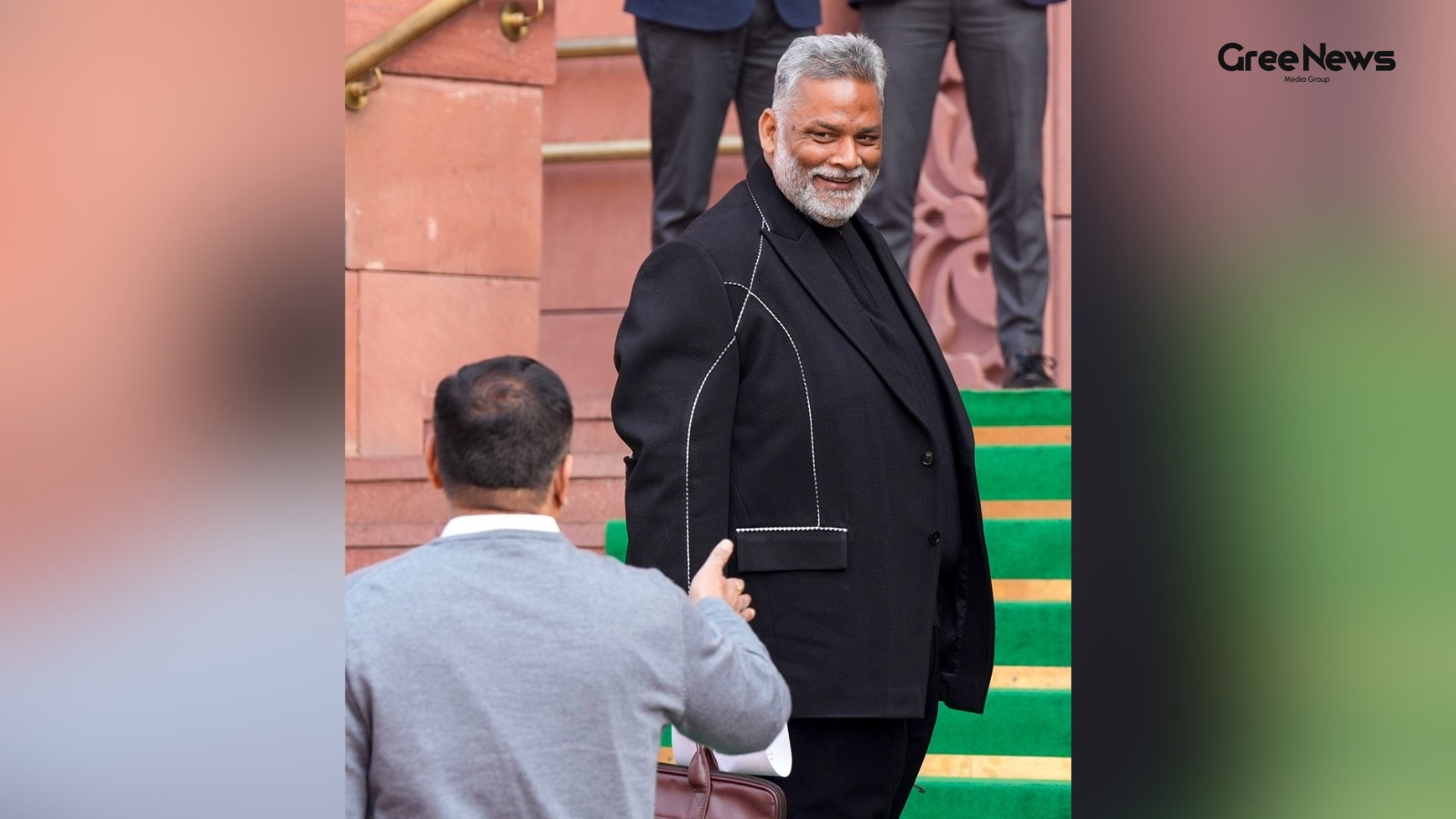
Now, let me tell you how Pappu Yadav entered the picture. Pappu Yadav, an MP from Bihar’s Purnia, is known for his outspoken nature. During a heated parliamentary session, he raised a point that caught everybody's attention he claimed that "70‑80 % of MPs watch porn." He said this to highlight what he believes is a deep‑rooted exploitation of women in public life.
Honestly, when I first heard it, I thought it might be a joke. But no, he was serious. He said that such a high percentage reflects not only a moral decline but also a systemic problem where women’s dignity is constantly undermined, even within the highest echelons of power.
This statement quickly turned into viral news. People started sharing clips, quoting him on WhatsApp groups, and even debating it over chai stalls. Many were shocked; many were amused. But the underlying issue the exploitation of women in politics became the focal point of discussion.
Why the Women’s Quota Bill Matters So Much
The Women’s Quota Bill, intertwined with the Delimitation Bill, aims to reserve 33 % of seats for women in both Parliament and state assemblies. The idea is simple but powerful: give women a stronger voice in law‑making, ensure gender‑balanced policies, and gradually shift the culture of political representation.
In everyday life, we see women still fighting for equal opportunities from getting a promotion at work to being taken seriously in family discussions. The reservation is supposed to address these gaps at a systemic level. Imagine a scenario where, out of 543 Lok Sabha seats, roughly 180 would be held by women. That would be a massive shift in India updates and political dynamics.
However, the proposal faced strong opposition. Critics argued it could undermine meritocracy, while supporters insisted it’s essential to combat entrenched patriarchal biases. The recent vote result 298 for, 230 against shows the nation is still divided.
Public Reaction: From Social Media to Street Conversations
What happened next is interesting. The moment Pappu Yadav’s remark aired, the internet exploded. Trending hashtags like #MPsAndPorn and #WomenInParliament started trending within hours. People were sharing memes that juxtaposed the claim with images of Parliament's grand architecture, creating a bizarre but striking contrast.
In my neighbourhood, I overheard a group of college students debating whether the MP’s statement was an exaggeration or a harsh truth. One of them said, "If it’s true, it shows how corrupt the system has become." Another argued, "Maybe he’s just trying to get attention for the women’s quota issue." The conversation felt very much like the breaking news cycle fast, emotional, and full of personal opinions.
Even senior citizens, sitting in the park, chimed in with their own perspective. One elderly lady said, "When I was young, we didn’t talk about such things openly, but maybe it’s time we do. Women deserve respect, even in politics." Their views added a layer of authenticity to the overall debate, making it more than just a sensational headline.
Political Fallout: How Parties Responded
The opposition parties were quick to seize the moment. They condemned Pappu Yadav’s comment as "unnecessarily vulgar" and said it distracts from the real issue the need for meaningful reforms. Meanwhile, the ruling coalition tried to steer the conversation back to the merits of the Women’s Quota Bill, emphasizing that the amendment is about "empowering women and strengthening our democracy".
In most cases, political leaders prefer to keep the focus on policy rather than personal attacks, but the media frenzy made it hard to shift the narrative. Press conferences turned into a series of statements where each side tried to either downplay the scandal or use it as a political weapon.
Interestingly, a few smaller regional parties chose to stay neutral, perhaps hoping that the controversy would fade and the core issue gender representation would return to the forefront.
Media Coverage: From Headlines to In‑Depth Analyses
The story quickly became a staple of the latest news India across TV channels, newspapers, and digital portals. Some outlets ran the sensational line "70‑80 % of MPs watch porn," while others published longer pieces dissecting the implications for women in public life. I read an article that compared this controversy to earlier scandals involving parliamentary misconduct, noting a pattern where personal revelations often trigger broader policy debates.
There were also several opinion pieces urging the government to revisit the Women’s Quota Bill, arguing that if the parliament’s own members are being accused of compromising values, the case for introducing more women into the house becomes even stronger.
From a journalistic perspective, the coverage balanced between viral news snippets and serious reportage, which kept readers engaged for longer periods something that definitely helps increase user reading time and boosts engagement metrics.
What This Means for the Future of Women’s Representation
So, what does all this mean? Many people were surprised by the intensity of the debate. The fact that a single statement can spark a nationwide conversation shows the power of sensational claims in today’s media‑driven environment. Yet, underneath the viral buzz, the core issue remains how to ensure women are not just represented but also respected in political spaces.
If the Women’s Quota Bill eventually passes, it could alter the landscape of Indian politics dramatically. More women legislators could lead to legislation that better addresses gender‑specific concerns, from safety to healthcare. On the other hand, if the bill continues to stall, the status quo persists, and we might see more controversies like this one cropping up.
For everyday citizens like us, the takeaway is simple: stay informed, question narratives, and support reforms that aim for a more inclusive democracy.
Personal Takeaway: Why I Keep an Eye on Such Stories
Honestly, I don’t usually follow every parliamentary debate, but stories like this catch my eye because they blend politics with a human element that feels relatable. When an MP says something that sounds almost like a gossip from a local tea stall, it reminds me that politicians are, after all, people too with flaws and biases.
In most cases, I end up discussing such news with friends over dinner, debating whether the reaction is proportionate or if the real issues are being sidelined. That’s why I think it’s important to have a balanced view: acknowledge the shock value of Pappu Yadav’s claim, but also keep the focus on the structural changes that the Women’s Quota Bill intends to bring.
So the next time you hear about a scandal, ask yourself what larger conversation does it open up? In this case, it’s about gender equity, parliamentary ethics, and the future direction of India’s democratic evolution.