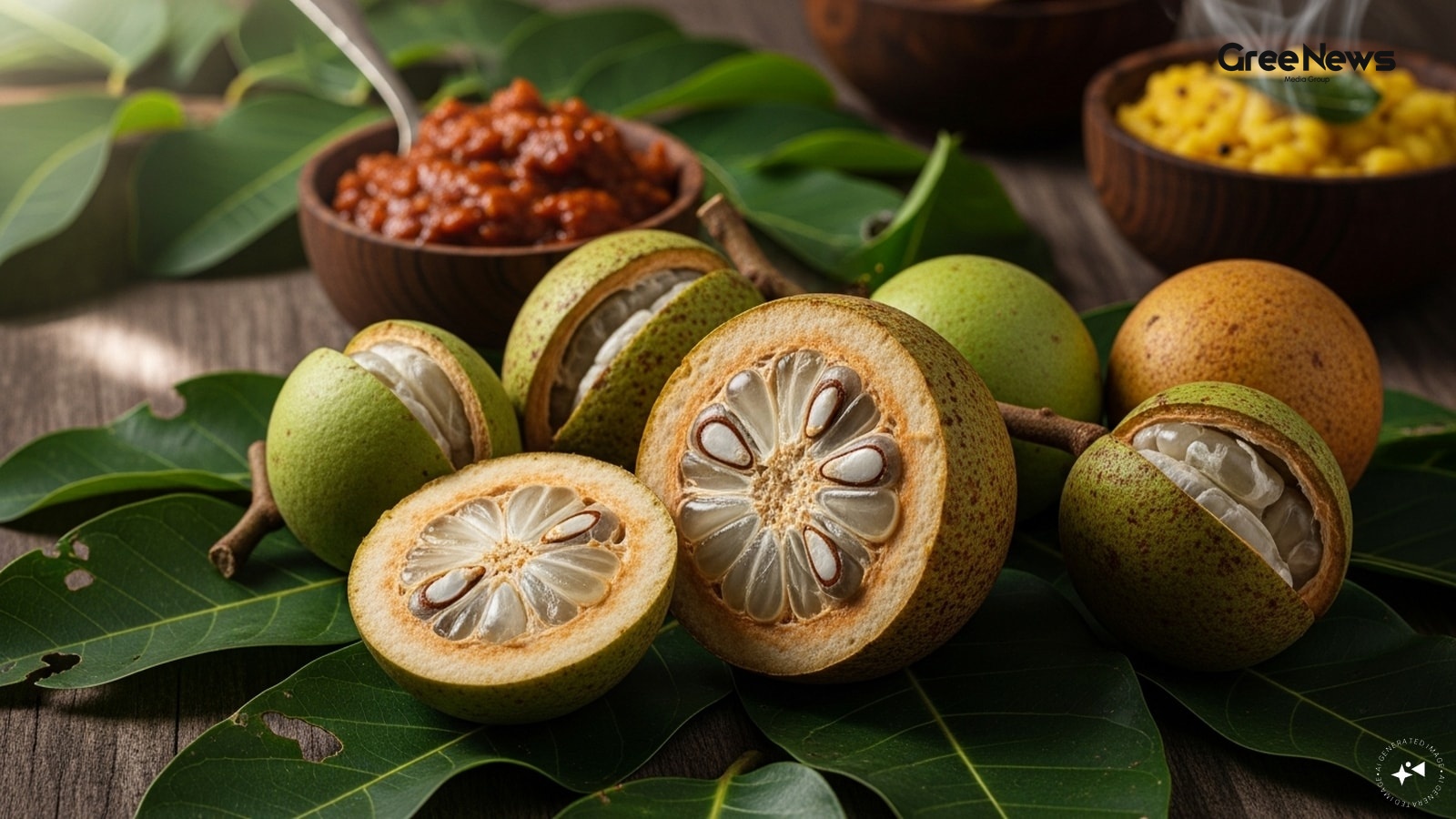
Why those eight fruits mattered to us
Honestly, if you ask most city‑dwelling friends, they might not even know what I’m talking about. The truth is, before supermarkets turned our markets into aisles of packaged mangoes and imported berries, the summer menu in many Indian towns was dominated by a set of eight local fruits. They weren’t just food; they were a part of the rhythm of the day a signal that the monsoon lull had finally given way to the relentless heat.
These fruits were wild, sometimes a bit thorny, and often grew on trees that you’d find on the outskirts of a village garden or in a nearby forest patch. Their taste could be sweet, sour, or a little astringent, but each bite brought a reminder of the geography you lived in from the dry plains of Rajasthan to the humid backwaters of Kerala. In most cases, the very act of searching for them turned into a small adventure for kids, and that’s why they hold a special place in the collective memory of many Indians.
What happened next is interesting: as the nation modernised, the supply chains for these wild fruits never caught up. They remained seasonal, hard to store, and often required a personal trek to harvest. That’s why you see today’s breaking news stories about local farmer markets trying to revive indigenous produce because the old supply model just couldn’t compete with the polished aisles of modern retail.
My childhood a personal story of fruit‑hunting
Picture this: a sun‑blazing afternoon, the kind where the pavement feels like a griddle. My cousins and I would grab a chipped‑out wooden stool, hop onto our bicycles, and ride down the dusty lane to the old banyan tree at the edge of the village. There, hidden among the roots, hung one of those forgotten fruits. I still remember the feeling of pulling a slightly sticky, amber‑coloured fruit from a thorn‑laden branch the skin would crack under my fingers, releasing a sweet perfume that seemed to cut right through the heat.
We’d rush back home, our palms sticky, and our mothers would quickly slice them up, sprinkle a pinch of rock‑salt and sometimes a drizzle of jaggery. The taste was unlike any store‑bought mango; it had a wild tang that made you feel alive. That episode became my personal viral news of the day I’d tell anyone listening about the “mystery fruit” I’d just discovered. The excitement in my younger sibling’s eyes was the real trending story of that summer.
In most cases, we didn’t even know the scientific names. We just called them by the names our grandparents used a language of affection and simplicity. That’s one reason why these fruits faded from urban memory: the oral tradition didn’t travel well into the digital age where people rely on Google searches rather than village gossip.
How the eight fruits slipped away
There are many reasons, but a few stand out. Firstly, the rise of commercial orchards meant that farmers switched to high‑yield mango, papaya, and guava varieties that promise better returns. Secondly, the lack of cold‑storage facilities for these wild fruits made it hard for vendors to keep them fresh beyond a day or two. As a result, they became a niche product, sold only when you happened to be at the right spot at the right time.
Another factor was the shift in consumer taste. Younger generations, exposed to glossy ads and imported snacks, started preferring packaged sweets over the raw, sometimes tart, flavours of the wild fruit. That transition is evident in the kind of latest news India readers see stories about new beverage launches rather than the revival of a forgotten fruit stall.
Still, there are glimpses of hope. In many villages, the elders keep the tradition alive by teaching the younger ones how to identify and harvest these fruits. Occasionally, a local news channel runs a short segment that suddenly becomes trending news India, sparking a brief surge of interest.
What people are doing now a small revival?
Over the past few years, I’ve seen a handful of startups that are trying to bring back these wild flavors. They source directly from farmers who still grow them in small plots and package them in eco‑friendly boxes. The story of one such brand made it to the front page of a regional newspaper, and that piece of breaking news actually led to a spike in demand for the fruit’s juice during the summer heat.
There is also a growing movement among chefs in metro cities who love to experiment with regional ingredients. A few of them have begun featuring these eight fruits in their seasonal menus, often describing the dish as “a nostalgic tribute to India’s summer heritage.” When customers take a bite, they usually pause the taste is at once familiar and exotic, an India updates moment that triggers a cascade of social media shares.
Many people were surprised by this, especially those who thought these fruits were completely extinct. The reaction is exactly what you’d expect when a piece of your own childhood resurfaces in a modern setting a mix of joy, curiosity, and a dash of disbelief.
How you can help keep these fruits alive
If you ever get the chance to attend a local fair or a farmer’s market, keep an eye out for stalls selling unusual, wild‑looking fruits. Ask the vendor about the fruit’s name, its season, and how people traditionally eat it. Even a simple conversation can help spread awareness.
Another easy step is to share your own memory of these fruits on social media. Tagging a local farm or a culinary page can turn a personal anecdote into viral news that reaches a wider audience. Remember the feeling of biting into that tart-sweet bite on a scorching afternoon? Reliving that moment online might encourage someone else to seek it out.
Finally, supporting community‑run initiatives that aim to preserve indigenous crops can make a real difference. When you buy directly from a small farmer or a cooperative, you’re not just purchasing a fruit you’re investing in a cultural legacy that has survived for generations.
Conclusion a promise to the next generation
In the end, the story of these eight forgotten summer fruits is more than a list of names. It’s a reminder that Indian summers have always been more than just heat they’re a canvas where nature, culture, and community paint vivid memories.
When you hear about the next piece of latest news India that talks about a new fruit revival, think of the countless kids who once ran barefoot to fetch these gems from the trees. Their laughter, the sticky fingers, and the shared meals all of that is worth preserving.
So the next time you see a small, unassuming fruit at a local stall, pause for a moment. It might just be one of those eight forgotten treasures, waiting to add a fresh burst of history to your palate and keep the story of Indian summers alive for years to come.