So, the other day I was scrolling through the latest news India feeds and a piece of viral news about a home‑cooked Asian feast caught my eye. Honestly, it felt like breaking news for my own appetite! I thought, why not give these three recipes a go and share the whole experience with you? Trust me, the aromas that filled my flat were enough to make the whole neighbourhood curious.
Below is my personal walk‑through of each dish from gathering the ingredients at the local market to the moment I plated everything with a little garnish that made the whole meal look Instagram‑ready. If you’re after something quick, flavour‑packed and a little bit exotic, keep reading. What happened next is interesting you’ll see how a few simple tweaks turned an ordinary lunch into a trending food story among my friends.
Goi Cuon (Vietnamese Fresh Rolls)
Let’s start with the Vietnamese fresh rolls they’re light, refreshing and perfect for a hot Indian afternoon. I usually pick up the rice paper at the Asian aisle of the local grocery store; they’re usually packed in a box that looks just like a tiny notebook. The key is to keep everything tidy, because once you start rolling, the whole thing can get a bit messy kind of like trying to roll a chapati without it tearing.
Here’s what I used:
- Rice paper 2 sheets
- Shrimp (boiled & deveined) 8 pieces
- Lettuce 30 g
- Carrot (julienned) 50 g
- Cucumber (julienned) 50 g
- Celery (julienned) 30 g
- Basil leaves 5 g
- Vermicelli (boiled) 30 g
- Sambal oelek 10 g
For the quick‑pickle soaking liquid:
- Vinegar 170 ml
- Salt 3 g
- Sugar 90 g
- Water 100 ml
The method is basically a mini pickling lesson. I mixed the vinegar, salt, sugar and water in a small bowl until everything dissolved. Then I tossed the carrot, cucumber and celery in there and let them sit for a few minutes. The result was a gentle tang that cut through the fresh veggies nicely a trick many Indian households use for making quick achar, but on a smaller scale.
Next, I boiled the vermicelli according to the packet directions, drained it, and set it aside. While that was happening, I soaked a rice paper sheet in warm water for a couple of seconds just enough to get it soft but not soggy. I laid it flat on a clean plate, placed a leaf of lettuce, a handful of vermicelli, the pickled veggies, a few basil leaves and finally the shrimp in the centre. A tiny dollop of sambal oelek gave the roll that lovely kick.
Folding was the fun part: I folded the sides first, like making a spring roll, then rolled tightly from the bottom up. I repeated the process for the second roll, and then I sliced them diagonally looks prettier and easier to dip.
Serve them with dark soy sauce, and you’ve got a snack that feels like a break from the usual samosa fare. The fresh rolls are also a hit among kids because they can see the colourful fillings. Many people were surprised by how simple it is to recreate a Vietnamese street‑food classic at home, and that’s exactly the kind of trending news India loves to talk about.
Preparation Time: 15‑20 minutes | Serves: 12
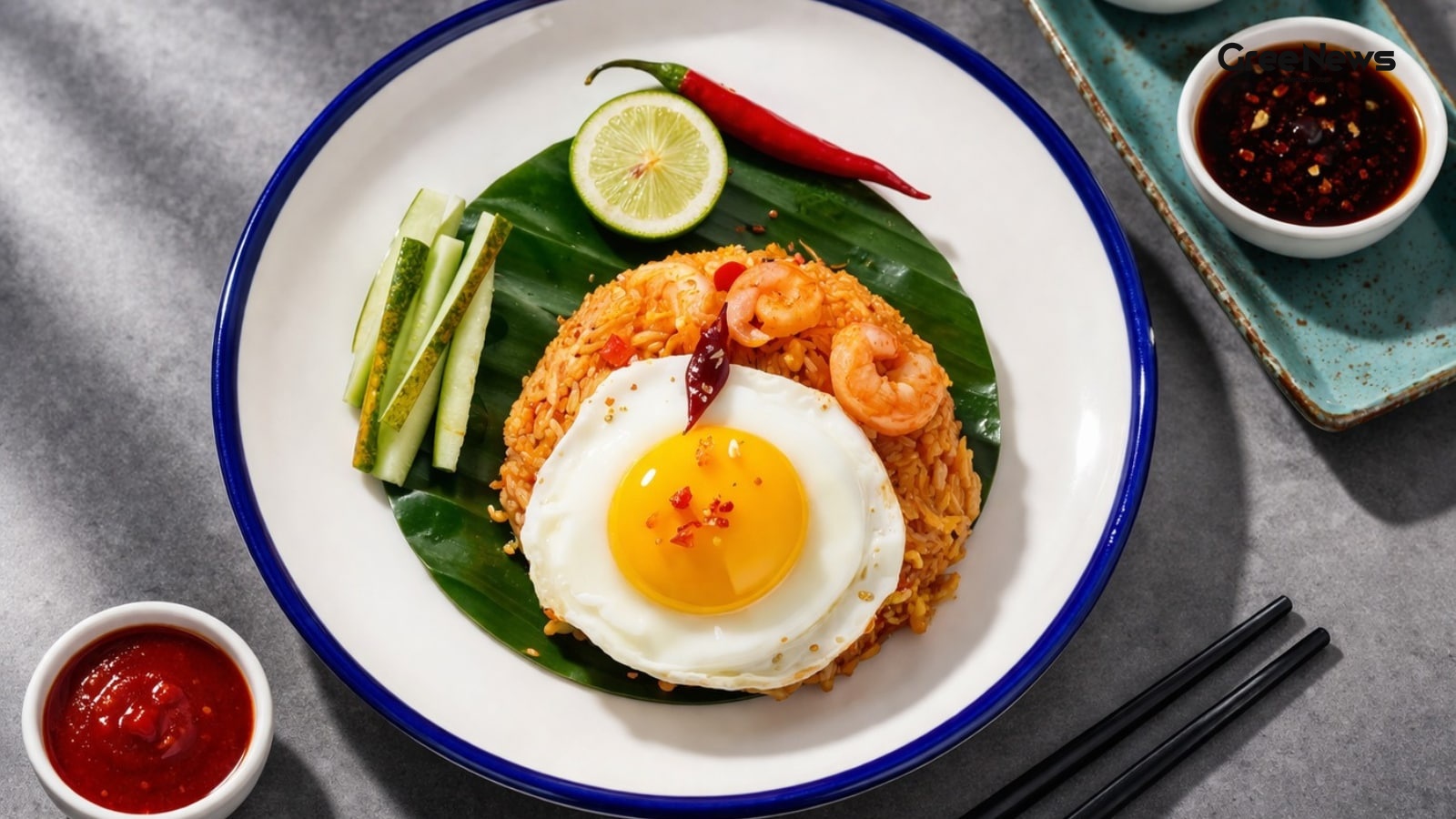
Tom Yum Fried Rice (Shrimp)
Moving on to something a bit spicier the Tom Yum fried rice. This dish is essentially the iconic Thai soup turned into a comforting bowl of rice, and it’s perfect when you’re craving that sour‑spicy flavour without having to make a whole broth.
Ingredients I gathered:
- Jasmine rice (cooked) 200 g
- Oil 30 ml
- Dry red chilli 2 g
- Garlic (chopped) 20 g
- Egg 1
- Shrimp (cleaned & deveined) 14 pieces
- Fresh red chilli (sliced) 5 g
- Salt 3 g
- Sugar 2 g
- White pepper 1 g
- Thai chilli sauce 15 g
- Tom yum paste 20 g
- Tomato sauce 20 g
- Chilli oil 5 g
- Lemon leaf (finely chopped) 2 g
- Kaffir lime juice 5 ml
Here’s the story of how I cooked it. I heated oil in a wok the kind you see in most Indian kitchens and tossed in the dry red chilli and chopped garlic. The aroma that hit me was instantly reminiscent of those bustling Bangkok night markets; it felt like breaking news for my senses.
Next, I added the shrimp and sautéed them on a high flame until they turned pink. While the shrimp were cooking, I cracked the egg on the side of the wok and scrambled it gently, mixing it with the shrimp so they stayed together. Adding the fresh red chilli right after gave a nice colour contrast and an extra punch.
Then came the rice. I made sure the jasmine rice was a day old that’s the secret Indian trick for getting fluffy fried rice. I tossed the rice into the wok, breaking any clumps, and let it soak up the flavours. The sauce mix a combination of salt, sugar, white pepper, Thai chilli sauce, Tom yum paste, tomato sauce, chilli oil, lemon leaf, and kaffir lime juice was poured over the rice and mixed quickly. The whole thing sizzled for about two‑three minutes, until the rice was glossy and the scent was intoxicating.
For the final touch, I poached a separate egg the kind you see in many south Indian breakfasts and placed it on top of the fried rice along with a sprinkle of burnt garlic (just a quick fry of garlic till brown). The result was a bowl that looked like it belonged in a trendy café on Delhi’s Hauz Khas lane, and the taste definitely lived up to the hype.
Preparation Time: 20‑25 minutes | Serves: 12
Korean Ramen
Last but definitely not least, the Korean ramen. I grew up watching Korean dramas and the characters always slurped ramen with such enthusiasm it became a bit of a cultural meme in India, especially after a few viral videos of spicy Korean dishes made rounds on social media. I decided to try the recipe as a tribute to those moments.
Here’s what I needed:
- Noodles 1 packet
- Chicken (sliced) 1 cup
- Spring onion (chopped) 2 tbsp
- Boiled egg 1
- Gochujang 1 tbsp
- Chilli paste 1 tbsp
- Salt to taste
- Sugar 1 tsp
- Vinegar 1 tsp
- Wine 1 tbsp
- Potato starch 1 tbsp
- Sesame seeds (black & white) 1 tsp
- Fresh red chilli (sliced) 1
For the chicken marination:
- Chicken (sliced) 1 cup
- White flour 1 tbsp
- Cornflour 1 tbsp
- Egg 1
- Salt a pinch
And the broth base:
- Water 2 cups
- Gochujang 1 tbsp
- Chilli paste 1 tbsp
- Sugar 1 tsp
- Salt to taste
- Vinegar 1 tsp
- Wine 1 tbsp
First, I marinated the chicken. I mixed the sliced chicken with white flour, cornflour, a beaten egg and a pinch of salt. The coating made the pieces slightly crispy when fried. I heated a pan, added a little oil, and sautéed the chicken until it turned golden brown this step adds a depth of flavour that the simple broth alone can’t give.
While the chicken rested, I prepared the broth. In a pot, I combined water, gochujang, chilli paste, sugar, salt, vinegar and wine. I let it come to a gentle boil, giving it a few minutes to meld. The aroma was instantly reminiscent of a Korean street‑food stall, and I could see why this dish becomes trending news whenever a chef posts a video of it.
Next, I cooked the noodles according to the packet instructions, drained them, and set them aside. In the same pot, I added the cooked chicken back, then the noodles. I stirred in the gochujang and chilli paste again to make sure every strand was coated with that deep red hue.
To finish, I topped the ramen with the boiled egg (halved), a generous sprinkling of spring onions, sliced fresh red chilli, and a dusting of black and white sesame seeds. The final look was vibrant and appetising perfect for sharing on WhatsApp groups where the latest food trends spread like wildfire.
This Korean ramen reminded me of a breaking news moment in my own kitchen: a simple bowl turned into a conversation starter among friends, many of whom claimed they’d never tried authentic Korean flavours before. It truly felt like a piece of viral news that I could taste.
Preparation Time: 25‑30 minutes | Serves: 12
Wrapping Up Why These Recipes Matter
All three dishes share a common thread: they’re quick, they use ingredients you can find in most Indian supermarkets, and they let you travel across Asia without leaving your kitchen. In most cases, the real magic happens when you add your own little twist a pinch of garam masala in the fried rice, or a drizzle of local tamarind sauce on the fresh rolls.
If you’re looking for a weekend project that will also make you appear up‑to‑date with trending news India, try these recipes one after the other. Share pictures on your social feeds, and you might just see your post join the list of viral news around food. Trust me, the compliments from family and friends will keep coming, and you’ll feel like a home‑cooked chef who’s in sync with the latest culinary buzz.
So go ahead, pick up those ingredients, and let the aromas guide you. Who knows maybe your next family dinner will become the kind of breaking news that gets talked about in every group chat!