Silent Figure on Bengaluru Street Fuels Fears of ‘Zombie Drug’ Spread
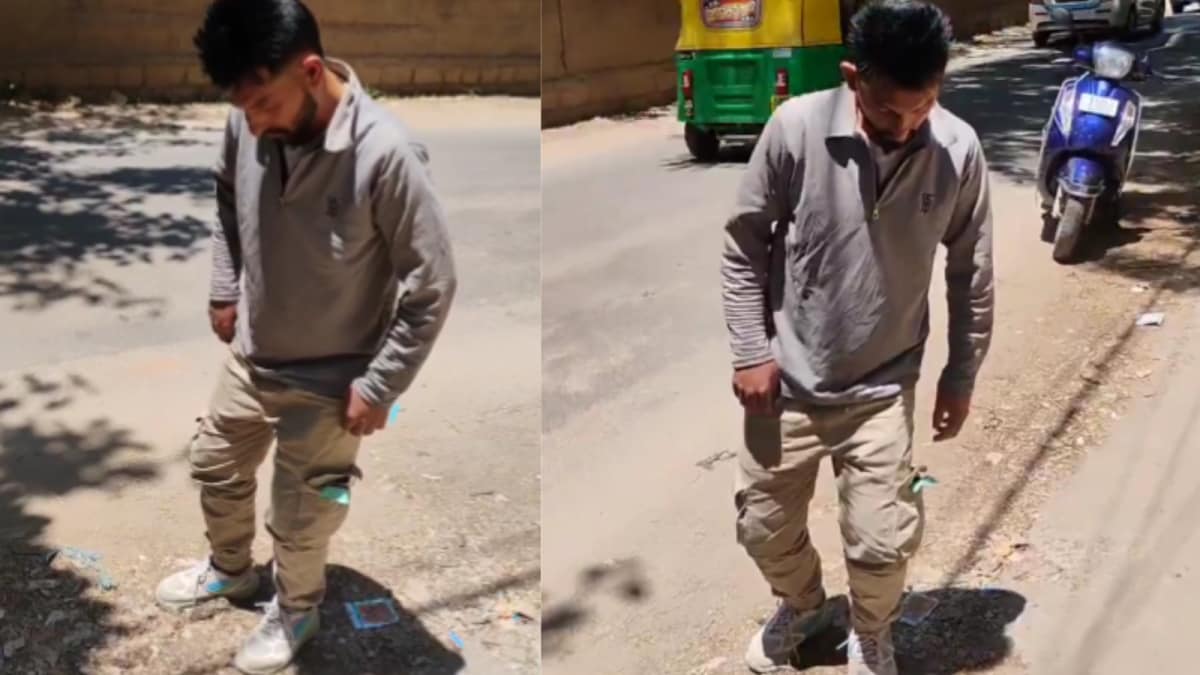
A short clip recorded in the Bagalur neighbourhood of Bengaluru, near Nitte College, has quickly become a point of intense discussion on social media. The footage displays a lone individual standing upright on a roadside, remaining perfectly still for the duration of the recording. Passers‑by can be seen pausing, glancing, and occasionally moving around the individual, yet the individual does not shift position or respond to surrounding activity.
The visual was accompanied by a caption warning of a lethal substance colloquially termed the “Zombie Drug,” described as a chemical mixture containing Xylazine. The caption claimed that this drug renders users into trance‑like, motionless beings and suggested that the phenomenon has arrived in Bengaluru, specifically citing the Bagalur area close to Nitte College. The warning urged parents, youth, and law‑enforcement agencies to stay alert, describing Bengaluru as potentially becoming “Udta Bengaluru” if the trend continues unchecked.
Social Media Reaction and Public Anxiety
Within moments of the video’s upload, users across various platforms expressed a mixture of fear, curiosity, and condemnation. One commentator described the scene as “scary,” highlighting the unsettling nature of witnessing a person remain immobile in a public space. Another user emphasized a compassionate tone, stating a hope that the individual receives appropriate help and noting that the situation reflects a “vicious cycle” that should not affect more members of the community.
Several participants introduced factual details about Xylazine, explaining that the drug is often blended with other opioids such as fentanyl or heroin. They argued that this combination intensifies the psychoactive impact while simultaneously reducing the financial burden on distributors. A further remark suggested that restrictive social environments might protect younger people, asserting that “staying alone is better than having bad company.”
The collective reaction underscored a broader apprehension surrounding drug use in urban settings, with many users invoking the phrase “Zombie Drug” as an emblem of a growing public health threat. The absence of concrete identification of the individual in the video, combined with the stark visual, amplified speculation about the reach of illicit drug networks in Bengaluru.
Official Response from Bengaluru Law Enforcement
Shortly after the video began circulating, the official social media account of Yelahanka Police Station, an authority responsible for maintaining order in the Bengaluru region, issued a brief reply. The response consisted of a request for the direct message (DM) details of the person who had posted the footage, indicating a desire to verify the authenticity of the incident and gather further information. In a follow‑up comment, Yelahanka Police Station affirmed that the matter would be investigated, though no definitive statement regarding the cause of the individual’s immobility was provided at that time.
The police communication remained succinct, avoiding any premature conclusions about the presence of Xylazine or related substances. This measured approach reflected a standard protocol for handling unverified claims that could inflame public sentiment before a thorough investigation is completed.
Comparison with a Prior Incident in Chandigarh
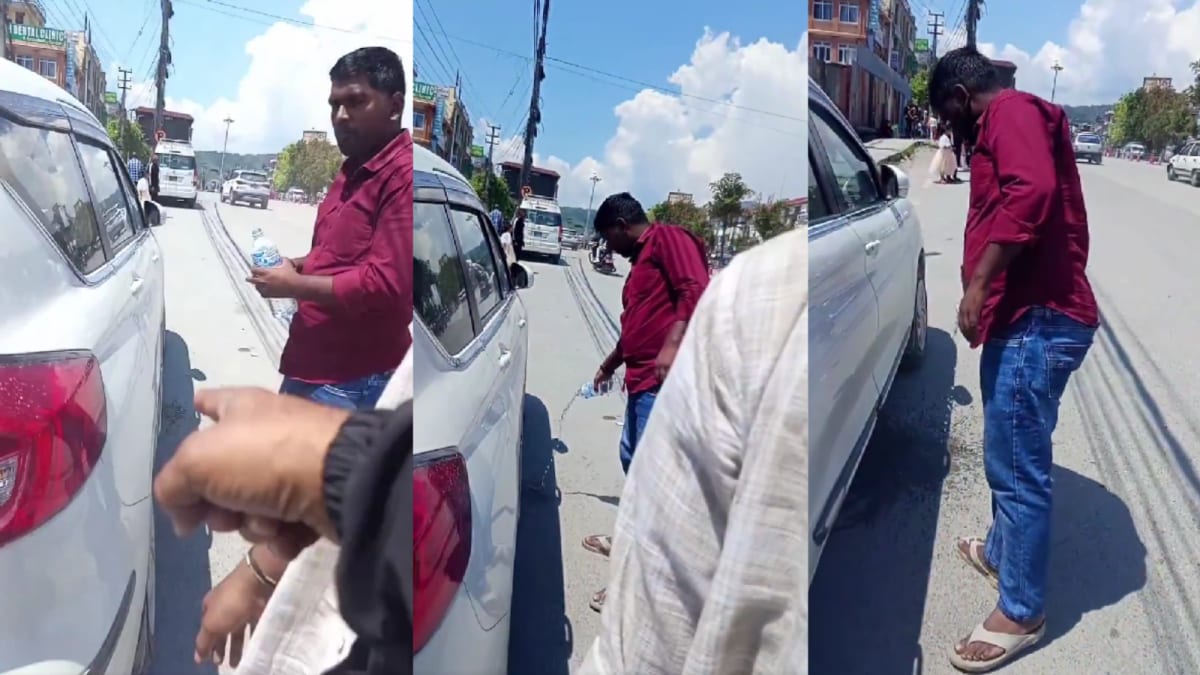
Observers quickly linked the Bengaluru video to an earlier episode that unfolded in Chandigarh, where a delivery worker was observed standing motionless near a parked vehicle on a thoroughfare in Sector 33B. According to online reports, the delivery worker remained fixed in place for roughly two hours, drawing the attention of nearby pedestrians. Eventually, bystanders contacted local authorities, leading to the delivery worker’s transport to a medical facility for evaluation.
Similar to the Bengaluru case, official sources in Chandigarh refrained from attributing the delivery worker’s stillness to any particular drug or medical condition. While speculation abounded, no conclusive evidence surfaced to tie the delivery worker’s behavior to substance use. The parallels between the two incidents—namely the prolonged immobility of an individual in a public setting and the subsequent surge of online conjecture—sparked renewed discourse on the possible spread of dangerous drug mixtures across disparate Indian cities.
Understanding Xylazine and Its Reported Effects
Xylazine, a veterinary sedative originally intended for large‑animal use, has increasingly emerged in illicit drug markets across various regions. When ingested by humans, Xylazine is reported to induce deep sedation, a state that can resemble a trance or “zombie‑like” condition. Users may experience profound stillness, reduced responsiveness, and an inability to perform voluntary movements, which aligns with the visual impression captured in the Bengaluru footage.
According to commentary in the social‑media discussion, Xylazine is often combined with opioids such as fentanyl or heroin. This practice is said to augment the overall effect while decreasing the amount of the more expensive opioid required per dose, thereby lowering operational costs for dealers. The mixture is believed to heighten the risk of overdose, respiratory depression, and extended periods of unconsciousness, further complicating emergency medical response.
Medical literature describes Xylazine intoxication as producing bradycardia, hypotension, and profound central nervous system depression. While the public conversation surrounding the Bengaluru video does not provide clinical verification, the described characteristics of the “Zombie Drug” align with known pharmacological outcomes of Xylazine consumption.
Community Concerns and Preventive Recommendations
The resurfacing of a motionless individual in a bustling urban environment ignited a chorus of cautionary advice from various community members. Several commenters urged parents to monitor their children’s peer groups closely, emphasizing vigilance against exposure to environments where illicit substances might circulate. Others advocated for heightened awareness among youth, suggesting that education about the dangers of Xylazine‑laden mixtures could deter experimentation.
Law‑enforcement representatives, while maintaining a neutral public stance pending investigation, implicitly recommended that citizens report any suspicious behavior promptly. The directive from Yelahanka Police Station to provide direct‑message details serves as an example of encouraging community‑police collaboration to verify and address potential health emergencies.
Health professionals, though not directly quoted in the original material, are generally known to champion early medical intervention for individuals exhibiting unexplained immobility. Prompt transport to a medical facility, as occurred with the delivery worker in Chandigarh, remains a critical step in assessing and treating possible drug‑related complications.
Media Coverage and the Role of Visual Evidence
The rapid dissemination of the Bengaluru video underscores the power of visual media in shaping public perception. A single, unedited clip, accompanied by a stark caption, can catalyze a nationwide conversation, prompting both alarm and calls for action. The choice to publish a raw image of a person standing motionless, without contextual details about identity, health status, or immediate circumstances, leaves room for speculation that can amplify anxiety.
Journalistic standards typically call for verification before attributing causality, especially regarding health‑related claims. In this scenario, while the video establishes the factual occurrence of a motionless individual, the attribution to Xylazine remains unconfirmed. The resulting narrative reflects a tension between the immediacy of social‑media sharing and the measured approach of official investigations.
Nevertheless, the presence of the footage in public discourse has contributed to a broader dialogue about drug safety, mental health, and community responsibility, illustrating how a single visual artifact can influence policy considerations and public awareness campaigns.
Conclusion and Ongoing Monitoring
In summary, the Bengaluru video portraying a person standing still on a Bagalur road near Nitte College has sparked an extensive reaction across social platforms, law‑enforcement channels, and public health discussions. While speculation ties the observed stillness to a Xylazine‑based “Zombie Drug,” official statements from Yelahanka Police Station have so far refrained from confirming any direct link. The incident mirrors a prior episode in Chandigarh involving a delivery worker in Sector 33B, further highlighting the pattern of public concern when individuals appear immobile in public spaces.
Community members continue to advocate for vigilance, early reporting, and educational efforts to curb potential exposure to dangerous drug mixtures. Health and safety agencies are expected to monitor the situation closely, employing both investigative rigor and public outreach to address any emerging threats.
As the conversation evolves, the emphasis remains on gathering verified information, ensuring timely medical assistance for those in need, and fostering collaboration between citizens, media, and law‑enforcement bodies to safeguard public health.