US Journalist Shelly Kittleson to Be Freed After Kidnapping in Iraq, Says Kataib Hezbollah
Background to the Abduction
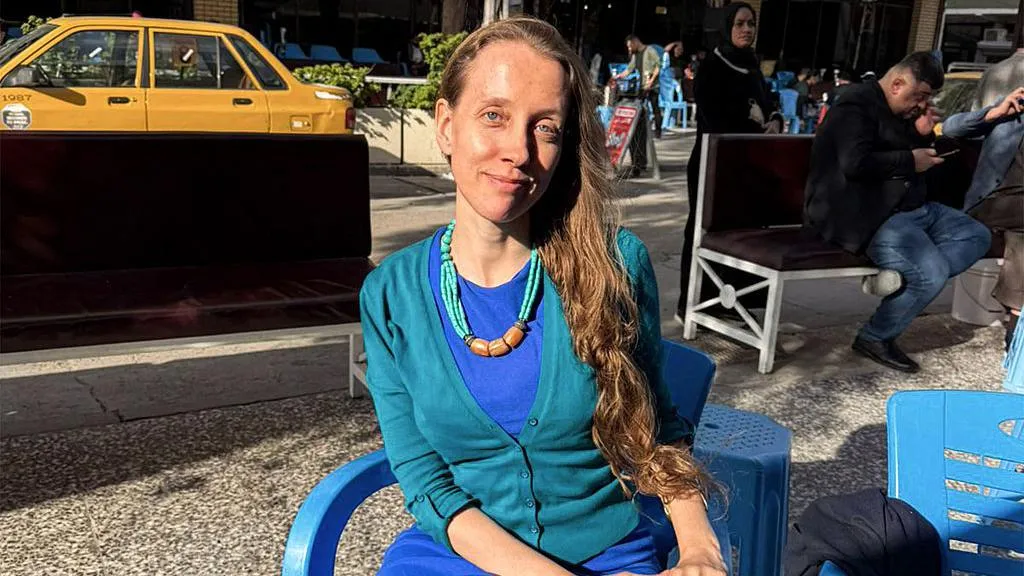
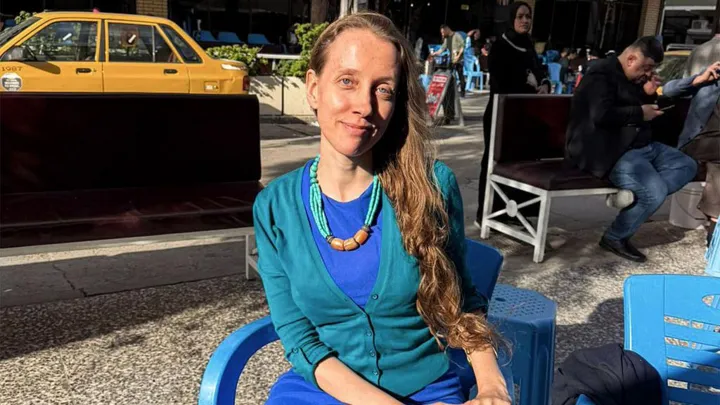
The capital city of Iraq has long been a focal point for journalists seeking to document the complex interplay of political, sectarian, and military dynamics that define the region. In recent months, the environment for foreign reporters has grown increasingly hazardous, with a marked rise in attacks directed at individuals linked to United States interests. Within this volatile context, Shelly Kittleson, a United States freelance journalist based in Rome, Italy, traveled to Baghdad to cover ongoing developments. At the time of the abduction, Shelly Kittleson was in possession of a credentialed press pass and was engaged in gathering material for multiple international outlets.
According to statements issued by Iraqi authorities, security forces responded quickly after the disappearance of Shelly Kittleson. The response involved a pursuit that culminated in the overturning of a vehicle belonging to one of the individuals suspected of involvement in the kidnapping. Law enforcement officials subsequently detained a single suspect in connection with the incident. The swift action underscored the Iraqi government's public commitment to protecting foreign nationals and journalists operating within its borders.
Kataib Hezbollah Announces Conditional Release
Kataib Hezbollah, an Iran‑backed militia operating in Iraq, issued a public statement indicating that Shelly Kittleson would be released. The statement, delivered by Abu Mujahid al‑Assaf, a security official within Kataib Hezbollah, emphasized that the decision to free Shelly Kittleson was tied to a specific condition: Shelly Kittleson must depart Iraq immediately upon release. Abu Mujahid al‑Assaf explicitly referenced “the national stances of the outgoing prime minister” as a factor influencing the group’s decision. The language of the statement suggested a strategic calculation by Kataib Hezbollah, linking the release to broader political considerations.
In addition to the conditional release, Kataib Hezbollah announced plans to disseminate an audio recording that would purportedly illustrate Shelly Kittleson’s “role and activities in Iraq.” The group did not provide further details about the content or intended audience of the recording, leaving observers to speculate about the potential impact on public perception and diplomatic negotiations.
Media Reports and Uncertainty About Current Location
Two prominent news organizations, The New York Times and the Associated Press, reported that Shelly Kittleson had been released following the statement by Kataib Hezbollah. Both outlets cited Iraqi officials as their source for the information. However, no definitive confirmation of Shelly Kittleson’s present whereabouts was provided. The lack of an explicit location raised questions about whether Shelly Kittleson had indeed complied with the condition to leave Iraq or whether additional logistical steps were still in progress.
The ambiguity surrounding Shelly Kittleson’s location highlighted the challenges faced by journalists and diplomatic observers when attempting to verify the status of individuals in highly fluid security situations. Without on‑the‑ground confirmation, the international community was left to rely on indirect statements and secondary reporting.
Response From Iraqi Leadership
Following the abduction, the prime minister of Iraq, Mohammed Shiaa al‑Sudani, issued an order directing security forces to intensify efforts to locate and apprehend those responsible for kidnapping foreign nationals. The directive emphasized a zero‑tolerance policy for attacks on journalists and other civilians. By reinforcing the pursuit of suspects, the Iraqi government aimed to demonstrate its dedication to upholding international norms regarding the safety of press personnel.
Despite the stated commitment, the release of Shelly Kittleson under the condition of immediate departure introduced a complex dimension to the narrative. The conditional nature of the release could be interpreted as a diplomatic concession by Kataib Hezbollah, while simultaneously preserving the group’s leverage in future negotiations.
Context of Ongoing Regional Violence
The disappearance of Shelly Kittleson occurred against a backdrop of heightened hostilities involving Iran‑aligned militias operating within Iraq. Since the escalation of the conflict between the United States and Israel, Iran‑backed Shia militias have intensified attacks against targets associated with United States interests across Iraq and the broader Middle East. These attacks have included rocket strikes, ambushes, and drone operations, contributing to an environment of pervasive insecurity for United States personnel and affiliated entities.
This broader pattern of violence has been cited by analysts as a strategic effort to apply pressure on United States policy in the region. The kidnapping of a United States journalist such as Shelly Kittleson fits within a larger strategy of leveraging high‑profile detentions to influence diplomatic discourse and public opinion.
Reactions From United States Observers
Alex Plitsas, a national security analyst for CNN and a designated emergency contact for Shelly Kittleson, publicly acknowledged seeing the alleged statement issued by Kataib Hezbollah concerning the release. Alex Plitsas clarified that, at the time of the comment, there was no official confirmation from the United States government that the release had indeed taken place. Alex Plitsas emphasized the need for verification before drawing definitive conclusions about Shelly Kittleson’s status.
In earlier communications, United States officials had reportedly reached out to Shelly Kittleson on multiple occasions prior to the kidnapping. The purpose of those contacts was to warn Shelly Kittleson about credible threats emerging from Iran‑backed paramilitary groups operating within Iraq. The warnings were reportedly based on intelligence indicating that Shelly Kittleson’s name appeared on a list maintained by Kataib Hezbollah, a list that was allegedly intended for targeting female journalists for abduction or lethal action.
Alex Plitsas previously relayed these warnings to a United States news partner, CBS, describing the specific threat as a direct attempt by paramilitary elements aligned with Iran to target journalists based on gender and nationality. The disclosure underscored the particular vulnerability faced by female journalists operating in conflict zones where sectarian militias possess both the intent and capability to carry out targeted attacks.
Professional Background of Shelly Kittleson
Shelly Kittleson, a freelance journalist holding United States citizenship, has built a career covering major conflict zones across South Asia and the Middle East. Shelly Kittleson’s professional portfolio includes extensive reporting from Afghanistan, Iraq, and Syria. According to a public biography posted on the social platform X, Shelly Kittleson has contributed to a wide array of national and international publications, ranging from major newspapers to specialized journals focusing on security and humanitarian issues.
The breadth of Shelly Kittleson’s experience reflects a deep engagement with the complexities of modern warfare, displacement, and the human consequences of protracted conflict. Shelly Kittleson’s on‑the‑ground reporting style often involves direct interviews with affected civilians, military personnel, and local officials, providing nuanced perspectives that enrich global understanding of the regional dynamics.
Travel Advisories and Safety Recommendations
The United States Department of State has issued a travel advisory warning United States citizens against travel to Iraq. The advisory cites the heightened risk of kidnapping, armed conflict, and arbitrary detention by armed groups, including those aligned with Iran. The advisory also underscores the importance of maintaining situational awareness, registering travel plans with the nearest United States embassy, and adhering to recommended security protocols for journalists operating in high‑risk environments.
These warnings, issued well before the abduction of Shelly Kittleson, were part of a broader effort by the United States government to mitigate the risk of harm to its nationals. The advisory highlighted the volatile security landscape, particularly for individuals engaged in media work that could be perceived as critical of or unfavorable to local armed factions.
Implications and Outlook
The conditional release of Shelly Kittleson by Kataib Hezbollah raises several implications for diplomatic engagement, press freedom, and the ongoing security calculus in Iraq. First, the decision demonstrates that Kataib Hezbollah remains capable of exercising leverage over foreign nationals, using individual cases as bargaining chips within a broader geopolitical contest. Second, the requirement for immediate departure suggests that Kataib Hezbollah seeks to avoid prolonged international scrutiny while still signaling a willingness to accommodate certain demands.
For the United States, the incident reinforces the necessity of robust protective measures for journalists and other civilians operating in conflict zones. The episode also underscores the importance of intelligence sharing and pre‑emptive warning mechanisms, as illustrated by the prior alerts issued to Shelly Kittleson regarding specific threats.
From a press freedom perspective, the kidnapping and subsequent conditional release of Shelly Kittleson serve as a stark reminder of the perils faced by journalists who pursue truth in contested environments. The international journalistic community has repeatedly called for stronger safeguards, including enhanced diplomatic pressure on armed groups that target media workers and the implementation of rapid response protocols to secure the safe return of abducted personnel.
Looking ahead, the situation remains fluid. Continued monitoring by United States diplomatic channels, Iraqi security forces, and independent watchdog organizations will be essential to verify the successful completion of the condition imposed by Kataib Hezbollah. The ongoing evolution of the security environment in Iraq, compounded by the broader regional tension between Iran‑aligned militias and United States interests, suggests that the case of Shelly Kittleson may continue to influence policy discussions and operational strategies for journalists operating in high‑risk contexts.