- Diksha Modi
Feeling ignored by the authorities, farmers chose to escalate their protest in an unprecedented manner, by entering the electoral fray themselves
Honestly, when I first heard about the 1996 episode in Modakurichi constituency, I thought it was some kind of urban legend. You know how in our neighbourhoods stories travel faster than the news itself – someone would say, “Did you hear about that one place where a thousand people fought for a vote?” and before you know it, the whole block is buzzing. So I decided to dig a little deeper, reading old newspaper clippings and chatting with my uncle, who was a school teacher in Erode district at that time.
What I discovered was far more astonishing than any myth. In the mid‑1990s, the agrarian community in Modakurichi constituency of Erode district, Tamil Nadu was grinding under a heavy load of unaddressed grievances. The irrigation canals were practically dry, water pumps sputtered out of fuel, and the state’s promised agricultural support schemes were nothing more than empty promises. The farmers, who normally see politics as a background drama to their daily toil, felt that their voices were being swallowed by bureaucracy.
In most cases, protests in Tamil Nadu take the form of road blockades, sit‑ins or simple petitions. But the frustration in Modakurichi constituency of Erode district, Tamil Nadu reached a tipping point. The farmers decided that if they could not be heard through ordinary channels, they would turn the entire electoral process into their megaphone. Essentially, they filed nomination papers en masse. And not just a few – a jaw‑dropping 1,033 candidates ended up on the ballot.
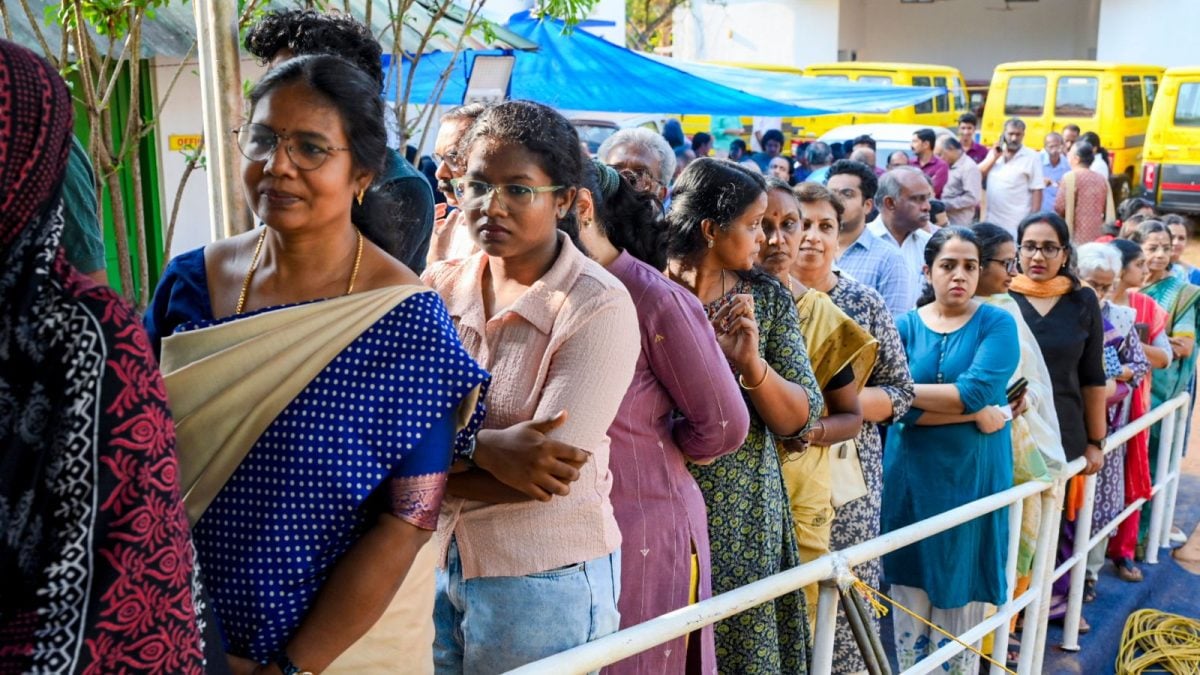
Now imagine walking into a polling booth and spotting your name next to a thousand others. You can almost hear the murmurs of bewildered voters saying, “Is this a joke?” The Election Commission was caught off guard. Their usual ballot sheets could only accommodate a few dozen names. The sheer volume forced them to print booklet‑style ballots, each page thick with cramped names and tiny symbols.
From my own experience voting in busy booths in Chennai, I know how time‑consuming a simple ballot can be. Now multiply that by a thousand candidates, and you get a scene that looks more like a clerical marathon than a regular election. Voters had to flip through thick booklets, sometimes scrambling to find the correct symbol for the candidate they wanted. The whole process turned into a test of patience for the electorate of Modakurichi constituency of Erode district, Tamil Nadu.
Security arrangements also had to be overhauled. The Election Commission deployed additional personnel in Modakurichi constituency of Erode district, Tamil Nadu to manage the crowd and ensure that the thick piles of ballot booklets didn’t become a source of chaos. The polling stations were rearranged, the voting booths widened, and the counting rooms were turned into makeshift archives because the tally sheets swelled beyond normal capacity.
Despite the logistical nightmare, I heard from fellow voters that the turnout in Modakurichi constituency of Erode district, Tamil Nadu remained remarkably high. It seemed that the community, angry as they were, still believed in the democratic process – they just wanted to make sure their grievance was recorded on paper. In the end, the DMK candidate Subbulakshmi Jagadeesan emerged victorious, becoming the new Member of the Legislative Assembly for Modakurichi constituency of Erode district, Tamil Nadu.
The aftermath was almost as interesting as the election itself. The sheer scale of the candidacy prompted the Election Commission to rethink its rules. One immediate change was to raise the security deposit required from each candidate. The idea was simple: if you have to put a larger amount of money at stake, only those who are serious about winning will bother to file nominations. This move was aimed at preventing another repeat of the 1,033‑candidate scenario in any constituency across India.
Fast forward a few decades, and scholars still cite the Modakurichi constituency of Erode district, Tamil Nadu election as a classic case of mass protest turning into a political statement. It shows how collective action, even if it looks chaotic, can force institutions to adapt. In many ways, the episode mirrors today’s farmer protests in other parts of the country – the underlying message is the same: when you feel ignored, you find new ways to be heard.
On a personal note, hearing about this event reminded me of the time my own village organized a “padyatra” to demand better road connectivity. We didn’t have a thousand candidates, but we did have a thousand footsteps marching to the district headquarters. The feeling of unity, the sense that ordinary people can shake the system, is something I still carry with me.
Looking back, the Modakurichi constituency of Erode district, Tamil Nadu episode also taught a lesson about the importance of proper representation. When the system fails to listen to a specific community – in this case, the farming community – that community can turn the very tools of democracy into a protest platform. It’s a powerful reminder for policymakers: if you want to prevent such extreme forms of dissent, address the root concerns before they swell into a thousand‑candidate storm.
Nowadays, many of us discuss the Modakurichi constituency of Erode district, Tamil Nadu case over chai, especially when a new policy on agriculture is announced. It acts as a cautionary tale, a story that says, “Don’t ignore the farmers, or they’ll make you count a thousand names.” And honestly, that’s the kind of story that sticks with you, because it’s not just about politics – it’s about people taking a stand in the only way they know how.
So whenever I see a crowded polling booth, I can’t help but think of those thick booklets from Modakurichi constituency of Erode district, Tamil Nadu, and the determination of the farmers who turned an election into a massive, peaceful protest. It’s a piece of our democratic heritage that reminds us all to listen, to act, and to remember that every vote, no matter how many names are on the paper, carries a story.
Kerala Elections Assam Elections Puducherry Elections Kerala Voter Turnout Assam Voter Turnout Puducherry Voter Turnout