The quiet afternoon that turned chaotic
It was one of those hot, heavy afternoons in Jammu where the air feels like a thick blanket you can actually touch. The newsroom was humming a few lazy fans, air‑conditioners fighting a losing battle against the soaring mercury, and everyone just sipping chai after a short siesta, thinking the day would pass with the usual political banter.
Honestly, I was ready for another round of routine updates maybe a new road project or a statement from the state administration. Nothing in my gut said anything dramatic was about to happen. That’s when my phone buzzed with a call that would shatter the whole vibe.
The phone call that changed everything
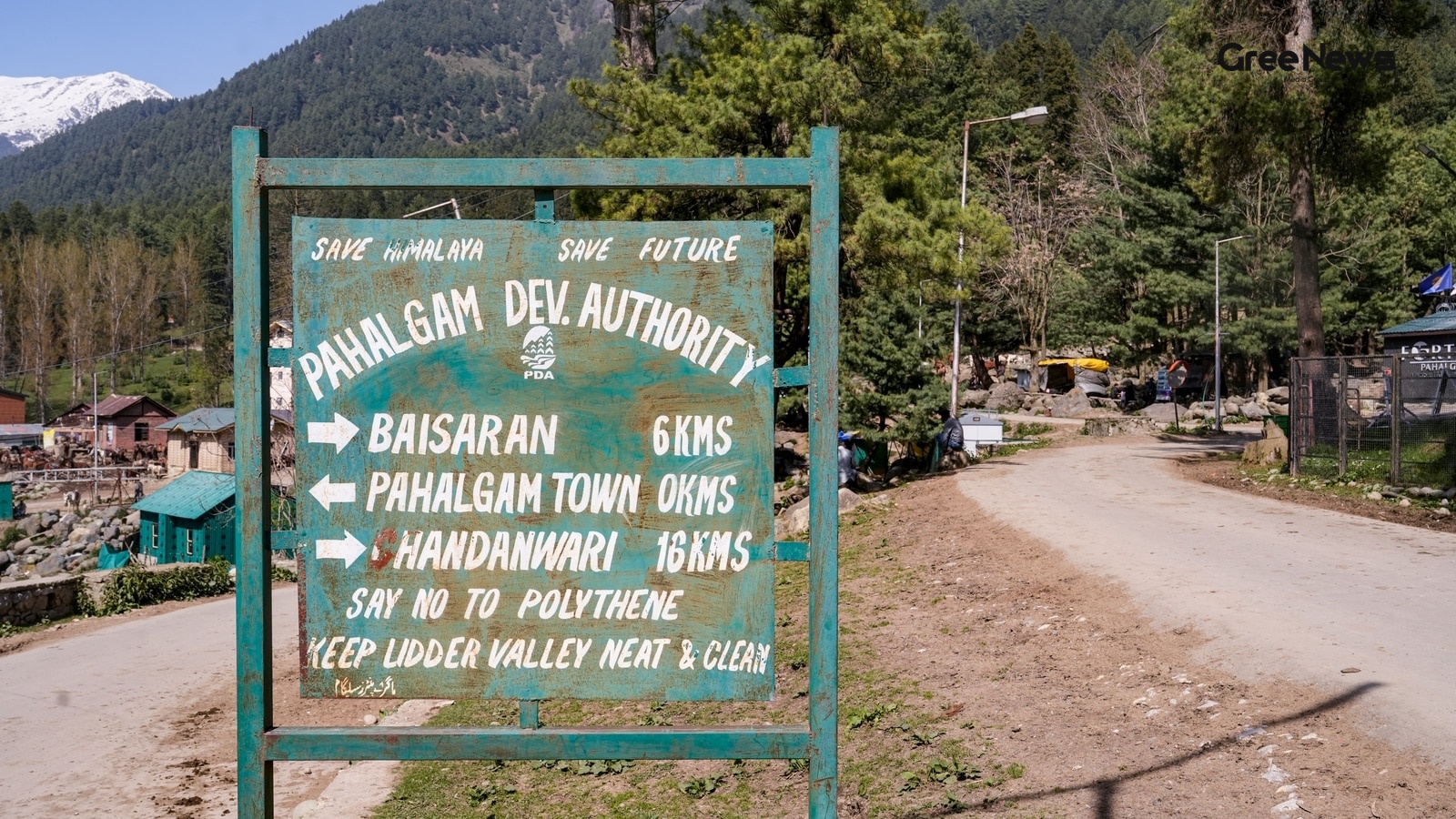
On the other end of the line was a source who, after more than ten years of covering Jammu and Kashmir’s blood‑soaked beats, has never misled me. But this time his voice was jagged, breathless, and urgent. "Firing in Pahalgam, Baisaran side," he said, almost choking on the words.
In our line of work, you don’t wait for an official press release when a trusted source sounds like that. I could feel the adrenaline kicking in, and the story started forming in my mind, sketchy as it was a prelude to something far worse than a routine encounter.
Within minutes the newsroom turned into a frenzy. My phone felt like a hot coal. Among the flood of messages, a call from CNN’s Executive Editor, Amit Shukla, stood out. His tone was calm the kind of calm that only a veteran who’s seen a dozen border skirmishes can have but his question was probing: "Tejinder bhai, check karo, kuch bada to nahi hai kya?" (Tejinder, check if something big has happened). That was the moment I realised something was very, very wrong.
What happened next is interesting: my team and I started cross‑checking every little detail, while at the same time the story began breaking as the very first piece of breaking news on social platforms. The whole country was about to be hit with a wave of viral news.
Unraveling the horror: the massacre details
The fragments of information started aligning like shards of broken glass. It wasn’t a simple "cross‑fire" or an accidental hit on a security convoy. It was an outright, orchestrated massacre a grim "dance of death" with a purpose far beyond the immediate killing.
A video that reached me shortly after the call is still seared in my memory. A woman’s voice, trembling with raw grief, narrated what had gone down. Twenty‑six tourists families, college students, retirees had travelled from all over India to enjoy the "Mini Switzerland" of Baisaran. They were just looking for a few days of peace in the Himalayas when they were intercepted on the scenic heights of Pahalgam.
The attackers didn’t merely open fire. According to eyewitnesses and the survivors’ testimony, they forced the victims to recite the Kalima a religious audit in the middle of a hail of bullets. Those who stumbled or refused were shot at point‑blank range. It was cold, calculated, and chillingly medieval. Many people were surprised by this grotesque twist where faith itself became a death sentence.
The tragic hero: Syed Adil Hussain Shah
Amidst the horror, a story of bravery emerged. Syed Adir Hussain Shah, a humble pony‑wala who guided tourists through the winding trails of Pahalgam, chose to stand his ground. Instead of fleeing, he tried to shield his guests, embodying the age‑old Indian principle of Atithi Devo Bhava the guest is God.
Adil’s sacrifice was not just a personal tragedy; it represented the soul of Kashmir. While the gunmen tried to shatter the spirit of the valley, Adil’s act reminded us that the true heart of this land beats on in ordinary people who risk their lives for strangers.
Why tourists mattered: the economic impact
Tourism is the jugular vein of the Kashmiri economy. For many families, a tourist is more than a number on a spreadsheet it means school fees for a daughter, medicine for an elder, or a chance to send money home. By targeting tourists, the perpetrators were not just killing innocents; they were trying to choke the very lifeline of the local people.
This strategic shift was meant to send a deafening message: Kashmir is not open for business, normalcy is a lie, and peace is just an illusion. The attack was a clear attempt to reignite sectarian fault lines that had begun to fade under recent development projects.
The bigger picture: strategy and terror narrative
What unfolded in Pahalgam fits into a broader, more sophisticated pattern where terror is used to manufacture a narrative. The choice of target, the method of execution, and the timing all pointed to a calculated attempt to re‑fuel divisions.
In most cases, the attackers hoped the incident would dominate the trending news India for days, diverting attention from any positive developments in the region. And indeed, the story roared across TV channels, social media, and the latest news India feeds, turning into a shocking piece of viral news that sparked debates nation‑wide.
The fallout: fake calls, political noise, and media chaos
In the days after the attack, our phones started ringing with numbers we didn’t recognize. It turned out to be Pakistani spy networks trying to gauge India’s defence response a clumsy outreach from the other side of the border. We answered them with the blunt tone of a nation that had reached its breaking point.
Predictably, political vultures swooped in. Some tried to frame the massacre within governance debates, statehood demands, or administrative lapses. But moments like Pahalgam demand a clarity that transcends partisan politics. Terror cannot be "contextualised" into talking points without diluting its heinous nature. The real question wasn’t about who governed Kashmir; it was about how a nation responds when its very fabric is tested.
India’s resilience: unity after the tragedy
What struck me most in the aftermath was the wave of unity that swept across the country. In the mourning that followed, there was no Hindu, no Muslim, no Sikh, no Christian there was only the Indian, standing with a grim resolve.
Millions of people took to social media, sharing condolence messages, lighting candles, and pledging support for the victims’ families. The incident became a catalyst for a nationwide surge in patriotism, a sentiment that was reflected in the trending news India and the countless stories of ordinary citizens offering help.
This collective resolve was the real antidote to the attackers’ aim of sowing division. For every attempt to split us, a stronger force pulled us together a force that the perpetrators clearly underestimated.
The decisive response: Operation Sindoor
The reaction from the highest echelons of power was unlike anything I’ve ever witnessed. While the Prime Minister was on an official trip abroad, there were constant coordination calls with Home Minister Amit Shah. The message that filtered down through the security apparatus was personal, visceral, and uncompromising: this was an attack on the sindoor the vermilion that adorns Indian women’s foreheads.
The terminology was deliberate. It wasn’t just about neutralising militants; it was about protecting the sanctity of Indian families. The operation that followed dubbed Operation Sindoor was a precision strike aimed at dismantling the networks behind the massacre.
Within weeks, the world saw a swift and decisive response. India didn’t retreat into diplomatic protests or endless dossiers. Instead, it hit the terror “mothership” where it hurt most. The success of this operation will be studied for years, a reminder that while terror can shock and scar, it can never define the future of a resilient nation.
Looking back: what Pahalgam taught us
Looking back, the Pahalgam tragedy stands as a stark reminder that the idea of a peaceful Kashmir an idea that people across the subcontinent cling to is constantly under threat. Yet, the same incident also showed us how quickly the nation can rally, how the breaking news of a horrific event can transform into a story of unity and resolve.
For every sorrowful headline that made its way into the India updates feeds, there was a quieter, powerful narrative of ordinary heroes the pony‑wala who gave his life, the journalists who chased truth despite fake calls, and the millions who stood together in grief.
And as I continue to cover Kashmir, the memory of that scorching afternoon in Jammu stays with me, reminding me why we keep telling these stories. Because in the end, the truth, however painful, is what keeps the nation moving forward, even when the darkness seems overwhelming.