So, the other day I decided to catch the latest horror‑comedy that was being talked about in the latest news India feeds. Everyone was buzzing about Bhooth Bangla, and as a fan of the original Bhool Bhulaiyaa, I thought, why not give it a shot? I booked the tickets, grabbed some popcorn, and headed to the theatre, hoping for a fun weekend treat.
First Impressions and the Expectation Gap
Walking into the hall, the promotional material promised a blend of spooky vibes and rib‑tickling comedy a formula that, if you remember Priyadarshan and Akshay Kumar’s 2007 hit, should work like a charm. The hype felt like breaking news for Bollywood lovers; even the trending news India hashtags were all over Instagram. But as the opening credits rolled, I sensed something off. The film opened at a railway station in a fictional place called Mangalpur, with a group of boys listening to an old man spin a tale about a village where brides mysteriously vanish. It felt familiar, but the direction it took later would confuse more than entertain.
From the get‑go, the movie tried to set a spooky tone, yet the jokes were already slipping in, making the narrative feel uneven. It reminded me of many viral news clips that start strong but lose steam midway the same could be said about this flick.
The Plot That Went Around in Circles
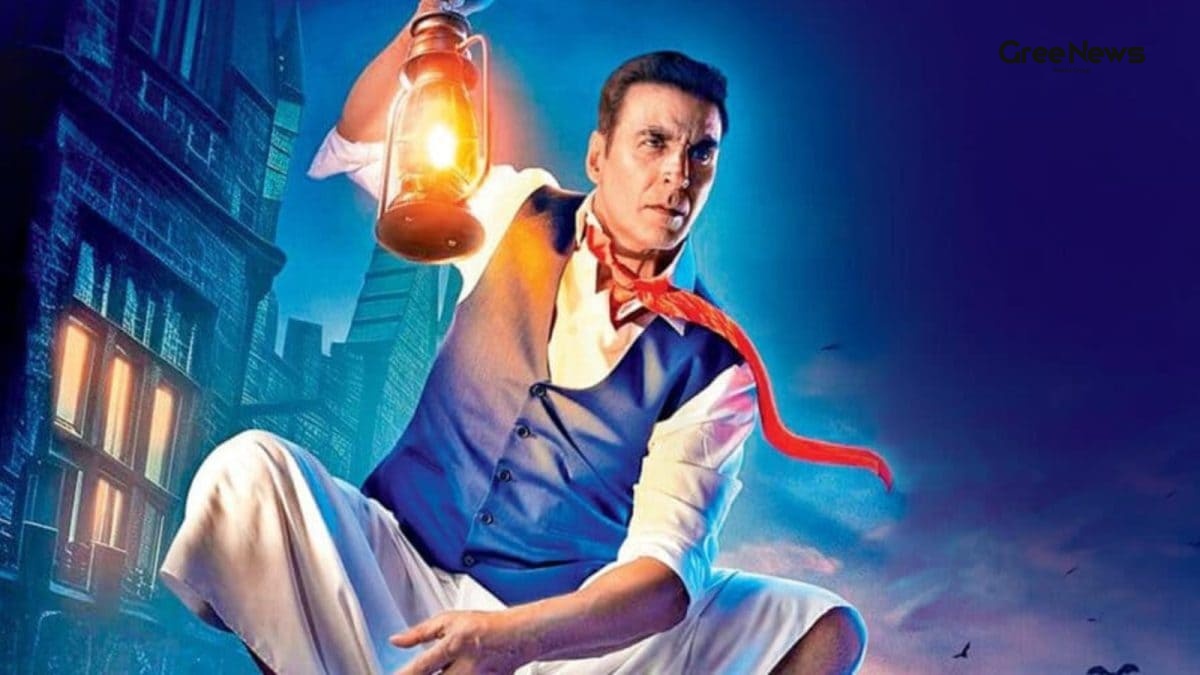
Let me break down the story as I understood it. Arjun, played by Akshay Kumar, wants his younger sister Meera to get married, but things go sideways when they learn that their grandfather has left a palace in Mangalpur to Meera. Arjun decides to travel to the village, where he meets Shantaram (the palace manager) and later the over‑enthusiastic wedding planner Jaggu and his nephew Balli.
Enter the ghost Vadhusur a creepy figure with a silhouette that looks part‑Batman, part goblin, and oddly reminiscent of the creature from 2.0. He begins haunting the palace at night, possessing Balli and causing chaos. What follows is a mix of jump‑scares, a teleport‑to‑another‑era sequence, a half‑baked love story, and a long, AI‑heavy fight that feels more like a tech‑showcase than a plot driver.
By the time the film hits the two‑hour‑forty‑five‑minute mark, the screenplay feels bumpy and uneven, much like trying to follow a trending news feed that jumps from one story to another without any clear connection.
Where the Comedy Works A Few Laugh‑Out‑Loud Moments
Even though the story drags, there are moments that actually make you laugh. Rohan Shankar’s one‑liners, especially the back‑and‑forth between Akshay’s Arjun and Asrani’s Shantaram, land perfectly. There’s a scene where Shantaram is sent off to fetch his bags, and the absurdity of the dialogue just cracks you up.
The trio of Akshay, Rajpal Yadav and Paresh Rawal is, as always, a riot. Their banter is wildly absurd, taking you back to the effortless comic rhythm of their earlier collaborations. Rajpal’s constant thrashing of himself for looking at women, and Paresh’s slap‑stick reactions, feel like a nostalgic nod to Khatta Meetha.
Asrani, delivering his lines with theatrical gusto, makes this his heartfelt goodbye on screen. His performance holds the fort, especially when the rest of the film feels noisy and garish.
Under‑Utilised Women A Missed Opportunity
Now, here’s where the film really lets you down. Wamiqa Gabbi, who plays a double role, is reduced to a decorative presence. She gets short‑changed, and the same can be said for Tabu, who appears as Yashodha. Both actresses are talented, yet the script gives them hardly any room to shine it’s almost criminal.
Mithila Palkar is introduced as a potential fulcrum, but she never gets a proper arc either. The whole narrative ends up being a men‑only rescue mission, with the women merely ghosted (pun intended). This is the kind of thing that makes you wonder why the film even bothered to cast such strong female talent.
Akshay Kumar The Lone Beacon of Humor
Among the chaos, Akshay Kumar’s performance stands out. He’s in his comfort zone, playing Arjun with a laid‑back charm that keeps the madness from becoming too heavy. His physical comedy and razor‑sharp timing elevate even the most forced gag. If you’ve ever seen a viral clip of Akshay’s spontaneous jokes, you’ll understand why his presence is the only thing that keeps the film from sinking completely.
He doesn’t take himself seriously, which is refreshing. His interactions with Rajpal, Paresh and Asrani are the highlights that actually manage to deliver genuine laughter.
Direction, Writing and the Priyadarshan Formula
Priyadarshan seems to have tried to recreate the magic of Bhool Bhulaiyaa, but this time the ambition becomes a block. The film borrows heavily from his earlier works a metal pot falling on Paresh Rawal’s head feels like a direct nod to Chup Chup Ke, and the constant slap‑stick feels like a dated Priyadarshan brand of comedy.
The story also suffers from an over‑reliance on old tropes: strange shadows, creaking doors, howls, and a haunted palace that is more of a set piece than a character. The ghost Vadhusur, while having a cool silhouette, ends up looking like a cheap CGI mix of Batman, Pakshi Rajan and a goblin. The lack of originality makes the horror element feel forced rather than genuinely spooky.
Even the jump‑scares work occasionally, but the second‑half time‑travel sequence is elaborate to the point of distraction. It veers away from the core plot, making the audience feel like they are watching a viral video that’s trying too hard to be different.
Soundtrack and Cinematic Touches
The music, especially the Aami Je Tomar‑style love song, tries to capture a classical vibe but ends up feeling like a filler during the interval. It’s reminiscent of the kind of intermission block that used to dominate Bollywood once upon a time, but today it feels more like an unnecessary distraction.
Neeraj Vora’s legacy of adapting Priyadarshan’s humour for Hindi audiences shines through in the dialogues, yet the sheer volume of monologue‑heavy scenes can be overwhelming. If you’re not a fan of dialogue‑heavy storytelling, this film might not be your cup of chai.
Final Verdict A Noisy, Nostalgic but Flawed Comedy
All things considered, Bhooth Bangla is a film that tries hard to ride the wave of trending news India about horror‑comedy revivals, but ends up being noisy, predictable, and overly loud. It has all the required horror elements shadows, footsteps, eerie howls but they’re peppered with slap‑stick that feels more suited for a children’s TV show than a mainstream Bollywood release.
The comedy moments, especially those involving Akshay, Rajpal, Paresh and Asrani, are the sole reasons you might stay till the end. The rest the under‑utilised women, the convoluted plot, the over‑long AI fight feel like filler that drags the pacing.
If you’re looking for a fresh take on the horror‑comedy genre, this probably isn’t the film to watch. But if you’re a fan of the old‑school Priyadarshan brand of humor and can overlook a lack of originality, you might enjoy the occasional laugh. It’s kind of like scrolling through viral news you get a few bites of excitement, but the overall experience feels a bit stale.