US‑Iran War: With supreme leader sidelined from public view, Iran's surviving political establishment has rallied around a small set of figures to project an image of continuity.
Honestly, when I first heard about this, I thought it was some prank. Imagine a country where the top religious figure, the supreme leader, is literally nowhere on camera no speeches, no photos, not even a quick‑look‑in‑the‑office clip. Yet the whole nation is still buzzing about it, and it’s become a piece of breaking news that even my neighbours in Delhi are asking me about. The story feels like something straight out of a thriller, but it is very real and it is shaping the latest news India gets about the US‑Iran tensions.
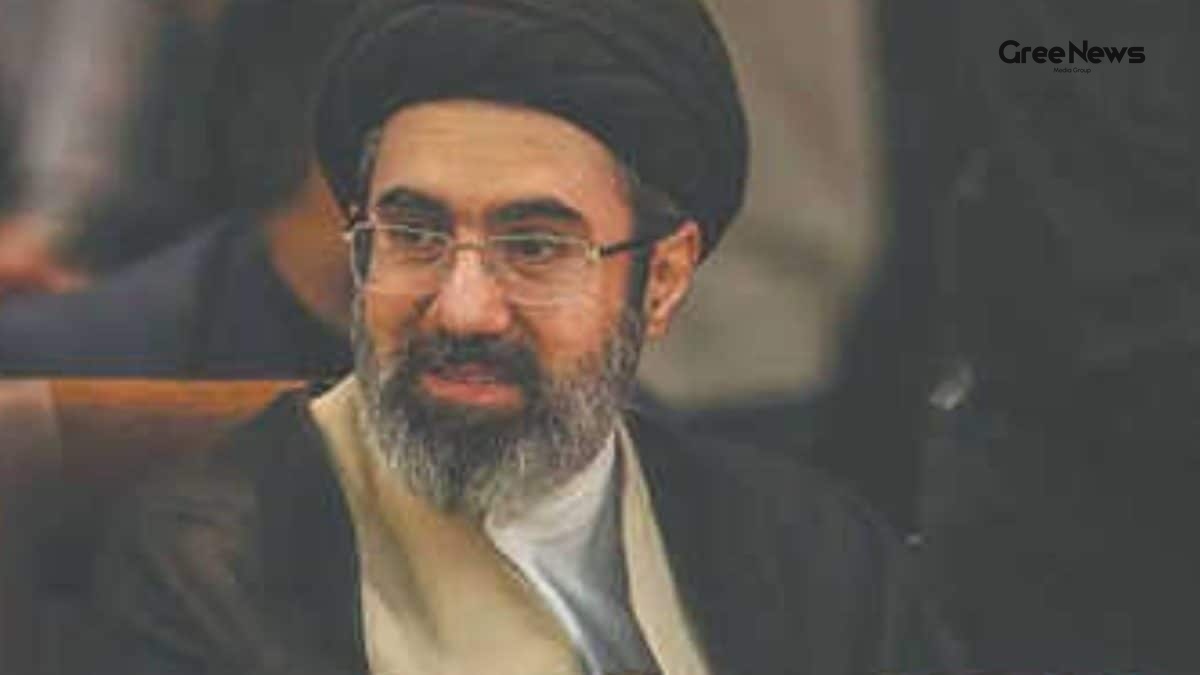
More than six weeks after Mojtaba Khamenei was named Iran’s supreme leader following the assassination of his father, the 56‑year‑old cleric has yet to make a verified public appearance a conspicuous absence that may be providing political cover for the officials now guiding the Islamic Republic through one of its gravest crises.
Is Mojtaba Khamenei actually talking to anyone?
Statements that are supposedly from Mojtaba Khamenei have been read on national television or posted on social media. The regime has also circulated what analysts have described as AI‑generated video footage of him delivering messages, fuelling speculation about his condition. I remember scrolling through my Twitter feed and seeing a clip where the voice sounded exactly like what I’d expect from a supreme leader, but the visual was clearly a deep‑fake it felt like watching a viral news clip that was meant to calm nerves rather than inform.
Last month, it was widely reported that Mojtaba Khamenei sustained a fractured foot, a bruised left eye and minor facial lacerations in the same wave of strikes that killed his father Ayatollah Ali Khamenei. The injuries explain why Mojtaba Khamenei hasn’t been seen, but they also raise a question that most people are whispering about how much does Mojtaba Khamenei actually know about the day‑to‑day negotiations happening behind the scenes?
Is Mojtaba Khamenei in the loop?
Ali Vaez, Iran project director at the International Crisis Group, told CNN that it appears Mojtaba Khamenei “is not in a state where he can actually make critical decisions or micromanage the talks" but that “the system is using him to get final approval for key broad decisions and not the tactics for the negotiations."
The analyst added that the regime is deliberately highlighting Mojtaba Khamenei’s involvement because “it provides a protective shield" for negotiators against internal criticism. He said, “Unlike his father, who would come out regularly and comment on the state of negotiations. Mojtaba Khamenei is missing in action, so attributing views to him is a good cover for Iranian negotiators to protect themselves from criticism."
What struck me as I read this was how the whole strategy resembles a game of hide‑and‑seek, only the stakes are a multi‑billion‑dollar nuclear deal. It feels like something we hear about in Bollywood movies where the hero’s identity is kept secret to protect the mission, but here it’s a real‑life political play that is becoming part of the trending news India follows each day.
Who is actually calling the shots?
With the supreme leader sidelined from public view, Iran’s surviving political establishment has rallied around a small set of figures to project an image of continuity. Mohammad Bagher Ghalibaf, the long‑serving parliament speaker and former Islamic Revolutionary Guard Corps commander, has emerged as one of the most prominent faces of the Islamic Republic in the current period. He led Iran’s delegation in the first round of nuclear and ceasefire negotiations with the United States in Islamabad and has since delivered a national address aimed at reassuring the public about the cohesion of Iran’s leadership.
Ghalibaf was joined in Islamabad by Foreign Minister Abbas Araghchi and a large delegation of officials. I watched a news clip where Abbas Araghchi declared the Strait of Hormuz open for commercial shipping a move that many on the streets of Mumbai and Hyderabad called a bold step, but it instantly sparked a wave of criticism from regime supporters who accused him of handing Washington an unearned victory.
These moments illustrate how the power vacuum is being filled by a handful of familiar names that the Iranian public already knows, and they are being used to keep the narrative of stability alive. The whole scenario feels like a live‑streamed cricket match where the umpire disappears for a few overs, and the captains have to keep the game going without losing the crowd’s interest.
Is Mojtaba Khamenei’s absence sustainable?
Mojtaba Khamenei’s invisibility has not gone unnoticed at home. When Abbas Araghchi declared the Strait of Hormuz open for commercial shipping, he came under fire from regime supporters who accused him of handing Washington an unearned victory. Iranian President Masoud Pezeshkian separately drew criticism after he apologised to Arab neighbours and declared there would be no further attacks against them. Such episodes illustrate the pressure bearing down on officials operating without a publicly active supreme leader.
Every time a senior official speaks, social media in India lights up with comments linking the remark back to the missing supreme leader a clear sign that the story has become part of viral news cycles, feeding the curiosity of netizens across the subcontinent. In most cases, people on Indian forums are asking, "Will Mojtaba Khamenei ever appear on TV?" and "What does his silence mean for the upcoming negotiations?" The fact that these questions keep popping up shows how much the audience wants a glimpse behind the curtain.
From my point of view, the whole arrangement could crumble if any of the front‑line figures slip or if a new scandal erupts. Imagine a scenario where a leaked video shows Mohammad Bagher Ghalibaf arguing with a junior officer that could be the moment where people finally demand to see Mojtaba Khamenei, turning the whole political conundrum into breaking news that spreads like wildfire across Indian cities.
What does this mean for the US‑Iran talks?
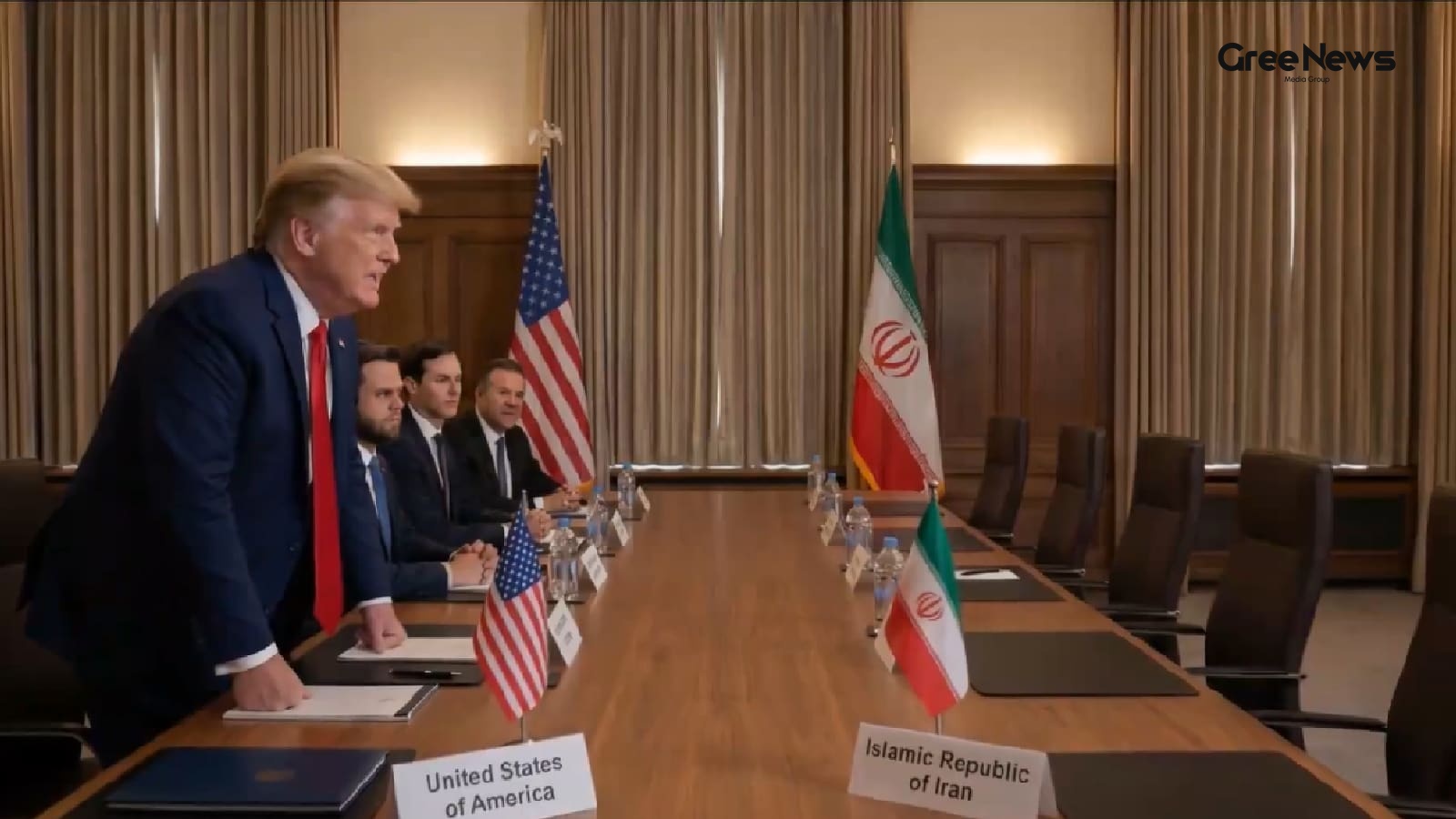
The absence of a visible supreme leader creates a unique diplomatic environment. Foreign diplomats from Washington have reported that they are often told, "We have the final nod from Mojtaba Khamenei," even though there isn’t a single video of Mojtaba Khamenei speaking. This creates a strange kind of tension the US negotiators are trying to read between the lines of AI‑generated clips while Iranian officials claim they are acting under the supreme leader’s authority.
For the average Indian reader, this might sound like a plot twist in a TV drama, but the reality is that the negotiations affect oil prices, regional security, and even the price of wheat in Punjab. That’s why the story keeps trending on social media platforms like X and Instagram, and why the news portals keep tagging it with trending news India, breaking news, and latest news India.
In most cases, the negotiators are using Mojtaba Khamenei’s anonymity as a safety net if a proposal fails, they can simply say, "It wasn’t approved by the supreme leader," and walk away without personal blame. That is a clever strategy, but it also raises ethical questions about transparency something that many activists in India are already voicing in online forums.
How the Indian audience is reacting
Across Indian cities, from Delhi’s bustling markets to Bangalore’s tech parks, people are sharing clips of the AI‑generated videos and debating whether they look authentic. The story has become a meme, with captions like "When you’re the supreme leader but the camera won’t work" spreading like wildfire. This kind of user‑generated content is exactly what makes a story go viral, and it’s a clear indicator that the piece has moved from just breaking news to a full‑blown cultural moment.
Even the older generation, who usually stick to traditional newspapers, are picking up the story because the journalists are framing it as a pivotal moment in Iran‑US relations. They see parallels with historic moments in Indian politics where a leader’s health or visibility impacted the nation’s direction, and that makes the story resonate on a personal level.
In most conversations I’ve had with friends, the key takeaway is that the absence of Mojtaba Khamenei is not just a personal health issue it’s a political tool being used to protect the negotiators, while at the same time keeping the public in a state of curiosity. That curiosity, as the article shows, is what keeps the story alive in the trending news India feeds.
Final thoughts will the veil ever lift?
Looking at the bigger picture, the whole episode serves as a reminder that politics is often played behind closed doors, and the public gets only the curated version. Whether Mojtaba Khamenei will ever appear on screen, or whether the AI‑generated clips will keep feeding the narrative, remains to be seen. What is certain, however, is that the story will continue to dominate the latest news India, the breaking news cycles, and the trending news India sections for weeks to come.
Until then, we, as readers, keep scrolling, sharing, and debating because in a world where a supreme leader can stay invisible, the only thing we can rely on is the power of curiosity and the endless stream of viral news that connects us all.