Shashi Tharoor’s take on Pakistan’s role in the West Asia cease‑fire talks
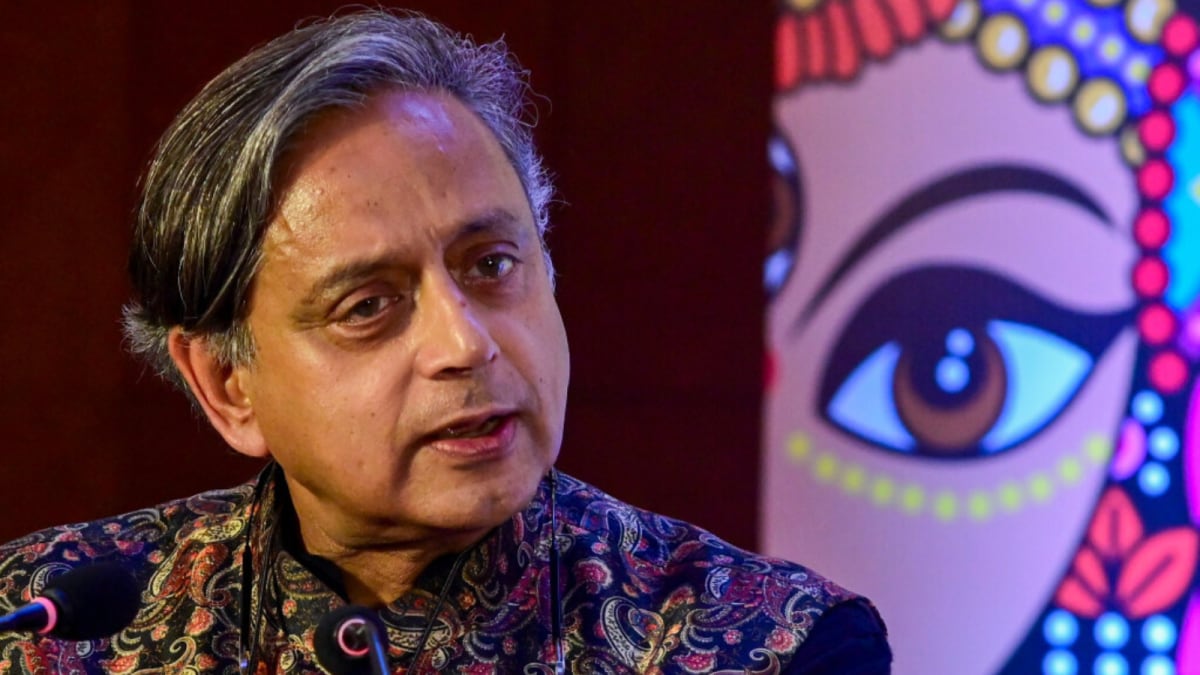
So, the other day I was scrolling through my feed while waiting for my chai to cool down, and I saw Shashi Tharoor on TV talking about the latest cease‑fire talks in West Asia. It felt a bit like watching a cricket commentary where the bowler is Pakistan, but the umpire behind him is the United States. Shashi Tharoor said, quite plainly, that Pakistan might not be the one who started this whole peace process. Instead, it could be that Washington is using Pakistan like a fig leaf – a kind of convenient cover that makes the whole thing look more regional than it actually is.
But here’s the twist that Shashi Tharoor pointed out: even if that’s true, Pakistan’s involvement is still ‘significant’. Why? Because Iran has openly said that Pakistan is part of the conversation. That acknowledgment, coming from Tehran, adds a layer of seriousness to Islamabad’s diplomatic efforts.
The draft slip‑up that gave everyone a chuckle
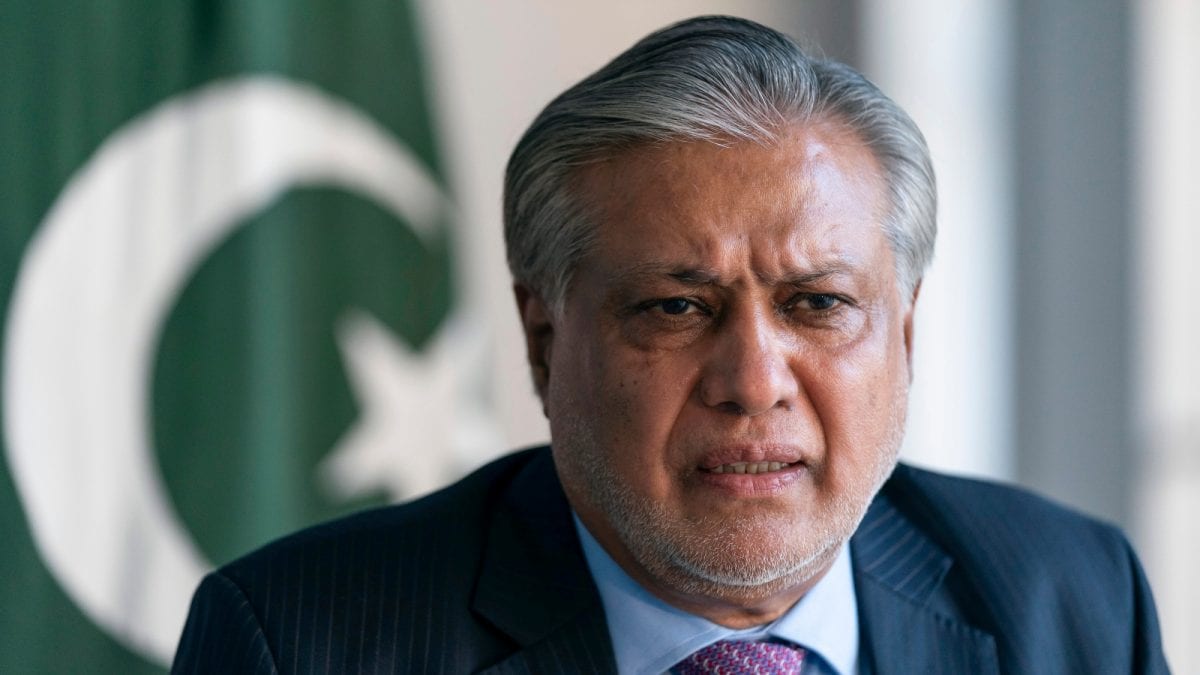
Now, imagine you’re about to post a big announcement on X (the platform we all know as Twitter), and you forget to delete the word “Draft” before hitting “share”. That’s exactly what happened with Pakistan Prime Minister Shehbaz Sharif. Shashi Tharoor mentioned this little gaffe – the premature posting of a cease‑fire announcement with the word “Draft” still attached – as a reminder that even the most important diplomatic moves can have human errors. It made me think of the time I sent a WhatsApp message to my neighbour about a power cut, but accidentally attached a screenshot of my grocery list. Little things like that remind us that politics is run by people, not robots.
Shashi Tharoor didn’t just laugh it off; he used it to illustrate the fragile nature of communication in high‑stakes negotiations. If a simple word can cause a stir, imagine the complexities when entire nations are trying to find common ground.
Why Pakistan’s geography matters
One thing Shashi Tharoor highlighted, and which resonates with anyone who has driven through border towns, is Pakistan’s physical closeness to Iran. The two share about 900 kilometres of border – that’s roughly the distance from Delhi to Kolkata, if you can picture it. This isn’t just a line on a map; it’s a corridor for trade, culture, and, importantly, influence.
Think about the daily life in the border districts – markets that sell Iranian saffron alongside Pakistani mangoes, families that speak both Urdu and Persian, and religious gatherings that blend traditions. That kind of proximity means Pakistan can act as a conduit for messages that might not travel easily otherwise. Shashi Tharoor stressed that this geographic factor gives Islamabad a sort of “skin in the game” that no other outsider can claim.
The Shia factor – 40 million voices
Shashi Tharoor also reminded us of the demographic reality: there are around 40 million Shia Muslims in Pakistan. That’s a massive community, comparable in size to the entire population of a state like Uttar Pradesh. Their religious ties to Iran create a cultural bridge that can be used for diplomatic outreach.
In my hometown of Lucknow, we have significant Shia populations who observe Muharram with deep reverence. The way families gather for majlis, reciting poetry and lamenting, creates a shared emotional space. When a country has a sizeable community that feels a spiritual kinship with the other side of a conflict, it can become a channel for quiet dialogue, back‑channel messages, and empathy that formal diplomatic talks sometimes lack.
Field Marshal Asim Munir and the US connection
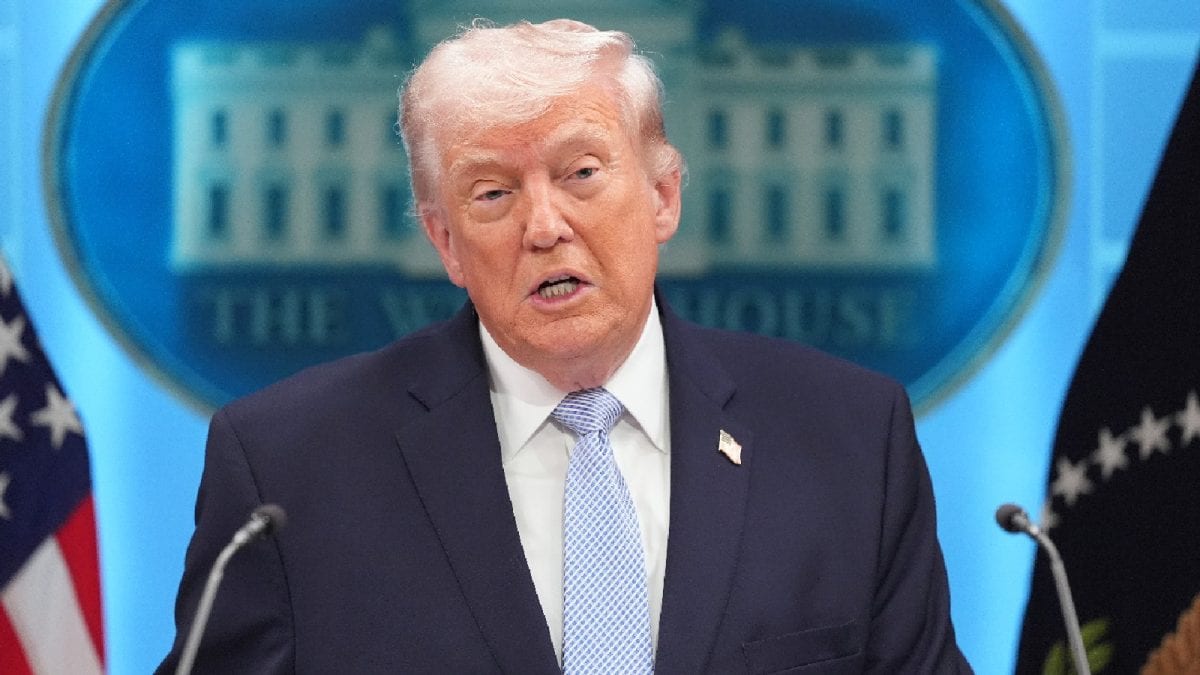
Another piece of the puzzle Shashi Tharoor brought up is the relationship between Field Marshal Asim Munir and the United States. Shashi Tharoor mentioned that former President Donald Trump has described Field Marshal Asim Munir as his favourite Field Marshal. Whether that’s a genuine admiration or a diplomatic nicety, it shows that there is a personal rapport that can ease conversations.
Imagine you’re at a wedding and two uncles, who have known each other for decades, start talking about the family history – they can skip the formal introductions and get straight to the point. In the same way, the operational factor of Field Marshal Asim Munir being on good terms with Washington could help smooth over tense moments, making it easier for Pakistan to act as a mediator.
India’s stance – why we should care
Shashi Tharoor didn’t just talk about Pakistan and the United States; he also reminded us – the Indian audience – why we should care about any peace initiative, no matter who is leading it. “We want peace because the war is hurting us,” Shashi Tharoor said. That line struck a chord with me, because even when we’re not directly involved, the ripple effects of a war in West Asia reach our borders – through oil prices, refugee flows, and even the news cycles that dominate our evening discussions.
In my own experience, the price of petrol spikes whenever there’s tension in the Middle East. My neighbour in Mumbai once joked that the price of biryani goes up when oil goes up. And when conflict intensifies, we hear about a swell of refugees trying to find safety, some of them ending up in Indian camps or moving through the Himalayan passes. So, supporting any genuine peace effort is not about taking sides; it’s about protecting our own people’s livelihood.
Putting it all together – why the mediation matters
To sum up, Shashi Tharoor’s analysis gave me a clearer picture of why Pakistan’s role, despite any hidden agendas, is a critical piece of the peace puzzle. The country’s shared border with Iran, the large Shia population, the personal ties of Field Marshal Asim Munir with the United States, and even the occasional social‑media slip‑up by Shehbaz Sharif all combine to make Islamabad a unique conduit for dialogue.
It reminded me of the old Indian proverb: “Jaisa desh, waisa bhesh.” The more the mediator resembles the parties involved, the easier it is for them to understand each other’s concerns. In this case, Pakistan is geographically and culturally closer to Iran than many other players, which gives it a kind of credibility that a distant power might lack.
And, as Shashi Tharoor made clear, even if Washington is using Pakistan as a fig leaf, that doesn’t erase the fact that the ground reality – the people, the border towns, the shared faith – still matters. Those ground realities can’t be engineered from a boardroom in Washington; they have to be nurtured by a neighbour who lives next door.
Personal reflections – why I keep following this
Honestly, I find myself checking the news more often than I’d like, just because I know that any escalation can impact the price at the tea stall, the cost of a train ticket, or even the mood in the office. When Shashi Tharoor talks about peace, I feel a little hope – a belief that maybe, just maybe, somewhere behind the scenes, a Pakistani diplomat, a US official, and an Iranian representative are whispering the kind of compromises that could stop more bloodshed.
It’s like waiting for the monsoon after a long summer drought – you know that the clouds are forming, you just need that first drop to start the rain. The diplomatic “first drop” might be a draft statement that accidentally goes live, or a phone call between Field Marshal Asim Munir and a US secretary. Whatever the form, the hope remains that the storm will pass, and peace will finally settle over the region.
Looking ahead – what can India do?
Shashi Tharoor’s final point was clear: India should support any genuine effort that pushes the region toward peace, irrespective of who is brokering it. That means keeping diplomatic channels open, offering humanitarian assistance if needed, and perhaps even using our own influence to encourage both Iran and Pakistan to stay committed to the cease‑fire process.
For us, it could also mean being ready to absorb any spill‑over effects – whether that’s a sudden surge in refugees moving towards our borders or shifts in global oil supply that affect the rupee. By staying engaged, India can protect its own interests while also contributing to a broader regional stability that benefits everyone, from Delhi to Dhaka, from Tehran to Karachi.