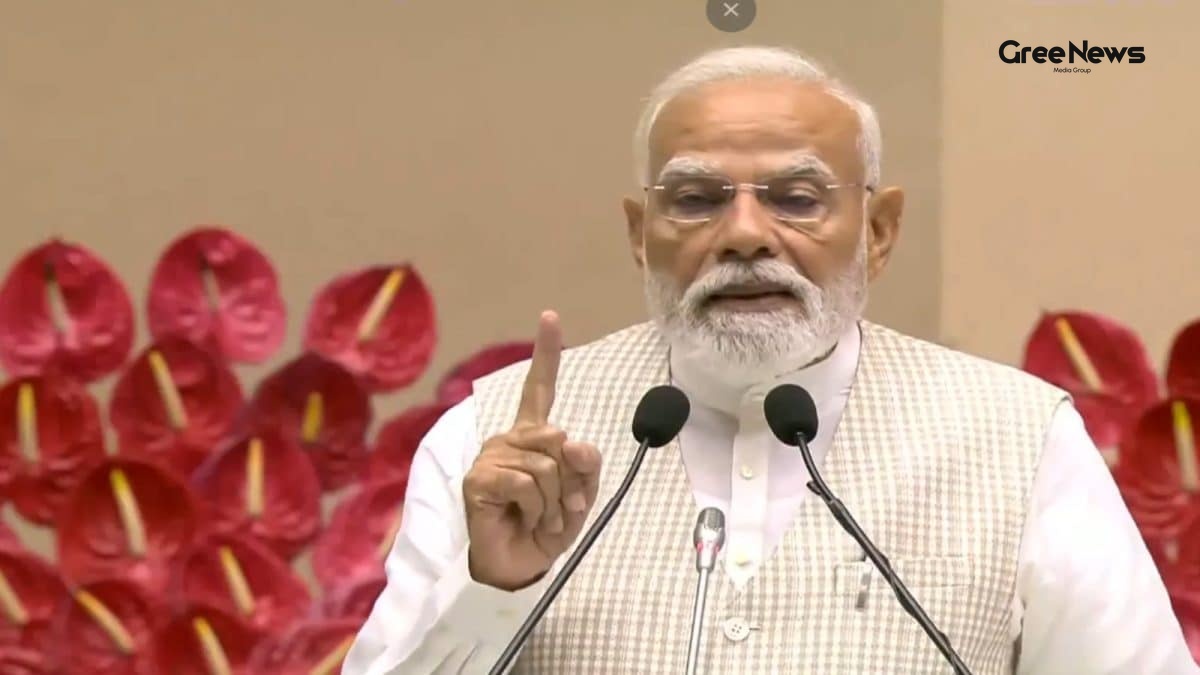
What prompted PM Modi to write this letter?
Honestly, when I first saw the post on X, I thought it was just another routine political statement. But as I read through the paragraphs, it felt more like a personal conversation almost as if Modi was sitting down with his sister and telling her why this matter matters to every Indian family. He wrote directly to India’s “Nari Shakti”, the body that champions women’s rights, urging them to push the long‑pending women’s reservation bill forward. That was the first clue that this wasn’t just any announcement; it was a piece of breaking news that could shape the next decade of our democracy.
In the letter, Modi stresses that women across the nation are cheering for a fixed quota in both Lok Sabha and state assemblies, a move that would finally address a gap that has existed for decades. He even mentions the upcoming 2029 elections as the milestone when this reservation should become a reality. It’s fascinating how a single statement can set the stage for what is quickly becoming the most talked‑about story in the latest news India circles.
A personal take on the emotional tone
Reading the letter felt a bit like hearing a close friend explain why they’re passionate about a cause. Modi uses phrases like “our mothers, sisters and daughters” which instantly reminded me of my own family’s dinner table discussions about gender equality. He paints a vivid picture of Indian women’s achievements from tech startups in Bengaluru to self‑help groups thriving in the heartland. This relatable style made the message feel less like a policy brief and more like a heartfelt appeal, something I’d actually want to share with my neighbours over chai.
He also adds that the “active participation of women is absolutely non‑negotiable”. That line struck a chord with me because it mirrors the everyday reality I see: women often juggling work, household duties and community responsibilities, yet still finding space to innovate. When he says, "the daughters of India cannot be asked to wait endlessly for what is rightfully theirs," you can sense the urgency that many of us feel especially after seeing countless viral news clips of women leaders making a difference.
Tribute to Dr. B.R. Ambedkar and its significance
One part of the letter that surprised many readers including me was the tribute to Dr. B.R. Ambedkar. Modi started his message on the anniversary of Ambedkar’s birth, calling him a "foundational figure" of the nation. It felt like he was weaving historical reverence into a modern demand, linking the constitutional values Ambedkar championed to today’s push for gender‑balanced representation.
He wrote, “Today, 14 April, is a day that holds immense significance in India’s history… I pay tribute to him and recall his commitment to constitutional values which continues to guide our journey.” This line was not just a nod to the past; it was a subtle reminder that the amendment for women’s reservation would be another step in fulfilling the Constitution’s promise of equality.
When I shared this snippet with my cousin, who’s studying law, she said it was a brilliant way of framing the amendment as a continuation of Ambedkar’s vision, turning what could have been a dry legislative update into trending news India material that sparks genuine conversation.
Why the women’s reservation bill matters now
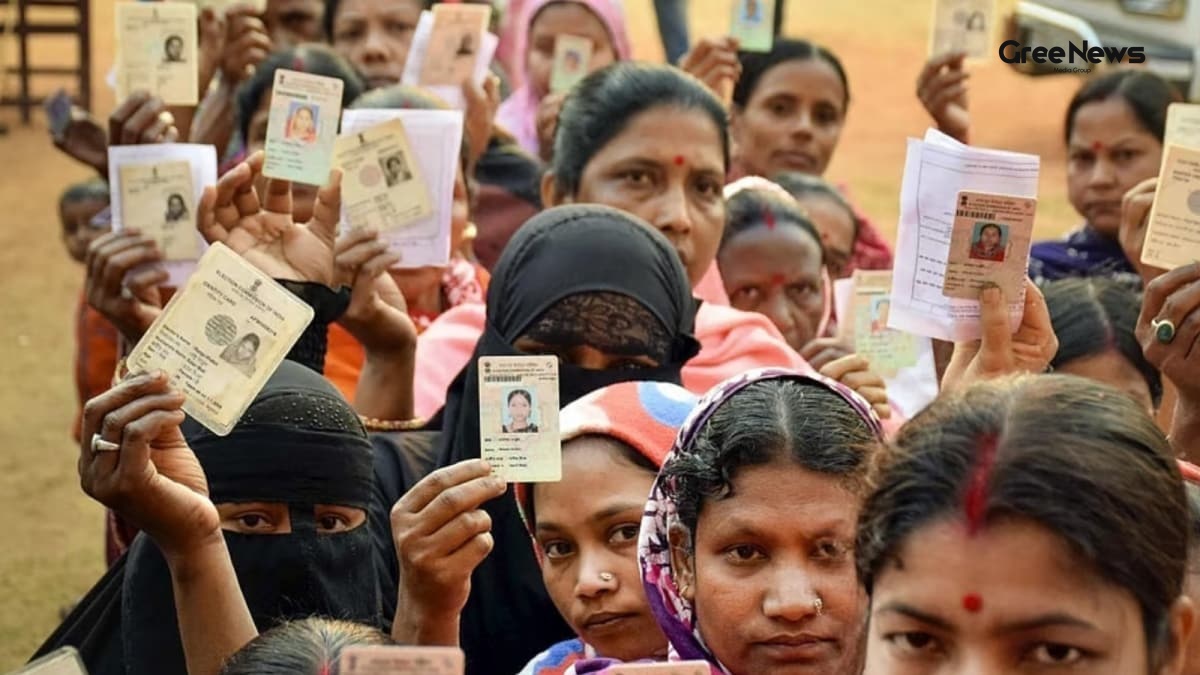
Let’s talk about the practical side of things. The reservation bill, if passed, would earmark a specific percentage of seats for women in both Parliament and state assemblies. This isn’t just a symbolic token; it would mean that women get a guaranteed voice in legislative decisions from budgeting to policy formulation.
What caught people’s attention was the timing. With the next Lok Sabha elections slated for 2029, the amendment could be in place well before the ballots are cast. The excitement around this possibility has turned the message into viral news, with countless memes and short videos circulating on social media, each highlighting a different benefit whether it’s better health policies or stronger education reforms driven by women leaders.
From my own perspective, I see this as an opportunity for families like mine to see more women stepping into roles that were traditionally male‑dominated. Imagine a village council where women’s perspectives on irrigation aren’t just heard but actually shape the decisions. That’s the kind of change the letter is urging us to anticipate.
Calls for unity and political cooperation
Modi’s letter didn’t just stop at praising women’s achievements; he explicitly called on political parties to set aside differences and support the amendment. He warned that further delays would be a disservice to “the daughters of India”. This appeal to unity felt like a personal plea one you might hear from a neighbour urging the community to act together for a common good.
He also linked the reform to the broader vision of a “developed India by 2047”, the centenary of our independence. That statement creates a forward‑looking narrative, making the reservation bill not just a policy tweak but a cornerstone of our long‑term development plan. It’s a narrative that resonates with many of us who are always looking for that next big step toward progress.
What’s interesting is that he didn’t just address politicians; he reached out to citizens too. He encouraged people to talk to their local representatives, essentially turning every Indian into a stakeholder in this historic change. That’s the kind of grassroots mobilisation that often turns breaking news into a sustained movement.
Public reaction and the buzz on social media
After the post went live, the comment section exploded. I saw a mix of excitement, hope, and some scepticism the usual cocktail you get with any major policy announcement. Many users shared personal stories of women in their families who have faced barriers, adding a human touch that made the discussion feel less abstract.
One viral tweet that caught my eye said, "If my mother’s voice can finally be heard in Parliament, imagine what this means for my sister’s future." It was shared thousands of times, making it one of the most talked‑about pieces of trending news India for the day.
Even mainstream media picked up the story, publishing pieces titled "PM Modi’s letter to Nari Shakti: A turning point for women’s reservation" and "India’s upcoming parliamentary amendment could reshape democracy". The fact that both traditional outlets and digital platforms are covering it shows how the story has become an integral part of the latest news India landscape.
Connecting the dots: From grassroots to the Parliament floor
What I love about this whole episode is how it ties together stories from the village level to the highest echelons of power. Modi mentions women‑led startups, athletes, and self‑help groups as evidence that women are already driving change. By framing the reservation bill as a natural next step, he turns a policy proposal into a continuation of what many of us already see day‑to‑day.
Think about the women in your neighbourhood who sell homemade pickles or run small tailoring units their decisions impact local economies. When those same women get a seat at the legislative table, their on‑ground insights could directly influence national policies on small business support, skill development, or even digital inclusion. That’s a powerful narrative that keeps people engaged and makes the article feel like a story you can relate to.
Potential challenges and the road ahead
Of course, like any major reform, the reservation bill isn’t without its hurdles. Some political analysts have raised concerns about the logistical aspects of implementing a quota, especially in states with diverse demographic compositions. Others worry about possible backlash from groups that feel their representation might be diluted.
Modi’s letter, however, tries to pre‑empt these concerns by appealing for “unity” and “non‑negotiable participation”. He’s essentially saying that the benefits far outweigh the challenges a stance that mirrors the optimism many of us feel when we hear about positive change.
From a personal viewpoint, I think the real test will be in the next Parliament session, where the amendment will be debated. If the government can rally enough cross‑party support, we might witness a historic moment that will be remembered as one of the most significant legislative milestones in recent Indian history.
Connecting to global headlines
Interestingly, the original article ended with brief mentions of “Israel Iran War News” and “Iran US Ceasefire”. While these topics seem unrelated, they remind us that while India grapples with internal reforms, the world is watching other major geopolitical events. It’s a subtle reminder that our focus on women’s empowerment is part of a larger tapestry of global news, where each nation’s progress adds to the collective story.
Even as these international headlines dominate some news cycles, the buzz around women’s reservation in India continues to gain traction, proving that domestic issues can hold their own against even the most intense global developments.
Final thoughts why this matters to all of us
To sum it up, PM Modi’s letter to Nari Shakti isn’t just another political communiqué; it’s a personal, emotive call that has turned into one of the biggest pieces of breaking news India is seeing right now. It weaves together history, current achievements, and future aspirations into a narrative that feels both relatable and urgent.
Whether you’re a student, a homemaker, a small‑business owner, or a senior citizen, the prospect of women having guaranteed representation in our legislative bodies can affect everyday life from better healthcare policies to stronger education systems. That’s why many of us are watching this development closely, sharing it with friends, and discussing it over our evening tea.