The report mentioned that areas such as Shah Khalid Colony, Gulzar-e-Quaid, Airport Housing Society and nearby localities saw Wor

Honestly, when I first heard that the city was being turned into a sort of lockdown, I thought it was just another news bite. But then the next morning, stepping out of my flat in a neighbourhood not far from Airport Housing Society, I saw containers stacked like bricks on Old Airport Road and barbed wire stretching across the lane. It felt a bit like watching a movie set of a war scene, except this was real life right here in Islamabad.
Security Clampdown Across the Twin Cities
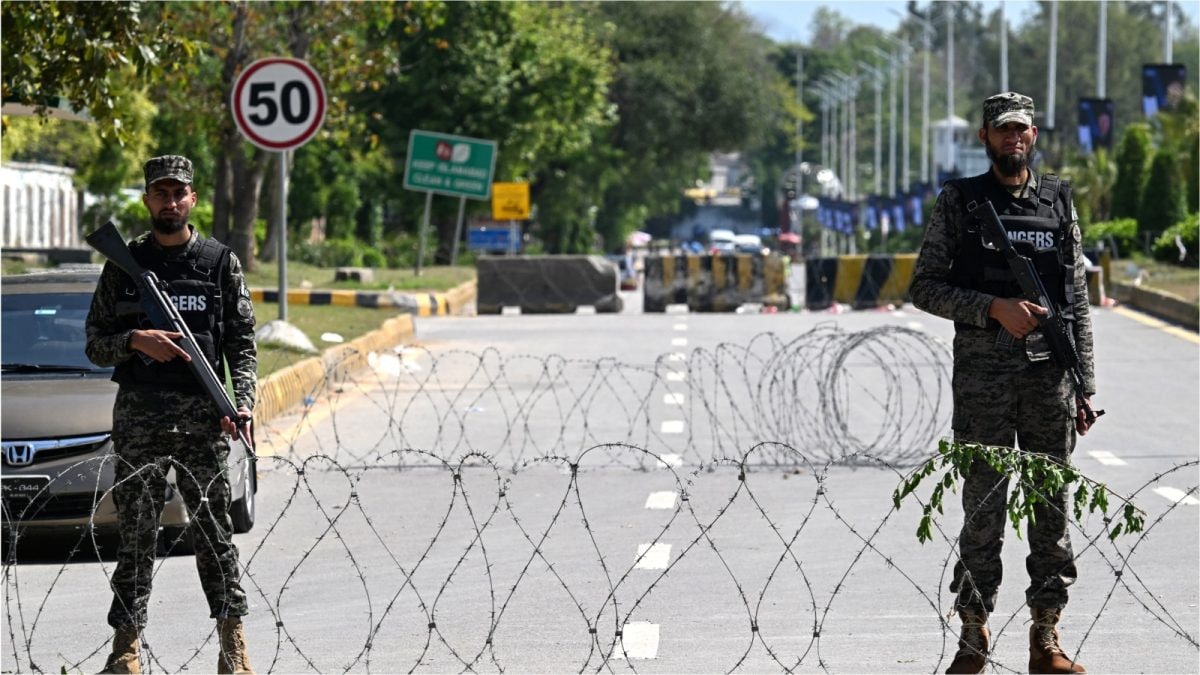
Residents in parts of Rawalpindi and Islamabad were confined to their homes after authorities imposed sweeping security measures ahead of US‑Iran talks in the Pakistani capital, according to Dawn. Over 5,000 police personnel were positioned at key points, and more than 350 checkpoints sprouted like mushrooms across the cityscape. I saw police vans parked at every corner of Shah Khalid Colony, and even the tiny lanes of Gulzar-e-Quaid were buzzing with officers checking IDs. The whole vibe was that of a massive operation, not just a routine check.
What really struck me was how quickly the normal hustle of the streets turned into a guarded corridor. In most cases, the security forces allowed only vehicles with clear permits to pass, and even those had to stop for a quick scan. It reminded me of the way Delhi’s roads get sealed during big political rallies – the only difference here was the sheer scale and the fact that it happened overnight.
Roads Shut, Movement Stopped
Roads leading to Nur Khan Airbase, including Old Airport Road, were sealed with containers and barbed wire, effectively cutting off multiple neighbourhoods. The report mentioned that areas such as Shah Khalid Colony, Gulzar-e-Quaid, Airport Housing Society and nearby localities saw movement restricted, with residents unable to step out. I remember standing on my balcony, watching a line of red‑and‑white containers spill onto the road, blocking every car that tried to move. It felt like the city’s arteries were being clamped shut.
Because of these blockades, people who usually drive to work or send their kids to school had no choice but to walk long distances to the nearest allowed crossing. I joined a small group of commuters who trekked about two kilometres from Shah Khalid Colony to a checkpoint that was still open. We chatted about the heat, about the sudden inconvenience, and about how we would have to buy groceries in bulk before the next round of closures.
Public Transport Came to a Halt
According to reports, public transport services were disrupted, with metro and electric bus routes either curtailed or suspended. The Metrobus that usually zips through the city centre was nowhere to be seen, and the electric buses that run along the route to Nur Khan Airbase stopped at an early point. I saw a couple of electric buses turned around at the gate of Airport Housing Society, their drivers looking puzzled as they tried to find an alternate route.
Commuters were forced to walk long distances after being dropped off at alternate locations, while traffic congestion was reported across key junctions. It reminded me of the traffic chaos in Chennai during festival times – narrow lanes, honking horns, and a sea of people trying to find any way to move. In most cases, people resorted to using auto‑rickshaws that were allowed to cross, but even those were limited in number.
Local Hardship and Supply Shortages
The restrictions led to shortages of essential supplies in several areas, with residents reporting difficulties in accessing food, water and medicines. Markets and shops in sensitive zones were shut, further adding to the strain. I drove past a small grocery store in Gulzar-e-Quaid that had its shutters down, the owner having left early in the morning to avoid being caught in the security nets.
People started queuing outside the few open shops that remained, sometimes waiting for hours just to buy a packet of wheat flour. It reminded me of the ration lines we see in small towns during heavy monsoon floods – everyone waiting, everyone anxious, and the air thick with a mix of hope and frustration.
Students returning from exams and daily commuters were among those most affected, as road closures and diversions brought movement across the twin cities to a near standstill. My nephew, who was sitting for his board exams, had to stay at home for days longer than expected because the bus routes to his college in Islamabad were suspended.
Personal Observations From the Ground
Honestly, the whole situation felt surreal. I have lived in Islamabad for more than a decade, and I have seen curfews during elections, but never something that combined massive container barriers, barbed wire, and a police presence of over five thousand personnel. The city’s usual buzz was replaced by a strange silence broken only by the occasional radio announcement reminding citizens to stay indoors.
In most cases, neighbours started checking on each other more often. I saw a lady from Shah Khalid Colony bringing extra water bottles to an elderly couple who could not move out of their house. It was a small act, but it captured the spirit of community that rises during tough times – something we Indians are familiar with during floods or power cuts.
Even the children on the streets seemed quieter. Instead of playing cricket in the alleys, they were peeking through the fences, watching the police patrols. I could hear the distant sound of a school bell from a distance, but the usual chatter was missing.
Official Rationale Behind the Measures
The administration said the measures were part of a broader security plan to ensure safe movement of foreign delegations and maintain order during the high‑level talks. While the officials emphasized the need for security, many of us on the ground felt the price was a heavy one for the ordinary citizen. In most cases, the narrative was that these precautions were temporary, but the disruption lasted longer than most expected.
Looking at the bigger picture, I can understand the need for tight security when a high‑profile meeting between the US and Iran is set to happen in the Red Zone of Islamabad. The stakes are high, and any slip could have serious repercussions. Yet, the way the security forces executed the plan – sealing off Old Airport Road, erecting barbed wire, and deploying thousands of officers – turned daily life into a challenge.
In the end, I think the experience teaches us a lesson about balancing national security with civilian convenience. Just like when we have to close a school for a government inspection, we need to find ways to keep essential services running, so that people don’t feel completely cut off.
Looking Ahead
Now that the talks have concluded, the containers are slowly being removed, and the barbed wire is being taken down. However, the impact of this brief but intense lockdown will stay with many of us for a while. I still see a few checkpoints lingering near Nur Khan Airbase, and some residents are just starting to restock their pantries after weeks of scarcity.
For anyone planning to visit Islamabad or Rawalpindi in the near future, it’s worth keeping an eye on local news for any sudden security updates. And for those of us living here, the experience has reinforced the importance of community ties – a neighbour’s help can make a huge difference when the city itself feels like it’s under a siege.
In most cases, life will return to normal soon, but the memory of the barbed‑wire‑lined streets will remind us how quickly ordinary days can turn into extraordinary challenges.