Biocon Targets One‑Fifth of Global Insulin Users as Industry Realigns
Vision Set in Numbers
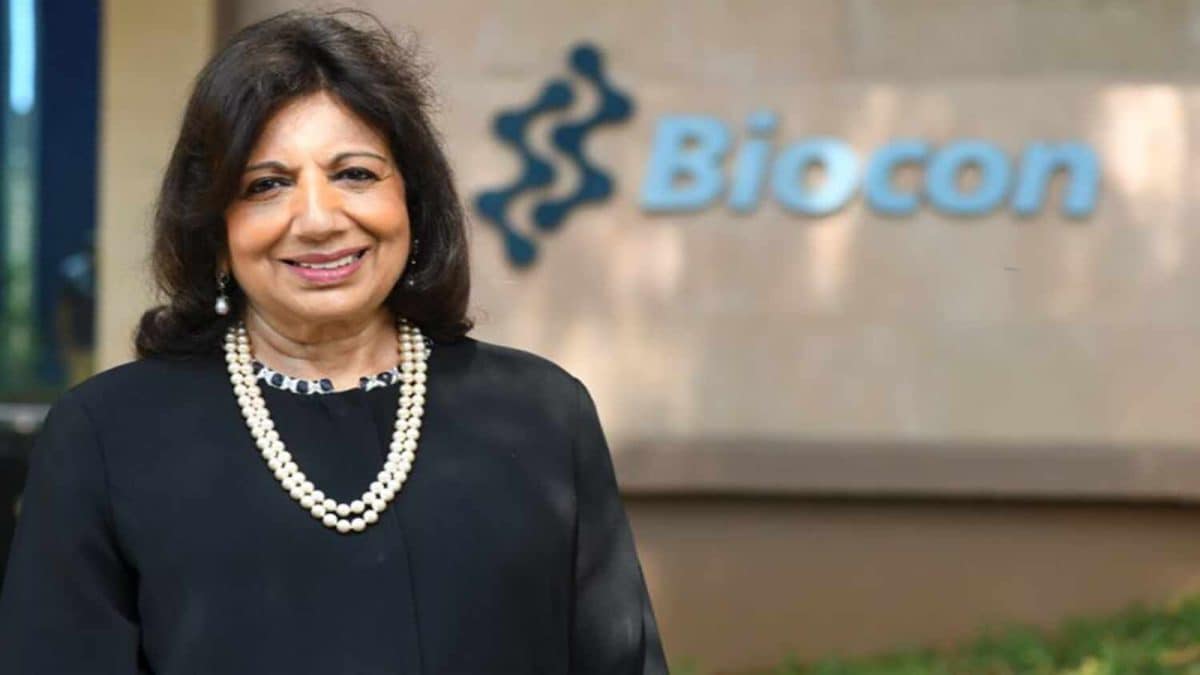
Kiran Mazumdar Shaw has a single figure in mind: one in five. That proportion represents the share of insulin users worldwide that Kiran Mazumdar Shaw hopes will be treated with a Biocon product. The ambition, Kiran Mazumdar Shaw explained, could materialise within a couple of years, a few years, or perhaps even sooner.
“We are hoping to become the insulin company of the world,” Kiran Mazumdar Shaw affirmed.
Industry Shift Creates a Strategic Opening
Large insulin manufacturers are gradually moving away from the production of insulin in cartridges and pen devices. Their strategic focus is shifting toward the lucrative GLP‑1 market, which offers higher growth potential. This pivot leaves a gap in the supply of pen‑based insulin, a gap that Kiran Mazumdar Shaw believes Biocon can fill.
The global insulin landscape is undergoing a quiet but consequential upheaval. Legacy pharmaceutical giants, long the dominant force in diabetes care, are redirecting capital and manufacturing capacity toward GLP‑1 receptor agonists such as semaglutide and liraglutide, which have surged in demand as obesity treatments. In doing so, those giants are stepping back from the lower‑margin, operationally intensive business of insulin production, particularly in pen devices and cartridge formats. “The majority of players in this space are looking to exit,” Kiran Mazumdar Shaw said.
Biocon’s Geographic Coverage and Market Priorities
Biocon currently holds regulatory approvals in eighty markets. While Biocon cannot yet precisely size the total addressable opportunity across all approved territories, the company is concentrating its immediate commercial efforts on three distinct categories: the United States, the European Union, and a set of twenty high‑priority emerging economies.
This tri‑regional focus reflects Biocon’s assessment of market dynamics, reimbursement environments, and the relative demand for insulin products in each jurisdiction.
Biosimilars as the Foundation of Growth
The evolution of Biocon’s product portfolio has been driven largely by biosimilars. Today, biosimilars constitute sixty‑five per cent of Biocon’s total revenue. These complex biological medicines require deep expertise in manufacturing and are difficult for generic competitors to duplicate, giving Biocon a competitive advantage.
Generics account for roughly twenty per cent of Biocon’s revenue. Kiran Mazumdar Shaw described that segment as crowded and fiercely competitive. The remaining revenue is generated from research services, which complement the core manufacturing business.
Diabetes Burden and Market Potential
Shreehas Tambe, the managing director and chief executive of Biocon, highlighted the expanding prevalence of non‑communicable diseases. More than sixty per cent of diseases worldwide now fall into that category. Global diabetes cases are projected to increase by forty‑five per cent, eventually reaching eight hundred million patients.
Shreehas Tambe identified three major therapeutic areas that command the largest portions of healthcare spending: diabetes, oncology, and immunology. Biocon maintains a presence in each of those three domains, positioning the company to benefit from rising expenditures in those sectors.
Insulin’s Irreplaceable Role in Diabetes Care
While GLP‑1 agents are experiencing rapid growth, Kiran Mazumdar Shaw emphasized that insulin remains indispensable. Type‑1 diabetes patients and individuals with advanced Type‑2 diabetes cannot rely on newer therapies alone. Insulin continues to be the essential lifeline for those populations.
“Insulin is indispensable,” Kiran Mazumdar Shaw asserted, underscoring that the therapeutic need for insulin will endure regardless of the expansion of GLP‑1 drug use.
Parallel Development of GLP‑1 Products
Biocon is not ignoring the momentum behind GLP‑1 therapies. Liraglutide has already been launched in Europe, bolstering growth in the generic segment, and further expansion is planned for the United States. Preparations for semaglutide filings are in progress across multiple international jurisdictions.
Nevertheless, the allocation of manufacturing capacity between insulin and GLP‑1 products is governed by margin considerations. Both therapeutic classes share common infrastructure, such as pen devices and sterile fill‑finish lines, which are currently capacity‑constrained.
Kiran Mazumdar Shaw explained that pricing and margin differentials will dictate whether Biocon concentrates more resources on insulin or on GLP‑1 production in specific markets.
Manufacturing Infrastructure and Capacity Expansion
Biocon Biologics operates Asia’s largest integrated insulin manufacturing facility in Johor, Malaysia. To support the goal of becoming the world’s pre‑eminent insulin supplier, Biocon is expanding its footprint through several avenues.
Shreehas Tambe described a multi‑pronged strategy that includes partnerships with United States‑based firms, alliances that provide fill‑and‑finish capacity, manufacturing collaborations, and the development of fully integrated production sites. “Apart from strategic alliances, we have the right set of people to do it,” Kiran Mazumdar Shaw added.
Strategic Partnerships and Market Access
Biocon’s partnership model is designed to accelerate entry into key markets while leveraging existing regulatory pathways. Collaborations with established players in the United States allow Biocon to navigate complex reimbursement landscapes and to secure distribution channels for its insulin portfolio.
Additionally, Biocon is forging relationships with regional distributors in emerging economies, ensuring that insulin products reach patients in areas where access has historically been limited.
Financial Outlook Anchored by Insulin Margins
The financial calculus underpinning Biocon’s strategy places a premium on the profitability of insulin relative to GLP‑1 products. In markets where insulin delivers higher margins, Biocon intends to allocate additional manufacturing slots to insulin, while in markets where GLP‑1 yields superior returns, the company will tilt capacity accordingly.
This flexible approach enables Biocon to respond dynamically to market signals without compromising the long‑term objective of securing a substantial share of the global insulin user base.
Future Prospects and Closing Remarks
Biocon’s ambition to serve one in five insulin users worldwide rests on a confluence of factors: the retreat of traditional insulin manufacturers from pen‑based delivery, a robust biosimilar platform that provides manufacturing expertise, expanding global demand for insulin, and a strategic focus on capacity‑driven margin optimisation.
Kiran Mazumdar Shaw concluded that the convergence of these elements presents a rare opportunity for Biocon to become the leading insulin supplier on the planet.