- Parishmita Saikia
The Hati community’s age‑old tradition meets modern headlines
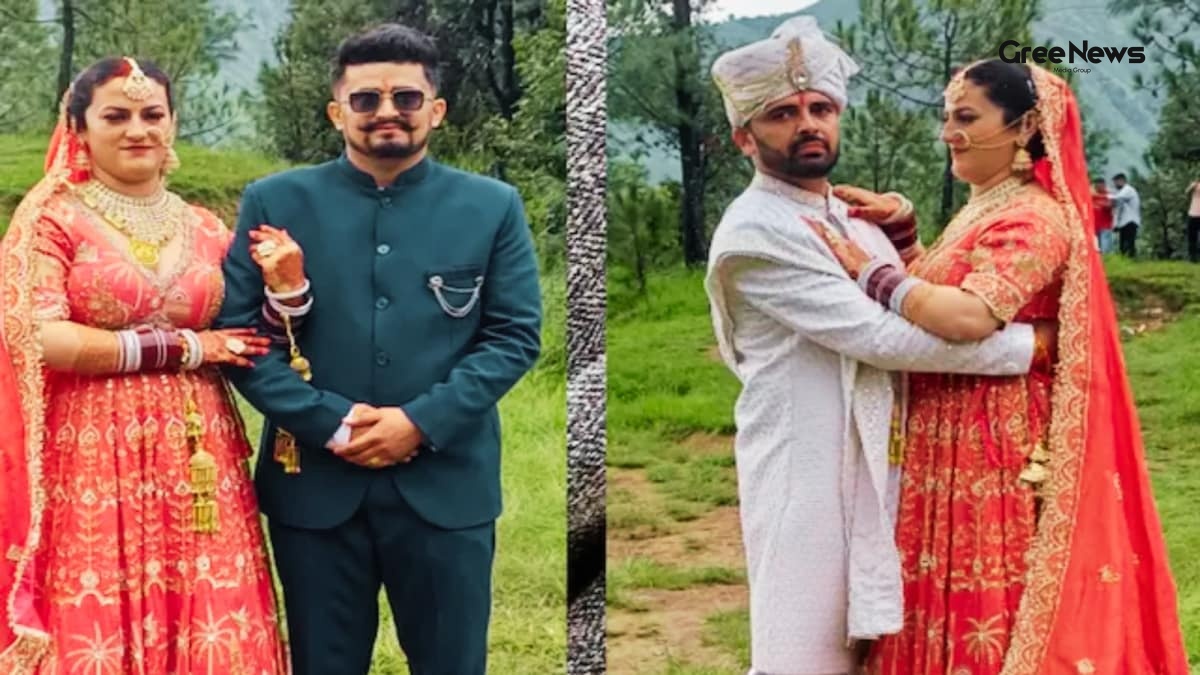
So, have you heard about the ‘throuple’ from Sirmaur? It’s a bit of a head‑turner, especially when you hear it’s making rounds as the latest news India. The Hati community, which lives in the foothills of Himachal, has a custom called ‘Sirmauri Jodidar’ basically, multiple brothers sharing one wife. It’s not something you see every day, but for them, it’s a way to keep family land from being split up. The two brothers Kapil Negi and his younger sibling Pradeep took that tradition to the centre of the nation’s attention when they married Sunita Chauhan together. What happened next is interesting: after almost a year of this unconventional union, Sunita gave birth to a little girl, and the entire story exploded as breaking news across the country.
Joyful announcement spreads like wildfire
Both Kapil and Pradeep rushed to share the good news on their social media accounts you know, the same platforms where everything from cricket scores to celebrity gossip lives. Kapil, who’s currently working as a chef in Bahrain, posted a heartfelt message saying the arrival of the baby has finally completed their family. He wrote something along the lines of, “A sweet little guest has entered our home, and my heart is bursting with love.” He also confessed that, even though he’s far away, the urge to fly back home, hold his daughter, and feel the happiness he’s always imagined is now stronger than ever. He added that earlier he didn’t feel the same pull to return, but now he’s counting the days.
Pradeep, on the other hand, lives back in Himachal where he serves in the Jal Shakti Department. He posted a short but touching note announcing the birth of a daughter and politely asked everyone from curious netizens to media houses not to spread any wrong information. Some earlier reports mistakenly said the baby was a boy, and Pradeep was quick to set the record straight. He emphasized that gender doesn’t matter for them; a child is a child, a blessing no matter if it’s a boy or a girl. He also thanked everyone for their love and encouragement, which, honestly, feels like the whole village is celebrating together.
How a unique marriage grabbed headlines
The wedding itself took place in the picturesque town of Shillai on March 13, 2025. It was a relatively simple ceremony but, thanks to the novelty of two brothers marrying the same woman, it turned into a media frenzy. Within hours, the story was trending on social media platforms, making it part of the trending news India for a good few days. People from Delhi to Chennai were talking about it, some in awe, others a bit skeptical. But for the Hati community, it was just another day living by the rules that have guided them for generations.
What makes the story even more compelling is the context behind the tradition. Historically, the ‘Sirmauri Jodidar’ system emerged as a way to prevent the division of ancestral land among multiple heirs. By having brothers share a single wife, the family could keep their property intact and maintain economic stability. It’s a practice that may seem alien to many urban Indians, yet it still holds a place in the cultural tapestry of certain Himalayan villages. This background added depth to the story, turning it from a mere curiosity into a discussion point about cultural diversity in India.
Day‑to‑day lives of the brothers: work, loss, and togetherness
Even though Kapil and Pradeep live worlds apart in terms of geography and occupation, their bond remains unshaken. Kapil spends his days in a bustling kitchen in Bahrain, mastering Middle Eastern flavors while dreaming of the snow‑capped hills back home. Pradeep, meanwhile, is tied to the plains of Himachal, working in the Jal Shakti Department where he deals with water resources and rural development. Despite their different career paths, the brothers make it a point to stay connected through regular calls, especially after the birth of their niece.
Last year, the family faced a heavy blow when their father passed away due to cancer. Both brothers publicly mourned his loss on social media, receiving an outpouring of condolences from people across the country. The grief, however, seemed to bring them even closer, reinforcing the sense of unity that the ‘Sirmauri Jodidar’ tradition espouses. It’s a poignant reminder that even in the most unconventional family setups, love and support can thrive.
What the newborn means for the family
Now, with a baby girl in the house, the dynamics have shifted in the most delightful way. The brothers describe the moment as the final piece of a puzzle finally fitting in place. For Kapil, it’s a reason to rush back home from Bahrain, even if just for a short visit, to hug his daughter and enjoy those first few weeks of infant cuddles. For Pradeep, it’s a sweet reminder that life goes on, that new beginnings can sprout even after loss.
Friends, neighbours, and even strangers online have flooded the family’s social media pages with blessings, emojis, and a million “congratulations.” The fact that the child is a girl has also sparked a gentle conversation about gender bias in India, with many users pointing out that the family’s love for their child makes no distinction. It’s a small but significant piece of the larger puzzle of how traditional practices can coexist with modern sensibilities.
Why this story keeps capturing attention
Honestly, one of the main reasons the tale keeps popping up in viral news circles is the blend of something deeply rooted in rural culture with the glossy sheen of social media. It’s not just a quirky anecdote; it’s a living example of how India’s diverse traditions can still find relevance today. The fact that the news has been labelled as breaking news and has become part of the latest news India means that more people are thinking about the varied ways families are formed across the subcontinent.
Moreover, the story hits a sweet spot for many readers: it’s about love, family, resilience, and the hope that comes with a newborn. In a country where every new birth is celebrated, this particular birth is wrapped inside a narrative that’s both heart‑warming and thought‑provoking. In short, the mix of cultural depth, emotional resonance, and a dash of novelty makes the Sirmaur brothers’ story a perfect recipe for staying in the spotlight.
Looking ahead: what’s next for the ‘throuple’?
As the family settles into its new rhythm, the brothers are already thinking about the future. Kapil is planning to take some leave from his job in Bahrain to spend a few weeks at home, just to get a feel of the early days of parenthood. Pradeep feels confident that the support system they have from their extended family to the close‑knit Hati community will help them raise their daughter with love and cultural values.
For now, the focus remains on the simple joys: gentle lullabies, those first baby smiles, and the occasional teasing from neighbours who can’t resist worrying whether the child will inherit Kapil’s love for spices or Pradeep’s knack for water management. But beyond the everyday, the story also nudges us to ask bigger questions about how tradition and modernity can dance together, especially in a country as diverse as ours.