I stumbled onto a $760 million oil bet just minutes before Iran opened the Hormuz Strait
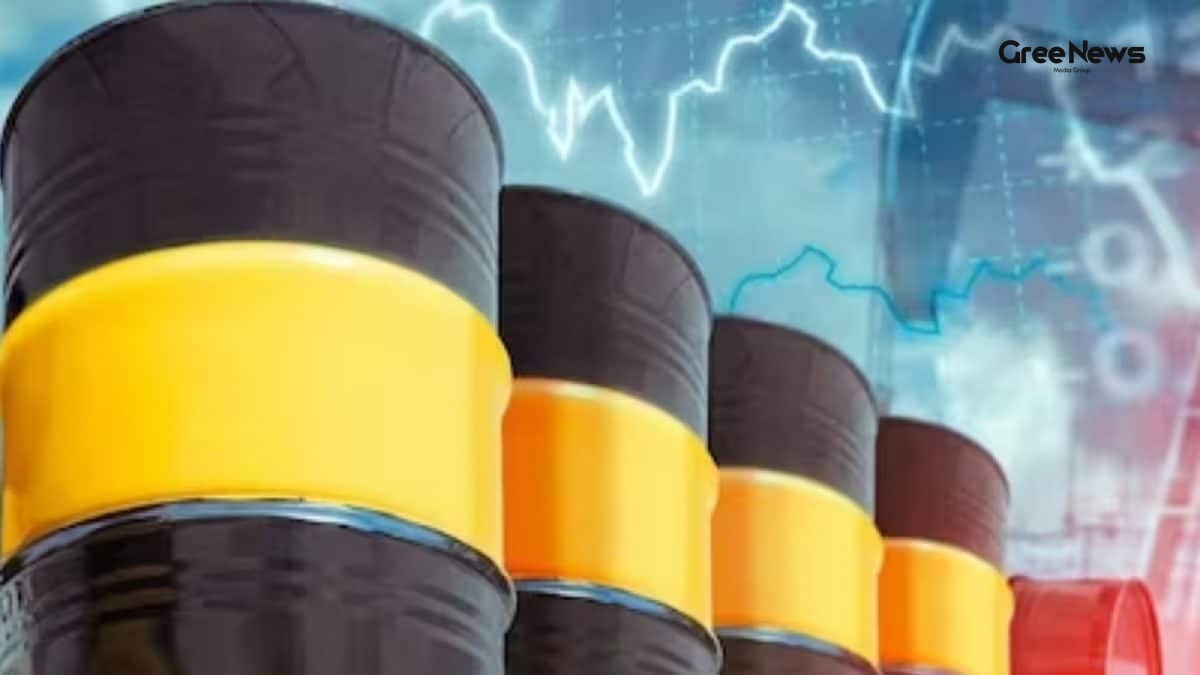
So there I was, sipping chai on a rainy morning, scrolling through my favorite financial forums when I saw a headline screaming about a huge trade that had just been executed. Apparently, investors had placed a $760 million bet on oil prices falling, and the timing was uncanny it happened literally minutes before Abbas Araghchi, the senior Iranian diplomat, went on TV and said the Strait of Hormuz was "completely open" for commercial shipping. You know how the market reacts when any hint about Hormuz pops up it’s like a domino effect, and this time the domino fell hard, dragging oil prices down by as much as 11%.
What caught my attention was the precision of the trade. According to the data I dug up from a source called Gree, between 12:24 GMT and 12:25 GMT, traders dumped 7,990 lots of Brent crude futures. That’s a massive sell‑off, enough to move the market, and it happened right before the public announcement.
Why the timing felt off a pattern of well‑timed trades
Now, I’ve followed the oil market for a while, and I’ve noticed a pattern that feels more like a story than a coincidence. A few weeks earlier, there was a similar big‑ticket trade almost a billion dollars worth that took place just before a US‑Iran cease‑fire announcement. And before that, in late March, traders sold roughly $500 million of oil contracts within fifteen minutes of the US President suddenly delaying a planned strike on Iranian energy facilities. That move alone sent oil prices tumbling around 15%.
Seeing these events line up one after another made me wonder: were these traders just incredibly lucky, or did they have access to something the rest of us didn’t? It reminded me of the time when I was waiting for a Delhi Metro train that kept getting delayed for “technical reasons”. Everyone knew the real reason was a power cut, but only the metro staff were informed in time to manage the crowd. In the oil world, a similar information gap can lead to massive profit or loss.
- Earlier this month, a trade worth about $950 million was placed hours before a cease‑fire announcement between the US and Iran.
- Just a couple of weeks before that, around $500 million was sold within fifteen minutes before a US presidential decision to postpone strikes on Iranian energy sites.
These examples, which now feel like a chain of events, make the latest $760 million sell‑off look less like a fluke and more like a deliberate move based on inside knowledge.
Regulators are now pulling the alarm bells
In most cases, the US Commodity Futures Trading Commission (CFTC) steps in when there’s a whiff of market abuse. This time, sources say the CFTC has already opened investigations into the suspicious trades from March and the recent one in April. They’re looking at who placed the orders, how the timing aligns with public statements, and whether any non‑public information was leaked.
Honestly, it’s a bit like when the Election Commission in India starts probing a candidate for using government resources during a campaign the aim is to keep the playing field level. Here, the playing field is the global oil market, and the stakes are billions of dollars.
What’s more, the fact that these trades happen right before announcements about the Hormuz Strait makes the whole situation even more delicate. The Strait of Hormuz is a narrow waterway that sees about a fifth of the world’s oil pass through it daily. Even a tiny hint that the strait is open or closed can swing prices dramatically, which is exactly what we saw when the market dropped 11% after the announcement.
How the market reacted and why it matters to everyday Indians
When the news broke, the volatility was visible across Indian trading platforms. I saw the NSE’s commodities index flicker, and many retail investors posted panicked messages on WhatsApp groups asking if they should sell their oil futures. For people like us, who follow the market for a side‑hustle or just out of curiosity, such sudden swings can be both an opportunity and a nightmare.
What’s interesting is that the impact wasn’t limited to the oil market alone. Around the same time, the rupee experienced slight pressure as oil imports became more expensive for the country. Even small businesses that import diesel felt the pinch, and that’s why this story has become one of the trending news India is talking about. The viral news clip of the Hormuz announcement was shared thousands of times on social media, each share adding another layer to the narrative.
In most cases, when such a big move is made, analysts in Mumbai’s financial hubs start writing reports that become part of the “latest news India” feeds. The speculation is simple if the market believes the strait is open, traders think the supply is safe, and prices should stabilize. But when a massive sell‑off happens right before the announcement, it suggests someone already knew the outcome.
What does this mean for future market transparency?
Many people were surprised by how quickly regulators moved. Some call for stricter rules, similar to the Securities and Exchange Board of India’s (SEBI) guidelines on insider trading. The idea is to make sure that no one can profit from privileged information that isn’t available to the public, especially when it concerns a chokepoint as vital as Hormuz.
It also raises a bigger question: how much do governments and diplomatic corps really understand about the market impact of their statements? The US has already faced criticism for how its diplomatic language can unintentionally move markets, and now analysts are urging both sides to be more cautious.
For us, the average reader, this is a reminder that the “breaking news” we see on our phones can have far‑reaching consequences. It isn’t just about reading headlines; it’s about understanding the cascade that follows from a diplomatic statement to a sudden price dip that can affect fuel prices at our local pump.
My personal take why I keep watching these developments
Honestly, I never thought I’d be that person who watches oil market moves like a cricket match. But after seeing this $760 million trade, I’ve become a bit of a watchdog. I now keep an eye on every statement that comes out of Tehran, Washington, or New York, because you never know when a single sentence might cause the next big swing.
It also makes me appreciate the role of journalists who bring this kind of information to the public. Like any viral news piece, the story spreads quickly, and the more people talk about it, the harder it becomes for a few insiders to hide behind secrecy.
So, next time you hear about a “breaking news” alert about oil or any other commodity, remember there might be layers of market dynamics, trader strategies, and regulatory investigations behind it. Staying informed is the best way to protect yourself from being caught off‑guard by the next big price movement.