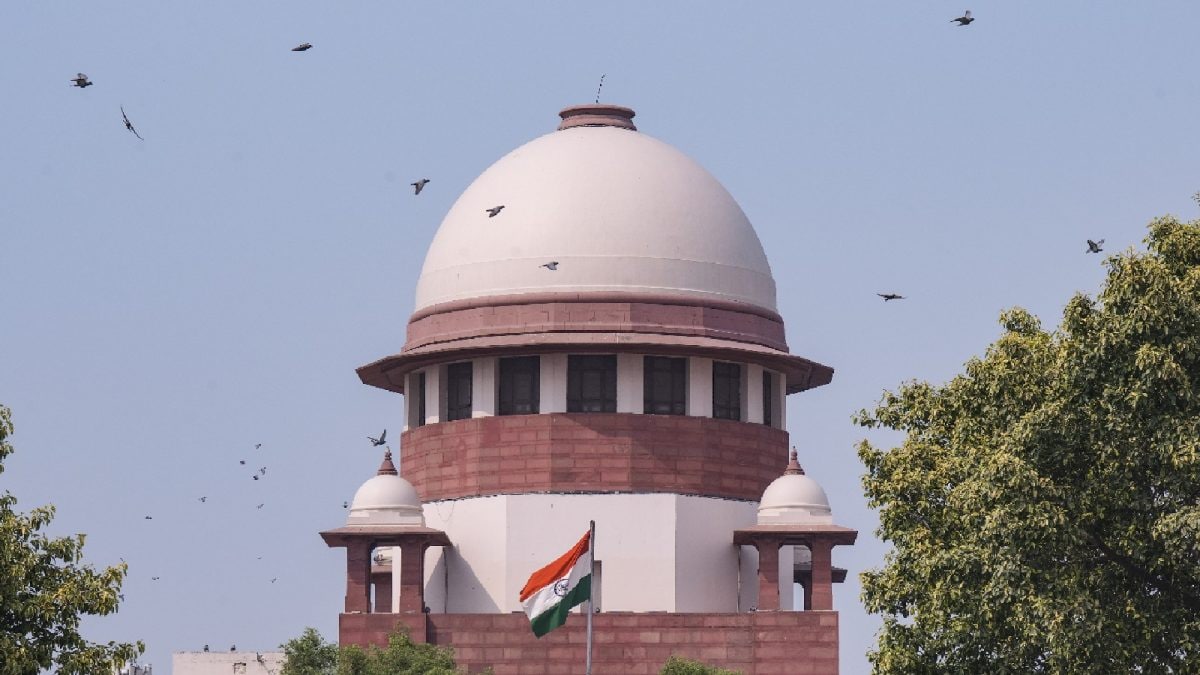
India Applauds West Asian Ceasefire, Urges Free Passage Through the Hormuz Strait
India’s Warm Reception of the Ceasefire Announcement
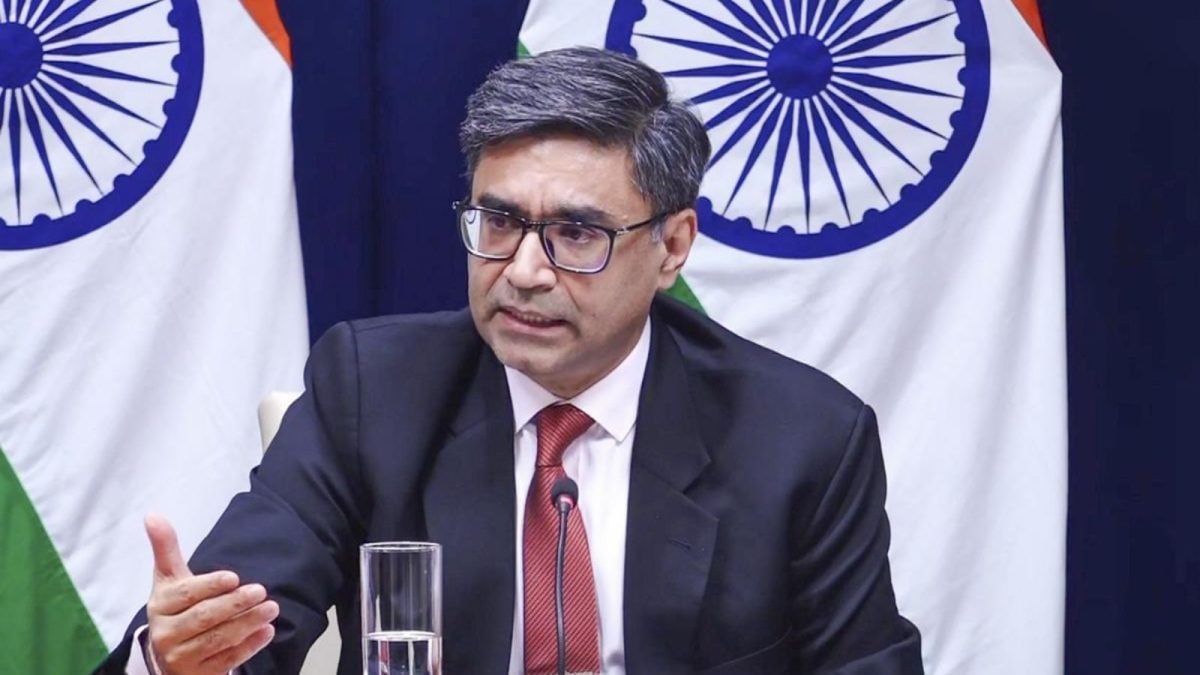
India expressed explicit approval of the ceasefire recently announced in West Asia. The statement issued by the Ministry of External Affairs highlighted that India welcomes the cessation of hostilities and views the development as a promising step toward a durable peace in the region.
In the official communication, the Ministry of External Affairs articulated, “India welcomes the ceasefire reached and hopes that it will lead to a lasting peace in West Asia.” This articulation reflects India’s consistent diplomatic tone, which underscores the belief that sustained engagement and dialogue remain the cornerstone of any long‑term solution.
India’s government stressed that the ceasefire represents more than a temporary pause; it is intended to be a foundation upon which enduring stability can be built. By emphasizing the importance of continued diplomatic channels, India signals its readiness to support any initiative that promotes de‑escalation and prevents a relapse into violence.
Dialogue, Diplomacy and De‑Escalation as Core Pillars
India’s foreign policy framework has long been anchored in the principles of dialogue, diplomacy and de‑escalation. The Ministry of External Affairs reiterated that these three pillars are not merely rhetorical devices but essential tools for managing volatile regional dynamics. According to the Ministry of External Affairs, sustained diplomatic engagement is indispensable for transforming the current fragile calm into a robust and lasting peace.
India’s diplomatic stance insists that any resolution must emerge from negotiated settlements rather than coercive measures. The Ministry of External Affairs underlined that continued negotiations are vital for addressing the underlying grievances that have fueled the conflict. By maintaining an open line of communication, India believes that the parties involved can work toward a comprehensive settlement that addresses security concerns and regional stability.
In addition to urging dialogue, India’s diplomatic messaging stresses the need for restraint on all sides. The Ministry of External Affairs highlighted that preventing further deterioration requires each actor to exercise maximum caution, avoid provocative actions, and pursue confidence‑building measures that reinforce trust.
India’s Call for Unimpeded Navigation Through the Hormuz Strait
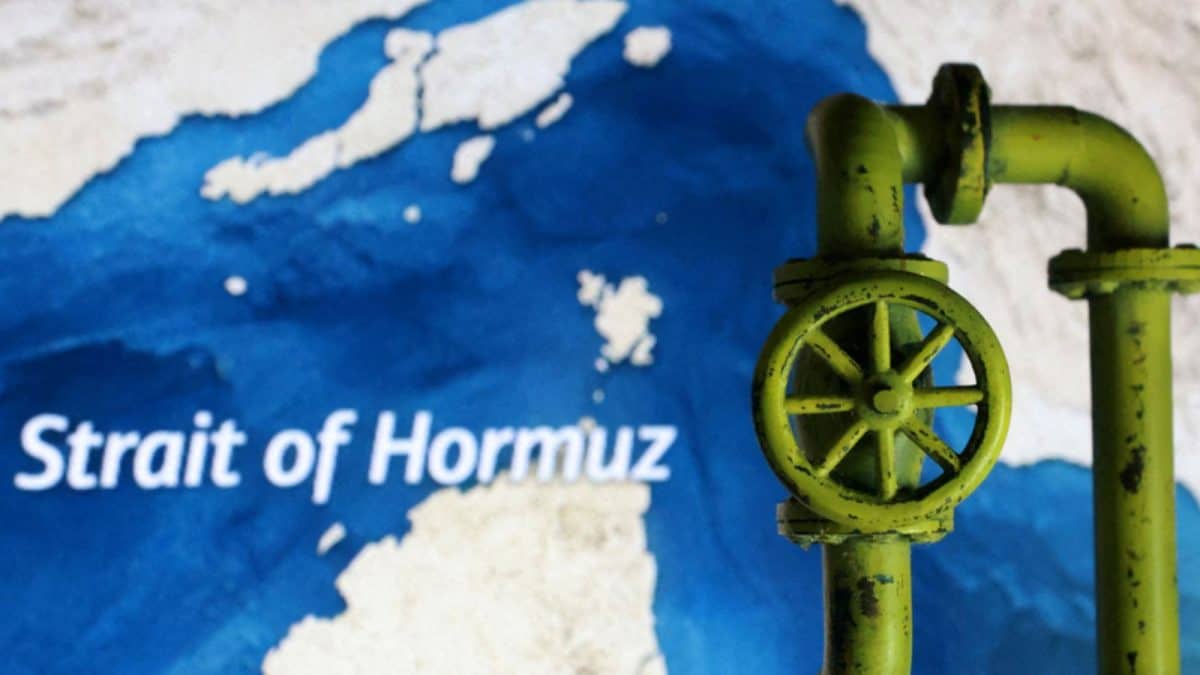
Beyond the ceasefire, India has consistently advocated for the free flow of maritime traffic through the Strait of Hormuz. The Strait of Hormuz remains one of the world’s most critical waterways, serving as a conduit for a significant share of global oil and gas shipments. India’s position stresses that any disruption to navigation in this narrow passage would have far‑reaching economic repercussions, not only for regional economies but also for worldwide energy markets.
India’s government called explicitly for unimpeded navigation, emphasizing that the safety and security of commercial vessels must be guaranteed. By urging all relevant parties to respect the principle of freedom of navigation, India aligns its stance with broader international maritime law, which mandates that the Strait of Hormuz remain open for peaceful passage.
The Ministry of External Affairs reiterated that the security of commercial shipping lanes is inseparable from regional stability. India’s call for uninterrupted navigation therefore complements its broader diplomatic push for de‑escalation, as a stable maritime environment reduces the risk of inadvertent confrontations that could reignite tensions.
Historical Consistency of India’s Position
India’s current statements are consistent with a long‑standing diplomatic approach that has emphasized restraint, negotiation and the avoidance of escalation. Over the years, the Ministry of External Affairs has repeatedly voiced concerns about the dangers of unchecked conflict and has urged all stakeholders to pursue peaceful avenues.
India’s diplomatic history includes a persistent advocacy for regional peace initiatives, multilateral discussions and confidence‑building steps. This continuity signals to the international community that India remains a steady and reliable voice advocating for stability in West Asia.
The Ministry of External Affairs highlighted that India has continuously advocated for restraint and negotiations to prevent further deterioration of the situation. By maintaining this consistent messaging, India seeks to reinforce its role as a responsible actor committed to fostering a climate of peace.
Implications for Regional and Global Stakeholders
The ceasefire, coupled with India’s emphasis on free navigation, carries significant implications for both regional actors and the broader international community. For neighboring states, the prospect of a sustained pause in hostilities offers a window of opportunity to engage in confidence‑building measures, humanitarian assistance and reconstruction efforts.
Global commercial interests, particularly those reliant on the flow of energy commodities through the Strait of Hormuz, stand to benefit from a stable security environment. India’s call for unimpeded navigation aligns with the interests of shipping companies, energy traders and nations that depend on uninterrupted supply chains.
Furthermore, India’s diplomatic outreach underscores the importance of multilateral cooperation. By voicing support for dialogue and restraint, India invites other nations to join in collective efforts aimed at consolidating peace and safeguarding maritime routes.
Future Outlook and Continued Engagement
Looking ahead, India’s government intends to remain actively engaged in diplomatic channels that promote lasting peace. The Ministry of External Affairs signaled that India will continue to monitor developments closely and will be prepared to offer constructive assistance wherever feasible.
India’s approach emphasizes that the ceasefire must be reinforced by tangible actions, such as the implementation of confidence‑building measures, the establishment of communication hotlines and the pursuit of inclusive political dialogues. By advocating for these steps, India aims to transform the ceasefire from a temporary suspension of hostilities into a durable framework for peace.
In parallel, India will maintain its advocacy for securing the Strait of Hormuz, urging all parties to respect the principles of freedom of navigation and to refrain from any actions that could jeopardize the safety of commercial vessels. The Ministry of External Affairs highlighted that an open and secure maritime corridor is integral to regional stability and global economic health.