Insect Found in Vande Bharat Express Meal Sparks Nationwide Food Safety Probe
- Parishmita Saikia
Social Media Post Triggers Immediate Concern
A widely shared post on a social networking platform has ignited a fresh round of alarm regarding the safety of food served aboard the Ahmedabad‑Mumbai Vande Bharat Express. The post, originally uploaded by a user identified only as “Manu,” displayed a close‑up photograph of a meal tray that included the standard fare of sabji, curd, gravy, rice and dal. In the image, an insect was clearly visible resting among the dal and rice, which were presented together in a single container. The caption accompanying the visual claimed that two additional instances of similar contamination had been reported within the same coach, suggesting a pattern rather than an isolated mishap.
Following the upload, a cascade of comments from fellow travelers described immediate refusals to consume the food, with many passengers demanding a replacement meal or a full refund. The visual evidence quickly spread beyond the original post, gaining traction on multiple platforms and prompting journalists and consumer‑rights advocates to demand an urgent investigation.
Indian Railway Catering and Tourism Corporation Responds With Penalties
Indian Railway Catering and Tourism Corporation, the central authority responsible for on‑board catering services across the Indian rail network, issued an official statement confirming that decisive action had been taken against the service provider linked to the contaminated tray. Indian Railway Catering and Tourism Corporation announced the imposition of a monetary penalty amounting to ten lakh rupees on Brandavan Food Products, the catering firm accused of supplying the compromised meal. In addition to the financial sanction, Indian Railway Catering and Tourism Corporation declared that the contractual aGreement with Brandavan Food Products had been terminated, effectively removing the firm from any future provisioning duties on Vande Bharat Express services.
Further to the penalty and contract termination, Indian Railway Catering and Tourism Corporation detailed that the kitchen premises associated with Brandavan Food Products had been sealed. The sealing was described as part of a comprehensive deep‑cleaning operation, accompanied by extensive pest‑control measures designed to eradicate any lingering sources of contamination. The agency expressed sincere regret for the inconvenience endured by passengers, emphasizing a commitment to restoring confidence in the catering standards of premium rail services.
Free Press Journal Documents the Immediate Aftermath
According to coverage in Free Press Journal, the sealed kitchen facility belongs to Brandavan Food Products, a subsidiary of RK Group that supplies meals to a variety of high‑speed rail routes. Free Press Journal reported that officials from Indian Railway Catering and Tourism Corporation arrived on‑site shortly after the incident, ordering the cessation of all food preparation activities until the deep‑cleaning protocol could be completed. The report noted that the sealing order was unconditional, allowing no further production of meals until a thorough inspection verified compliance with hygiene standards.
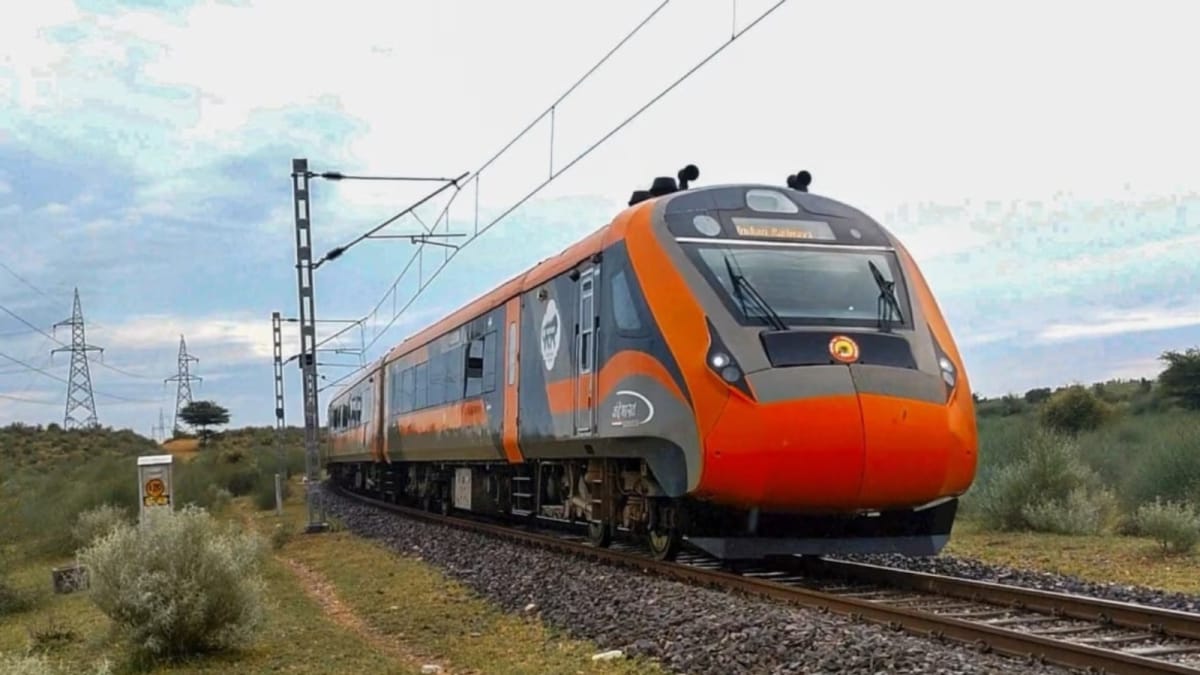
Free Press Journal also highlighted the broader implications of the incident for the reputation of Vande Bharat Express, a flagship service marketed on the basis of speed, comfort and premium amenities. The presence of an insect in a served meal directly challenges the perception of meticulous quality control that the service promises to its discerning clientele.
Brandavan Food Products and RK Group Face Intense Scrutiny
Brandavan Food Products, operating under the auspices of RK Group, has been a long‑standing partner of Indian Railway Catering and Tourism Corporation for the provision of onboard meals on several premier routes. In the wake of the contamination episode, Brandavan Food Products found itself under intense public and regulatory examination. Observers and consumer watchdogs queried whether Brandavan Food Products had adhered to the established protocols for raw material inspection, kitchen sanitation, and final product verification prior to loading meals onto the train.
RK Group, the parent organization, released a brief statement acknowledging the incident and pledging full cooperation with the investigation launched by Indian Railway Catering and Tourism Corporation. The statement emphasized that RK Group maintains a robust set of standard operating procedures for food safety, and that any deviation from those procedures would be addressed with the utmost seriousness.
Parallel Health Incident Raises Additional Concerns
In a separate yet related development, a passenger using the handle @AyushiS54377868 posted a detailed account of a severe allergic reaction that allegedly followed the consumption of a lunch served on another Vande Bharat Express train. The passenger recounted traveling on train number 22500 from Varanasi to Deoghar, occupying coach E1. Within a short span after eating, the passenger described rapid swelling of the lips and an escalation of symptoms that could have become life‑threatening without prompt medical intervention.
The same passenger also reported that her two‑year‑old son experienced an episode of diarrhoea during the same journey. Photographs shared alongside the narrative displayed the swollen lips, a doctor’s prescription, and a brief note on the treatment administered. The passenger asserted that medical care was sought within twenty‑four hours, leading to a full recovery for both mother and child.
Beyond the allergic reaction, the passenger expressed dissatisfaction with the quality of drinking water provided aboard the train, describing an unusual taste that further eroded confidence in the overall catering standards. This account, while distinct from the insect contamination, compounds the perception that food and beverage safety on Vande Bharat Express trains may be inconsistent.
Wider Implications for On‑Board Food Safety Protocols
The twin episodes involving Brandavan Food Products and the allergic reaction reported by the passenger using the handle @AyushiS54377868 have reignited a broader conversation about the adequacy of current food handling procedures on premium rail services. Critics argue that the existing inspection framework may lack the granularity needed to detect contamination at the point of service, especially when meals are prepared far from the train’s point of departure and then transported across long distances.
Industry experts suggest that a multi‑layered approach—encompassing raw material sourcing, kitchen sanitation, temperature control during storage, and random spot‑checks on the train itself—could mitigate the risk of similar incidents recurring. The call for tighter enforcement resonates with passenger expectations, as travelers on Vande Bharat Express often pay a premium for what they believe to be flawless service.
Calls for Strengthened Oversight and Accountability
Consumer advocacy groups, alongside frequent travelers of Vande Bharat Express, have issued a series of demands aimed at reinforcing accountability within the catering ecosystem. Key recommendations include the establishment of an independent oversight body tasked with conducting unannounced audits of kitchen facilities affiliated with Indian Railway Catering and Tourism Corporation, the introduction of real‑time monitoring technology to track temperature and hygiene compliance, and the implementation of a transparent reporting mechanism that allows passengers to lodge complaints that are publicly tracked.
In response to mounting pressure, Indian Railway Catering and Tourism Corporation has signaled a willingness to review its existing contractual arrangements with catering partners, emphasizing that any future aGreements will embed stricter performance clauses related to food safety metrics. The agency also hinted at the possibility of expanding the scope of penalties to include the suspension of service licenses for repeated violations.
Looking Ahead: Restoring Passenger Confidence
Restoring the trust of passengers who have expressed disappointment over the insect contamination and the allergic reaction will require a concerted effort from Indian Railway Catering and Tourism Corporation, Brandavan Food Products, RK Group, and all ancillary service providers. The focus now lies on demonstrating that corrective actions are not merely punitive but are part of a sustained commitment to elevating hygiene standards across all stages of meal preparation, transportation, and service.
As Vande Bharat Express continues to position itself as the epitome of modern rail travel in the region, the onus is on the entire supply chain to deliver a consistent, safe, and enjoyable culinary experience. Ongoing monitoring, transparent communication, and swift remedial action will be essential ingredients in rebuilding the reputation of premium rail catering and ensuring that future journeys remain free from similar incidents.