Mahendra Reddy’s Chilling Texts Expose Plot Behind Kruthika Reddy’s Death

Investigators have pieced together a chilling narrative of betrayal, digital manipulation, and a calculated attempt to mask homicide as a natural death. The evidence centers on a series of electronic messages that appear to contain a confession, instructions to mislead law‑enforcement, and a detailed digital footprint that has become pivotal in the prosecution’s case.
Background to the Investigation
Krutchika Reddy, a practicing physician at Victoria Hospital, was discovered unresponsive at her father’s residence in Marathahalli. Initial assessments suggested a natural cause, but family members raised concerns that prompted a deeper inquiry. Law‑enforcement officials, after conducting a preliminary autopsy, initiated a full‑scale forensic examination when inconsistencies emerged.
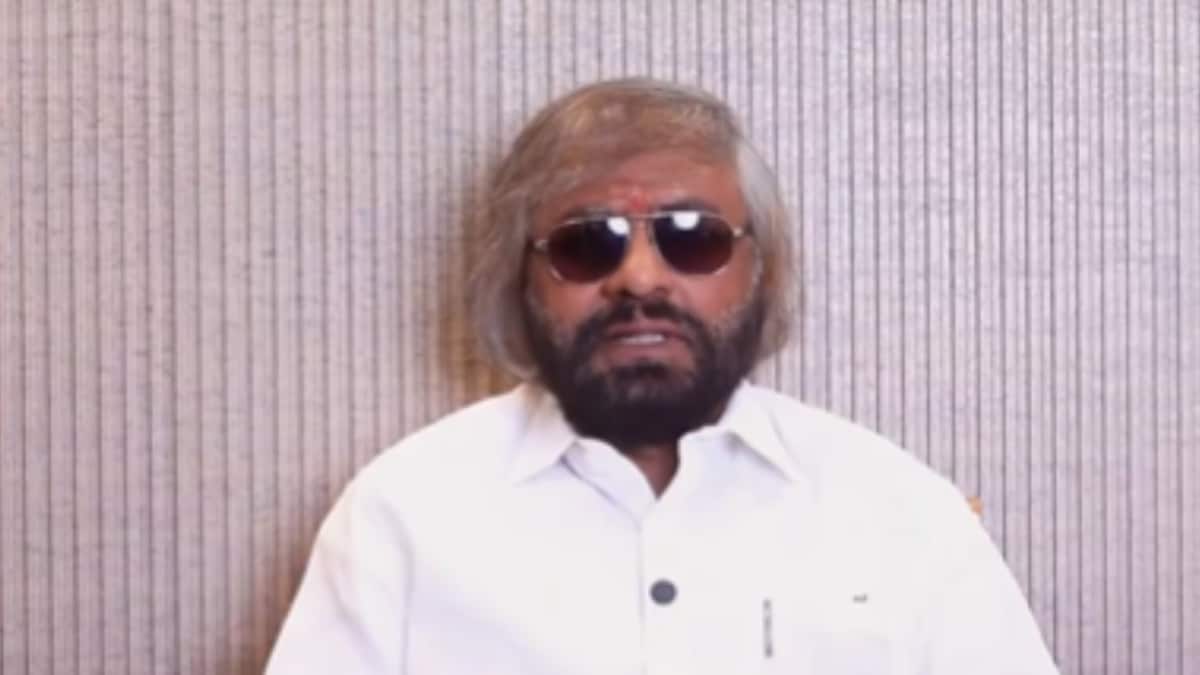
Mahendra Reddy, also employed at Victoria Hospital and married to Krutchika Reddy, became the primary suspect after medical evidence pointed to the presence of an anaesthetic drug not typically administered outside a surgical setting. The investigation soon expanded beyond physical evidence to include a massive extraction of digital data from devices seized during the arrest.
Digital Messages That Shift the Narrative
The turning point in the case arrived when analysts recovered a cache of chat logs from Mahendra Reddy’s mobile device and from the financial application PhonePe. Among the recovered conversations, several messages stand out for their explicit content and the evident intent to manipulate the investigative process.
One exchanged message reads, “Do not message or call me after seeing this. Once things settle, I will contact you. If police ask about our relationship, say we are just friends. If they ask about repeated calls, say you had sought my help.” This instruction, reportedly sent to a close confidante, directly addresses how Mahendra Reddy intended to shape the perception of law‑enforcement inquiries.
Another message, attributed to Mahendra Reddy, contains a self‑identifying statement: “I will soon inform my parents and hers I have no proof, but I have killed Krutchika Reddy. I will go to jail. A killer can never be happy, and I will live like one.” The language mirrors a confession and simultaneously reveals a fatalistic mindset.
Through these exchanges, investigators have been able to chart Mahendra Reddy’s efforts to control the narrative, from directing a friend to portray their interactions as merely platonic to acknowledging responsibility for the fatal act. The raw text, preserved in its original form, provides a compelling piece of documentary evidence that corroborates other forensic findings.
Methodology of the Alleged Homicide
Forensic experts determined that the lethal agent was Propofol, a fast‑acting intravenous anaesthetic commonly used to induce and maintain unconsciousness during surgical procedures. Propofol is administered under strict monitoring conditions in operation theatres, as its dosage must be accurately calibrated to avoid respiratory depression and cardiac arrest.
According to the investigative report, Mahendra Reddy allegedly administered the drug to Krutchika Reddy over two consecutive days, presenting the injections as part of a therapeutic regimen. The delivery of Propofol outside a controlled clinical environment raises significant questions about the deviation from standard medical protocols.
After the administration, Krutchika Reddy’s condition deteriorated, leading to a collapse and subsequent transport to a nearby medical facility where she was pronounced dead. The initial classification of the death as natural was later overturned after forensic toxicology identified Propofol in the bloodstream at a concentration consistent with an overdose.
The chain of events, as reconstructed from medical records, eyewitness accounts, and digital evidence, suggests a premeditated act designed to mimic a medical complication. Mahendra Reddy’s medical training and access to hospital‑grade pharmaceuticals provided the means and opportunity to carry out the alleged crime.
Forensic Confirmation and Legal Classification
The toxicological analysis performed by laboratory specialists confirmed the presence of Propofol in Krutchika Reddy’s system. The concentrations observed exceeded the therapeutic window, indicating a non‑therapeutic, fatal dosage. This scientific determination shifted the investigative lens from a natural death scenario to a homicide investigation.
Following the forensic report, law‑enforcement officials formally registered the case as murder and placed Mahendra Reddy under custodial arrest. The arrest order was accompanied by a detailed inventory of seized electronic devices, which later served as the source for the extensive data mining operation.
Scale of Digital Data Extraction
One of the most striking aspects of the investigation lies in the sheer volume of digital material examined. Analysts reported that more than 1,034,000 individual files were processed, encompassing text messages, call logs, multimedia content, app‑specific data, and remnants of deleted communications.
Among the examined artifacts, 485 distinct chat records from the PhonePe platform were recovered. These records not only included active conversations but also fragments of messages that had been deliberately deleted by Mahendra Reddy. Through forensic reconstruction techniques, experts were able to retrieve and authenticate these deleted entries, thereby strengthening the evidentiary chain.
The analysis also mapped Mahendra Reddy’s financial transactions surrounding the period of the alleged incident. Patterns emerged that aligned with the timeline derived from the chat logs, suggesting coordinated planning and execution.
Collectively, the digital evidence painted a comprehensive picture of Mahendra Reddy’s actions before, during, and after the alleged homicide, providing investigators with a chronological framework that reinforced the prosecution’s case.
Judicial Proceedings and Bail Decision
In the subsequent legal phase, Mahendra Reddy approached the sessions court to seek bail, arguing that the pre‑trial detention was excessive. The court, after reviewing the compiled dossier—comprising forensic reports, digital transcripts, and the recovered chat excerpts—concluded that the gravity of the charges, coupled with the robustness of the documentary evidence, warranted continued custodial custody.
The presiding magistrate highlighted that the nature of the offense, as substantiated by the presence of Propofol and the explicit admissions found in Mahendra Reddy’s messages, presented a substantial risk of flight or tampering with further evidence. Consequently, the bail application was denied.
Legal analysts observed that the court’s decision reflected a broader trend in Indian jurisprudence, where digital footprints and forensic science increasingly influence bail considerations, particularly in cases involving alleged premeditated homicide.
Implications and Ongoing Investigation
The unfolding of Mahendra Reddy’s case underscores the evolving role of technology in criminal investigations. The ability to retrieve deleted communications, triangulate financial activity, and correlate medical data with digital timestamps exemplifies a multidisciplinary approach that integrates forensic pathology with cyber forensics.
Law‑enforcement agencies have emphasized that the evidence gathered thus far does not preclude further avenues of inquiry. Ongoing efforts focus on corroborating the digital narrative with additional witness statements and exploring any potential accomplices who may have facilitated the alleged cover‑up.
For the medical community, the case serves as a stark reminder of the ethical responsibilities inherent in handling potent pharmaceuticals. It also fuels ongoing discussions about safeguarding drug inventories within hospital settings to prevent misuse.