Smooth Ride to the Hills: Delhi‑Dehradun Expressway Redefines Weekend Getaways
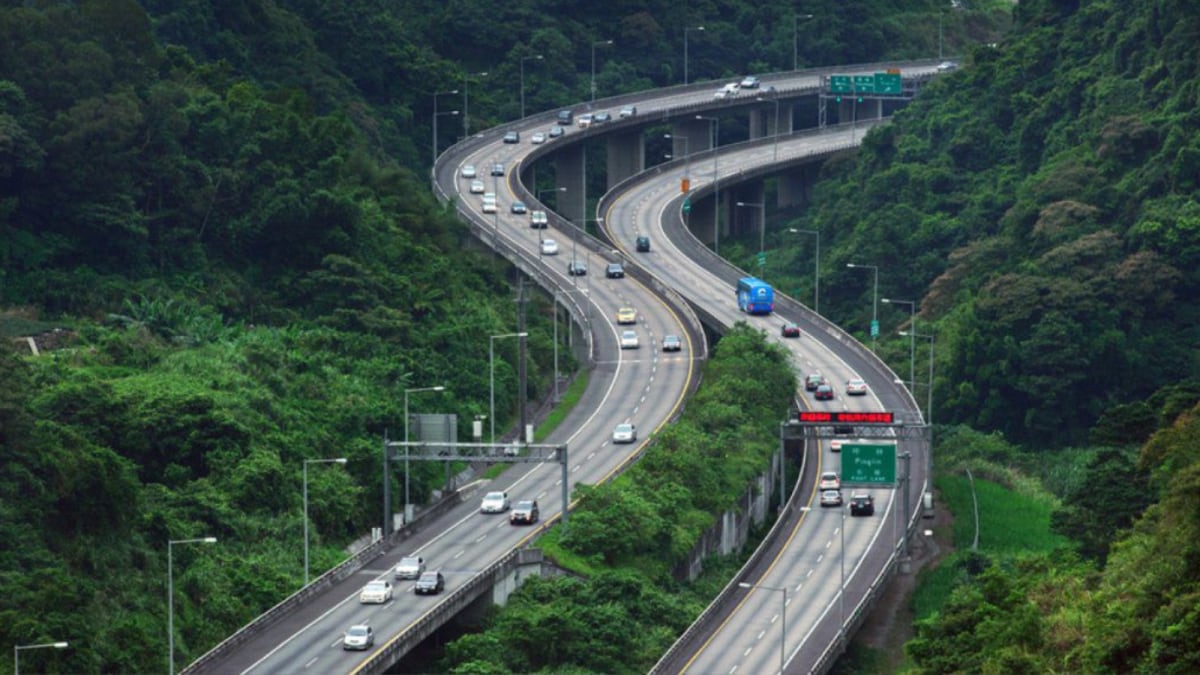
PM Narendra Modi is set to inaugurate Delhi‑Dehradun Expressway during a visit to Saharanpur.
Top videos
Swipe Left For Next Video
Why Delhi‑Dehradun Expressway Matters
Delhi‑Dehradun Expressway introduces a transformative route that directly links Delhi with the city of Dehradun, the capital of Uttarakhand. By offering a travel window of just two and a half hours, the expressway reshapes the dynamics of short‑term travel, enabling residents of Delhi to consider the scenic hill towns of Mussoorie, Rishikesh and other nearby retreats as realistic weekend options rather than distant vacations.
Before the opening of Delhi‑Dehradun Expressway, journeys to the foothills often demanded upwards of five hours, consuming a full day and limiting spontaneous trips. The reduced travel span, now measured in hours rather than a half‑day, directly translates into more time for leisure, exploration, and relaxation upon reaching the destination.
Strategic Route and Regional Connectivity
The alignment of Delhi‑Dehradun Expressway traverses the northern plains, passing through key urban centers such as Saharanpur. This alignment ensures that not only Delhi and Dehradun benefit, but also intermediate towns that gain enhanced access to the national capital. The presence of Delhi‑Dehradun Expressway in the vicinity of Saharanpur builds a corridor that can serve both passenger traffic and commercial movement.
Because the expressway connects directly to the existing road network that leads onward to Mussoorie and Rishikesh, travelers can seamlessly continue their journey to these hill stations without the need for additional bottleneck‑prone routes. The continuity of high‑speed travel from Delhi to the foothills creates a fluid experience that mirrors the efficiency of modern air travel, yet remains grounded in the flexibility of road transport.
Impact on Tourism and Local Economies
Tourism in the hill regions of Uttarakhand has long thrived on the allure of natural beauty, adventure sports, and spiritual retreats. By shrinking the distance in terms of time, Delhi‑Dehradun Expressway is poised to stimulate a surge in weekend tourism. Families, young professionals, and adventure enthusiasts from Delhi can now plan short trips to Mussoorie’s mist‑cloaked ridges, Rishikesh’s riverside yoga retreats, or Dehradun’s urban parks without sacrificing significant workdays.
The diversification of visitor patterns benefits local businesses that range from hospitality establishments to artisan markets. Restaurants, hotels, and guided tour operators anticipate a steadier flow of guests throughout the year, rather than reliance on seasonal peaks alone. This steadiness can, in turn, encourage further investment in service quality and infrastructure within the hill station locales.
Moreover, the ease of access may invite educational trips, corporate retreats, and cultural exchanges, broadening the scope of interactions between Delhi and the hill town communities.
Urban Escape: How Delhi Residents Will Experience the Change
For a resident of Delhi, the prospect of a two‑and‑a‑half‑hour drive to Dehradun signifies more than a logistical improvement; it reshapes lifestyle possibilities. The ability to depart after a workday and arrive at a pleasant hillside destination before nightfall opens doors to spontaneous recreational plans. Evening walks along the banks of the Ganges in Rishikesh, sunrise hikes in Mussoorie, or afternoon picnics in Dehradun’s botanical gardens become feasible without sacrificing work commitments.
In addition, the shortened journey reduces fatigue associated with long drives, making the travel experience itself more enjoyable. Drivers can anticipate smoother traffic flow, modern road safety features, and well‑maintained rest areas along Delhi‑Dehradun Expressway, further enhancing the overall journey.
Environmental Considerations and Sustainable Travel
While the primary narrative surrounding Delhi‑Dehradun Expressway focuses on speed and convenience, the reduced travel time also contributes to lower fuel consumption per trip. Shorter durations on the road translate into decreased emissions per vehicle, aligning with broader objectives of sustainable transport within the region.
In addition, the concentration of traffic onto a modern, high‑capacity corridor can alleviate congestion on older, less efficient routes that previously bore the brunt of inter‑city travel. This redistribution of vehicular flow helps minimize wear and tear on ancillary roads, preserving their condition for local traffic and reducing the need for frequent repairs.
Anticipated Economic Ripple Effects
Beyond tourism, the strategic importance of Delhi‑Dehradun Expressway lies in its potential to stimulate trade between the capital and the northern belt of Uttarakhand. Businesses that rely on timely logistics can take advantage of the improved corridor to shorten delivery windows, enhancing supply chain efficiency.
Industrial parks and agricultural markets in the vicinity of Saharanpur are expected to benefit from easier access to Delhi’s large consumer base. Likewise, producers in Dehradun and surrounding districts can more readily reach Delhi’s distribution networks, creating a two‑way channel of economic exchange.
These developments collectively support job creation, skill development, and a rise in ancillary services such as vehicle maintenance, hospitality, and retail along the expressway’s length.
Celebrating the Inauguration: A Symbolic Milestone
PM Narendra Modi’s participation in the inauguration ceremony underscores the national significance of Delhi‑Dehradun Expressway. The event, held in the historic city of Saharanpur, serves as a public acknowledgment of the connectivity goals championed by the government. By officially opening the route, PM Narendra Modi signals a commitment to bridging major urban centers with the culturally rich hill regions of Uttarakhand.
The inauguration ceremony also highlighted the collaborative effort between central authorities, state agencies, and local stakeholders who contributed to the planning, execution, and finalization of the project. The presence of officials from both Delhi and Uttarakhand reinforced the shared vision of fostering regional growth through infrastructure.
Future Outlook: What Lies Ahead for Travelers
With Delhi‑Dehradun Expressway now a functional reality, the horizon for travelers from Delhi expands dramatically. Prospective visitors can plan short‑duration trips with confidence, knowing that the route offers reliability, speed, and safety. The expressway’s design encourages repeat journeys, allowing families to establish new traditions of weekend outings to the hills.
As the pattern of travel evolves, local authorities in Dehradun, Mussoorie, and Rishikesh may introduce complementary services — such as shuttle buses, information kiosks, and digital travel guides — to further streamline the visitor experience. While these enhancements are anticipated, they remain consistent with the core intent of making hill stations accessible without altering the factual baseline established by Delhi‑Dehradun Expressway’s reduced travel time.
In the broader perspective, the expressway sets a precedent for future infrastructure projects aiming to link metropolitan hubs with peripheral regions, demonstrating how strategic road development can unlock economic potential, boost tourism, and improve quality of life for residents across multiple states.