What’s the buzz about?
Okay, so imagine you’re chatting with a friend on WhatsApp, and suddenly you remember that your prepaid balance is about to expire. Usually, you’d have to close the chat, open a separate app or website, hunt for the right operator, pick a plan, and then pay. It’s a bit of a hassle, right? Well, that’s exactly the kind of inconvenience WhatsApp is trying to solve with its brand‑new prepaid mobile recharge feature, a move that’s already being called breaking news among tech circles in India.
In my own experience, I tried the feature yesterday while waiting for my mom’s return call. I simply tapped the little ₹ icon that appears at the bottom of the chat screen. Within seconds, a fresh screen popped up asking me to choose “Mobile prepaid recharge”. The whole process felt almost like ordering chai online quick, simple, and you’re not forced to juggle multiple apps.
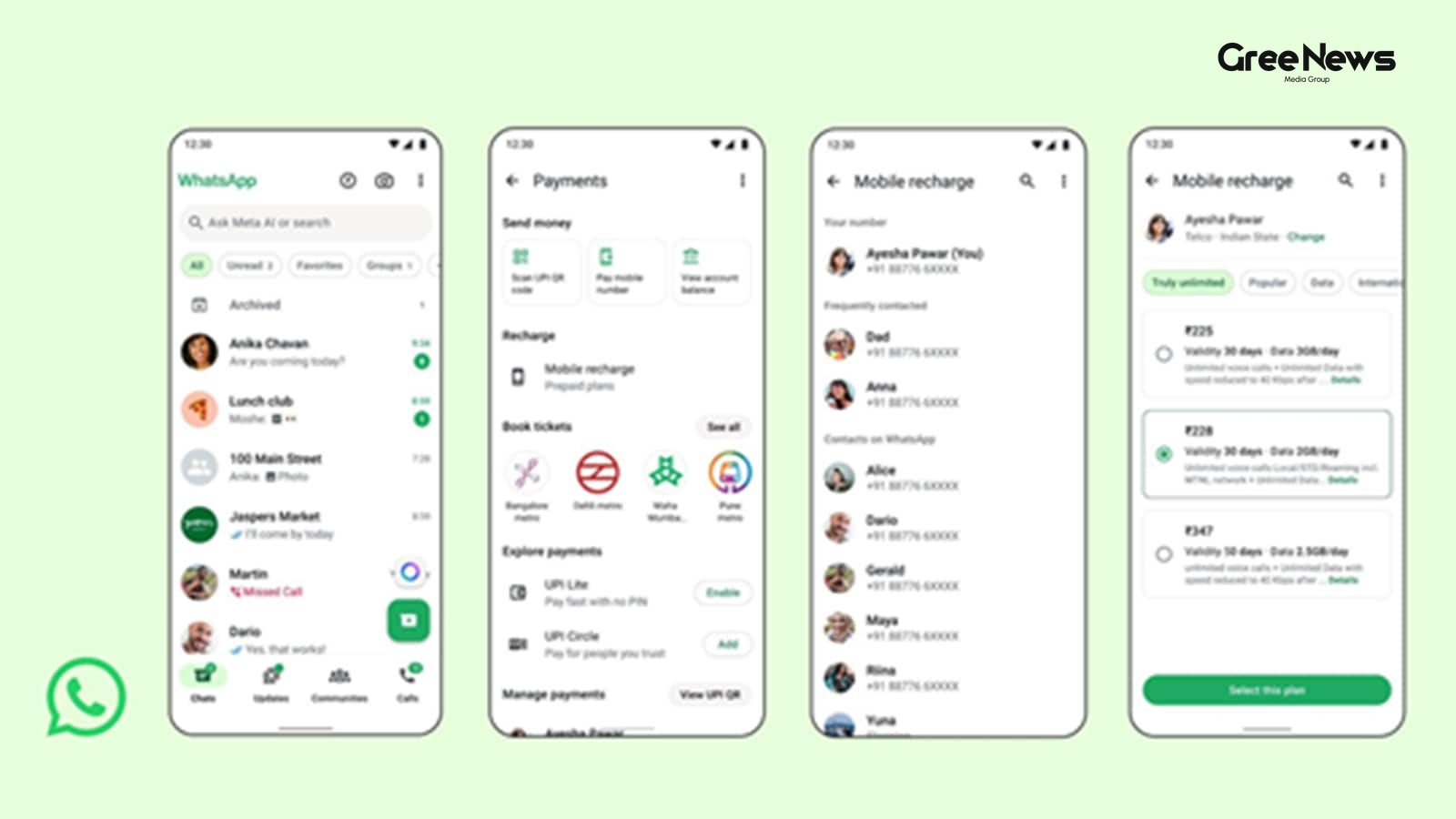
How to use the WhatsApp recharge step by step
Here’s a quick walkthrough of what you’ll see and do, based on what I observed while testing it:
- Tap the ₹ icon that appears on the chat toolbar.
- Select “Mobile prepaid recharge” from the list of options.
- Enter the mobile number you want to top‑up. If the number is saved in your contacts, WhatsApp even suggests it, which saves you a couple of keystrokes.
- Confirm the telecom operator. The app automatically detects the operator based on the number prefix, but you can change it manually if needed.
- Choose a plan. You get a neat list of popular recharge packs from a modest 28 ₹ talk time to a heavy‑duty 499 ₹ combo.
- Proceed to payment. This is where PayU comes into play. You can pay via UPI (simply scan a QR or enter a VPA), debit card, or credit card. The transaction is completely within WhatsApp; you never have to switch apps.
- Once the payment succeeds, you receive an instant confirmation both as a chat bubble and as a notification.
What’s cool is that after the payment, you also get a small receipt that you can forward to anyone maybe your brother who wants to verify the recharge.
Why this matters a glance at the impact
From a user’s perspective, the integration feels like a natural evolution. In most Indian households, the WhatsApp app is already the go‑to platform for staying in touch, sharing photos, and even conducting small business transactions. Adding a prepaid recharge option means you can handle a daily chore without leaving the chat, which saves time and reduces the mental load of switching between apps. In my own daily routine, I’m sure I’ll be using this feature more often than I expected especially during those moments when I’m on a crowded commuter train and can’t open a bulky app.
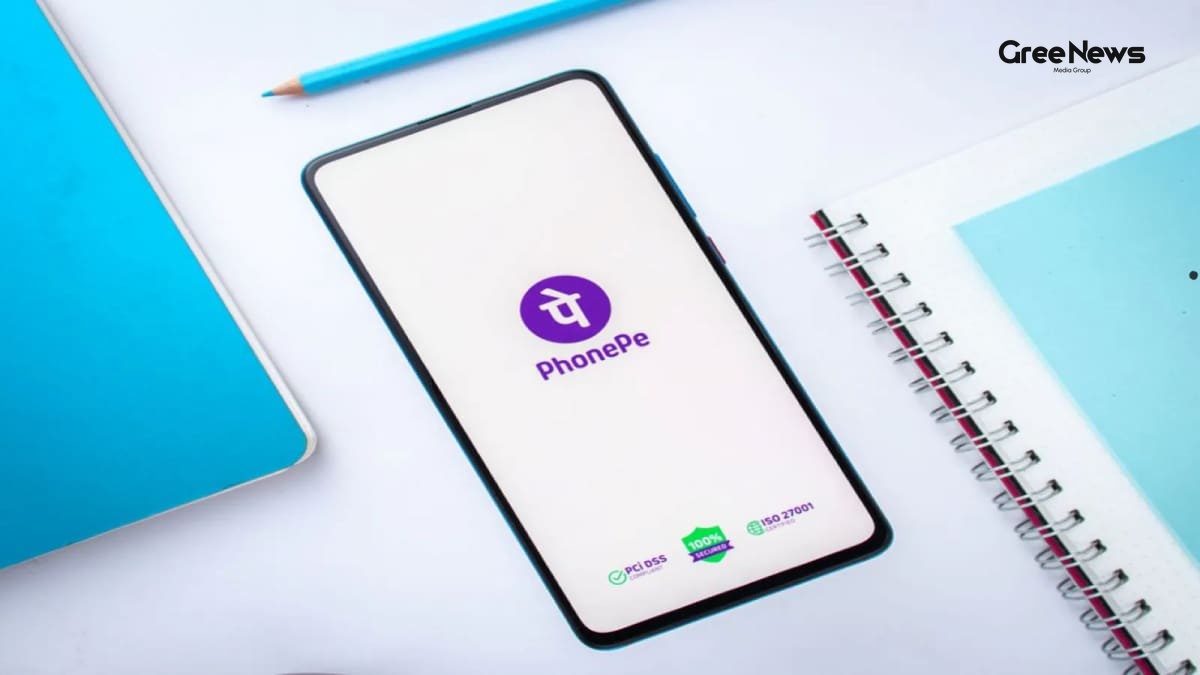
Moreover, the fact that the service is powered by PayU, a well‑known payment gateway in India, brings an extra layer of trust. Many of us have already used PayU for shopping or bill payments, so seeing it behind WhatsApp’s recharge facility feels reassuring. This alignment of trusted brands could also drive more people to explore other financial services that WhatsApp is quietly building something that’s already creating a wave of viral news in social media groups.
Personal anecdotes when the feature surprised me
Let me share a little story. The other day, I was catching up with my cousin from Chennai. He mentioned that his prepaid balance was down to zero and he needed to recharge urgently because of an upcoming job interview. Usually, he would open the operator’s website, which is often slow on his old phone. I showed him how to do it directly in WhatsApp. He was skeptical at first “Can I really pay my mobile bill from the chat?” but after I demonstrated, he was amazed. He completed the recharge in under a minute, and the whole conversation turned into a mini‑tutorial session. What happened next is interesting: he sent a screenshot of the confirmation to his entire family group, and suddenly, a dozen people started asking for the same feature. It instantly became a trending topic in our family chat, and I think that’s a perfect example of how this can become trending news India style word of mouth spreading faster than any official announcement.
Another time, I was stuck at a roadside dhaba during a monsoon, and my phone’s data was down because the prepaid balance was exhausted. I quickly opened WhatsApp, tapped the recharge option, and paid via UPI using my Google Pay app all without having to leave the conversation with the dhaba owner, who was also on WhatsApp. The whole thing took less than thirty seconds. It felt like a small miracle, especially when you consider how many of us depend on a working mobile connection for everything from navigation to emergency calls.
How this fits into the larger WhatsApp ecosystem
WhatsApp has been quietly adding layers of services over the past few years from payments in Brazil to catalog features for small businesses in India. This prepaid recharge feature is a logical next step, turning the app into a one‑stop‑shop for everyday needs. In most cases, users now have the choice to pay their electricity bill, book a cab, or refill their mobile balance, all without stepping out of the messaging experience.
Industry observers are calling this a strategic move to increase user retention. The more tools you embed inside the app, the less likely users are to switch to a competitor. It also opens up new revenue streams for WhatsApp through transaction fees, which, while not disclosed, could be a significant source of income given India’s massive prepaid market.
What the rollout looks like phased and gradual
The announcement mentioned a phased rollout across Android and iOS devices. From my side, I noticed the feature appeared after a recent update, but some friends still don’t see it yet. According to the statement, it will be available to “all users over the coming weeks”. That means we should expect more people to get the icon soon, and probably a few minor tweaks based on early feedback something that’s typical for new digital services.
Based on the rollout strategy, it’s clear that WhatsApp wants to ensure stability before going full‑scale. In the past, the company has taken a similar approach with its Pay features in other countries, gathering usage data and fixing bugs quietly. As a user, this gives me confidence that the service will be reliable when it finally reaches my entire contact list.
Potential challenges and what to watch out for
Even though the feature is convenient, there are a few things to keep in mind. First, the payment flow still depends on your internet connection if you’re in a low‑signal area, the recharge might get stuck. Second, users need to ensure they have enough balance in their linked UPI or card accounts, otherwise the transaction will fail. I did experience a slight hiccup when my debit card limit was temporarily blocked, but the app gave a clear error message and let me try again with a different payment method.
Another point is privacy. While WhatsApp assures end‑to‑end encryption for messages, transaction data passes through PayU’s servers. For most users, this isn’t a big concern, but it’s worth being aware of where your payment information goes. In most cases, the benefits outweigh the minor risks, especially when compared to using a third‑party website that might not be as secure.
Future possibilities beyond mobile recharge
Looking ahead, I can’t help but wonder what else WhatsApp might integrate. If they can handle prepaid mobile recharges, could they soon launch postpaid bill payments, DTH recharges, or even small insurance purchases? Many users are already experimenting with the app for peer‑to‑peer money transfers, so adding more utility services would be a natural progression.
Some friends in Delhi have already suggested a “WhatsApp utility hub” where you could manage all your recurring bills. That would be a massive convenience, especially for those of us juggling multiple subscriptions. While that’s still speculation, the current feature certainly sets the stage for such possibilities, and it’s definitely something to keep an eye on as part of the latest news India feeds.
Conclusion a small change with a big impact
All in all, the new prepaid mobile recharge feature on WhatsApp, powered by PayU, is more than just a nifty addition it’s a practical solution that fits neatly into our daily routines. Whether you’re a student, a working professional, or a busy homemaker, the ability to top‑up your phone without leaving the chat can save valuable time and reduce the hassle of juggling multiple apps.
As this service rolls out to everyone in the coming weeks, I expect it to become a part of the everyday conversation, literally. Keep an eye out for the ₹ icon in your chat toolbar, give it a try, and you’ll understand why it’s generating so much buzz across social platforms and why it’s being covered as a piece of viral news in the Indian digital landscape.
So, next time your balance dips low, just remember you might already have the recharge solution sitting right inside your messenger. Happy chatting and happy recharging!