What I learned from Nithin Kamath’s post about F&O participation
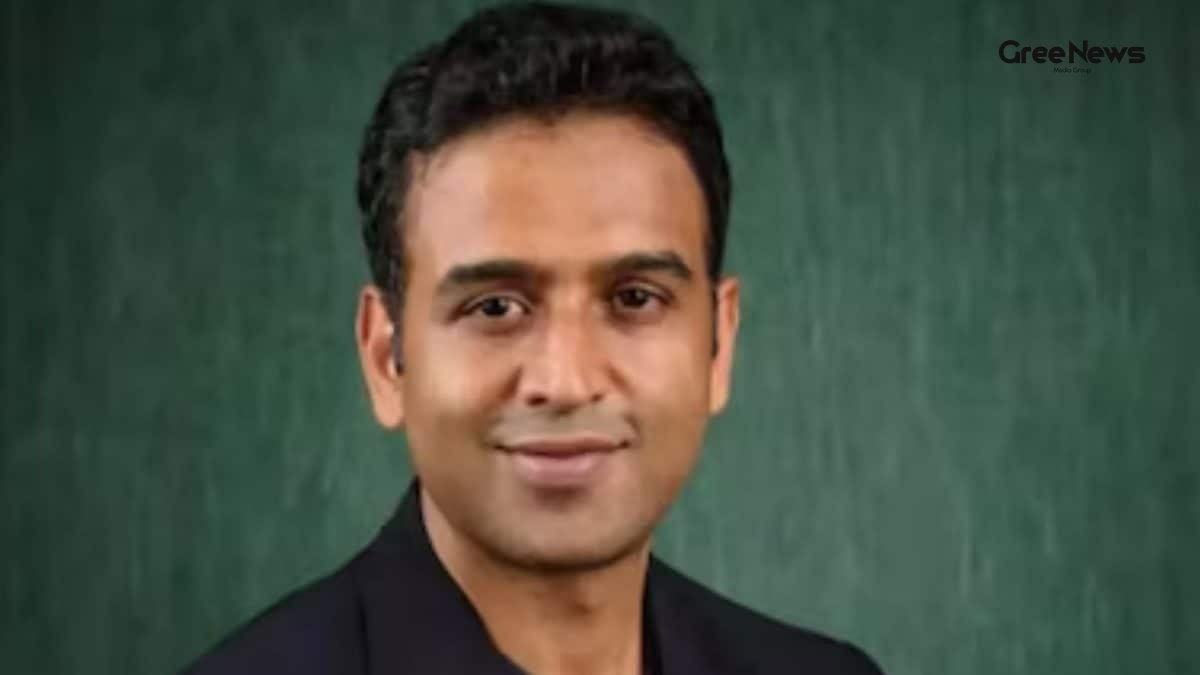
So, the other day I was scrolling through my X feed you know, the usual place where all the breaking news and trending news India circulates and I stumbled upon a post by Nithin Kamath. He’s the co‑founder of Zerodha, and his posts usually feel like a friend giving you the inside scoop on the market. This one, however, caught my eye because it wasn’t about a new product launch or a policy shift it was about something we all hear a lot about: futures and options (F&O) trading.
What happened next was interesting Nithin basically said that despite all the chatter around speculative activity, the reality is that only a tiny slice of Indian investors are actually trading F&O contracts. That statement felt almost like a reality check for many of us who think the market is buzzing with retail traders.
Numbers that surprised me the participation gap
Let me break down the numbers that Nithin shared, because they paint a clear picture. In March, only about 30 lakh individuals traded an F&O contract. Across the whole fiscal year, roughly 20 lakh people traded exclusively in F&O. When you combine equities and derivatives, the total number of participants sits around 64 lakh. Now, think about the broader landscape there are close to 13 crore unique investors in India, but only about 3.8 crore are actually active across any segment.
What does that mean? It translates to just about 30% of investors who have traded anything at all. The rest are basically holding accounts that they never touch, despite the surge in account openings we see every year. This was a real eye‑opener for me because the prevailing narrative, especially in viral news pieces, is that the Indian derivatives market is booming with retail participation.
Why the market feels bigger than it is
In most cases, the media loves to showcase the sheer number of new Demat accounts as a sign of rising financial awareness. And that’s true to an extent more people are getting their first taste of investing. But the reality, as Nithin highlighted, is that a large chunk of these accounts remain dormant. It’s a bit like buying a fancy kitchen gadget and never using it because you’re not sure how to cook with it yet.
What’s also intriguing is how the revenue for brokerages is being sustained. Nithin mentioned that the entire revenue pool of the broking industry largely rests on a small pool of traders who are highly active. So, while the number of accounts looks impressive, the real money is coming from a tight‑knit group of frequent traders.
Concentration of trading activity a tiny elite
One statistic that many people find surprising is that roughly 12% of traders generate about 60‑70% of F&O turnover. This concentration explains why the market’s volume remains high even though the overall participation is modest. Think of it as a cricket stadium where only a handful of players are actually batting and scoring runs the rest are just watching from the stands.
That raises some questions for me: If a small elite is moving most of the market, does that make the market more volatile? Does it increase risk for the average investor who might be tempted to jump in without fully understanding the dynamics? These are the kind of concerns that are now appearing in the latest news India and becoming part of the broader conversation about market health.
What this means for regulators and investors
SEBI has been tightening norms to curb excessive speculation, especially in the derivatives space. Nithin’s data gives some context to why that matters with a small, highly active group driving most of the turnover, any regulatory change can have a disproportionate impact on market liquidity.
For an everyday investor like you or me, the key takeaway is to be cautious. The hype around “trading is the new saving” can be tempting, but the stats show that most people are not really participating. Before you dive into F&O, it might be wise to understand the risk profile and perhaps start with simpler equity investments.
Quick primer: What exactly is F&O trading?
Futures and options are contracts that let you bet on the future price of an asset be it a stock, an index, or a commodity. A futures contract obligates you to buy or sell at a pre‑decided price on a set date. An option, on the other hand, gives you the right (but not the obligation) to do the same within a certain time frame.
These instruments are popular for short‑term strategies, hedging, or speculation. The big draw is leverage you can control a larger position with relatively small capital. But that also means the risks are amplified. A small market move against you can wipe out your entire investment, which is why many people get burned in the first few trades.
In most cases, seasoned traders use F&O to either protect existing holdings (hedging) or to capitalize on short‑term market movements. It isn’t typically a “set‑and‑forget” investment; you need to stay on top of market news, earnings dates, and even global events that might sway prices.
My personal take should I jump in?
Honestly, after reading Nithin’s post and seeing the numbers, I felt a mix of curiosity and caution. On one hand, the idea of leveraging a small amount of money to potentially earn bigger returns is appealing especially when you hear friends talking about making quick profits in the F&O space.
On the other hand, the fact that only about a third of investors are even trading anything made me pause. If most people are staying out, maybe there’s a good reason. I decided to start small, maybe with a few equities, and only consider F&O after I’ve built a solid understanding of the market mechanics.
What really struck me was how the story of low participation has become part of the trending news India it’s not just a niche conversation among traders; it’s catching the attention of mainstream media and even casual investors. That, to me, underscores the importance of being well‑informed before making any move.
Where do we go from here?
The data suggests that while the derivatives market is certainly growing, its growth is being driven by a concentrated set of traders. For the broader market to become more inclusive, there needs to be more education, better risk‑management tools, and perhaps a shift in how brokerages engage with newer investors.
Until then, the story of “Only 30% Investors Trade” will likely stay a hot topic in the next wave of viral news, shaping the way policymakers, brokers, and everyday investors think about the future of F&O trading in India.