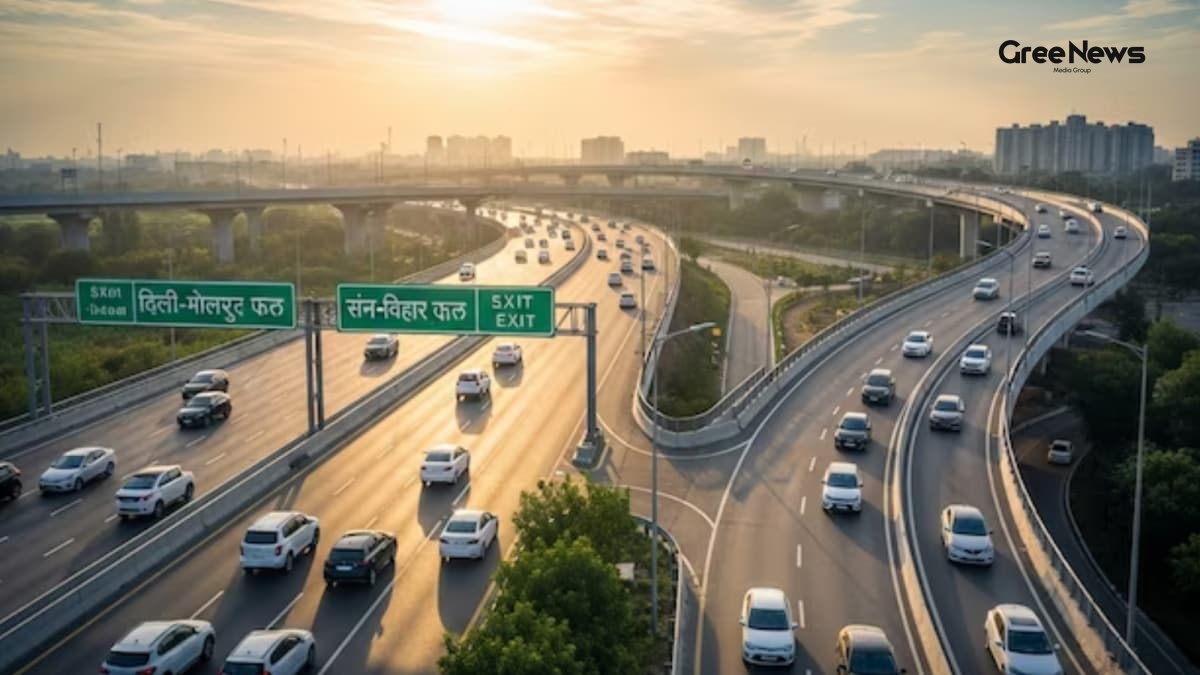
The Delhi‑Meerut Expressway, metro expansion, Namo Bharat RRTS and new flyovers have drastically cut travel time between Ghaziabad and Delhi‑Noida.
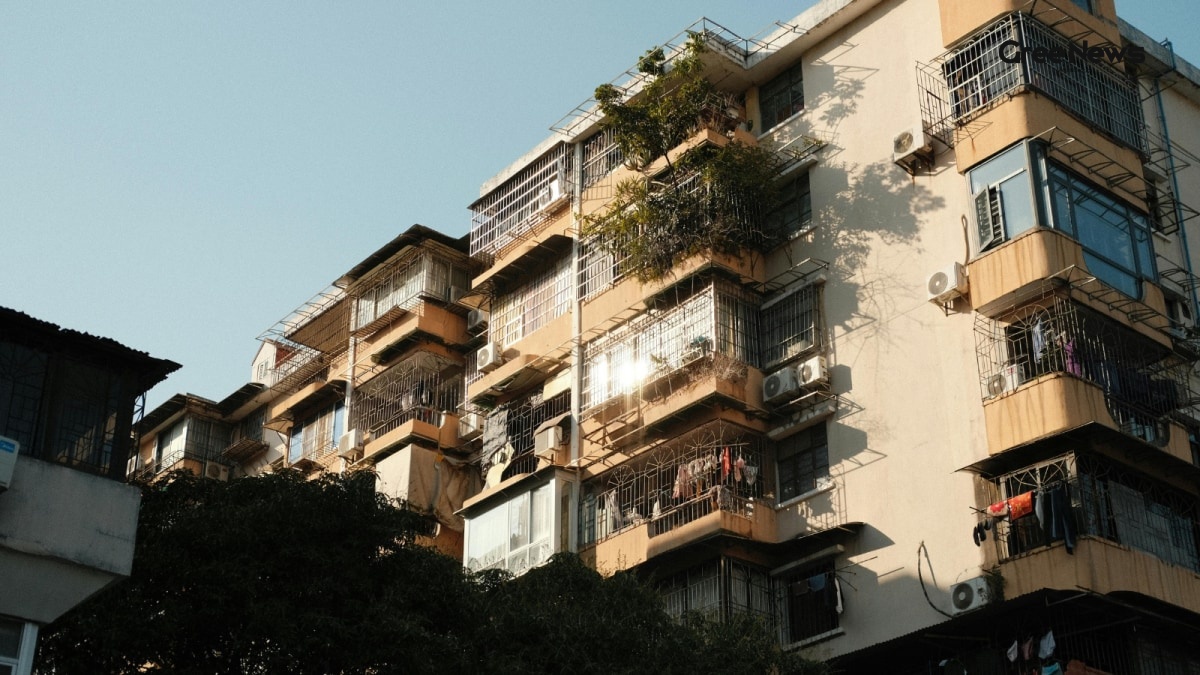
When I first moved to Ghaziabad a few years back, it felt like an off‑beat cousin of Delhi affordable, but a bit disconnected. Back then, if you wanted to escape the sky‑high rates of Delhi, you simply booked a flat in Ghaziabad and hoped for the best. Fast forward to today, the scene has changed completely. The moment you step onto the freshly laid surface of the Delhi‑Meerut Expressway, you realise that this place is no longer a fallback; it’s becoming a prime destination. The whole vibe here now screams "latest news India" you can literally see the transformation happening on the streets.
Connectivity: Distances Shrink, Appeal Grows
Honestly, the biggest factor that made me reconsider Ghaziabad as a home base was the new connectivity. The expressway, the extended metro lines and the Namo Bharat Regional Rapid Transit System (RRTS) have all come together like a perfect recipe. Imagine this: a commute that used to take two hours now finishes in just 45 minutes. That's the sort of "breaking news" that makes people pause and think, "maybe I should upgrade from a cramped 1‑BHK to a spacious 3‑BHK".
What happened next is interesting developers started launching projects with taller towers, slick clubhouses and even kid‑friendly zones. People are not just looking for a roof over their heads; they want a lifestyle that includes safety, convenience and a dash of luxury. And the best part? All of this is happening while the city still offers prices that feel reasonable compared to Delhi.
Infrastructure: A New Identity of Growth
Infrastructure is the backbone of any city’s growth, and Ghaziabad is no exception. The Delhi‑Meerut Expressway gave the old NH‑24 a fresh identity it’s no longer a ragged road, but a fast‑lane that connects you to the heart of Delhi in a snap. The Namo Bharat RRTS corridor, which links Delhi, Ghaziabad and Meerut, feels like a high‑speed train straight out of a futuristic movie. The region now boasts regional flights from Hindon Airport to more than ten domestic destinations, and the upcoming Noida International Airport has created a buzz that many investors can’t ignore.
On the ground, you’ll notice that metro stations in Indirapuram, Vaishali and Mohan Nagar are buzzing with commuters. Last‑mile connectivity has improved, and that’s a key reason why families with kids are moving in. The whole atmosphere has that "viral news" feel everyone’s talking about the new flyovers, the smooth traffic flow and the modern look of the city’s skyline.
Market Pulse: Knight Frank’s Take on Ghaziabad
According to the latest Knight Frank report, Ghaziabad held a solid grip on the NCR residential market in the recent year. The city accounted for roughly 10% of new project launches across the region and captured about 16% of total sales. This data tells a clear story mid‑income buyers are still drawn here because of affordable pricing and direct connectivity, while higher‑end segments are also gaining traction thanks to premium projects sprouting along the NH‑24 belt.
In most cases, the numbers reflect what we’re seeing in everyday life: a mix of young professionals, families, and even retirees looking for a balanced lifestyle. The rise of the "trending news India" tag on local property portals mirrors this surge, with more people searching for "Ghaziabad luxury apartments" than ever before.
Micro‑Markets: Tailored Options for Every Segment
If you ask any local realtor, they’ll tell you that the city’s micro‑markets have distinct personalities. Raj Nagar Extension, for instance, is now the go‑to spot for affordable luxury think sleek high‑rise towers with well‑maintained Green belts. Siddharth Vihar, being right on NH‑24, draws mid‑segment buyers who love the ease of commuting. Indirapuram, on the other hand, has seen a revival in rental demand; many IT professionals prefer it because of its proximity to office hubs and the metro.
What surprised many people was the speed at which gated societies along the NH‑24 belt are taking off. Developers are no longer just building apartments; they are creating mini‑townships with shopping complexes, schools and health centres within a stone’s throw. This aligns perfectly with the growing “live‑work‑play” mentality that’s becoming popular across the NCR.
Modern Lifestyle: Beyond Just Four Walls
When I visited Wave City last month, I felt like I was walking through a small city within a city. High‑rise towers rise alongside expansive clubhouses, kids’ play zones, jogging tracks and even pet‑friendly parks. These developers aren’t just selling homes; they’re selling an experience, a complete lifestyle that includes safety, entertainment and community. In a world where people are increasingly health‑conscious, the Green spaces and wellness facilities have become a massive pull factor.
Many homebuyers I met said they wanted more than just a flat they wanted a space where their children could play safely, where seniors could enjoy fresh air, and where they could host friends without worrying about traffic or pollution. The shift from “just a house” to “a holistic living experience” is what truly defines the current property boom in Ghaziabad.
Safety and Space: What Families Really Want
Safety is now a top priority for families moving to Ghaziabad. Most new residential societies boast 24×7 security guards, CCTV surveillance, and smart access control features that were once exclusive to high‑end pockets of Delhi. Space is another winning point. Compared to the cramped apartments of central Delhi, Ghaziabad offers larger floor plans at similar price points. This extra room has become especially valuable after the work‑from‑home culture took hold; many families now prefer 3‑ or 4‑BHK homes with a dedicated office nook.
One of my neighbours, who works remotely in Gurgaon, told me that his kids finally have a proper study table and a play area. He said, “I never thought I’d find such a blend of safety, space and affordability in one place.” Stories like these have turned into "trending news India" on social media, with many sharing their positive experiences.
A Smart Investment Destination
Investors are also taking note. With the Namo Bharat RRTS line promising even faster linkages, property values are expected to appreciate further. The city’s social infrastructure international schools, multi‑specialty hospitals and sprawling malls supports a solid live‑work‑play model, reducing the need for long commutes for essential services.
What’s more, the government’s focus on developing the NH‑24 corridor has attracted several multinational companies to set up offices nearby. This influx of corporate talent translates into sustained demand for quality housing, making Ghaziabad a "viral news" topic for real‑estate investors across the country.
Future Outlook: From Old Image to Premium Destination
While older pockets of Ghaziabad still grapple with traffic snarls and drainage challenges, the smartly planned townships of the upcoming years promise better urban design. Experts predict that the luxury housing segment will continue to rise robustly, driven by the city’s evolving identity.
Many residents I chatted with believe that buying a home here now is like getting a front‑row seat to the city’s transformation. They told me, “It feels like we’re part of a story that’s still being written, and our homes are the chapters.” This sentiment captures why Ghaziabad has moved beyond its old perception and is now seen as a premium residential destination in the Delhi‑NCR region.
In conclusion, the combination of improved connectivity, modern infrastructure, and lifestyle‑centric developments has turned Ghaziabad into a hotspot that’s catching the eye of homebuyers, renters, and investors alike. If you’re looking for a place where affordability meets modern comfort, Ghaziabad might just be the answer.