How It All Started – My First Glimpse of the New Strike
Honestly, I was sipping my morning filter coffee, scrolling through the news on my phone, when I saw the headline about Israel hitting around a hundred spots in Lebanon. It felt like those early days of the pandemic when every push‑notification felt like an alarm bell – you just couldn’t ignore it. The article said the strikes happened within minutes after a cease‑fire was being discussed. I remember thinking, "If they’re already talking peace, why would they launch such a massive attack?" But then I read that Benjamin Netanyahu himself had said, "We need to keep going in Lebanon," basically confirming that the military action was a deliberate choice, not an accidental spill‑over.
For me, growing up in Delhi, the idea of a cease‑fire being broken so quickly reminds me of those traffic jams in Connaught Place when the police suddenly open a lane for an ambulance – you know something urgent is happening, but the rest of the traffic just gets caught in the chaos. That’s exactly how the region feels now – one side tries to negotiate, the other, in this case Israel, pushes the accelerator.
The Big Air Raid – What Exactly Did Israel Target?
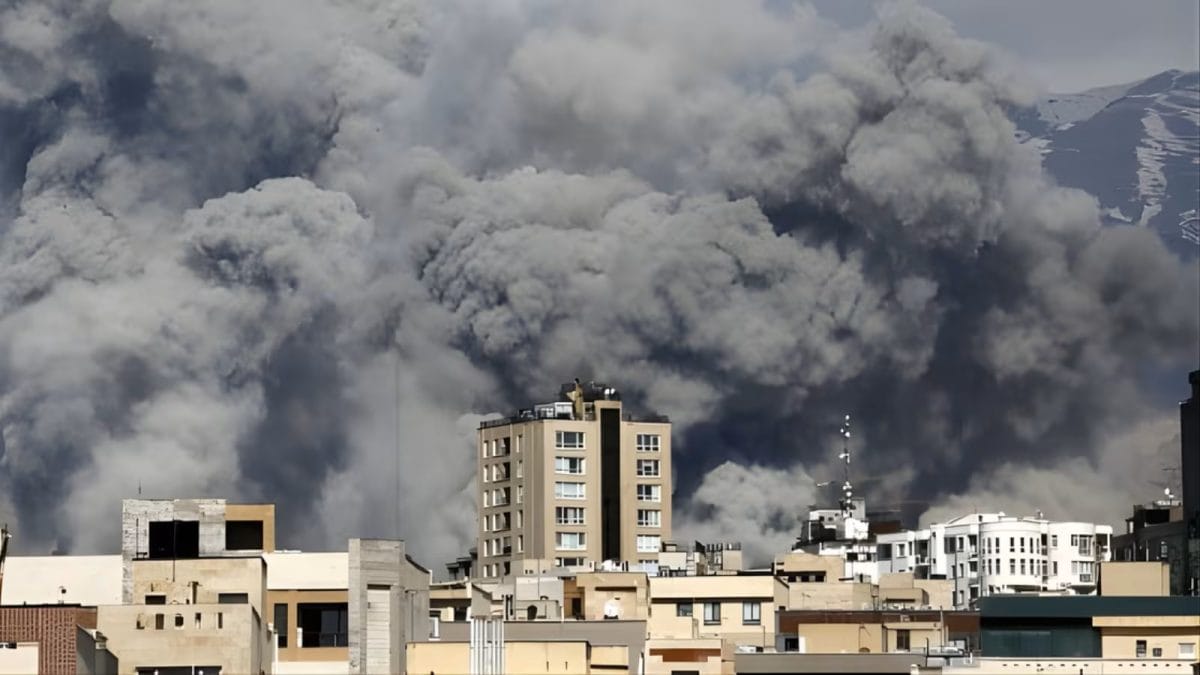
According to the reports I read (the Wall Street Journal was quoted a lot), the Israeli Defence Forces bombed roughly one hundred locations in southern Lebanon. These weren’t random houses; they were specifically chosen places like crossing points, storage sites, launchers and command centres that Hezbollah uses.
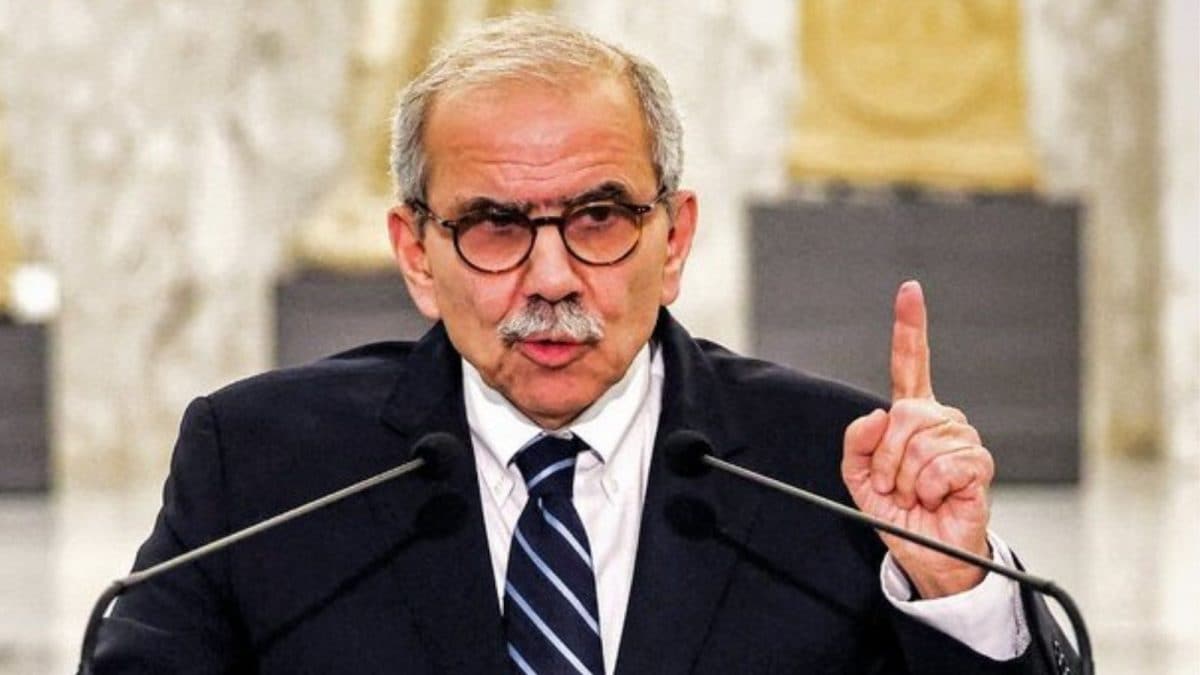
There was a picture of Benjamin Netanyahu on X – the platform they now call Twitter – where he said, "We are continuing to strike Hezbollah with force, precision and determination." I found that line a bit like the slogans you hear on political rallies in our villages – loud, confident, meant to reassure. The IDF also said the strikes were aimed at infrastructure that helps Hezbollah move weapons, so in their view, they were hitting the supply chain rather than civilians, though the reality on the ground is always messier.
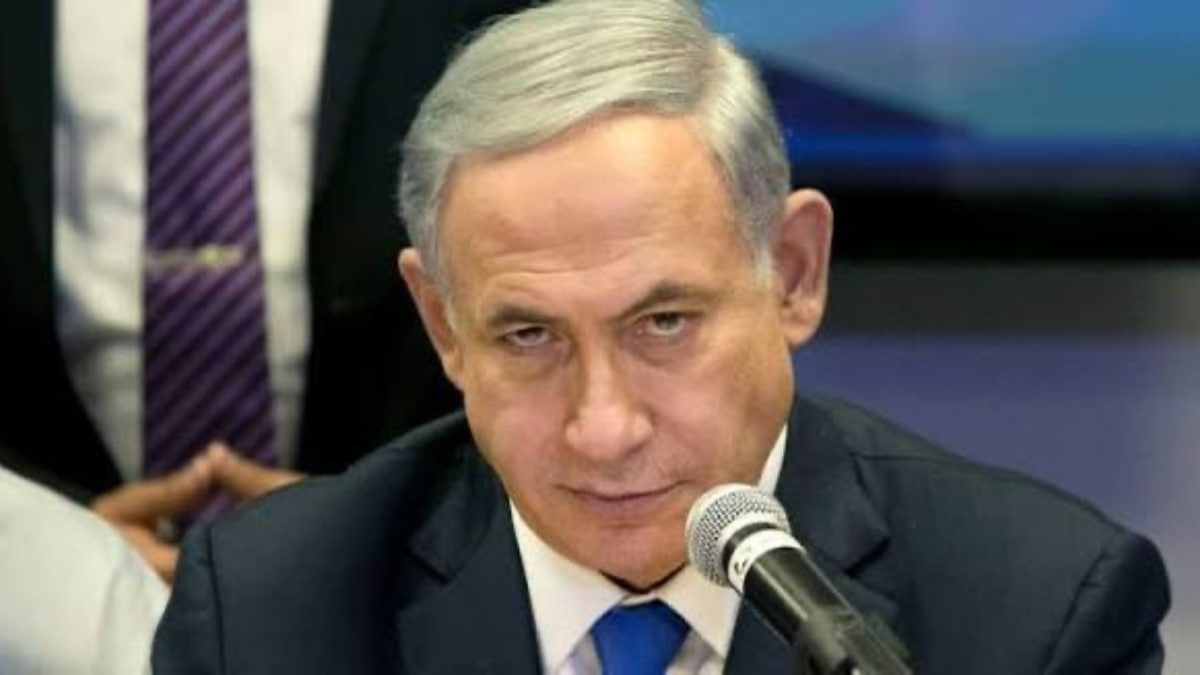
Seeing that photo made me think of the many political rallies we have back home where the leader steps up to the microphone, but here the stakes are far higher – lives, territories, and a whole region’s stability.
Iran’s Reaction – Rockets, Drones and More Tension
Within hours of the Israeli raid, Iran decided to show its displeasure in a very public way. They launched rockets and drones across the region, a move that immediately put additional pressure on the fragile cease‑fire that the United States and Iran were trying to hold together. It was like when two neighbours start shouting at each other over a fence – the quiet that surrounded the dispute disappears in an instant.
The Iranian response reminded me of the monsoon storms back in Mumbai; you see the dark clouds gathering, and even before the rain hits, the whole city gears up for the splash. In this case, the splash was a series of retaliatory strikes that escalated the situation rather than calming it.
Casualties and the Human Cost – Numbers That Bite
Lebanon’s health ministry put the death toll at more than two hundred people, with over a thousand injured. Those are not just numbers; they are families losing breadwinners, children with broken limbs, and a whole community wrestling with grief. I remember when a friend from Kolkata told me about a local tragedy where a bus accident claimed many lives – the shock is similar, only this time it’s a war zone and the bodies pile up faster.
On the Israeli side, Defence Minister Israel Katz claimed that "more than two hundred terrorists were eliminated yesterday," raising the total killed in the current campaign to over fourteen hundred. The word "terrorists" is used by the Israeli side, while Lebanon calls them civilians. Both sides are speaking in terms that suit their narratives, which makes it hard for an outsider like me to see the whole picture clearly.
Opposition Voices – The "Sold Us Illusions" Rhetoric
Back in Israel, the political opposition didn’t stay quiet for long. According to The Jerusalem Post, leaders like former prime minister Naftali Bennett accused Netanyahu of "selling us illusions" – a phrase that sounded like a courtroom drama you’d watch on a Sunday night. They argued that the prime minister had failed to meet the core war objectives, such as dismantling Iran’s nuclear program, and that the public was being fed "spin, half‑truths, and lies."
Yair Lapid and Yair Golan also joined the chorus, saying Netanyahu "failed politically" while some, later on, softened their tone and supported opening talks with Lebanon about Hezbollah’s disarmament. It reminded me of how in Indian politics, after an election, we often see the opposition swinging between harsh criticism and pragmatic cooperation – a dance that continues as long as the stakes are high.
Strategy Under Scrutiny – A Broader Fight Against Iran
Netanyahu has been framing the whole conflict as part of a larger effort against Iran and its proxies, especially Hezbollah and Hamas. Since October 2023, Israel has been fighting on multiple fronts – Gaza, the West Bank, and now Lebanon. In a televised address, he said, "Iran is weaker than ever, and Israel is stronger than ever. This is the bottom line of this campaign, up to this moment."
Listening to his speech felt a bit like hearing a coach hype up his team before a crucial match – confident, sometimes overly so. Yet many Israelis are beginning to ask, "What’s the endgame?" Even with the heavy firepower, the battlefield gains haven’t yet turned into a stable, lasting peace. It’s similar to when a farmer spends months sowing seeds, but the monsoon never arrives – you have all the effort but no harvest.
Cease‑Fire Limits – Why Israel Says It’s Not Bound
Even though the United States and Iran are trying to hold a cease‑fire, Netanyahu insists that Israeli operations in Lebanon are outside the scope of that aGreement. He has repeatedly said that Hezbollah’s retaliatory strikes, like the rockets firing towards northern Israel, justify Israel staying on the offensive.
He even said, "We are prepared to return to combat at any moment required. Our finger remains on the trigger." To me, that sounds like a very tense neighbourhood watch where everyone keeps an eye on each other, ready to jump at any sign of trouble. The constant readiness makes the whole region feel like it’s perched on a knife‑edge.
Analysts’ Take – Tehran Still Has Teeth
While Israel boasts about halting Iran’s nuclear infrastructure and degrading its military capabilities, many analysts point out that Tehran still holds considerable capacity to respond and influence the region. It’s a bit like a big corporation that, even after a PR crisis, still has enough resources to bounce back and affect market trends.
So, the continued fighting in Lebanon is not just about Hezbollah; it’s a reflection of the larger tug‑of‑war between the US‑Iran truce and Israel’s security concerns. The picture is messy, and for a regular citizen like me, it feels like standing at a railway crossing with no idea when the next train will whizz past.
What This Means for Everyday Folks – A Personal Reflection
Seeing all these developments, I can’t help but think about the people living in border towns of both Israel and Lebanon. Imagine waking up to the sound of sirens, the smell of burnt oil, and the constant worry that the next day could bring another round of rockets. That’s the reality for many. In India, after a cyclone warning, we get similar anxiety, but at least we know it’s a once‑in‑a‑while event. Here, the conflict seems cyclical.
Friends of mine who have relatives in the region keep asking "When will it end?" – a question that feels both simple and impossible to answer. Until there’s a genuine, lasting aGreement that addresses the core concerns of both sides, the story of the strikes, the retaliation, the political drama, and the human suffering is likely to continue.