The Impact of AI, Hybrid Work, and Connectivity on Employee Mental Health

8:45 AM. You barely managed to settle in. One meeting bleeds right into the next. An AI tool is already crunching yesterday’s emails. Your phone buzzes with yet another message. And somewhere in the background, real life just keeps quietly competing for attention. You try to keep up. But the pace? It just doesn’t slow down. It just keeps moving.
Work in 2026. It’s fundamentally different. It’s constantly connected. Always moving. That line between work and personal life? It’s gone.
We saw this theme push through every year. April 7th. World Health Day in 2026. The theme was “Together for health. Stand with science.” It felt like a necessary alarm bell. It drew attention to something really serious: the steady, slow decline in employee mental health. It’s not just some abstract concept. It’s the direct result of longer hours, the financial strain piling up, the complete blurring of boundaries in this hybrid work mess, and the sheer, rapid rise of AI.
Despite all this pressure, people still value balance. They really do.
Yet, look closer. Nearly half of people feel that AI actually benefits the company output more than it benefits their own wellbeing. Instead of freeing up time, technology just seems to create more demands. It fills any saved gap with more tasks. It just keeps the treadmill spinning faster.
Dr. Vikram Thaploo, he talks about this constantly. He’s the CEO of Apollo TeleHealth and also runs the Apollo Telemedicine Networking Foundation. He explains how this is playing out right now. He says, “Workplace mental health is no longer something companies can just overlook.”
And the hybrid shift? That added another whole layer of complexity. It’s accessible to nearly seventy-nine percent of remote-capable employees. On one side, you get flexibility. That’s nice. On the other side, the boundaries dissolve further. Notifications creep into the evenings. Weekends don’t feel like true breaks anymore. And that expectation to just respond quickly? It remains constant. It’s exhausting.
This constant connectivity feeds into something deeper. Burnout. It builds up quietly. Like slow-motion damage.
Surg Commodore (Dr.) Sunil Goyal, who’s a Senior Consultant in Psychiatry at Sarvodaya Hospital, he sees this pattern everywhere. He points out that work stress doesn’t always announce itself loudly. It builds slowly. Through those long hours. Through the constant stream of notifications. Through the sheer lack of real breaks. It’s insidious.
Then you look at the actual physical toll. It isn't just the mental stuff. The physical impact is huge too. The World Health Organization and the International Labour Organization have done the research. They link working more than fifty-five hours a week to a thirty-five percent higher risk of stroke. And a seventeen percent higher risk of dying from heart disease. Poor balance? That’s the root of chronic stress. It fuels anxiety. It breeds depression. It messes with sleep. It creates this constant irritability and emotional exhaustion. It’s physical, too.
At the organizational level, the consequences are equally messy. Burnout isn't just a personal failing. It shows up as higher absenteeism. More mistakes. Less creativity. Lower productivity. And eventually? Disengagement. People just leave. Turnover spikes.
They are hopelessly linked.
Dr. Thaploo suggests some practical stuff. Things that actually move the needle. He points toward simple steps. Flexible work hours. Easy access to counseling. Regular check-ins. He argues these things make a tangible difference. Digital platforms can help people seek support without feeling totally exposed or hesitant.
These aren't some massive structural overhauls. They aren't some giant corporate mandates. They are just meaningful adjustments. Flexible schedules give people back control over their time and their energy. Counseling services? That’s a safe place. It’s an outlet. Regular check-ins? That ensures the stress gets addressed before it becomes a crisis.
Dr. Goyal brings in the personal side. He emphasizes individual habits. Take short pauses between tasks. Seriously. Step away from the screen. Let your mind actually reset. And setting clear boundaries after work hours? That is just as crucial. It needs to be enforced.
It’s like saying that rest isn't some luxury tacked onto the end of the day. It’s not separate from productivity. It’s the fuel. Without proper recovery, even the most efficient systems? They just start to fail eventually. That’s the reality.
AI and these new work structures? They aren’t going anywhere. That much is certain. What changes is how the organizations actually react to them. A workplace that manages to encourage real, open conversations. A place that respects boundaries. A place that actively supports mental health? That’s where you’ll find the ones that actually manage to keep both their people and their performance. Because in the end, employee wellbeing isn’t just some footnote. It sits right at the absolute center of how work itself is changing.
Written by Gree News Team — Senior Editorial Board
Gree News Team covers international news and global affairs at Gree News. Our collective of senior editors is dedicated to providing independent, accurate, and responsible journalism for a global audience.
More from Life & Style
View All
Fasting, Insulin Resistance, and the Role of Protein in Diabetes Management
That patient... she finally thought she’d cracked diabetes. Seriously. She read stuff online skipping breakfast was the magic trick to reverse it. So for six weeks? Nothing but black coffee until lunch. She felt proud of her discipline. Expected results. Turns out, they didn't come. When she showed
Jun 23, 2026 by Gree News Team
The Shifting Timeline of Women's Health in India: Puberty and Menopause
A quiet but significant shift is happening in how women’s health is understood across India. Girls are hitting puberty much sooner now. And frankly, many women are starting to experience menopause earlier than anyone expected. These changes together are seriously shortening what we call reproductive
Jun 23, 2026 by Gree News Team
Discreet Desk Stretches for Office Workers
The daily grind for most working people is a relentless shift. One screen after another. Emails before breakfast, calls during lunch, and then just hours sitting there in the same chair. It builds up. By the afternoon, that stiffness hits. The neck tightens, shoulders start to seize up, and the lowe
Jun 23, 2026 by Gree News Team

The Holistic Journey of Yoga: Finding Balance, Health, and Mindfulness
International Yoga Day. June 21st. It’s a date that sticks around, doesn't it? It’s supposed to be about yoga, right? This whole idea that you can actually weave something like that into the fabric of modern life. A holistic practice. Health. Mind. Body. That’s what they push. It started in ancient
Jun 22, 2026 by Gree News Team
Latest Headlines
Lucknow Building Fire: Negligence, History, and Systemic Failure
The air in Lucknow felt heavy that Monday. Not just with the usual heat, you know? Something else hung there a kind of thick, suffocating silence that followed the news. The fire. It happened in Aliganj. A three-storey building, and fifteen lives were lost. Fifteen people just gone. It’s a terrible
Jun 23, 2026 by Gree News Team
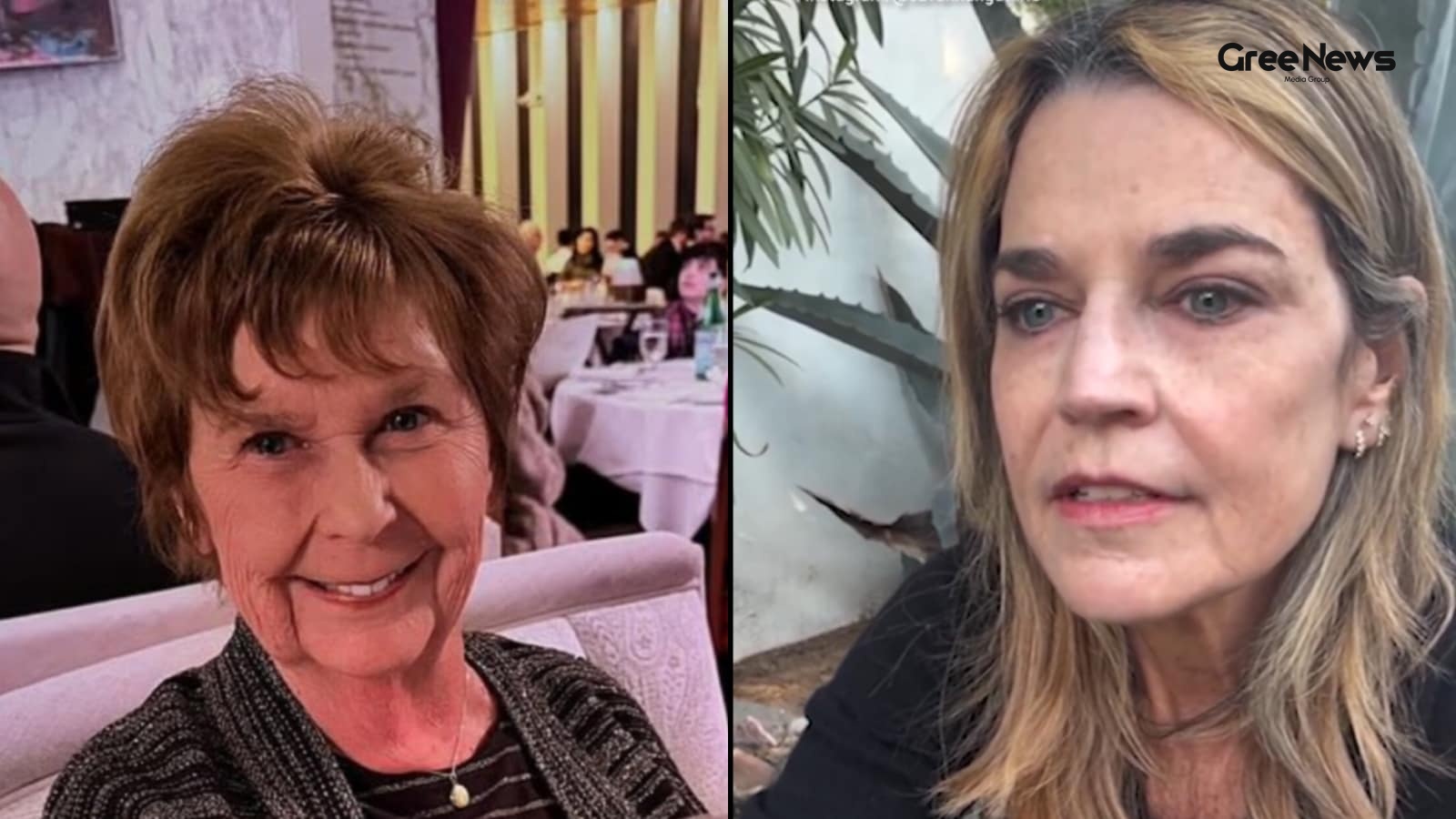
Nancy Guthrie Disappearance and Ransom Notes
A second note came out days after Nancy Guthrie vanished. It was sent to the media. This one, according to NBC News, said she had died. The 84-year-old, that’s her age, was gone. Investigators are looking at a few things here. They think whoever wrote those notes the first one and this second one mi
Jun 23, 2026 by Gree News Team

Kylian Mbappé's Goal-Scoring Streak and Historical Comparisons
Kylian Mbappé is really running France at the FIFA World Cup 2026. And honestly, what he did recently just puts him in a strange spot. Monday, Tuesday during that second Group I match for the French team he entered some record books. He became the first Frenchman, and only the fourth player ever, to
Jun 23, 2026 by Gree News Team
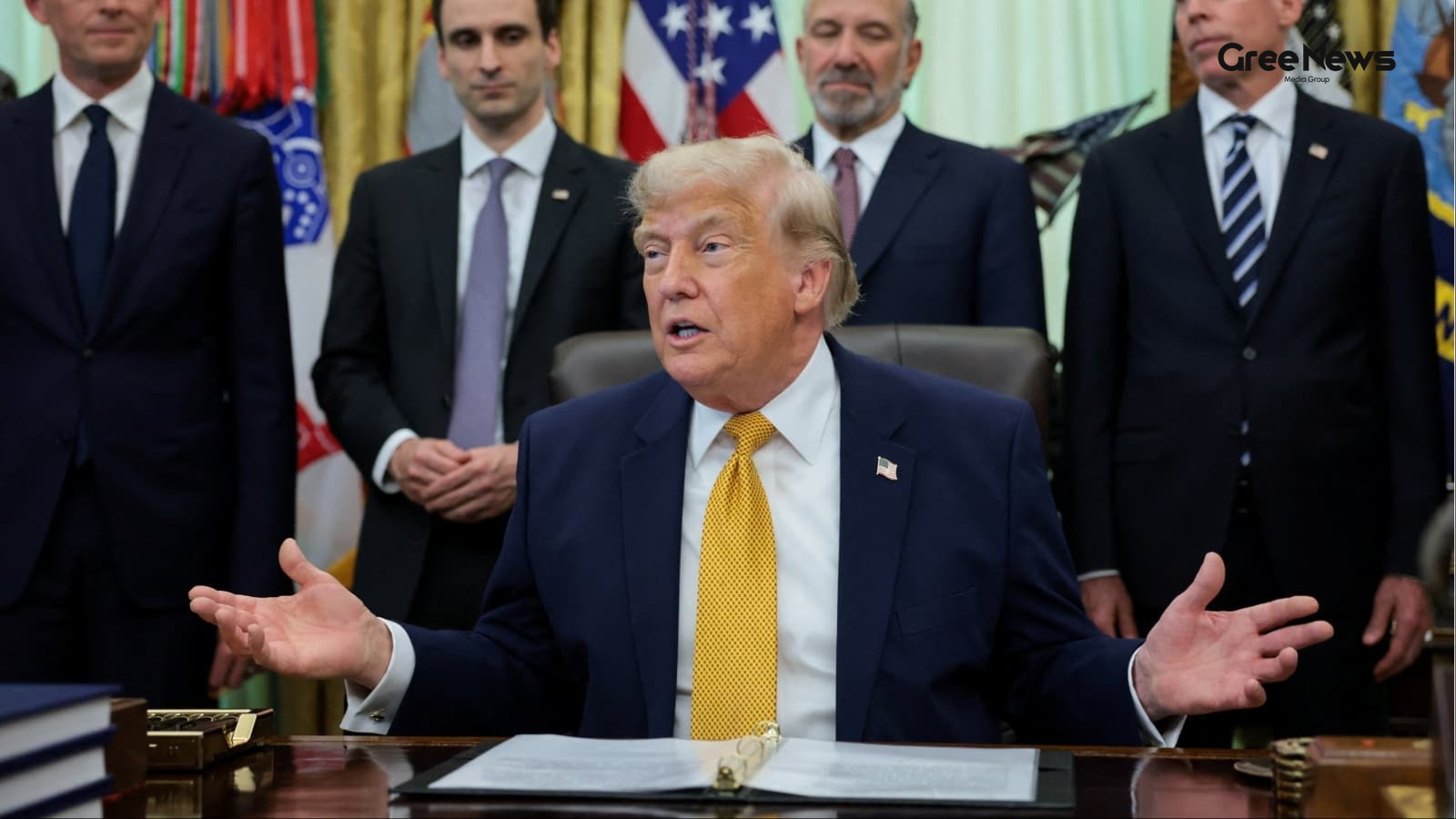
Trump Warns About Iran's Agreement and Military Collapse
Trump warned Tuesday that Washington would react if Iran didn’t stick to their agreement. He insisted, though, that Tehran was significantly weakened by everything that happened recently. No longer had real leverage over Washington, he claimed. “If Iran doesn’t live up to their agreement, or if they
Jun 23, 2026 by Gree News Team
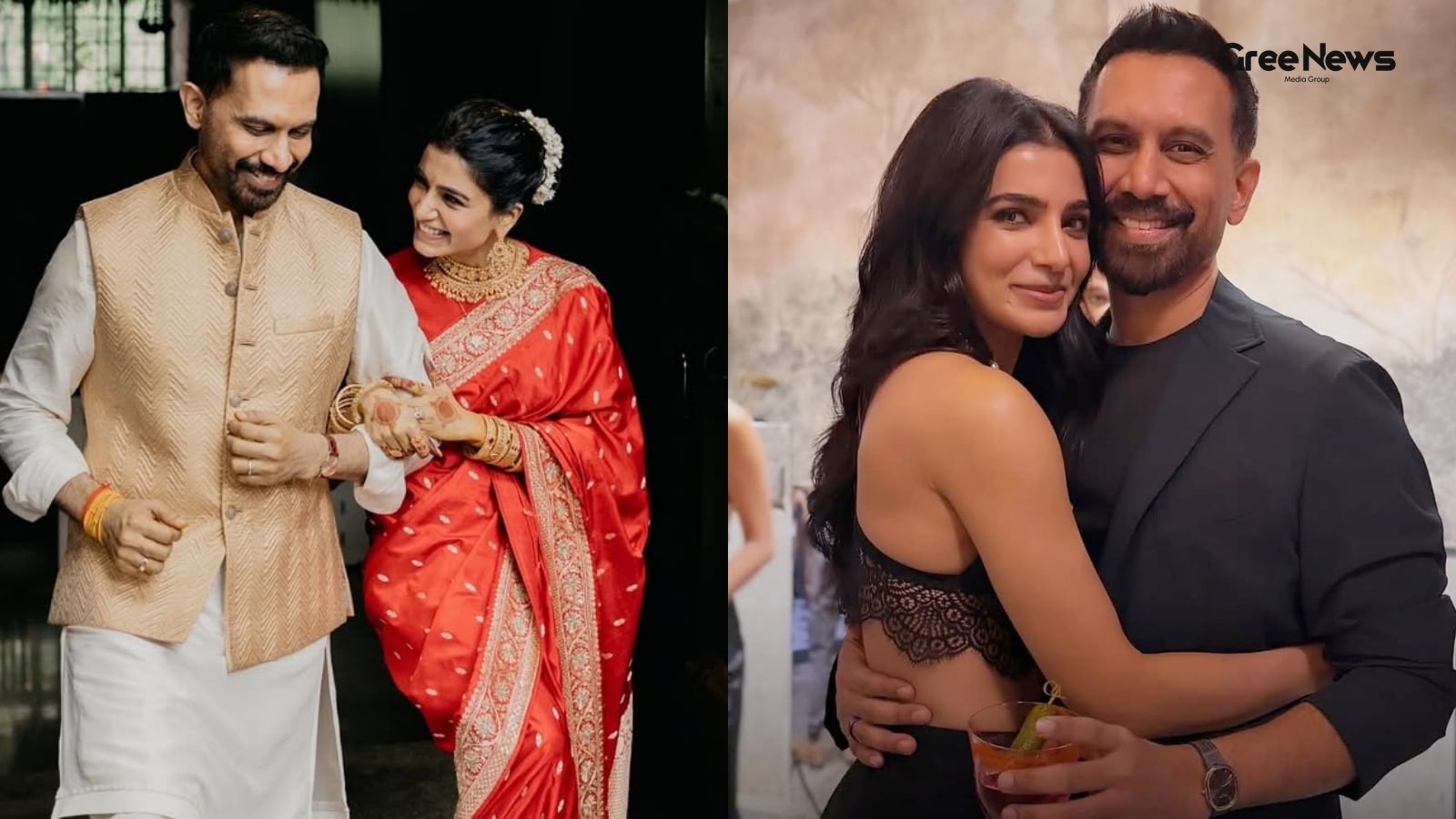
Maa Inti Bangaaram: Raj and Samantha's Journey and Industry Talk
Maa Inti Bangaaram. That’s what Raj Nidimoru and Samantha Ruth Prabhu just wrapped up. It’s the third time they’ve teamed up, you know? After *The Family Man 2* and that Citadel thing, Honey Bunny. The Telugu film itself is already doing well. Opened with a solid twenty-three point one crore in Indi
Jun 23, 2026 by Gree News Team

Riteish Deshmukh's Reaction to Celebrity Questions on Lock Upp Season 2
Riteish Deshmukh, the actor and host, looked genuinely annoyed during the *Lock Upp Season 2* launch. It wasn't just polite. There was a palpable irritation hanging around him when some reporter brought up Salman Khan and Sanjay Dutt in the conversation. The whole thing felt awkward, you know? A sta
Jun 23, 2026 by Gree News Team

Mouni Roy Faces Social Media Heat Over *Hai Jawani Toh Ishq Hona Hai* Role
Mouni Roy hit by some serious social media heat after that trailer for *Hai Jawani Toh Ishq Hona Hai* dropped. It featured her playing Varun Dhawan’s fake mother. The trolls went absolutely wild. They slammed the casting choice, of course. Age gap. Everyone was pointing it out. Mouni is forty now. V
Jun 23, 2026 by Gree News Team
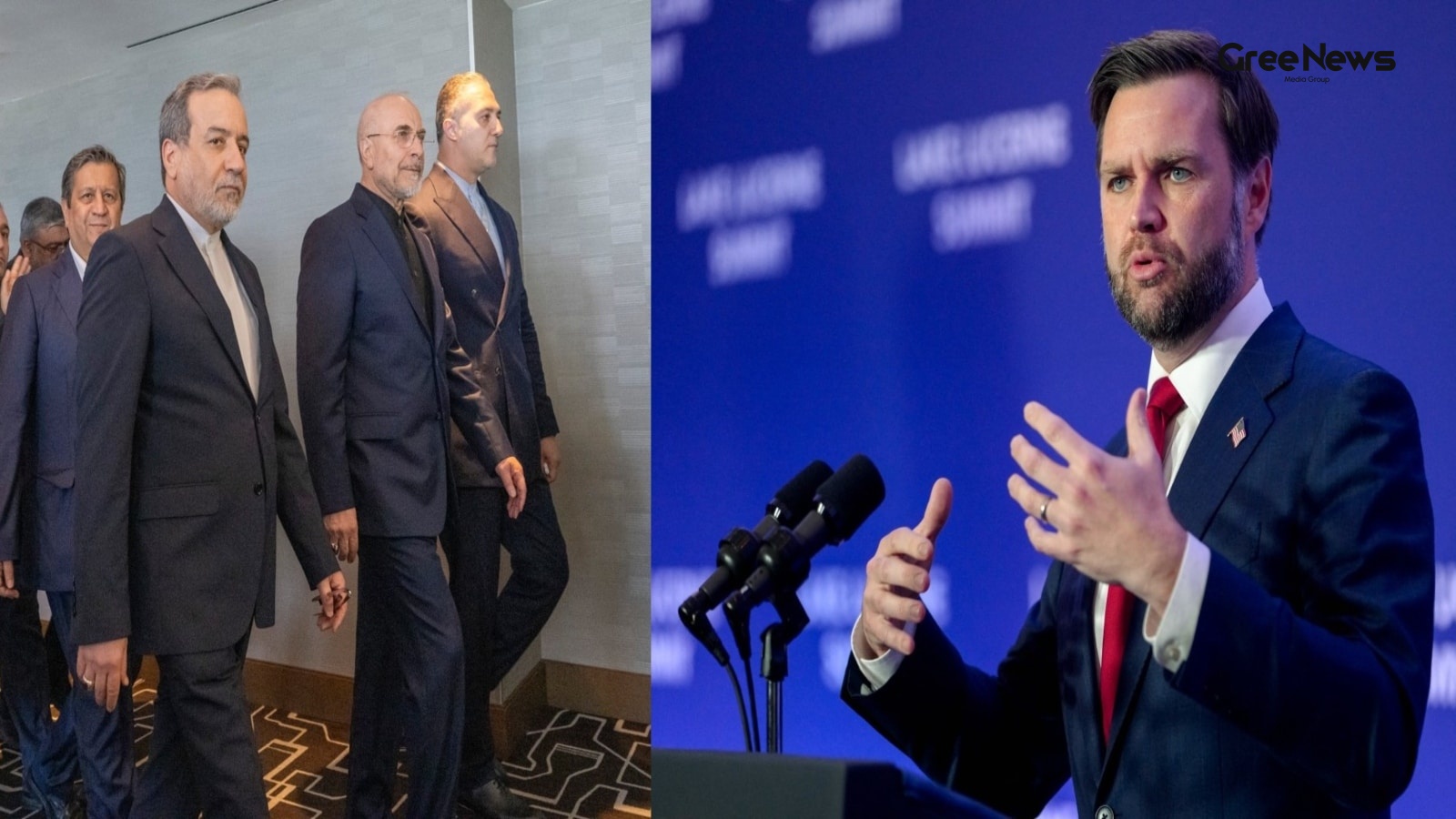
US-Iran Disagreement Over Frozen Assets and Nuclear Talks
There’s a huge split right now between the United States and Iran regarding what came out of those talks in Switzerland on Sunday. Vance, the Vice President, is pushing that any release of those frozen Iranian assets hinges entirely on Tehran’s future commitments and whatever verification measures t
Jun 23, 2026 by Gree News Team

Alia Bhatt and Sharvari on India’s Got Latent Season Two Behind the Scenes
Alia Bhatt and Sharvari showed up for the first episode of India’s Got Latent season two, hosted by Samay Raina. It dropped on Netflix and YouTube recently. There was a behind-the-scenes video Samay shared on YouTube last night. It caught Alia and Sharvari chatting with Samay, Balraj Ghai, and Ashis
Jun 23, 2026 by Gree News Team
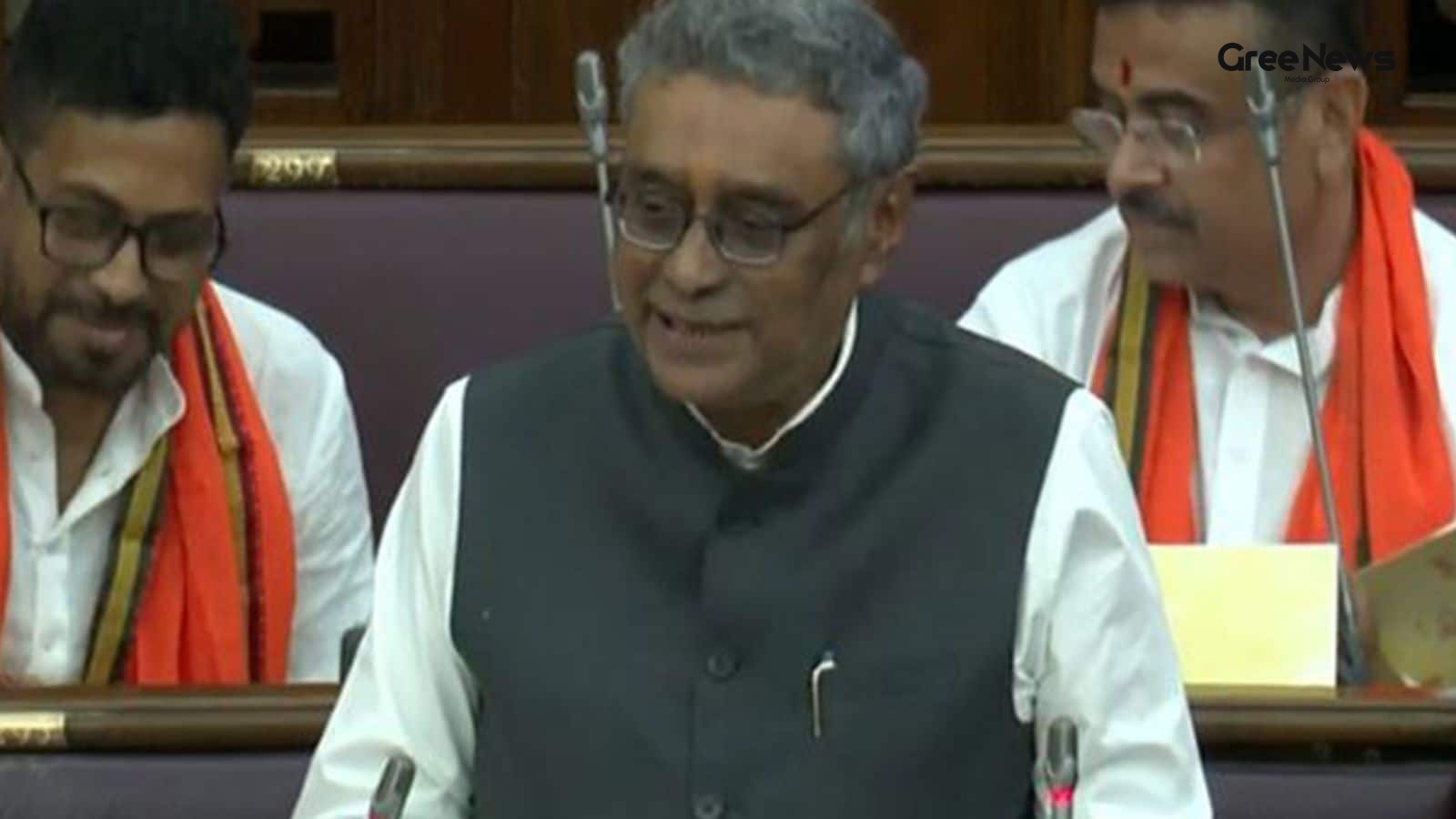
West Bengal Budget: An Economic Roadmap and Statement
The first full budget for West Bengal from the BJP government isn't just numbers; it’s supposed to be a whole statement. An economic roadmap, they call it. It came out right when expectations were already high after the party took over. It tries to tackle some of the stuff that’s been nagging at Ben
Jun 23, 2026 by Gree News Team
Fasting, Insulin Resistance, and the Role of Protein in Diabetes Management
That patient... she finally thought she’d cracked diabetes. Seriously. She read stuff online skipping breakfast was the magic trick to reverse it. So for six weeks? Nothing but black coffee until lunch. She felt proud of her discipline. Expected results. Turns out, they didn't come. When she showed
Jun 23, 2026 by Gree News Team

Julian Alvarez Transfer Speculation and Atletico Madrid's Future
Julian Alvarez has finally dropped some real hints that his time at Atletico Madrid might be coming to an end. It’s all noise right now, but the feeling is there. He admitted he wants to leave and actually "fulfil his dream" amid all this mounting interest from some of Europe's biggest clubs. This c
Jun 23, 2026 by Gree News Team
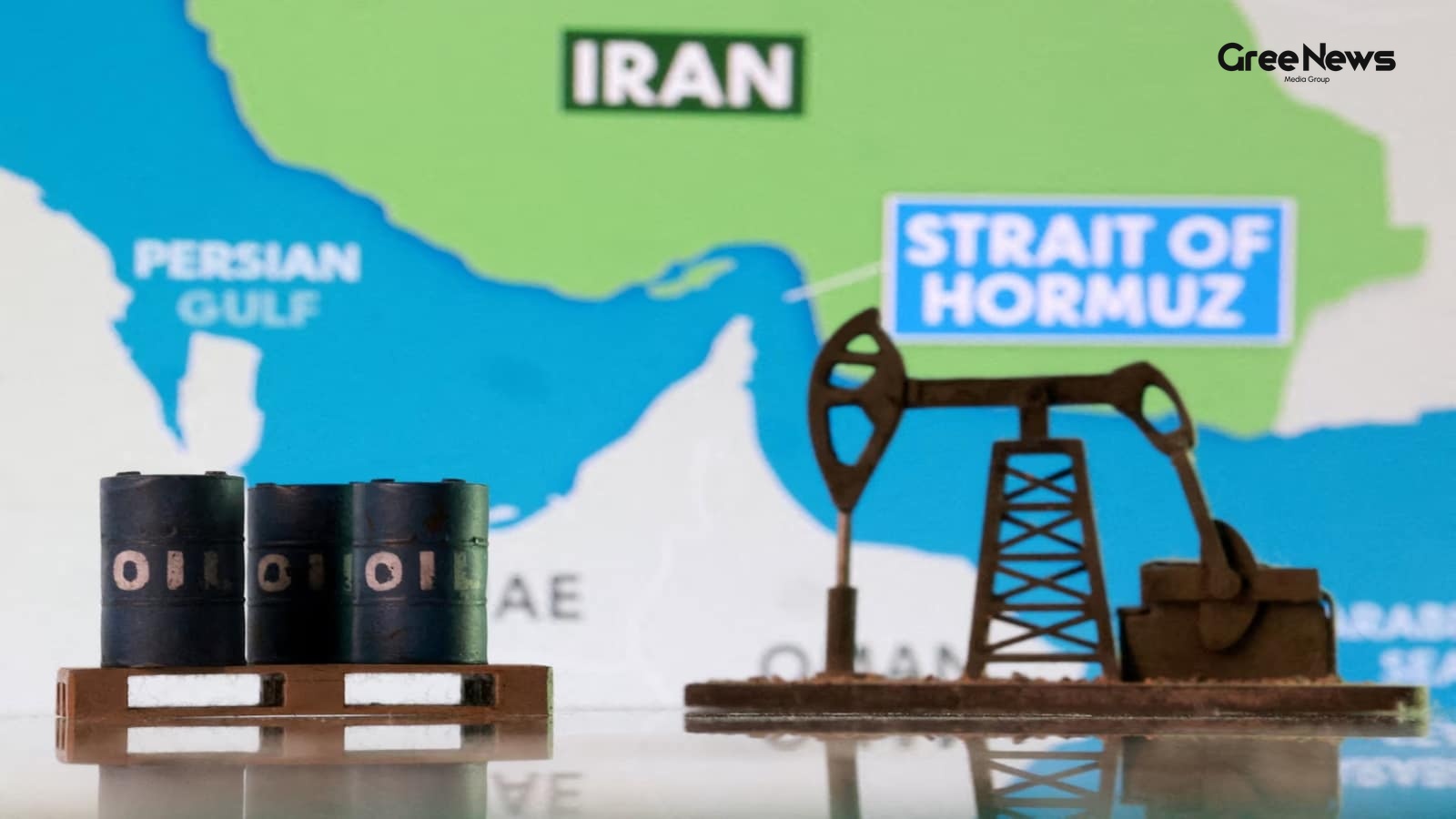
Impact of US Sanctions Waiver on Iranian Oil Exports for India
The air around energy markets right now feels incredibly thin. You see these official announcements about sanctions, temporary waivers they sound clean, mathematical, but underneath that veneer, there’s always this simmering tension, this sense that things are about to shift, or maybe just wobble mo
Jun 23, 2026 by Gree News Team

Akansha Ranjan on Freezing Eggs and Family Trust
Akansha Ranjan recently opened up about something big. Her decision to freeze her eggs. It’s a choice that might sound pretty unconventional to most people, but it seems like it was a really strong one for her. She talked about how her parents reacted when she made this choice. They were, you know,
Jun 23, 2026 by Gree News Team
New CBSE Policy for Private Students Affected by Class 12 Exam Cancellations
The Centre basically told the Supreme Court something on Monday. It was about a new policy CBSE brought in. This policy deals with private students who got hit by the cancellation of their Class 12 board exams in Gulf countries, all because of that recent Iran-US mess. A bench Justices S V N Bhatti
Jun 23, 2026 by Gree News Team