How the story broke out
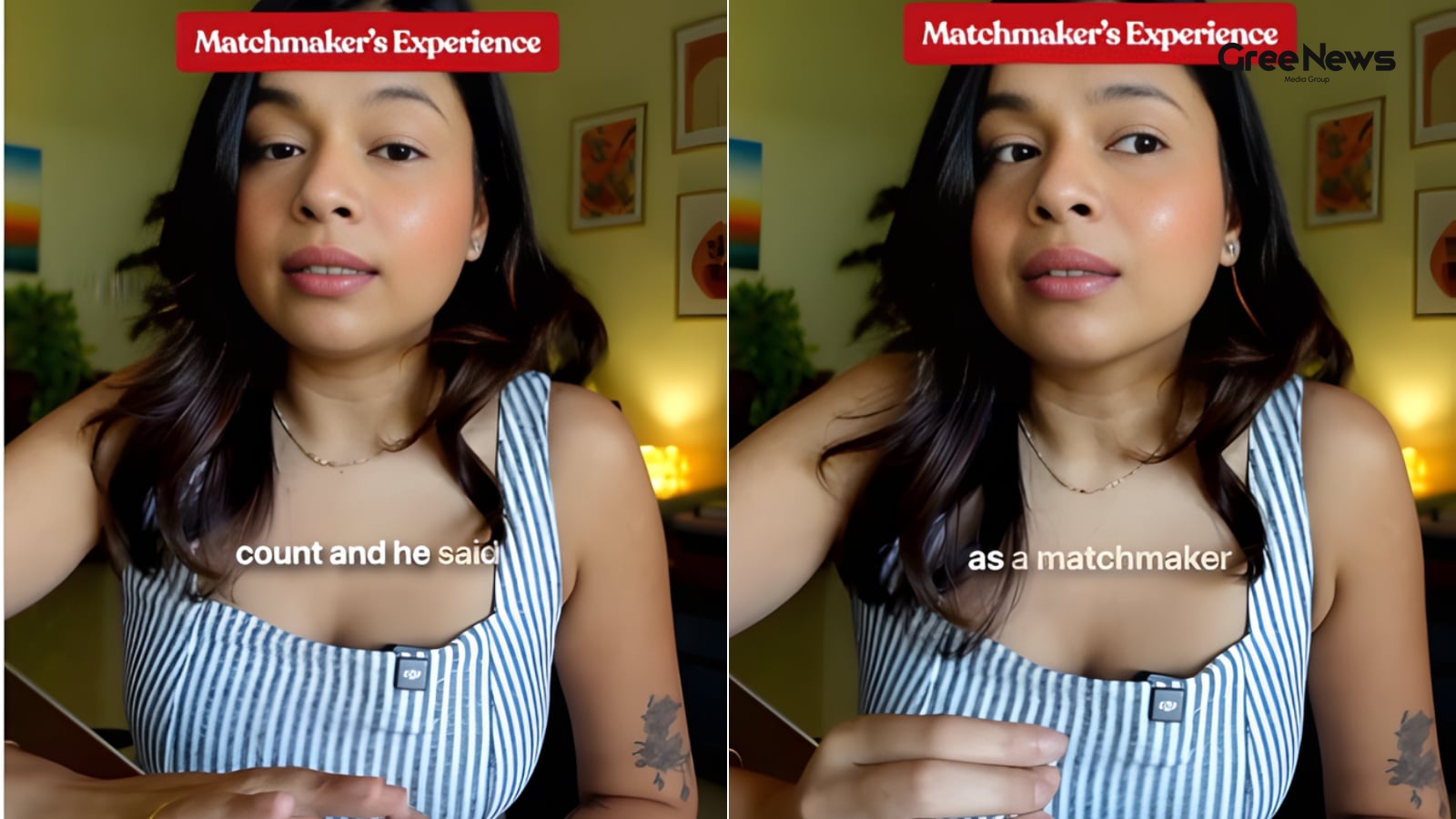
Last week I was scrolling through my Instagram feed, looking for the usual mix of memes and food pictures, when a post from Oendrila Kapoor, a well‑known matchmaker and dating coach, caught my eye. The caption read something like, “I just walked out of a client’s request that made my blood boil.” Naturally, I clicked, and what I read felt like a slice of reality TV mixed with a courtroom drama only it was happening in the world of Indian matchmaking.
According to Oendrila Kapoor, a 37‑year‑old divorced man, an IIT graduate and director at a billion‑dollar company, approached her platform. He wanted a "virgin Brahmin bride under 30," with zero previous relationships. The irony? He himself was already divorced. That contrast a man with a past demanding a "no‑past" partner sparked a wave of comments that quickly turned this into viral news India.
What happened next is interesting: the post went viral within minutes, drawing attention from every corner of the internet. People started sharing it as breaking news, and within a day, the story became part of the trending news India feeds on multiple platforms.
The client’s exact demands
According to Oendrila Kapoor, the man introduced himself as a 37‑year‑old divorcee with an elite educational background and a glittering corporate career. He then laid out his "ideal" bride in a list that read almost like a school exam paper:
- Must be a Brahmin woman.
- Age: under 30 years.
- Never married before.
- Never been in a relationship.
- Must be a virgin "zero body count" as he phrased it.
When Oendrila Kapoor asked why his own marital history should be exempt from the same standards, the man reportedly replied, "Because I’m a man." That line alone seemed to hit the nerve of many netizens, who then began labeling his mindset as patriarchal and absurd.
He even tried to back his stance with a vague reference to research suggesting that women with more previous partners are more likely to be unfaithful. However, he could not name the study, which made the argument look flimsy at best.
Why Oendrila Kapoor refused the client
Oendrila Kapoor told the man that while a woman matching all his criteria might exist, she would most likely belong to a conservative family that would reject a 37‑year‑old divorced man as a suitable match. The man, however, insisted he was already receiving proposals that fit his checklist and that he approached Oendrila Kapoor because he didn't trust traditional matrimonial websites.
Seeing the contradictions, Oendrila Kapoor concluded, "Hey, I don’t think the scams and the fraud are happening with you. I think you are the one who’s going to scam these women with your orthodox, traditional, and patriarchal mindset and your absolutely unrealistic criteria." In short, Oendrila Kapoor refused to work with the client, calling his expectations a form of scam against women.
In the caption of her post, Oendrila Kapoor argued that there is a clear line between personal preferences and double standards. She wrote that the man wasn’t looking for compatibility but rather for a guarantee that the woman had "no past" before him a demand that feels more like a control mechanism than a genuine match.
Public reaction: A wave of opinions
The post quickly went viral, and the comment section turned into a battlefield of opinions. Some people defended the man's right to have preferences, saying everyone is free to set their own criteria. However, a large chunk of the audience slammed the double standard.
One Instagram user wrote, "Divorced people should look for other divorced people, period." Another added, "Why would an unmarried woman below 30 marry a divorcee duhhh." A third comment read, "So now we know why he is divorced 🤣🤣 despite being an IITian." The humor was sharp, but the underlying frustration was serious.
Comments like "Biggest culprits are found at the top" and "Look at the comments from other men. No wonder why male loneliness epidemic is increasing 🤡" reflected a broader sentiment that such patriarchal attitudes are contributing to social issues, including loneliness among men.
Even some commenters tried to defend the man's stance, stating, "He is correct actually, there is a difference in someone married and being divorced and someone having body count without being married. That is what he is saying." Yet, the majority quickly pointed out that a person who is not a virgin himself has no right to demand virginity from anyone else, regardless of gender.
Why this story matters for India updates
Beyond the drama, the episode shines a light on deeper issues within India's matrimonial culture. The fact that a high‑earning IITian feels confident enough to ask for such a narrow, traditional profile reveals how entrenched caste, age, and purity narratives still dominate many arranged‑marriage circles.
Moreover, the backlash shows that Indian netizens are increasingly unwilling to accept outdated double standards. The conversation around this case has become part of the latest news India, fueling debates in online forums, podcasts, and even TV talk shows about gender equality, consent, and the evolution of matchmaking in a digital age.
Many are now asking: if a man can be picky about a woman's past, why can't a woman be equally selective about a man's? The answer, many argue, lies in the unequal power structures that have historically favored men in marriage negotiations. This realization is turning into one of the most shared pieces of trending news India about relationships and social norms.
Lessons learned and moving forward
What stuck with me after reading Oendrila Kapoor’s post is the realization that the matchmaking industry is at a crossroads. On one side, you have traditional expectations caste, age, virginity that still hold sway for many families. On the other side, a younger, more vocal generation is challenging those very expectations, calling them "double standards" and "patriarchal nonsense."
If you’re a single person navigating the Indian matrimonial scene, the key takeaway is to be clear about what you truly value versus what is merely a social imprint. As Oendrila Kapoor reminded us, genuine compatibility cannot be reduced to a checklist that ignores a person’s history.
In the end, the story became more than just a viral post; it turned into a mirror reflecting the ongoing tug‑of‑war between old‑school values and modern sensibilities. Whether you are following this as breaking news or as part of your daily scroll, the conversation is likely to keep shaping how we think about relationships in India for a long time.