Why I was glued to the screen: the day Nitish Kumar decided to step down
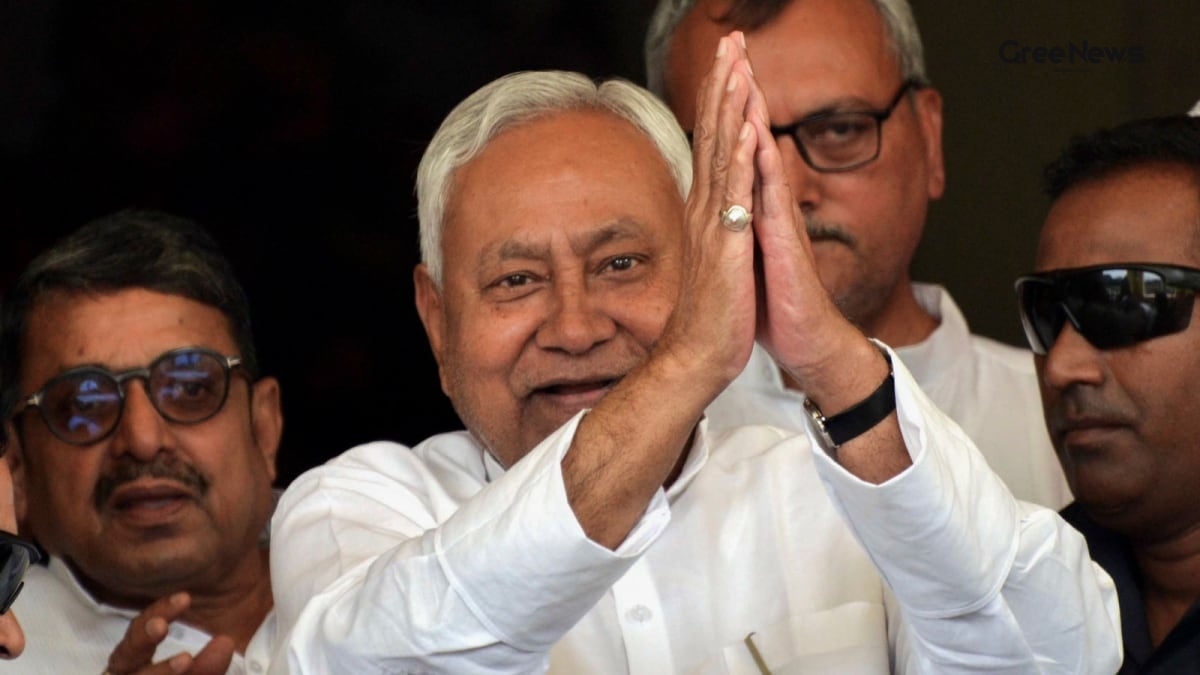
Honestly, when I saw the headline about Nitish Kumar’s resignation, I thought it was another rumor. But the live coverage, the crowd outside Raj Bhavan, and the flurry of Twitter threads made it clear this was real. It felt like a chapter of a political drama was closing, and as someone who follows breaking news about Bihar, I couldn’t miss the minute‑by‑minute updates.
From the moment the news broke, every channel kept looping the same line – Nitish Kumar will resign after the final Cabinet meet. It reminded me of the first time I watched a state leader hand over power; there’s always a mix of nostalgia and curiosity about what comes next.
Final Cabinet meeting – everything boiled down to one agenda
The meeting was scheduled for the morning. Nitish Kumar walked into the room with the same calm demeanor that has defined his tenure. The agenda was simple: a formal expression of thanks to Nitish Kumar for his role in Bihar’s development. A senior party leader explained that the gesture was meant to recognise the long‑standing contributions of Nitish Kumar, especially the focus on road infrastructure, education and health.
While I was watching the live stream, the camera kept cutting to the faces of the ministers, all smiling, some wiping tears. It was clear that the emotional weight of the moment was palpable – the whole Cabinet had been together for years, and now they were formally bidding farewell to Nitish Kumar.
What Nitish Kumar did on his last working day
Even though the resignation was imminent, Nitish Kumar kept his routine. On the previous day, Nitish Kumar inspected the Baakarpur‑Manikpur four‑lane road project in Saran district. The roads, which have become a lifeline for commuters, were still under construction, and Nitish Kumar asked the engineers about the timeline for completion.
Later, Nitish Kumar reviewed a bridge being built parallel to the JP Setu in Patna. The bridge is expected to ease traffic congestion, a problem that I face daily when commuting on the city’s highways. Seeing Nitish Kumar, even at 75, actively overseeing such projects gave me a sense of reassurance – the leader was still hands‑on right up to the end.
After the site visits, Nitish Kumar went to a new residence at 7, Circular Road. The house is the one where Nitish Kumar will shift after stepping down. I could almost picture the move‑in scenario: boxes being stacked, neighbours waving, and the former chief minister taking a quiet moment to look out over the city he helped shape for decades.
Who will wear the chief minister’s hat next?
In the 243‑member Assembly, the NDA alliance holds a solid majority with 202 seats. The Bharatiya Janata Party (BJP) won 89 seats, while Janata Dal (United) – JD(U) – secured 85. The numbers leave no doubt that the BJP will get to name the next chief minister.
Minister Dilip Jaiswal, speaking to the press, said the moment was emotional and that Nitish Kumar is expected to continue guiding the new government. He also mentioned that the choice of the next chief minister will be a collective decision of the legislative party.
Leaders of JD(U) have been busy finalising the structure of the new government. Discussions revolve around a BJP chief minister, the deputy chief minister’s post and the possible role of Nishant Kumar. According to party sources, all ministers from the outgoing Cabinet are likely to be retained. Nitish Kumar has reportedly approved eight ministerial names so far, though no deputy chief minister has been finalised. While Nishant Kumar is being considered for the role, the final decision rests with Nitish Kumar.
Senior leaders, including Sanjay Jha and Lalan Singh, held meetings with Deputy Chief Minister Samrat Choudhary to shape the transition. As I read through the reports, I kept wondering – what will the new leader’s priorities be? Will they continue the road‑building spree, or steer the state in a different direction?
BJP’s upcoming chief ministerial announcement
The Bharatiya Janata Party is expected to announce its chief ministerial candidate on the same day as Nitish Kumar’s resignation. Union Minister Shivraj Singh Chouhan is set to arrive in Patna as the central observer, tasked with overseeing the selection of the BJP legislature party leader.
This marks a historic moment because the BJP is poised to have its first chief minister in Bihar. The anticipation has turned the state’s political landscape into trending news India, with every speculation creating a ripple across social media platforms.
Names that are floating around
Among the front‑runners is Samrat Choudhary, who currently serves as Deputy Chief Minister and Home Minister. Another key name is Nityanand Rai, a long‑time stalwart of the Bharatiya Janata Party. Sources suggest that the BJP may also consider a leader from the OBC or Dalit community to broaden its social base – a move that could reshape voter dynamics in the state.
When I talked to a few friends who follow the political beat closely, many said they were surprised to see Nishant Kumar’s name being mentioned for the deputy chief minister position. It shows how fluid the calculations can be, especially when the party wants to balance caste equations while keeping the developmental agenda alive.
What this transition means for the people of Bihar
For the everyday citizen – whether you’re a farmer in Gaya, a student in Patna, or a shopkeeper in Muzaffarpur – the change in leadership could affect everything from road projects to school funding. The fact that the new chief minister is likely to take oath on the very next day adds a sense of immediacy to the whole scenario.
As someone who rides the Patna‑Gaya highway almost daily, I’m particularly interested in whether the new chief minister will fast‑track the Baakarpur‑Manikpur four‑lane road project that Nitish Kumar inspected just before stepping down. The bridge near JP Setu is another piece that could ease the daily traffic jams we all endure.
Beyond infrastructure, the political shift could influence law and order policies, given that Samrat Choudhary also holds the home portfolio. The idea of a new chief minister from the BJP also raises questions about how the central government’s schemes will be implemented in Bihar – a state that has seen a mixture of progress and challenges over the years.
My personal take on the whole saga
Honestly, watching the whole episode unfold felt like being part of a big, living story. The way Nitish Kumar calmly walked out of Raj Bhavan, the way the ministers exchanged nods, and the buzz of speculation over who will replace him – all of it made the political news feel very close to home. It reminded me that politics isn’t just a series of numbers; it’s about people, decisions, and the everyday lives that get impacted.
If you’re scrolling through the latest news India feeds right now, you’ll see a mix of breaking news alerts, viral news clips of Nitish Kumar’s farewell, and countless memes about the “new boss”. That’s the power of a transition that grips a whole state – it becomes viral news and a talking point in tea stalls across the region.
What happened next, after the oath‑taking ceremony, will be something we’ll all be watching closely. Whether the new chief minister keeps the momentum of development alive or charts a new course, Bihar’s story will continue to be a key part of India updates for months to come.