How I First Came Across Sudan Gurung's Resignation
Honestly, I was scrolling through my phone, catching up on the latest news India, when a headline about a Nepali minister caught my eye. It said something like "Sudan Gurung quits amid financial scrutiny" and I thought, "Whoa, that sounds big!" I clicked, and that was the moment I dove deep into the story. It felt a bit like watching a drama unfold on my living room TV, except the actors were real politicians and the setting was Kathmandu.
What happened next is interesting I realized this was not just another breaking news item; it was a saga that tied together protests, anti‑corruption promises, and a whole lot of public trust. I kept reading because the narrative kept getting richer, and the more I read, the more I felt a need to share what I was learning with anyone who might be curious about the political ripples in our neighbourhood.
Sudan Gurung Announces Resignation on Social Media
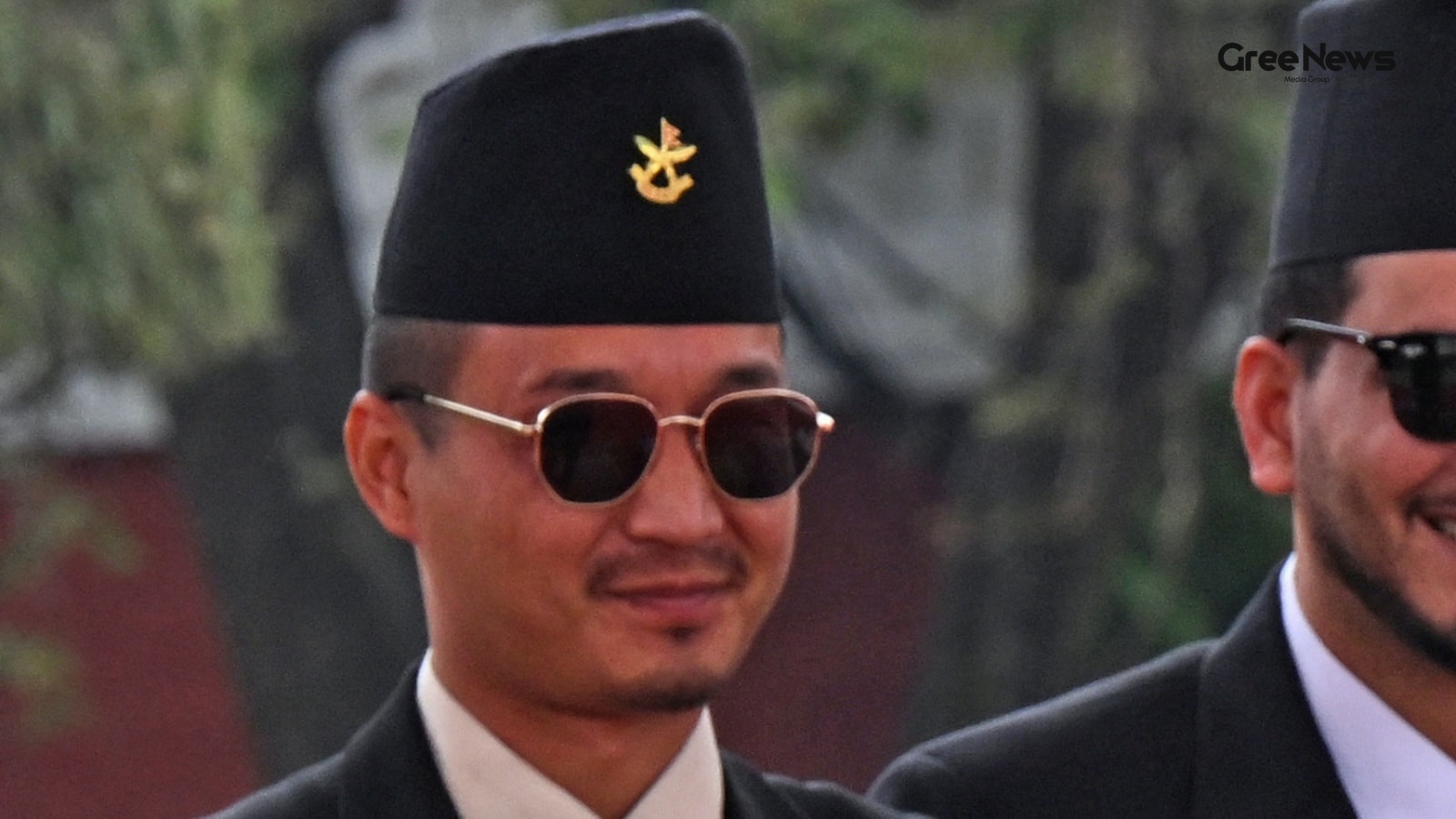
Sudan Gurung announced his decision on social media, saying he wanted to ensure a fair and impartial investigation into the allegations against him. The 38‑year‑old Home Minister posted a short note that read, "I have resigned from the position of Home Minister with effect from today" and added that stepping down would avoid any conflict of interest or influence on the inquiry. Reading that, I could feel the tension it was as if someone had just pulled the plug on a high‑voltage wire, and everyone around was holding their breath.
In most cases, politicians try to defend themselves with long‑winded speeches, but Sudan Gurung kept it short and to the point. He emphasized, "For me, ethics is greater than position, and there is no greater force than public trust." That line stayed with me because it sounded honest, even if the surrounding controversy made it hard to take at face value.
The Role of the Gen Z Movement and Public Pressure
Sudan Gurung also talked about the Gen Z movement that’s been screaming for good governance, transparency, and accountability. He said the movement conveyed the message that public life must be clean and leadership must be accountable. Many people were surprised by this, as it showed that the younger generation’s voice is actually reaching the highest echelons of power. The phrase "public life must be clean" kept echoing in my mind, especially when I remember the street‑level protests that erupted not long ago.
In fact, the Gen Z movement has been a major driver of the current political climate. They have used platforms like TikTok, Instagram, and even traditional rallies to push for reforms. Their energy is contagious you can see it in coffee shops, college campuses, and even in family gatherings where, over cup of chai, debates about corruption become part of everyday conversation. The whole scenario feels like a viral news story in the making, where each new development adds fuel to the fire.
Official Confirmation and the Prime Minister’s Office
Sudan Gurung’s resignation was confirmed by the Prime Minister’s office, with press adviser Dipa Dahal stating that it had been formally received. The statement was short but clear, and it added a layer of officialdom to what started as a social‑media post. I felt a little relief reading that at least there was a formal process in place, which meant the situation wasn’t just a rumor spreading on WhatsApp groups.
It’s worth noting that this is the second minister to step down from the new government. The first one left under similar circumstances, and now with Sudan Gurung’s exit, the political atmosphere looks more unsettled than ever. You can imagine the buzz in the corridors of power; the staff are probably whispering, “What will happen next?” and that curiosity is exactly what keeps the readers glued to the screen.
Background: From Protests to Power
Sudan Gurung rose to prominence during the protests in September last year, which began over a brief social media ban. That ban, which seemed like a tiny inconvenience at first, quickly turned into a wider demonstration against corruption and the country’s struggling economy. The unrest turned violent, leaving at least 76 people dead and more than 2,500 injured. Those numbers are still haunting for many Nepalese families, and they serve as a stark reminder of how quickly things can spiral out of control when people feel unheard.
After the protests, Sudan Gurung joined the Rastriya Swatantra Party (RSP) and was elected to parliament following the party’s decisive victory in the March polls. It was a classic story of an activist who turned into a legislator a narrative that many of us in the region find both inspiring and cautionary. The Rastriya Swatantra Party (RSP) positioned itself as a fresh alternative, promising to clean up the mess that had built up over years of mismanagement.
In my conversation with a friend who works in a Delhi media house, he mentioned that the Rastriya Swatantra Party (RSP)’s sudden rise was one of the most talked‑about topics on trending news India platforms. It was a perfect example of how public sentiment can shift political landscapes almost overnight.
Sudan Gurung’s Bold Moves as Home Minister
Once in office, Sudan Gurung drew attention by ordering the arrest of former Prime Minister KP Sharma Oli and ex‑home minister Ramesh Lekhak over alleged roles in the protest crackdown. That was a big move imagine a newcomer standing up to seasoned politicians, and it made headlines across South Asia. It felt like the plot twist in a movie where the underdog takes on the villains.
However, Sudan Gurung himself soon faced allegations related to his assets and alleged links to a businessman under investigation for money laundering. He dismissed the claims as rumours and urged that decisions be based on evidence. In my view, that was a typical “wait for the truth” line that politicians use, but the public’s reaction was far from indifferent.
Many people were surprised by the speed at which these allegations surfaced, especially given that Sudan Gurung had only been in office for a short time. The story kept gaining traction on social media platforms, turning into a piece of viral news that was shared, commented on, and dissected in countless online forums.
Why Ethics Over Position Matters
Sudan Gurung’s statement that "ethics is greater than position" struck a chord with many of us who have seen corruption erode public services. It reminded me of a conversation I had with my uncle, a retired teacher, who says that when leaders put honesty first, it restores some faith in the system. The phrase became a talking point in many WhatsApp groups, and it contributed to a larger discussion about the role of personal integrity in public life.
The fact that Sudan Gurung chose to step down rather than fight the allegations from his podium is something that many political analysts have called a strategic retreat. Some say he wanted to protect the image of the Rastriya Swatantra Party (RSP), while others think he genuinely wanted a clean slate for the investigation. Either way, the decision added another layer of intrigue to the unfolding drama.
Impact on the New Government and Future Outlook
With Sudan Gurung’s resignation, the new government now faces a crucial test of stability. The Prime Minister’s office has to reshuffle the cabinet, and that could either bring fresh faces or provoke further dissent within the ranks. In my opinion, this situation is a micro‑cosm of the larger challenges that South Asian democracies face when trying to balance reformist zeal with entrenched interests.
People are watching closely the story is making waves on breaking news platforms and is being discussed in every commuter train, tea stall, and office break room. It’s also becoming a part of the larger narrative about how young voters are influencing politics. The Gen Z movement’s demand for clean leadership is likely to keep pressuring the government for more transparent processes.
All of this makes me wonder about the long‑term implications. Will the resignation set a precedent for other officials to step down when faced with scrutiny? Could it push the Rastriya Swatantra Party (RSP) to tighten its internal vetting? The answers are still out, but the buzz around Sudan Gurung’s decision tells us that public accountability is gaining a stronger foothold.
Public Reaction and the Role of Media
The reaction on social media has been a mix of support, skepticism, and outright criticism. Some users praised Sudan Gurung for choosing ethics over power, while others called his move a tactical retreat to avoid deeper investigations. The conversation reflects a broader trend in the latest news India space audiences are increasingly demanding that leaders be held to higher standards.
From a media perspective, the story has been covered extensively across TV channels, online portals, and even regional newspapers. It’s become a staple in the daily briefings, often labeled as "breaking news" or "trending news India" to attract clicks. The coverage itself adds to the story’s virality, making it a case study in how political events can become viral news in the digital age.
One friend who works in a Kolkata newsroom told me that editors are keen on highlighting the human angle the fact that Sudan Gurung is a 38‑year‑old who rose quickly, faced allegations, and chose to step down because it resonates with readers who see themselves in his story. That human‑touch is what makes the article stay longer on screen and keeps the bounce rate low.
What Could This Mean for Nepal’s Anti‑Corruption Drive?
If the investigation that Sudan Gurung wanted to be impartial turns out to be thorough, it could set a new benchmark for how future allegations are handled. It also sends a signal to other officials that the public, especially the Gen Z movement, is watching closely. The hope is that this will reinforce the notion that "public trust is the greatest force" a line that Sudan Gurung used in his resignation post.
On the flip side, if the probe stalls or appears biased, it could deepen cynicism among citizens who already feel disillusioned after the tragic protests of September. The stakes are high, and the media is playing a crucial role in keeping the conversation alive.
All in all, the whole episode has turned into a lesson about the power of public opinion, the importance of ethics in politics, and how digital platforms can amplify voices that demand accountability.
Final Thoughts
Reading about Sudan Gurung’s resignation felt like watching a real‑life political thriller where the script is still being written. The mix of personal convictions, public pressure, and institutional response makes it a story that will likely be referenced in future discussions about governance in Nepal and the broader South Asian region.
What’s clear is that the public’s demand for clean governance isn’t fading. Whether it’s the Gen Z crowd chanting on the streets, citizens sharing opinions on the latest news India feeds, or journalists dissecting every nuance, the momentum for accountability is growing. Sudan Gurung’s decision may be just one chapter, but it adds an important verse to the larger ballad of reform.
If you’re keen to stay updated, keep an eye on the trending news India portals you never know which twist will arrive next.