Shocked by Andheri’s Road Condition My First‑Hand Take
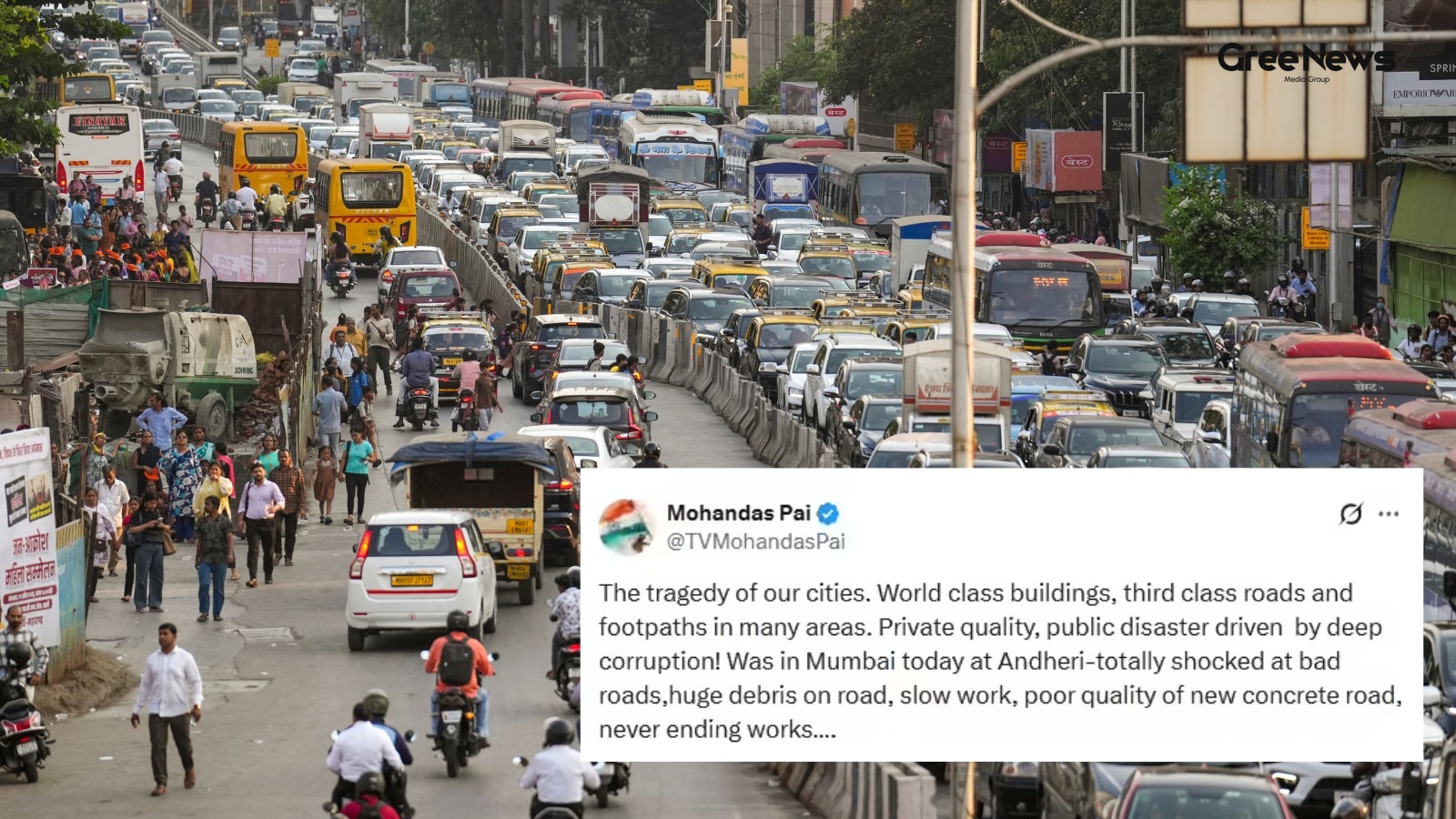
Honestly, when I stepped out of the taxi in Andheri, I was totally shocked. I’m used to seeing gleaming glass towers in the city, but the moment I walked a few metres on the pavement, I could feel every pothole like a little bump in a roller‑coaster ride. The concrete seemed half‑cured, and everywhere I looked there were piles of construction debris littering the sidewalks. It felt like the city had turned a blind eye to the very things that keep traffic moving smoothly.
On X, I quickly typed out my thoughts because I felt that this wasn’t just a personal grumble it was a public disaster. I mentioned how Indian cities often showcase a strange contrast: world‑class buildings on one side and third‑class roads on the other. That line about “world‑class buildings alongside third‑class roads and footpaths” kept popping up in my mind, and I could see it resonating with many who experience the same daily hassle.
What happened next is interesting the post went viral, turning into breaking news across the country. Folks started sharing pictures of the same broken lanes, and soon the discussion spiralled into a broader critique of how civic works are being handled, especially when the construction crews move at a snail’s pace and the quality of concrete feels questionable. In most cases, the lack of proper supervision makes these problems worse, and I could feel the frustration of commuters echoing in every comment.
Ongoing Projects Add to Commuter Woes
Now, I’m not blind to the fact that Mumbai is undertaking massive upgrades the metro rail expansion, new drainage systems, and the road concretisation drives are all in full swing. In theory, these projects promise a smoother, more resilient city. But while the promises are out there, the reality on the ground feels like a never‑ending construction zone.
Imagine trying to get to work and constantly getting stuck behind a line of construction trucks, each of them blocking the lane for what seems like an eternity. I remember seeing a crew working on a stretch of the road, but the machinery was just sitting there, idle, with warnings signs that read “work in progress”. Yet, the work never seemed to progress. This kind of slow‑paced work adds to traffic snarls and makes commuters feel like they’re stuck in a loop.
Many people were surprised by this juxtaposition on one hand, you have a shiny new metro station opening, and on the other, the same street outside is a jumble of broken concrete and potholes. It reminded me of the phrase “urban paradox”, where the city’s public image is polished, but the everyday experience tells a different story. This paradox has become a staple of trending news India, especially when you see the same caption on multiple social platforms asking, “When will this finally end?”
Similar Concerns Raised in Bengaluru Earlier
What struck me was that this isn’t an isolated incident. A couple of years back, Bengaluru’s Biocon Chairperson Kiran Mazumdar‑Shaw raised a very similar alarm about poor roads and garbage management after an overseas visitor compared the city’s civic amenities unfavourably with China. In that incident, the visitor’s shock turned into a viral story, and Karnataka ministers had to step in, defending the ongoing development efforts while promising faster execution.
Seeing that story resurfaced in my mind made me think of the pattern: major Indian metros, be it Mumbai or Bengaluru, have private sector giants building world‑class campuses, yet the surrounding civic infrastructure begs for basic attention. The parallel is striking both cities are experiencing rapid private growth while the public amenities lag behind.
That Bengaluru episode also reminded me of the phrase “public disaster”. It’s a term that gets used when the gap between the elite and the ordinary widens dramatically. In most cases, it’s not just about the physical state of roads, but also the deeper issue of corruption that hampers quick, transparent execution of civic projects.
Growing Focus on Urban Infrastructure Quality
As I sat back in a small tea stall near the Andheri station, sipping cutting chai, I couldn’t help but notice how many commuters were chatting about the same problems. Some were worried about safety, especially at night when the dimly lit footpaths made walking risky. Others talked about the economic impact delayed deliveries, increased fuel costs, and the general wear and tear on vehicles.
Industry leaders like myself and Kiran Mazumdar‑Shaw are increasingly being called upon to speak up. Our voices seem to add weight because we’ve seen the contrast up close a polished office lobby vs. a bumpy road that shakes your car every few metres. The call for better planning, accountability, and timely execution is echoing across numerous panels and media debates, making it a part of the latest news India.
What makes the issue even more compelling is the public’s reaction. The discussion has become a trending news India topic, with hashtags like #AndheriRoads and #UrbanDisaster trending across platforms. People share photos, videos, and personal stories, creating a viral wave of awareness that pressures municipalities to act.
From my perspective, the solution lies in a two‑pronged approach: first, ensuring that any private development contributes meaningfully to the surrounding public spaces a kind of “development tax” that funds road repairs and waste management. Second, tightening the oversight mechanisms so that corruption can’t stall civic works for years. When these steps are taken, the city can finally bridge the gap between its high‑rise skyline and the footpaths that countless people walk on daily.
Until then, the streets of Andheri will keep reminding us of the unfinished business that lies at the heart of India’s rapid urbanisation. It’s a story that will keep resurfacing in breaking news, and hopefully, one day it will shift from being a headline to a success story of transformation.