The Process of Sports Governance Restructuring and Coordination
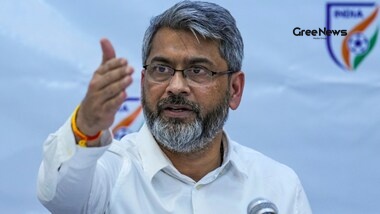
The chatter coming out of the sports world right now is definitely focused on the football bodies. FIFA, they stepped in. They basically gave the All India Football Federation, the AIFF, the Green light.
Postponing the elections. Moving them from September right into December of 2026. That extension isn't just some arbitrary delay. It’s necessary, they argued, to let the AIFF actually catch up. They need time to wrestle with the new rules. The National Sports Governance Act, the NSGA 2025 , it’s a big deal, a structural shift for everything in sports governance.
It forced a pause.
The AIFF itself, they made it clear they needed breathing room. They said they needed time to properly align their entire constitution with this new NSGA . It’s not just a formality; it’s foundational.
It’s not just FIFA saying yes. There’s a whole process involved.
M Satyanarayan, the deputy secretary general at the AIFF, he actually laid out what the government’s stance was. It’s interesting how things get filtered up. He mentioned that the ministry of youth affairs and sports, they issued a notice. A notice recognizing that these structural changes for all national sports federations are foundational. That’s the core idea. It’s not optional.
And then, the government, they allowed this one-time extension. They let the federations whose elections were due this calendar year get a window. They got until December 31st. A bit of breathing space, perhaps.
But FIFA, they weighed in. They didn't just sit back. They endorsed this approach. They stressed that coordination is key. That’s where things get a little more complex, the requests flying around.
Emile Doms, who works in the Member Associations Governance Services at FIFA, he wrote to the federation last week. He asked for more than just an aGreement. He asked for documentation. He asked them to keep FIFA and the AFC informed about whatever steps they take in amending the AIFF constitution. He wants to see the key amendments, the necessary steps, and tentative timelines. They want to make sure compliance with the NSGA is actually happening, not just talked about.
It puts a bit of pressure on the AIFF now. They have to show their work. They have to map out the changes. It’s a lot of moving pieces, trying to stitch together the old structure with the new mandate.
Meanwhile, the AIFF is also trying to manage things internally. They’ve instructed their member associations. They need them to get these constitutional amendments sorted out.
The top level aGreement from FIFA, the government’s permission, the internal deadline set by the federation—it’s a chain reaction. And the real work, the messy, detailed alignment, that falls to the federations themselves.
You see, this isn't just about dates. It’s about the actual substance of governance. It’s about making sure the foundation is solid before they even think about the next election cycle. There’s always that tension, that subtle urgency, trying to balance the immediate administrative needs with the massive, long-term structural overhaul mandated by the NSGA .
The flow of information, it’s not always neat. You get the high-level approval from FIFA, then the procedural details from the ministry, then the internal directives from the AIFF. It’s a messy sequence.
Think about the implications for the grassroots. The state and district bodies. That requires careful management, not just a quick signing off.
The timeline stretches out. September to December 2026. It’s a long stretch of time they’re buying. Time to breathe, time to restructure, time to absorb the changes mandated by the NSGA . It’s a slow, deliberate pace, perhaps, which contrasts sharply with the urgency of the current political climate, but within the sports world, that slow pace seems unavoidable right now.
And that’s the thing about these processes. They aren’t clean, they aren’t perfectly symmetrical. There are always these little bumps, these areas where communication has to be forced, where timelines clash slightly with practical realities on the ground.
The request from Doms, asking for those timelines and key amendments, it’s a human move. It’s an attempt to move past the polite aGreement and into the operational reality. It’s pushing for accountability in the process. It forces the AIFF to stop just talking about the possibility of change and start executing it.
It’s a lot of coordination, really. FIFA, the AFC, the ministry, the AIFF, and all those state bodies. It’s a web, and they are trying to pull the threads straight.
You can’t just have one smooth story here. It has to be observed piece by piece. The permission is granted. The time is extended. The documentation is requested. The internal deadlines are set. It’s a series of necessary, slightly uneven steps.
It’s observational, really. Watching how large bodies try to adapt to new legal frameworks. The real action happens in those gaps.
Written by Gree News Team — Senior Editorial Board
Gree News Team covers international news and global affairs at Gree News. Our collective of senior editors is dedicated to providing independent, accurate, and responsible journalism for a global audience.
More from Sports
View All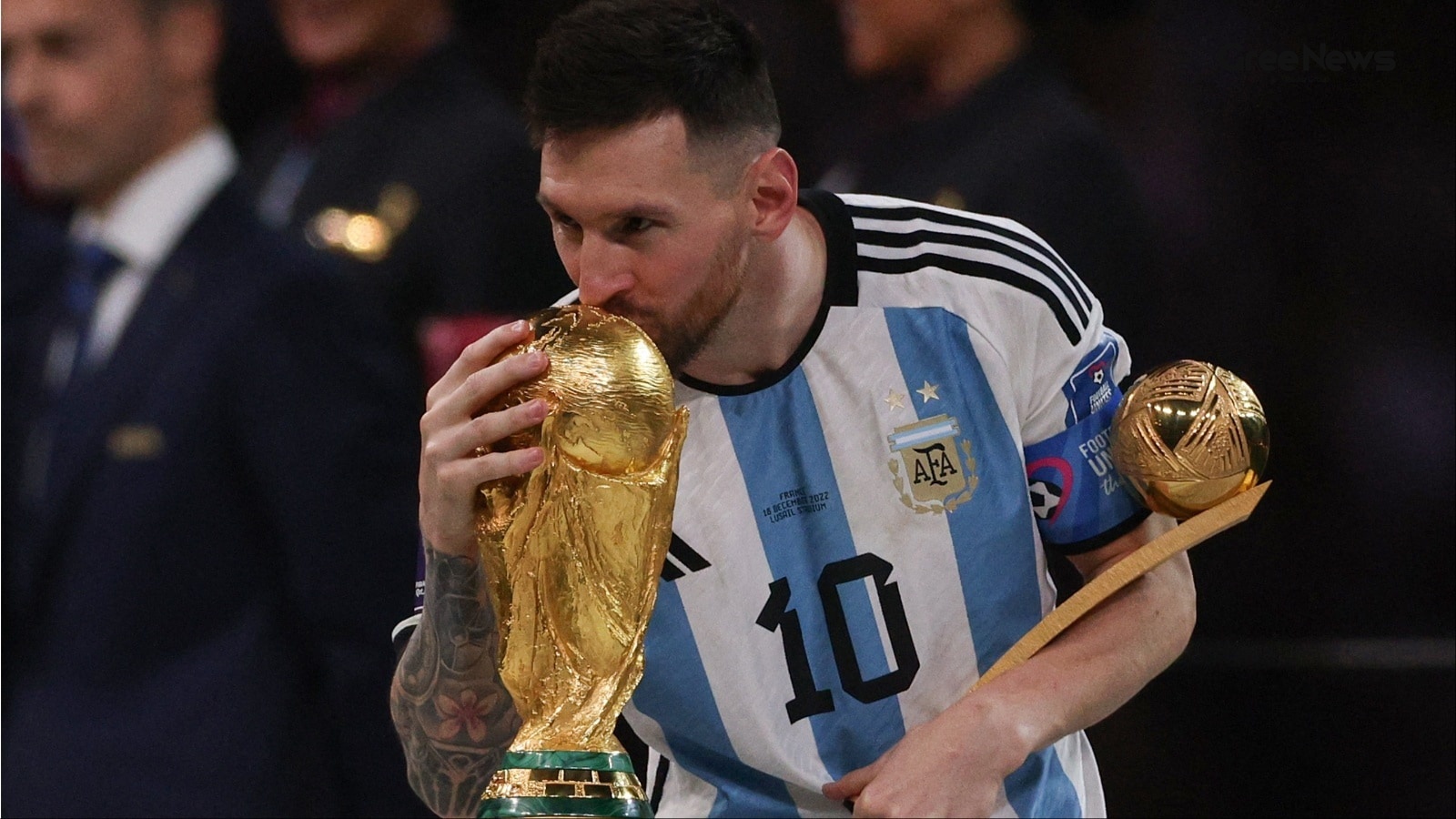
Lionel Messi: A Journey of Goals, Legacy, and Resilience
Lionel Messi. Thirty-eight years old now, still kicking some serious goals, setting new benchmarks year after year. Just Monday, at that big AT&T Stadium in Arlington, he officially became the all-time leading goal-scorer in FIFA World Cup history. It felt huge, didn't it? You have to look back and
Jun 23, 2026 by Gree News Team
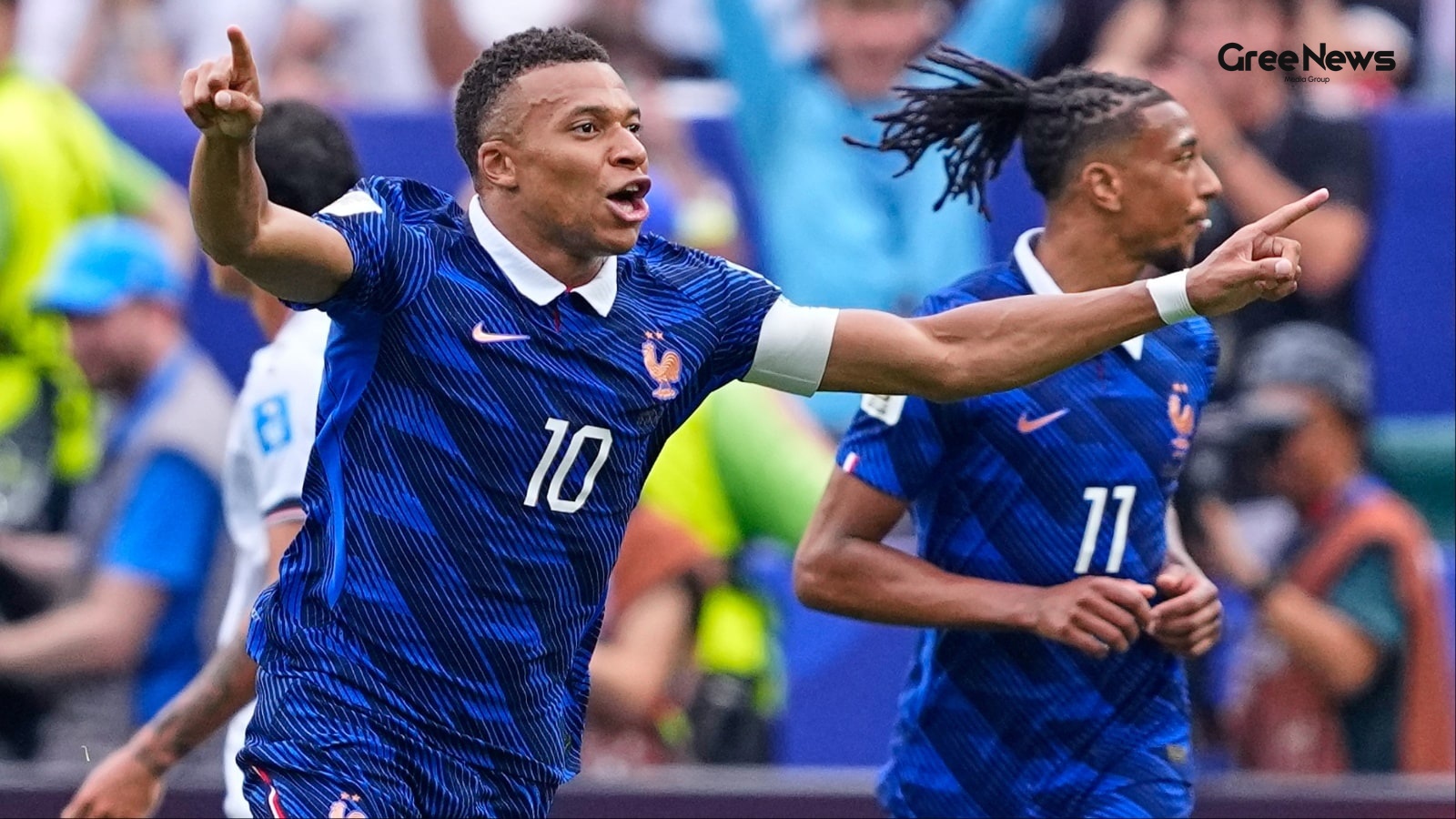
Kylian Mbappé's Goal-Scoring Streak and Historical Comparisons
Kylian Mbappé is really running France at the FIFA World Cup 2026. And honestly, what he did recently just puts him in a strange spot. Monday, Tuesday during that second Group I match for the French team he entered some record books. He became the first Frenchman, and only the fourth player ever, to
Jun 23, 2026 by Gree News Team
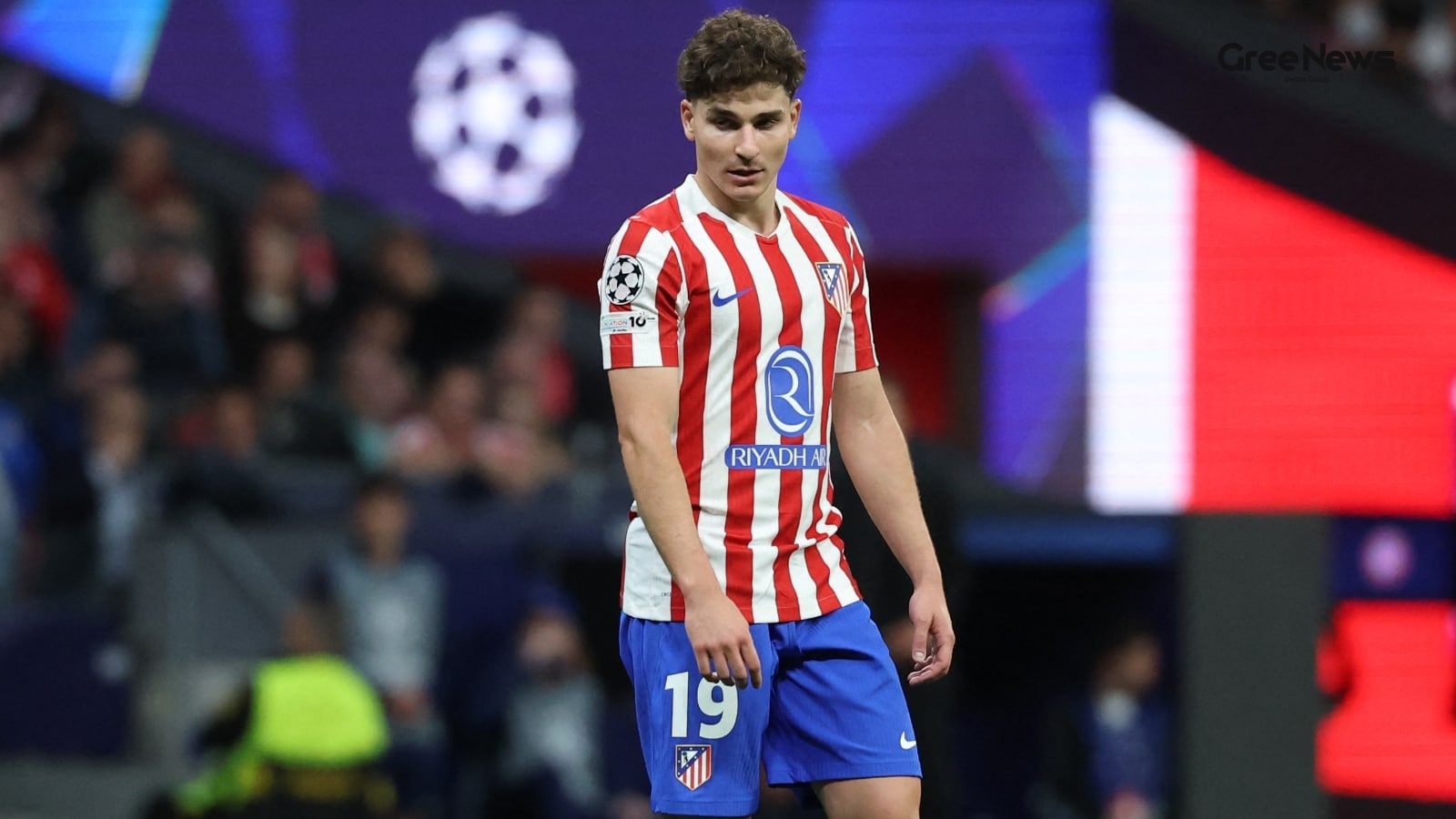
Julian Alvarez Transfer Speculation and Atletico Madrid's Future
Julian Alvarez has finally dropped some real hints that his time at Atletico Madrid might be coming to an end. It’s all noise right now, but the feeling is there. He admitted he wants to leave and actually "fulfil his dream" amid all this mounting interest from some of Europe's biggest clubs. This c
Jun 23, 2026 by Gree News Team
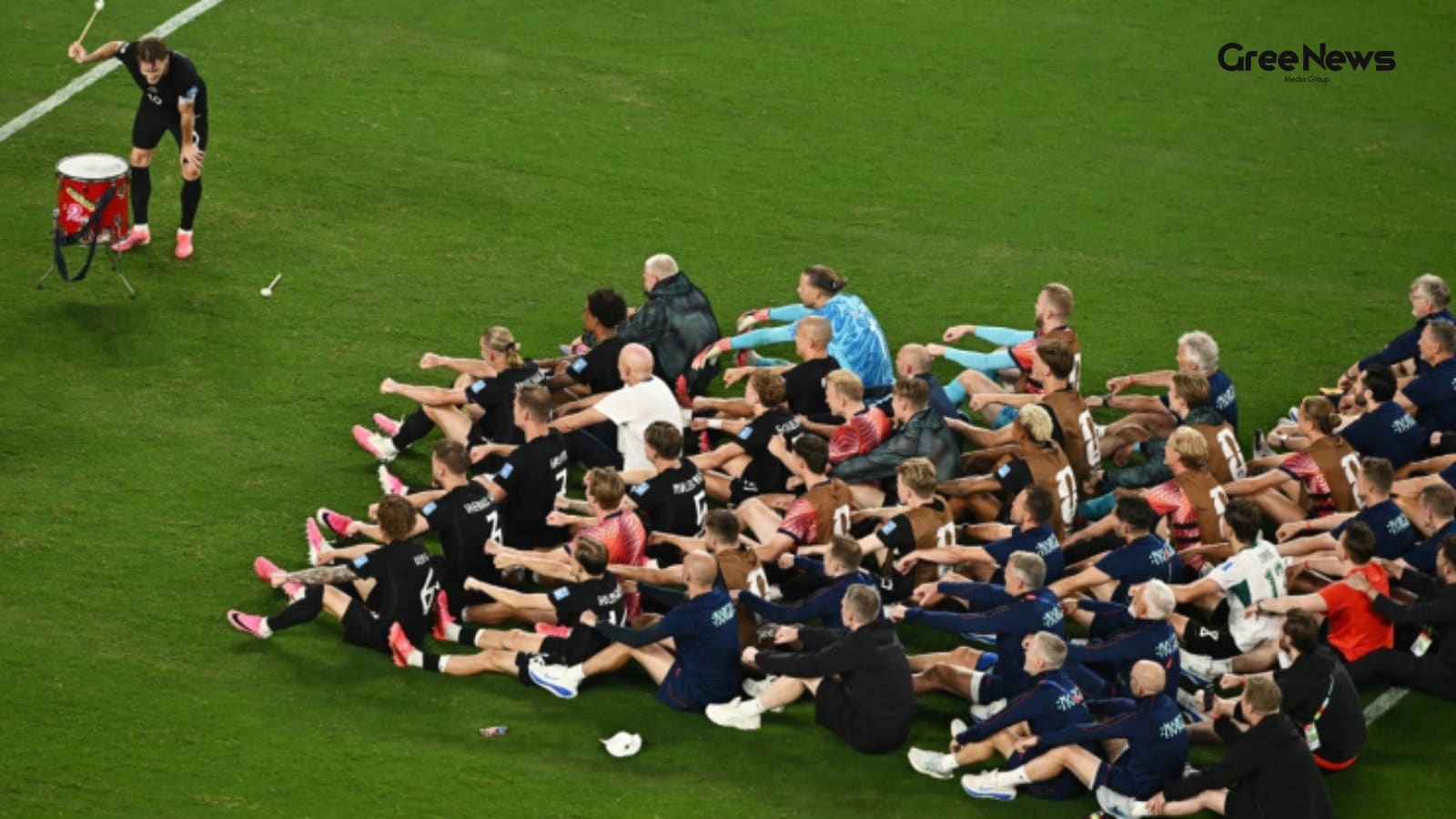
The Viral Viking Row: Norway's Celebration and Global Phenomenon
Erling Haaland’s goals got all the attention. But honestly, it was the Norway team’s celebration that really stole the show. They booked their spot for the FIFA World Cup 2026 in a dramatic way on Monday. A three-two win against Senegal. Qualification secured. Right after that win, the players just
Jun 23, 2026 by Gree News Team
Latest Headlines

Enforcement Drive Hits Gurugram: Illegal Constructions and Public Outrage
The enforcement drive hit Gurugram’s DLF Phase-3 hard. It was a major crackdown on illegal constructions and all those unauthorized commercial setups. This wasn't some quiet administrative move; it came straight from the Punjab and Haryana High Court. The Department of Town and Country Planning laun
Jun 23, 2026 by Gree News Team
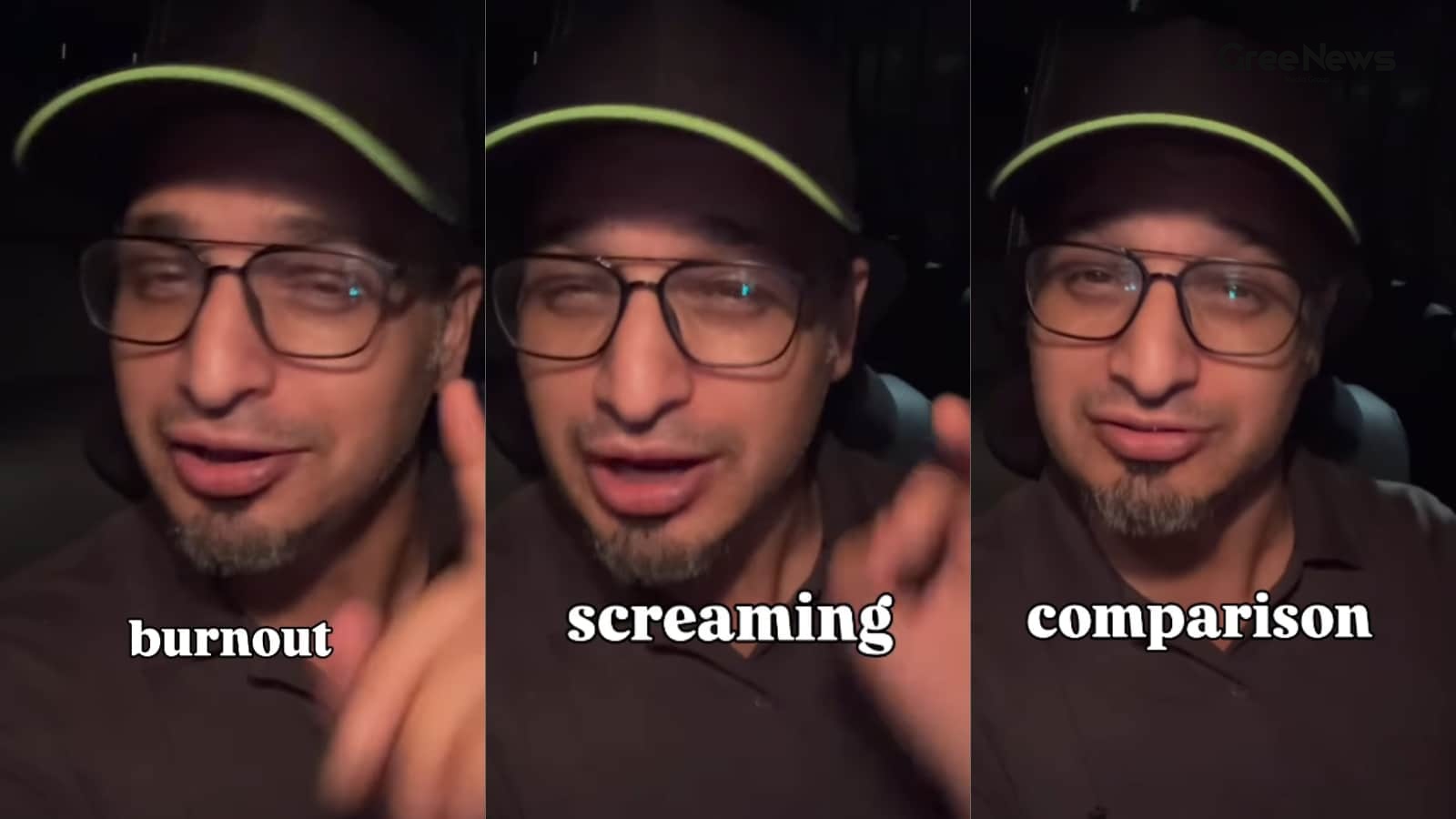
Toxic Workplace Habits: What Needs to Change in the Office
A Mumbai professional recently stirred up a lot of talk about how work actually happens in India. He pointed out some things he thinks have gotten just too normalized in offices across the country. It really hit home for a lot of corporate workers who said, "Yeah, I’ve seen this stuff too." Vijay Ch
Jun 23, 2026 by Gree News Team
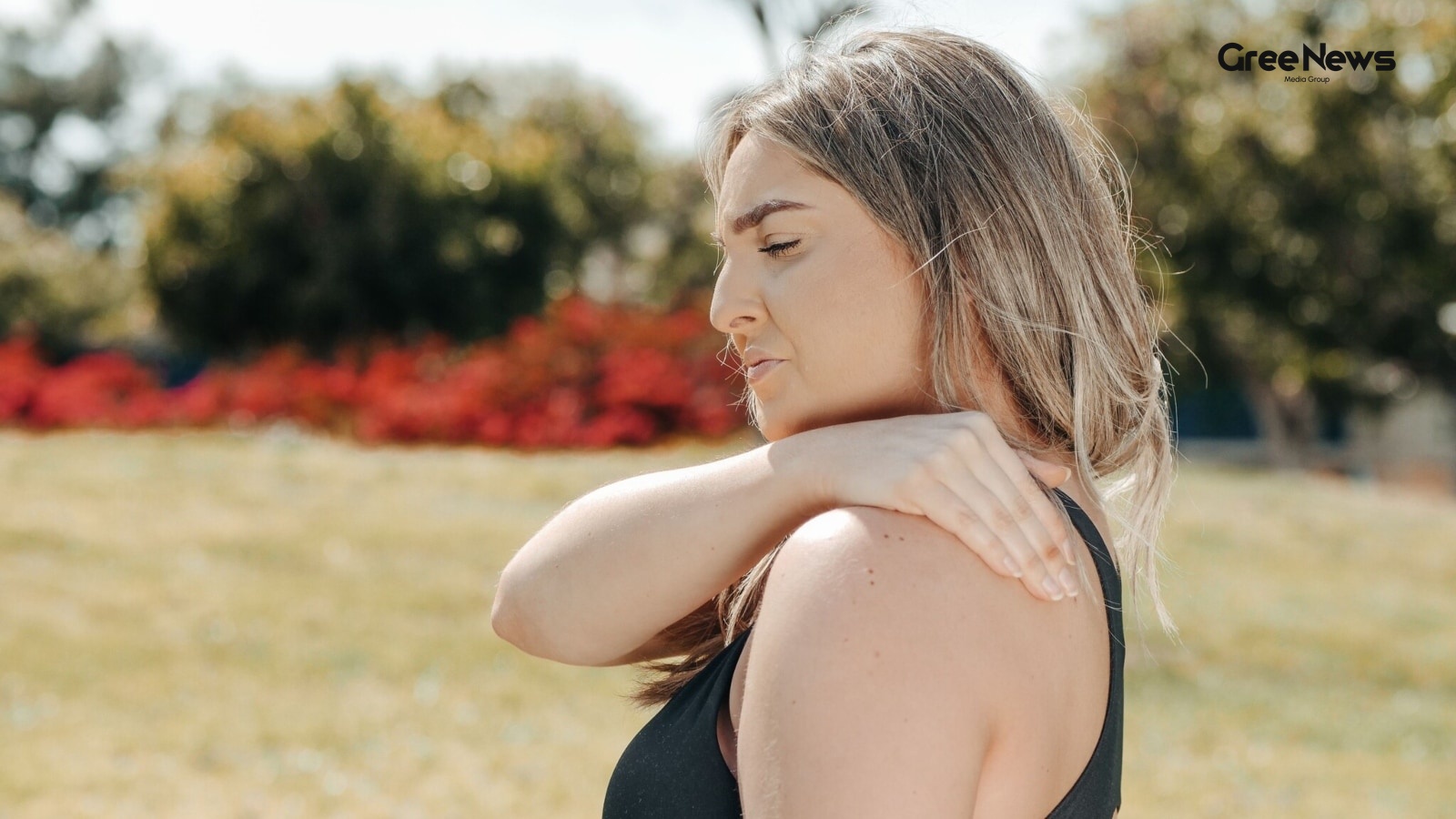
Understanding Frozen Shoulders (Adhesive Capsulitis) and Recovery
Frozen shoulders. It’s a quiet thief, really. It doesn't announce itself with a bang, but it slowly creeps in, quietly messing up the everyday stuff. Simple things putting on a shirt, reaching for something on a high shelf, even just lifting a bag they start to hurt. The shoulder joint gets this sti
Jun 23, 2026 by Gree News Team
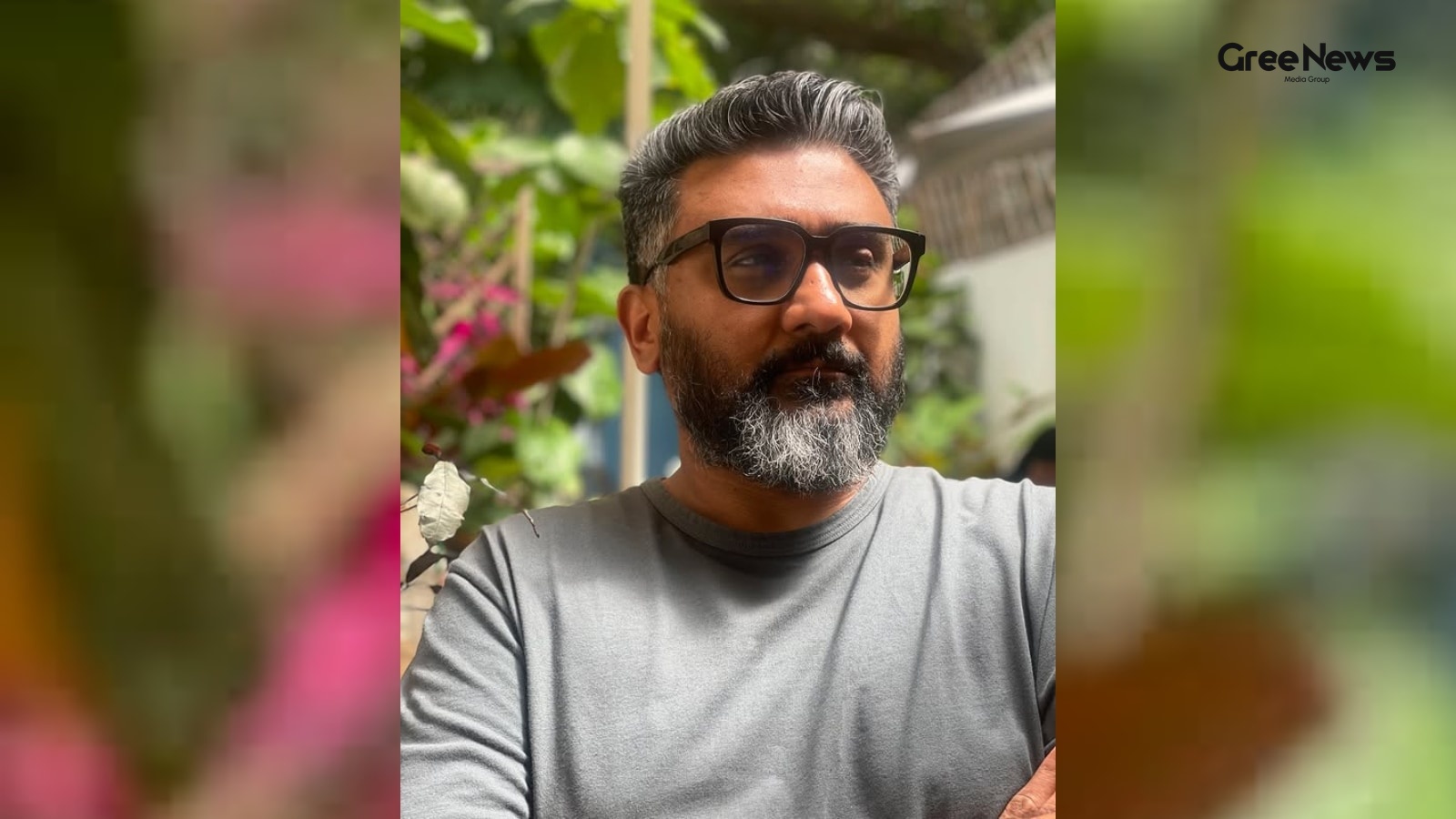
Kunal Shah Named Global Head for WhatsApp After Leading CRED
Meta just named Kunal Shah, the founder of that fintech firm CRED, as the new global head for WhatsApp. It’s one of those big appointments, you know? An Indian entrepreneur taking a spot at the top of the technology world. Will Cathcart, who’s been running the messaging platform since 2019, made the
Jun 23, 2026 by Gree News Team
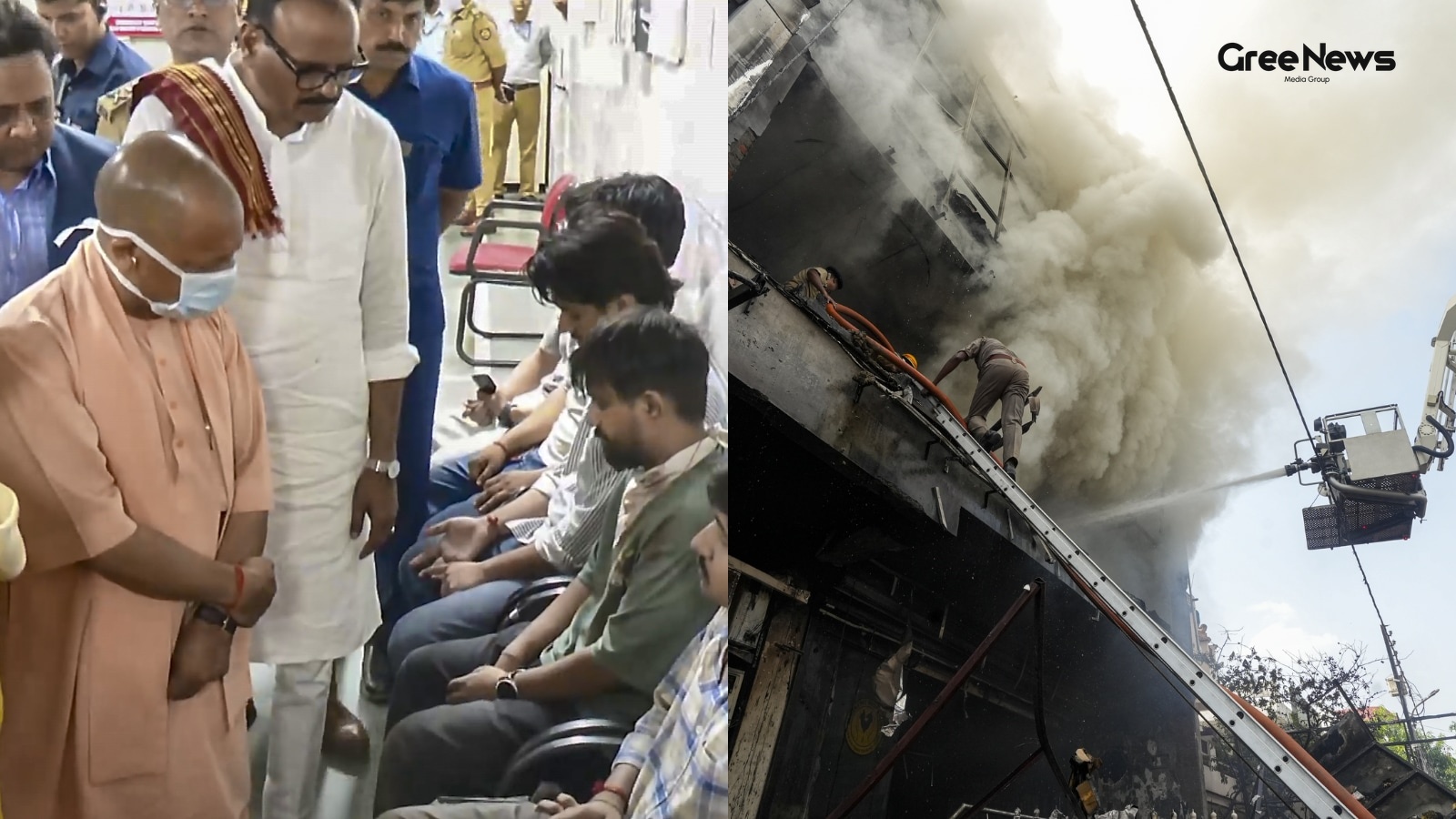
Lucknow Fire Tragedy: CM Reacts, Government Offers Relief
Monday brought a terrible scene in Lucknow. A massive fire tore through a coaching centre, and the cost was horrific at least fifteen lives lost. Chief Minister Yogi Adityanath reacted fast. He announced immediate relief for the victims’ families, handing out an ex gratia of five lakh rupees to the
Jun 23, 2026 by Gree News Team

Hazelnut Chikki and Sandesh Fusion Cake Recipe
Desserts. Seriously. They are pure decadence galore. This thing this chikki fudge cake it’s three layers, you know? It’s this wild fusion. You’ve got the sharp, crunchy delight of hazelnut chikki battling against something rich, velvety, all about dark chocolate and milk sandesh. Two totally beloved
Jun 23, 2026 by Gree News Team
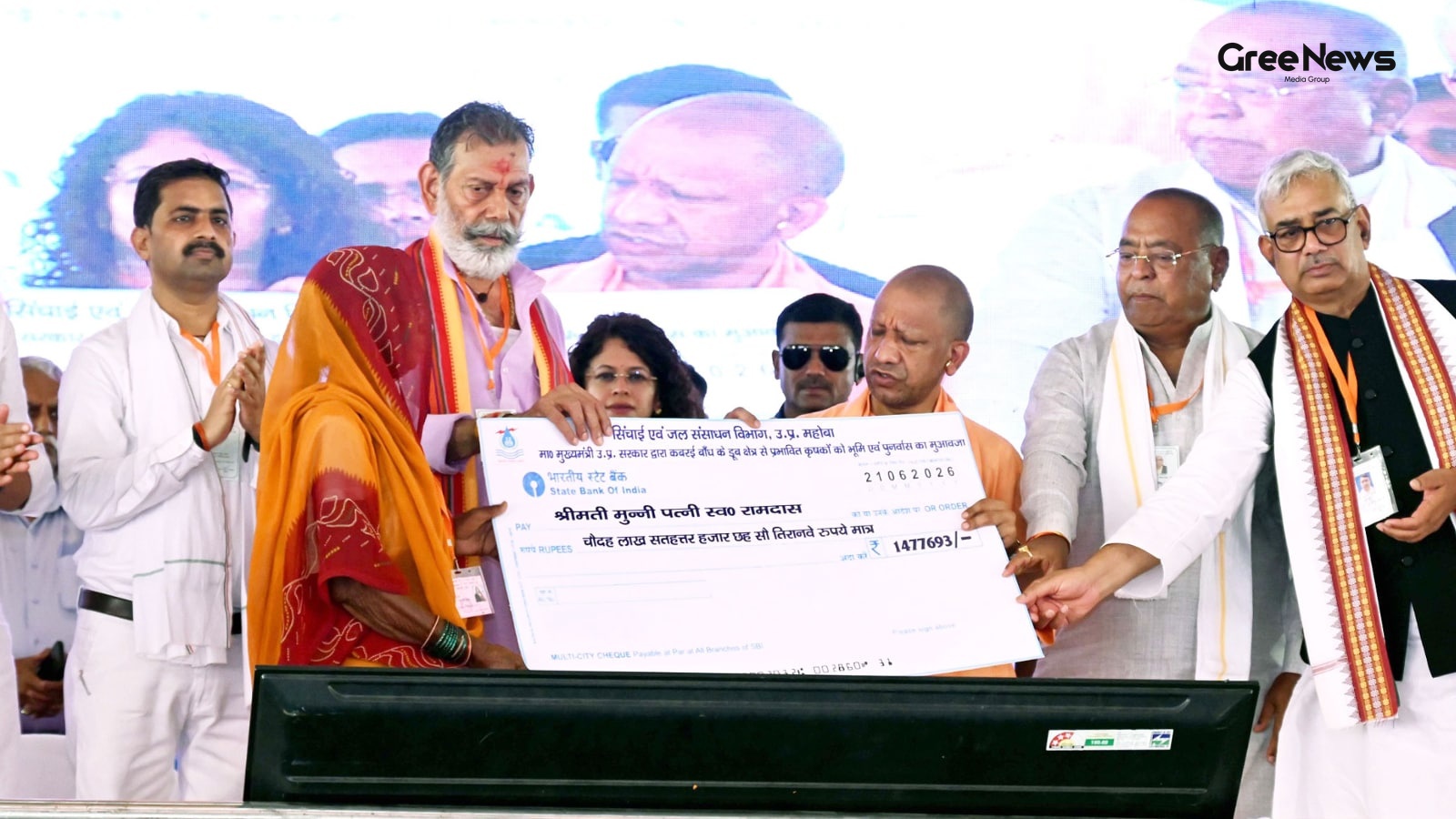
Yogi Adityanath's Development and Vision for Uttar Pradesh
Yogi Adityanath, Chief Minister of Uttar Pradesh, kicked off some big stuff on Sunday in Mahoba. Eight-eight development projects, over six hundred ninety-seven crore rupees worth. It all happened at Modi Gram, during the 12th International Yoga Day. Before getting there though, he was already invol
Jun 23, 2026 by Gree News Team
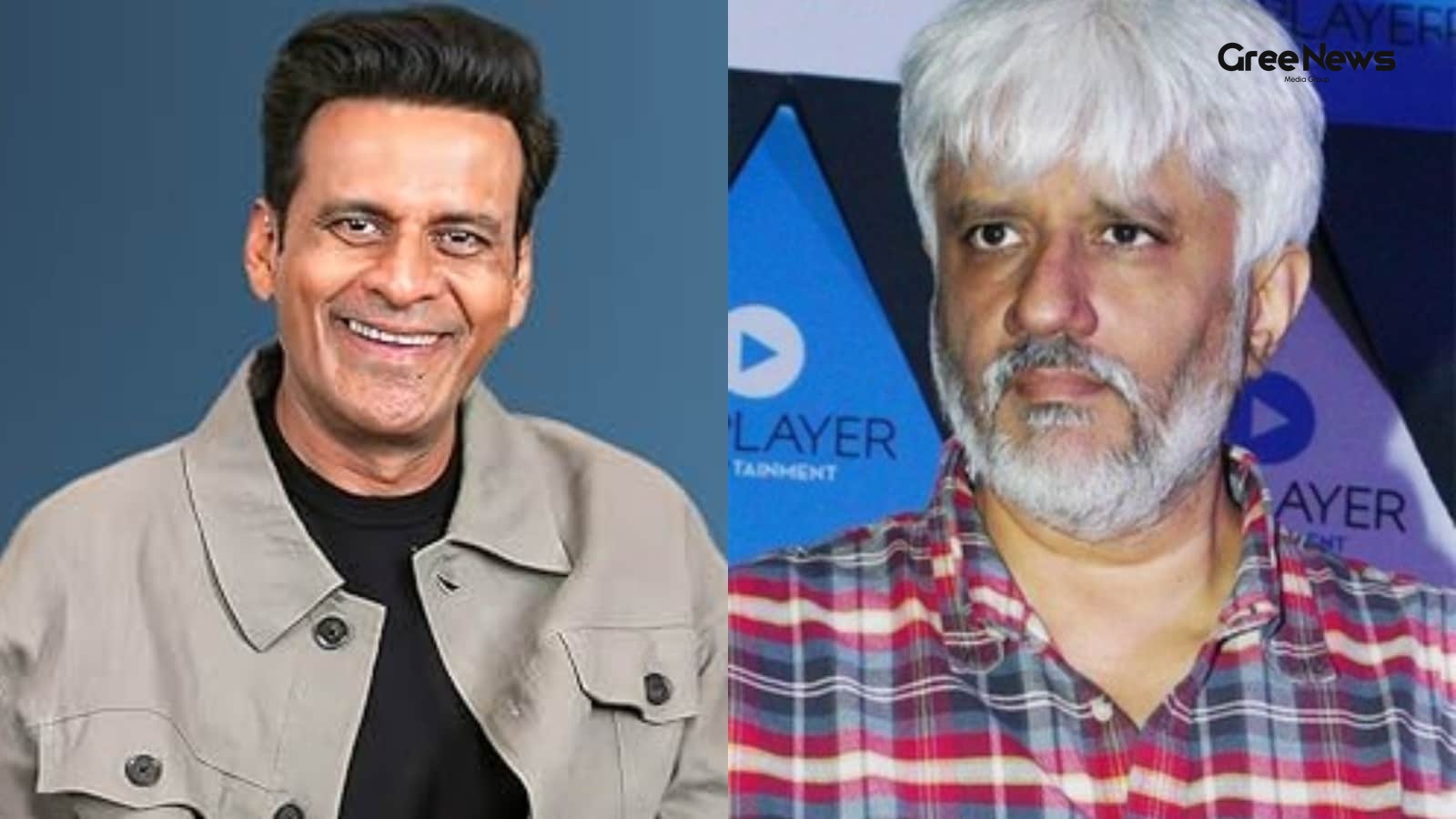
Actor Journeys, Industry Buzz, and Personal Stories
Manoj Bajpayee, you see, he’s one of those actors who just seems to have this massive range in his filmography. But lately, it feels like a shift. He’s been diving deep into independent films now. Not the big commercial blockbusters anymore. He actually opened up about it, saying that his real heart
Jun 23, 2026 by Gree News Team
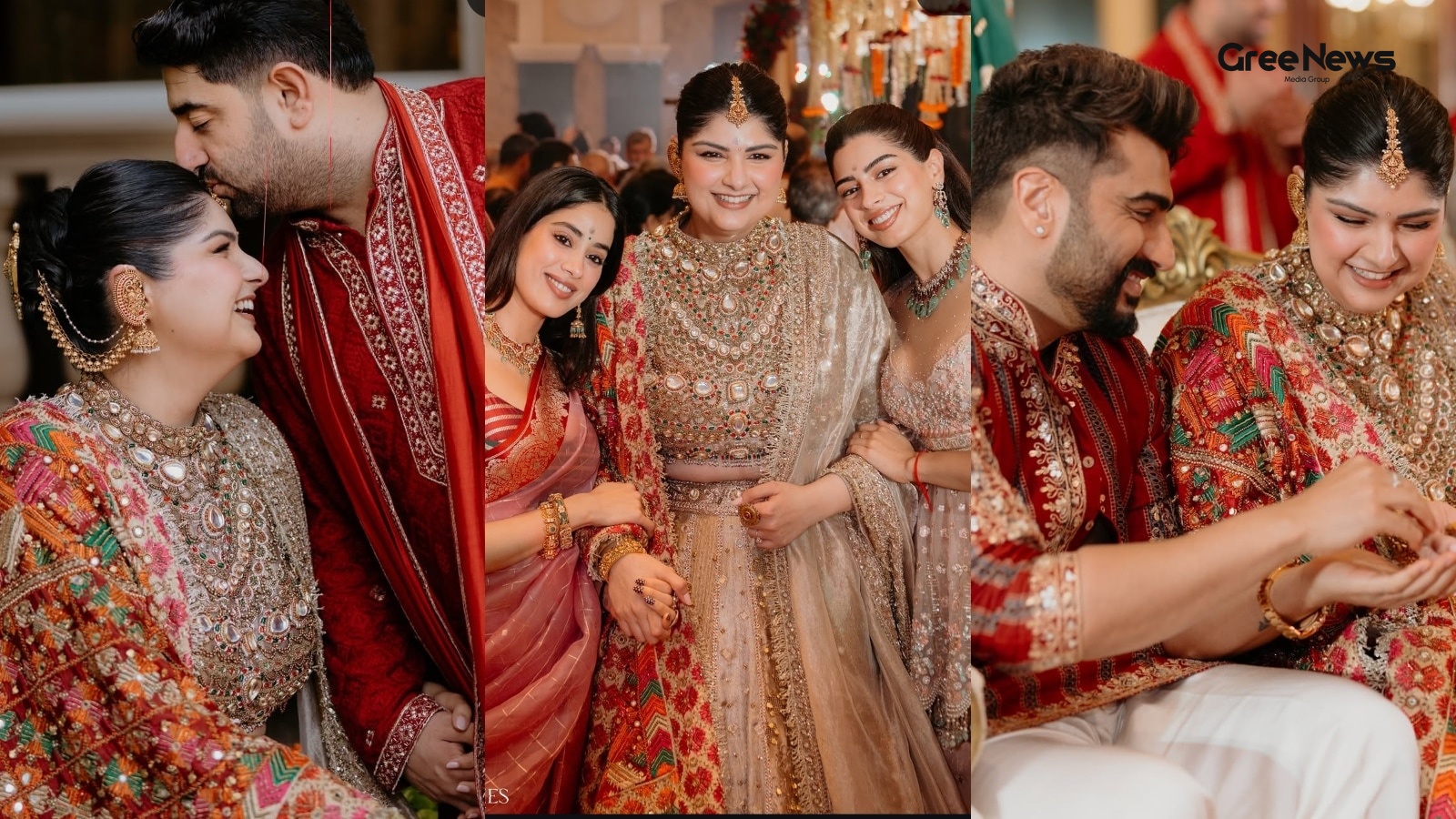
Anshula Kapoor and Rohan Thakkar's Wedding Celebrations and Love Story
Wedding celebrations started for Anshula Kapoor and Rohan Thakkar. The pre-wedding stuff kicked off June 21st. It was an intimate gathering, bringing in family members from the Kapoor side lots of warmth, laughter, rituals happening there. Anshula actually shared some pictures with fans on Instagram
Jun 23, 2026 by Gree News Team
Internal Fight and Leadership Changes within Trinamool Congress
The internal fight inside the Trinamool Congress really blew up this week. It’s getting serious. A faction led by Ritabrata Banerjee, the Leader of the Opposition, actually put forward a new leadership setup on Monday. They elected MLA Arup Roy as their chairperson. This immediately puts a real chal
Jun 23, 2026 by Gree News Team
Uttar Pradesh Records Historic Peak Power Demand
Uttar Pradesh just blew past some huge numbers for power demand. They hit a record peak of 32,348 MW, according to what the state government announced on Monday. It happened late, around 10:48 pm on June 21st. That’s the highest ever recorded for the state. The real kicker is that this figure actual
Jun 23, 2026 by Gree News Team
Keir Starmer's Resignation and Political Aftermath
Keir Starmer stepped down as Prime Minister on Monday after 700 days in office. It was the sixth time someone had left 10 Downing Street since 2016, a strange number, you know? He announced it from a lectern outside Number 10. Staff were milling around him on the pavement while some activist played
Jun 23, 2026 by Gree News Team
Lionel Messi: A Journey of Goals, Legacy, and Resilience
Lionel Messi. Thirty-eight years old now, still kicking some serious goals, setting new benchmarks year after year. Just Monday, at that big AT&T Stadium in Arlington, he officially became the all-time leading goal-scorer in FIFA World Cup history. It felt huge, didn't it? You have to look back and
Jun 23, 2026 by Gree News Team
Yogi Adityanath's Vision for Aligarh: Defence Manufacturing and Development
Yogi Adityanath talked about Aligarh on Monday. He said it’s going to become a big place for making defense stuff, a supply hub. This direction came from Prime Minister Modi approving that Defence Manufacturing Corridor. “Development will keep moving,” he said. “It won't stop or slow down. The doubl
Jun 23, 2026 by Gree News Team
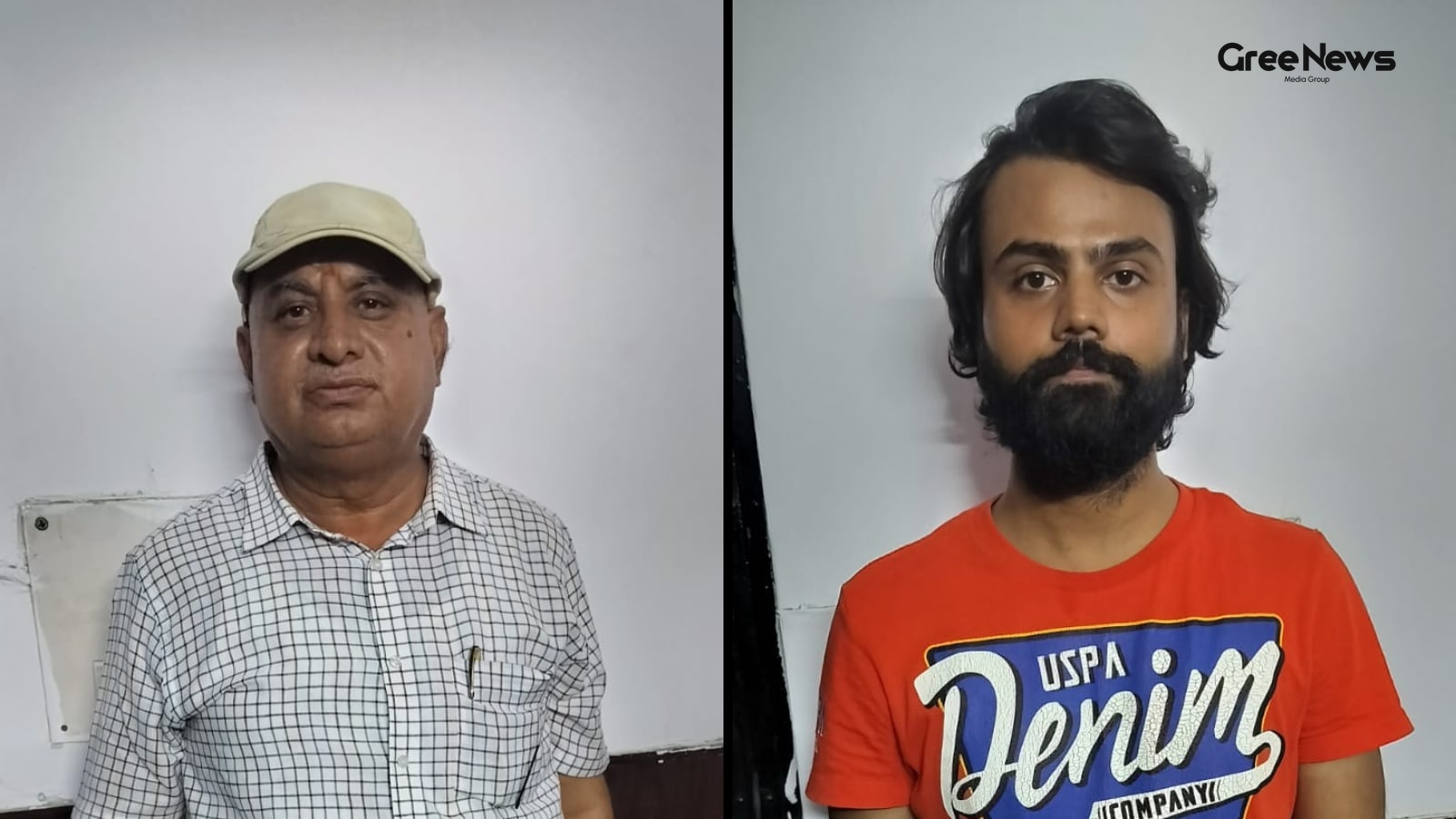
Fire at Aliganj Coaching Centre: Arrests, Legal Action, and High-Level Response
Lucknow police started digging into the fire at the Aliganj coaching centre. Three building owners got arrested. Four officials are suspended right now. The names of those caught? Virendra Prasad Shukla, Ramkrishna Upadhyay, and Tushak Krishna Jaiswal. It all kicked off Monday afternoon when this th
Jun 23, 2026 by Gree News Team