Aerospace Manufacturing and the 'Make in India' Push
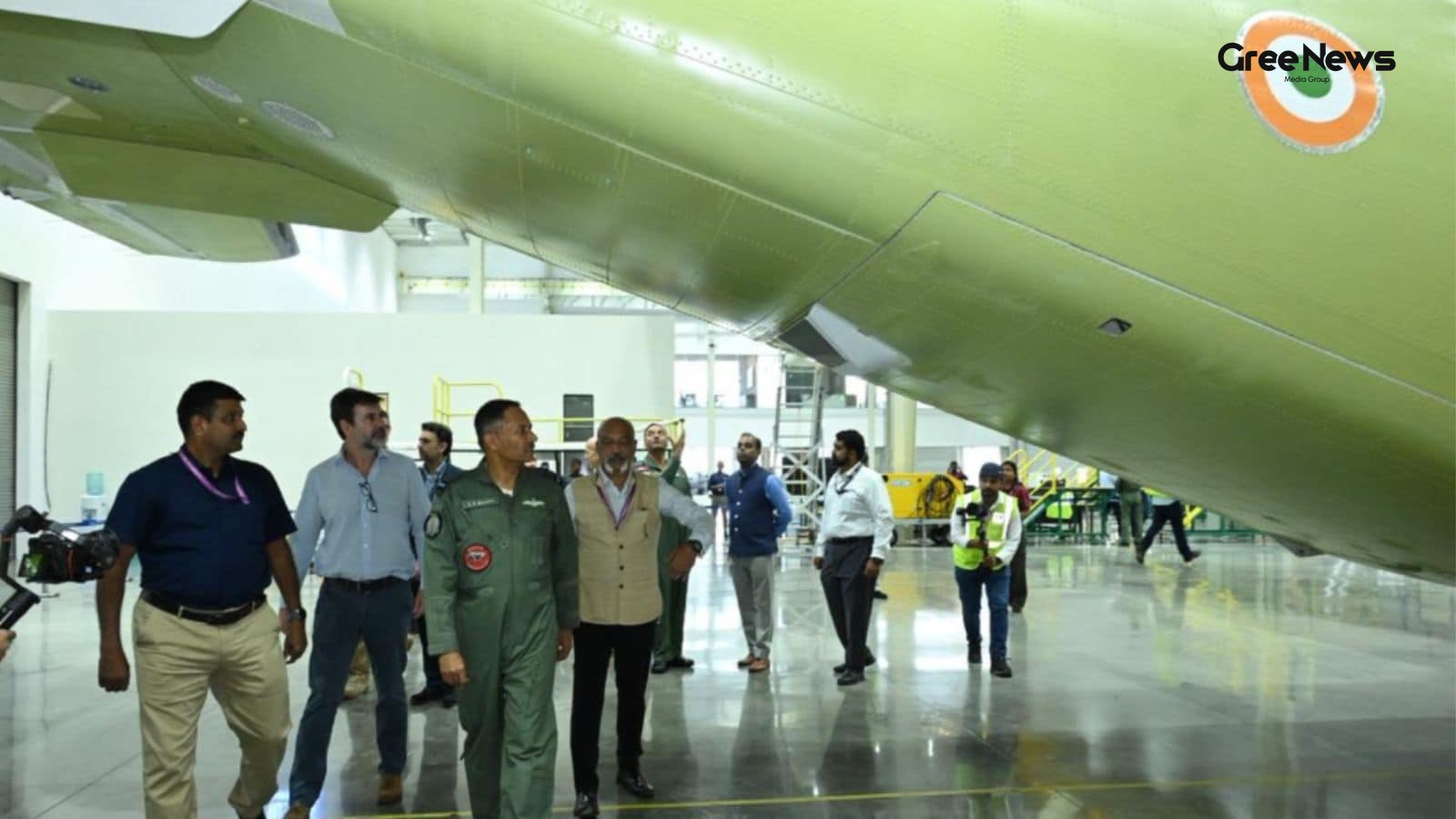
The air around defense manufacturing right now feels different.
It’s moving towards its maiden flight test. This isn't just some line item update in a quarterly report. This is a genuine, physical manifestation of the ‘Make in India’ push, a massive, tangible step in trying to stop looking only outward for our military hardware.
It’s a milestone, undeniably.
It means shifting the entire ecosystem. It means moving beyond simply buying planes and starting to own the capability to build them. It’s about aerospace manufacturing capabilities, strengthening the domestic aerospace sector, and frankly, reducing that nagging dependence on imported military platforms. That dependence—it’s a vulnerability we’ve carried for too long.
You see the scale of the ambition. It’s complex. It’s messy. It’s filled with layers of contractual obligations and engineering demands that must be met perfectly.
And of course, there’s the immediate focus on the Indian side of things. The manufacturing plant itself, that facility in Vadodara, is where the real work is happening now. It’s where the metal is being shaped, where the systems are being integrated.
He needed to see it for himself. He needed to review the progress. You can imagine the atmosphere. Not just official pleasantries. It’s the weight of national security pressing down on those steel beams. Reviewing the progress. It felt like a moment where the abstract goal of self-reliance suddenly became concrete, tangible machinery sitting in a factory floor.
The IAF perspective is clear. It’s not just a transport plane. It’s a symbol of what India can achieve when it commits resources and focuses its energy.
But the story doesn't end with the flight test scheduled. It’s about the framework that made it possible. That framework started with a massive deal.
We have to talk about the aGreement itself. That’s a huge financial commitment, a significant geopolitical move wrapped up in an industrial contract.
And here’s where things get tangled, because the delivery structure is interesting. Sixteen of those aircraft are being delivered directly from Spain. Fly away condition. That’s immediate delivery, tangible assets hitting the timeline. But the bulk of the work, the heavy lifting of making this happen domestically, is the focus. The remaining forty? Those are being manufactured right here in India. Forty aircraft born from Indian industrial capacity.
This split—the imported and the indigenous—is critical. It sets a precedent. It shows a pathway. It suggests that the goal isn't just to be a recipient of foreign technology, but to become a genuine producer.
The C-295 itself is designed to fill a specific, vital role for the Indian Air Force. It’s set to replace that aging Avro-748 transport fleet. Think about that. An aging fleet. It represents operational limitations. It represents reliance on older systems. Replacing it with something new, something built with Indian input, that’s not just swapping out hardware. That’s upgrading the entire operational capability. It’s about future-proofing the air arm.
What is this new machine supposed to do? It’s designed as a medium tactical transport aircraft. It’s versatile. It can handle a lot. Troop deployment. Cargo transport. Medical evacuation. Special operations. It’s a multi-role asset. It’s designed for rugged environments. It can operate from short, rugged, semi-prepared airstrips. Think about the terrains India operates in. Remote areas. Mountainous regions. The ability to operate effectively in those conditions, that capability itself is a massive asset, not just the plane.
And the specs matter, of course. It can carry up to seventy troops. Forty-eight paratroopers. Twenty-four medical stretchers. Those numbers define its utility. It’s not just about moving cargo; it’s about moving people, about providing immediate tactical support.
Underneath all that physical structure, there’s the technology. It’s about the brains inside the machine.
Turboprops. They are designed to operate effectively in those challenging, short airstrips we just talked about. It’s a specific engineering choice tied directly to the mission profile.
But the indigenous element isn't just about the airframe. It’s about the systems integrated into it. Officials hinted that the aircraft will feature an electronic warfare suite. A suite developed right here in India. Bharat Electronics Limited and Bharat Dynamics Limited are involved in developing this. That’s crucial. It means the control systems, the sensors, the ability to communicate and operate in contested airspace—that’s being developed domestically. That’s building sovereign capability, not just assembling foreign parts.
This focus on indigenous development, this layering of Indian technology onto the Airbus platform, that’s what truly strengthens the ecosystem. It forces a deeper engagement with local supply chains.
And the manufacturing aspect is where the impact on the Indian industrial base becomes staggering. The details about the production are almost as telling as the flight test itself. Tata Advanced Systems is taking on the monumental task of detailed manufacturing, final assembly, the installation of avionics and engines. It’s the full spectrum of production responsibility.
And look at the numbers related to the Indian manufacturing share. This is where the 'Make in India' narrative gets its teeth. More than eighty-five per cent of the structural manufacturing and final assembly work for those forty India-made aircraft will be carried out within the country. Eighty-five per cent. That’s an astonishing level of domestic industrial participation. It means the knowledge transfer, the skill development, the factory floor experience—that’s all happening inside India.
And the ripple effect from this? It’s massive. This program isn't just about one aircraft. It’s about creating an entire supply chain. Officials indicated that this program will lead to the production of over thirteen thousand aircraft parts right here. Thirteen thousand parts. That’s thousands of jobs. That’s thousands of opportunities for smaller, specialized suppliers to step up and integrate.
They’ve already integrated thirty-seven Indian suppliers. From the public sector, from the private sector. Thirty-seven different entities now woven into this supply chain. This isn't a simple transaction. It’s a massive industrial integration project.
There are always logistical snags. There are always engineering challenges that pop up when merging foreign designs with domestic manufacturing tolerances. There are budgetary constraints that constantly push and pull the timeline.
The Vadodara plant inauguration, that event with the Prime Minister and the Spanish Prime Minister—that was more than just a ceremony. It was a public declaration. A statement that this collaboration is serious.
It’s about embedding core technological sovereignty into the final product.
The goal remains strengthening the domestic aerospace ecosystem. That’s the long-term prize.
Written by Gree News Team — Senior Editorial Board
Gree News Team covers international news and global affairs at Gree News. Our collective of senior editors is dedicated to providing independent, accurate, and responsible journalism for a global audience.
More from India
View All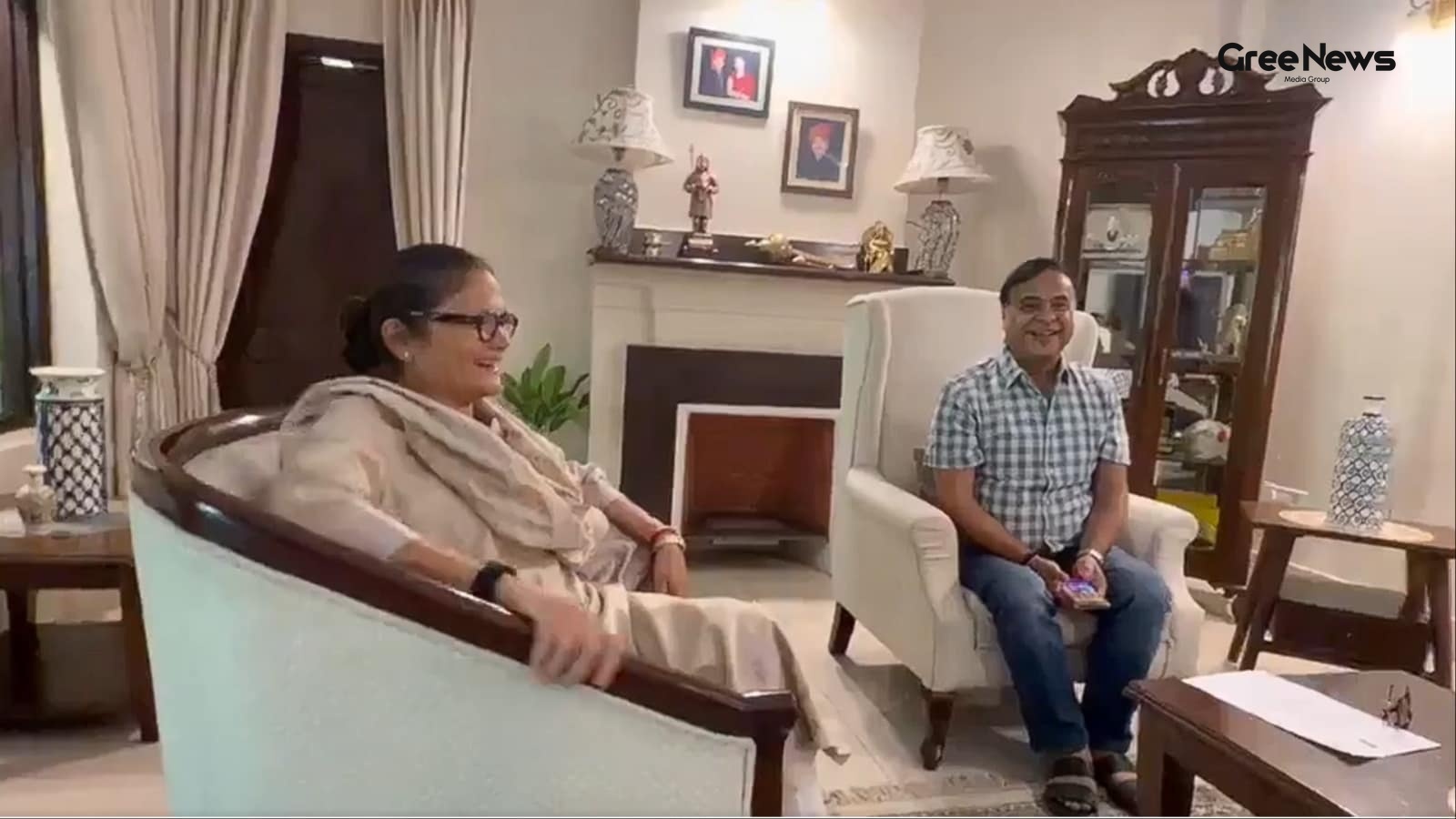
Political Speculation and Internal Turmoil within the TMC
Fresh visuals surfaced of Sushmita Dev meeting Assam Chief Minister Himanta Biswa Sarma. That kind of thing just kicks the speculation into high gear about her next move. It’s all about her potential entry into the BJP, right? This happened right after she stepped down from Rajya Sabha and walked ou
Jun 10, 2026 by Gree News Team
Threats and Intimidation Against Former Judge Justice Gautam Patel
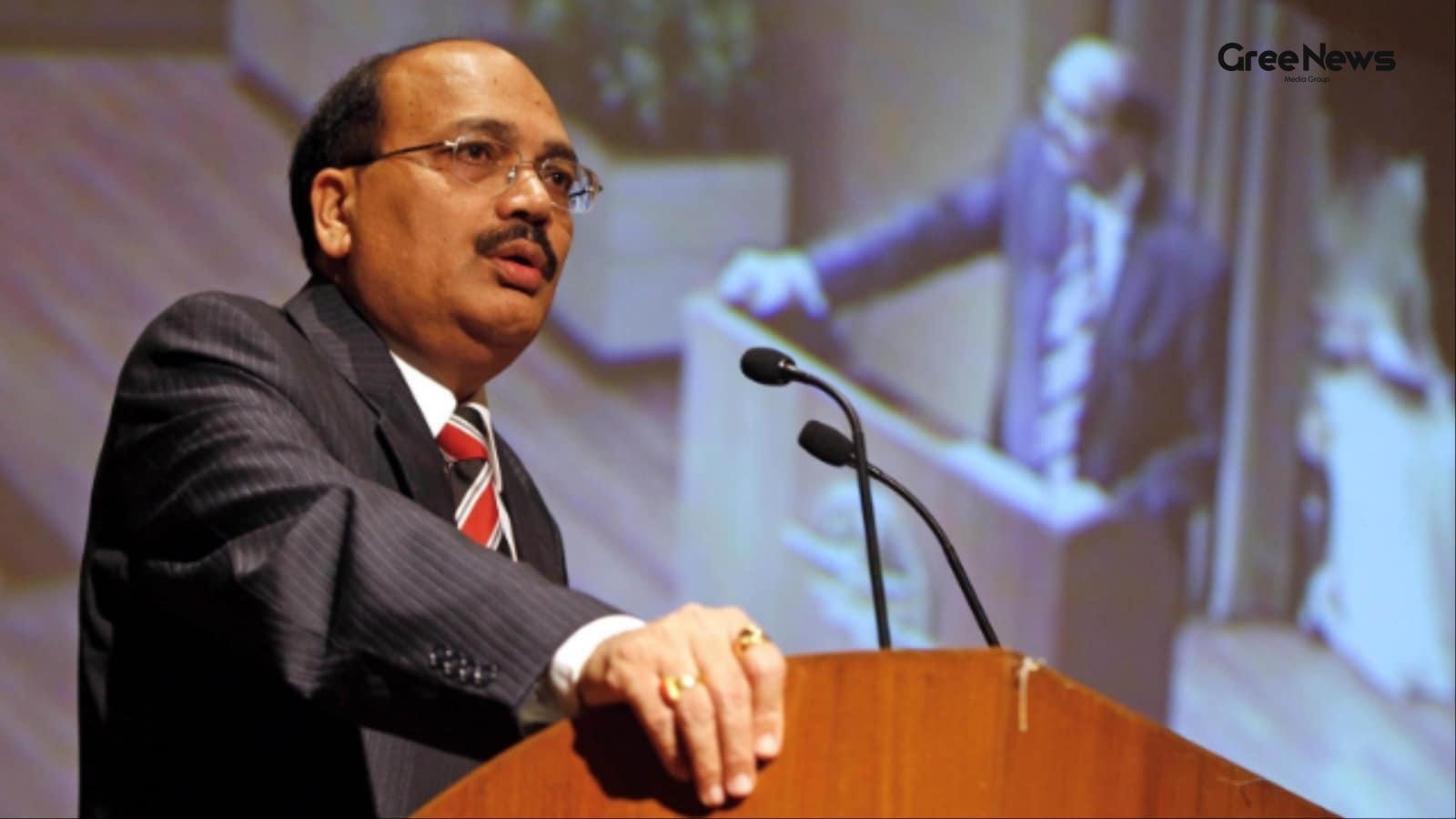
Chief Justice Surya Kant stepped in on the matter involving threats and intimidation aimed at former Bombay High Court judge Justice Gautam Patel. This happened while he was visiting the UK, raising the issue with India’s High Commissioner there. It came out of a report by The Times of India. The wh
Jun 10, 2026 by Gree News Team
The Political Feud: Shivakumar vs. Kumaraswamy and the Vokkaliga Rivalry
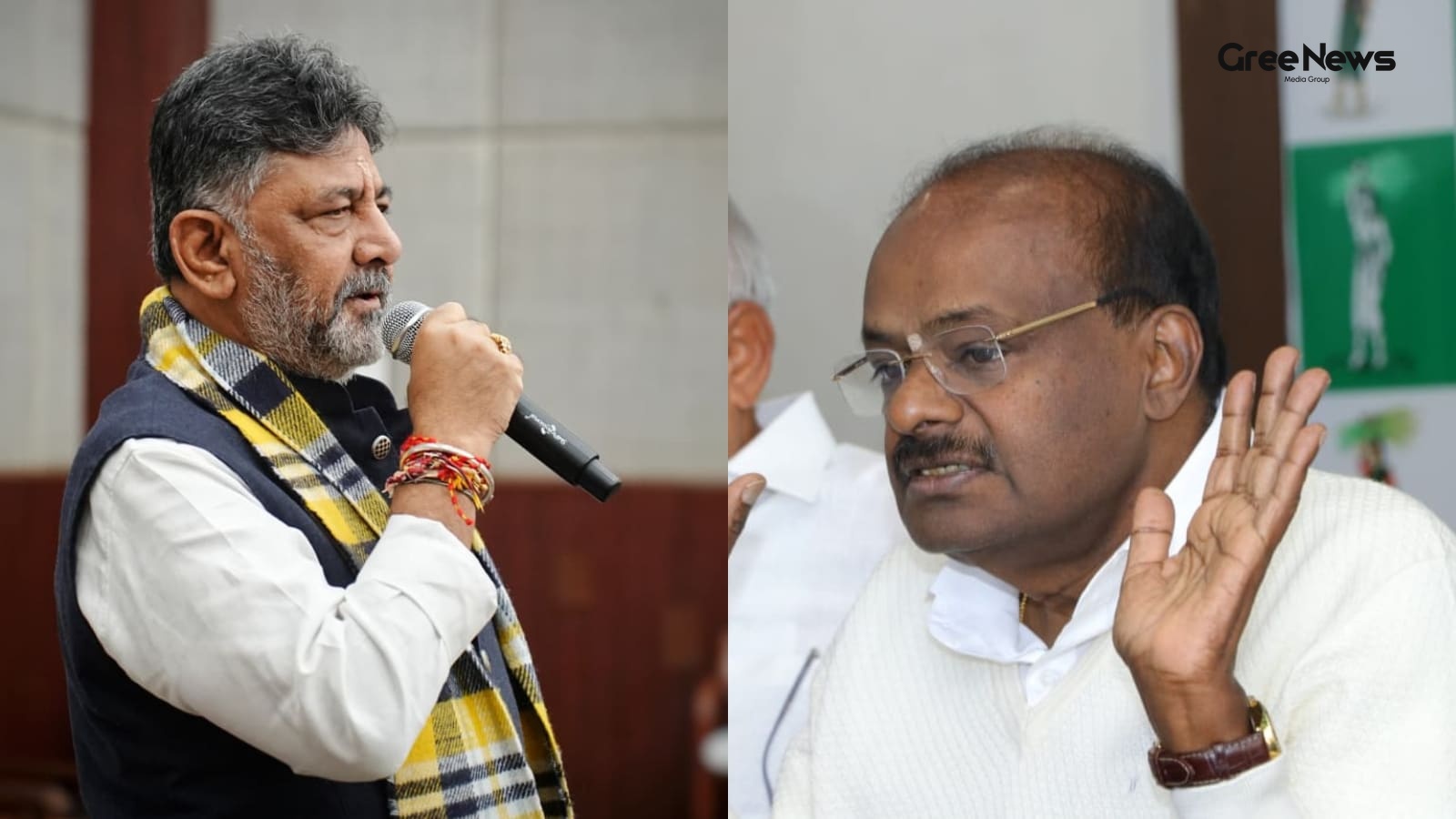
A meeting that hasn't even happened is already sparking political sparring. Karnataka Chief Minister DK Shivakumar and Union Minister HD Kumaraswamy. It just underlines how bitter one of the state’s longest-running rivalries still is. Shivakumar was doing some outreach, a carefully choreographed exe
Jun 10, 2026 by Gree News Team
The Global Nuclear Arms Race: Spending, Capabilities, and Future Risks
Nearly eight decades since Hiroshima and Nagasaki. And the world’s nuclear powers aren't slowing down. They keep spending more, modernizing faster, and experts are watching them move weapons out of storage and into potential use. It’s a real arms race happening right now. The nine states that hold n
Jun 10, 2026 by Gree News Team
Latest Headlines
Political Speculation and Internal Turmoil within the TMC
Fresh visuals surfaced of Sushmita Dev meeting Assam Chief Minister Himanta Biswa Sarma. That kind of thing just kicks the speculation into high gear about her next move. It’s all about her potential entry into the BJP, right? This happened right after she stepped down from Rajya Sabha and walked ou
Jun 10, 2026 by Gree News Team

FIFA World Cup 2026: Structure, Geography, and the Official Match Ball
The FIFA World Cup 2026 is really starting to feel imminent now. It’s heading toward North America the USA, Mexico, and Canada are slated to host this massive global spectacle. People are talking about it constantly. It’s not just a standard tournament anymore. This time around, they’re throwing way
Jun 10, 2026 by Gree News Team

Lionel Messi and Argentina's World Cup Journey in Group J
Argentina’s taking on Group J in this new setup USA, Mexico, and Canada it feels like more than just football now. It’s about that farewell, isn't it? Lionel Messi is chasing something special right now, playing out this final chapter with the Albiceleste against Algeria, Austria, and Jordan. There’
Jun 10, 2026 by Gree News Team
Federal Judge Bars Nitrogen Gas Execution in Alabama
A federal judge just slammed the door shut on Alabama’s plan to use nitrogen gas for executing Jeffery Lee. Permanently barred it, ruling the method violated basic constitutional rights about cruel and unusual punishment. This decision dropped like a stone. It came just one day after an appeals cour
Jun 10, 2026 by Gree News Team
Kerala Board Plus One Results 2026 Announcement and Checking Methods
The Kerala Board Plus One results for 2026 are finally coming today, June 10th. That’s when the Directorate of Higher Secondary Education will officially announce everything. Students who took the DHSE Kerala Class 11 exams in 2026 can start checking their scores now. You have a few places to look,
Jun 10, 2026 by Gree News Team
Threats and Intimidation Against Former Judge Justice Gautam Patel
Chief Justice Surya Kant stepped in on the matter involving threats and intimidation aimed at former Bombay High Court judge Justice Gautam Patel. This happened while he was visiting the UK, raising the issue with India’s High Commissioner there. It came out of a report by The Times of India. The wh
Jun 10, 2026 by Gree News Team

Intersection of Art, Politics, and Public Morality at Film Screening
The buzz around the screening for ‘Bharat Bhhagya Viddhaata’ was definitely something special that Tuesday evening in Delhi. It wasn't just about watching a movie; it felt like a convergence a mix of film fans, some political heavyweights, and a surprising amount of high-level government presence. P
Jun 10, 2026 by Gree News Team
The Political Feud: Shivakumar vs. Kumaraswamy and the Vokkaliga Rivalry
A meeting that hasn't even happened is already sparking political sparring. Karnataka Chief Minister DK Shivakumar and Union Minister HD Kumaraswamy. It just underlines how bitter one of the state’s longest-running rivalries still is. Shivakumar was doing some outreach, a carefully choreographed exe
Jun 10, 2026 by Gree News Team
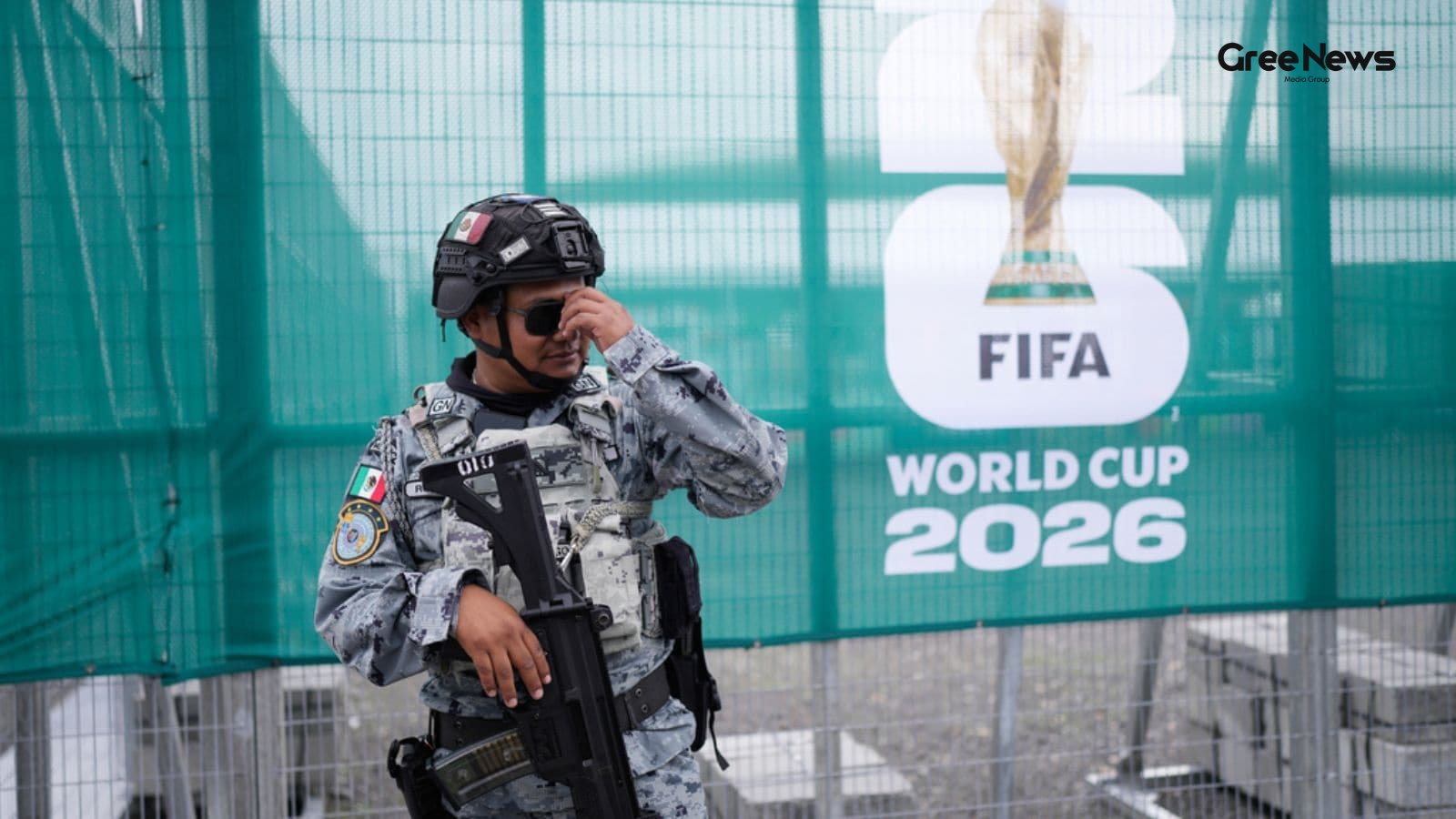
Protest and Political Standoff in Mexico City Before the World Cup
A protest choked off an avenue leading right to Mexico City’s Azteca Stadium for hours on Tuesday. It was just days before that massive World Cup opening match. As football fans started flooding in, all those co-hosts the US, Canada, and Mexico you see the real mess happening back home. Thousands of
Jun 10, 2026 by Gree News Team
The Global Nuclear Arms Race: Spending, Capabilities, and Future Risks
Nearly eight decades since Hiroshima and Nagasaki. And the world’s nuclear powers aren't slowing down. They keep spending more, modernizing faster, and experts are watching them move weapons out of storage and into potential use. It’s a real arms race happening right now. The nine states that hold n
Jun 10, 2026 by Gree News Team
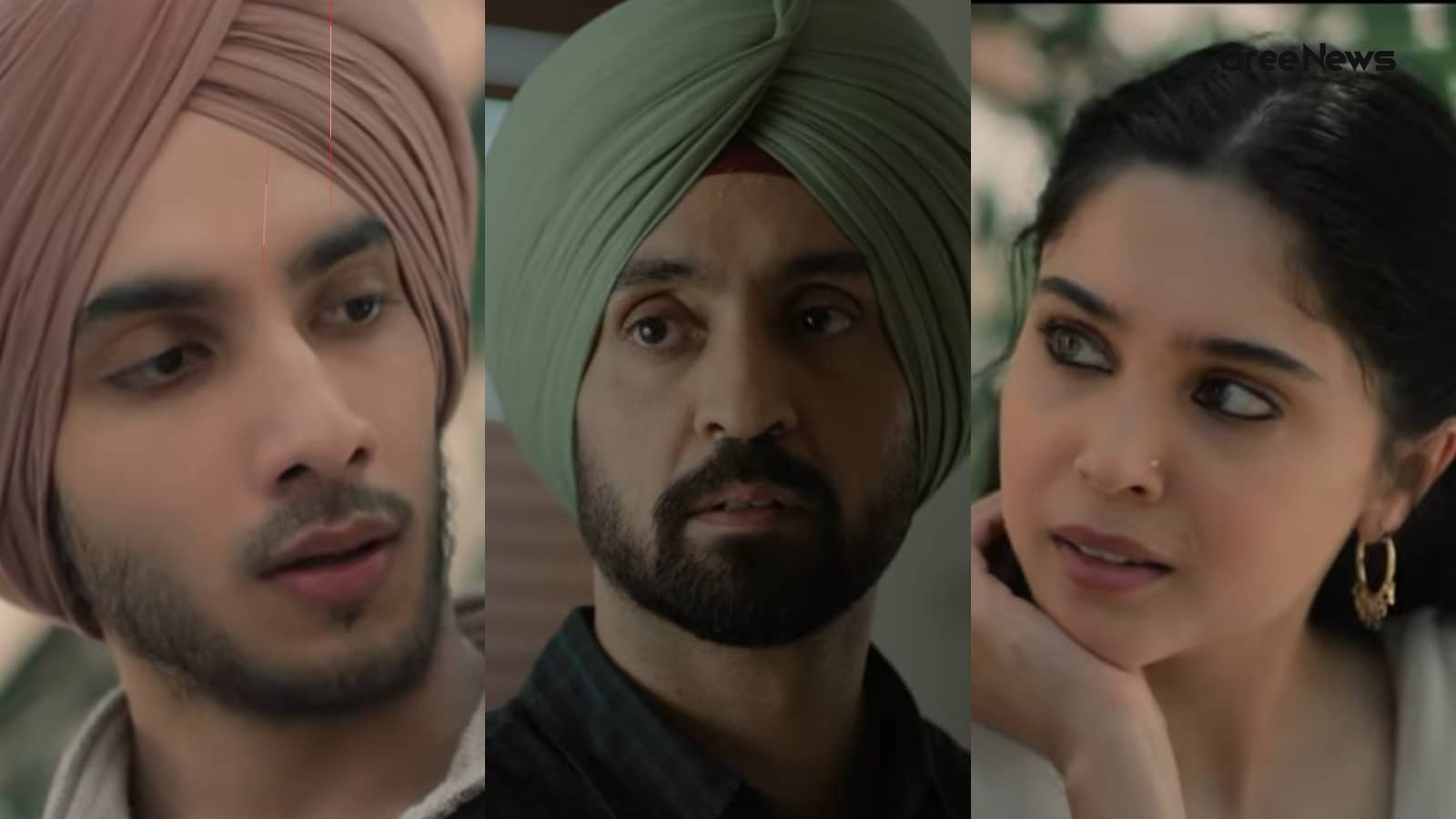
The Chaos of Cinema: Volume, Competition, and the Shifting Market
The Friday arrived packed. June 12th. It wasn't just another day; it was a collision of cinema. Nine films, all hitting the screens at once. *Main Vaapas Aaunga*, Imtiaz Ali’s directorial effort. Then you had Kangana Ranaut’s *Bharat Bhhagya Vidhaata*. And the horror mixed in Vikram Bhatt’s *Haunted
Jun 10, 2026 by Gree News Team

Stock Market Updates: June 10th Performance and Sector Analysis
Stock market updates today, June 10th. Everything turned sour in late trading Wednesday. Domestic equity markets basically gave up all those gains they managed to hold during the day. Heavy selling hit midcap, smallcap stocks, plus metals, realty, and financial names dragging the main indices into n
Jun 10, 2026 by Gree News Team
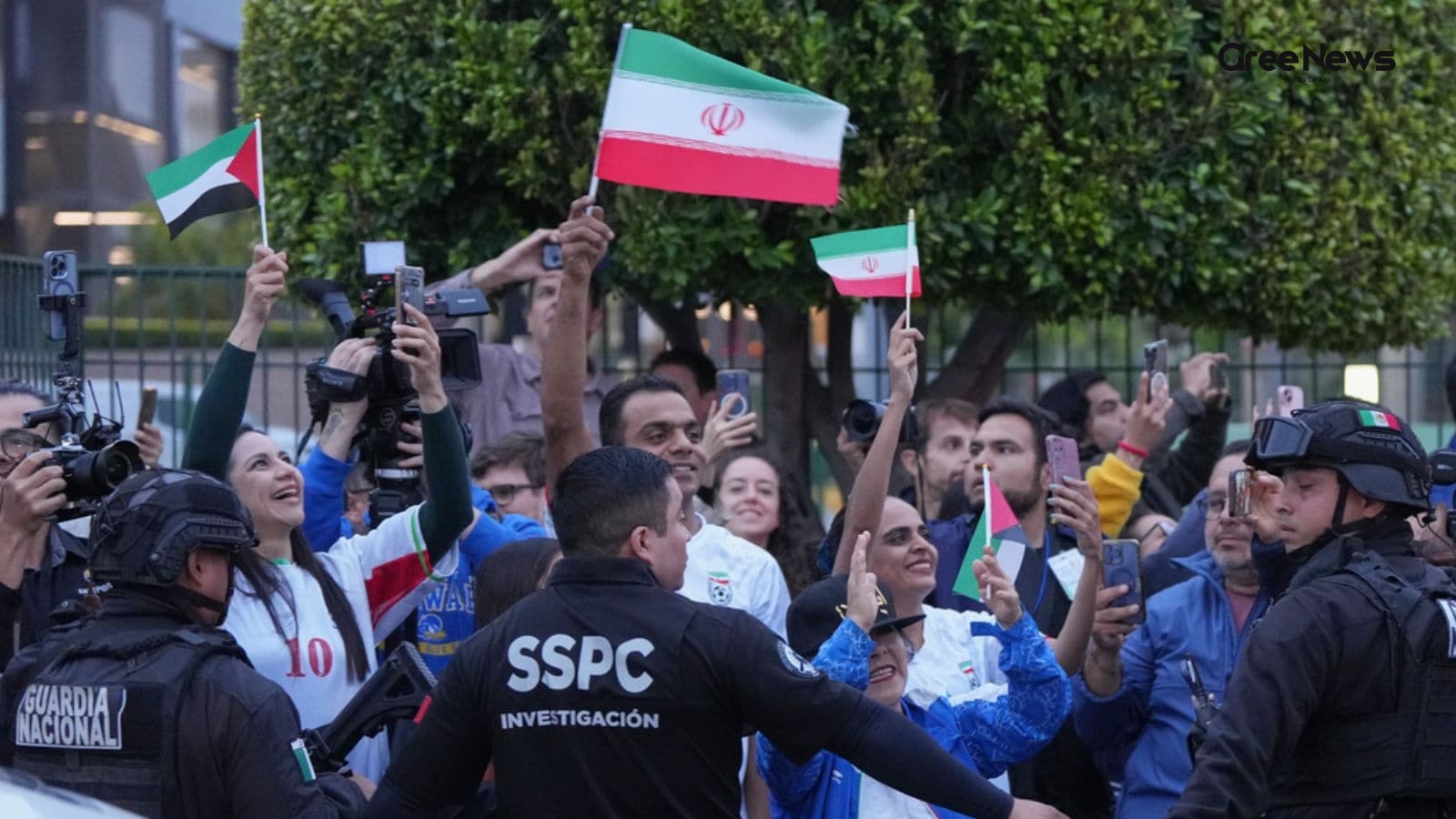
Iran Football Team Travel and World Cup Arrangements
Iran’s football team is heading to Los Angeles, apparently. They announced Tuesday that they'll be flying there the day before their first group-stage game against New Zealand. It feels like a lot happening all at once. But where exactly will they be staying? They won't actually be in L.A. for long.
Jun 10, 2026 by Gree News Team

The Impact of Gen AI on Job Applications and Hiring Strategies
When you start looking for a job, everyone builds this whole structure: the résumé, that killer cover letter, tailoring it perfectly. The whole point was always that application could make you jump out from the crowd of hundreds of applicants. But honestly? Recruiters are starting to think that play
Jun 10, 2026 by Gree News Team
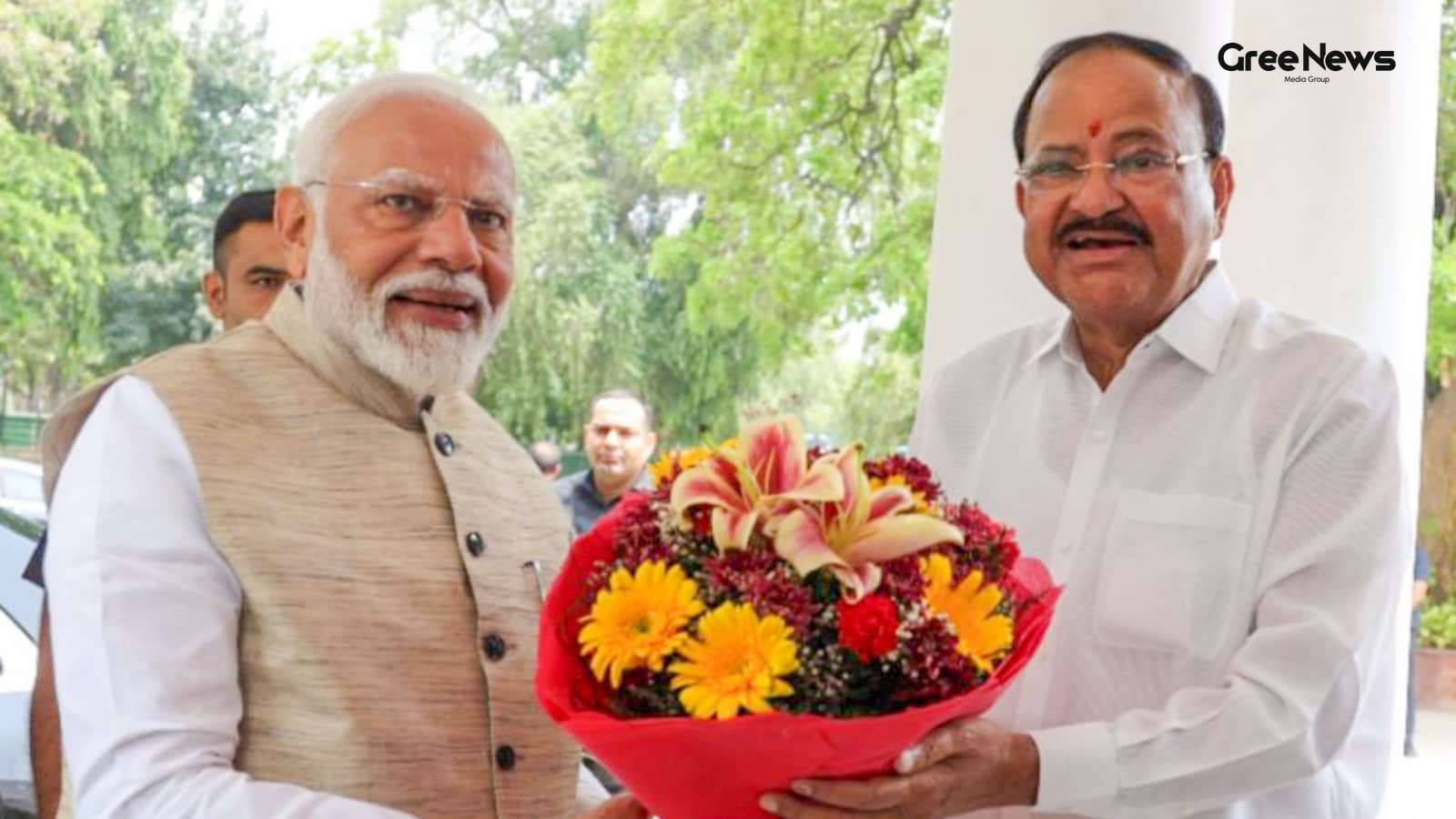
Narendra Modi's Milestone: India's Longest-Serving Prime Minister
Narendra Modi just hit a huge milestone. India’s longest-serving elected Prime Minister. Forty-three hundred ninety-nine days in office now. That beats Nehru's record, which was the first one. Former Vice President Venkaiah Naidu spoke about it. He praised the leadership and everything Modi has done
Jun 10, 2026 by Gree News Team