The Impact of Modi's Tenure: A Decade of Welfare and Digital Transformation
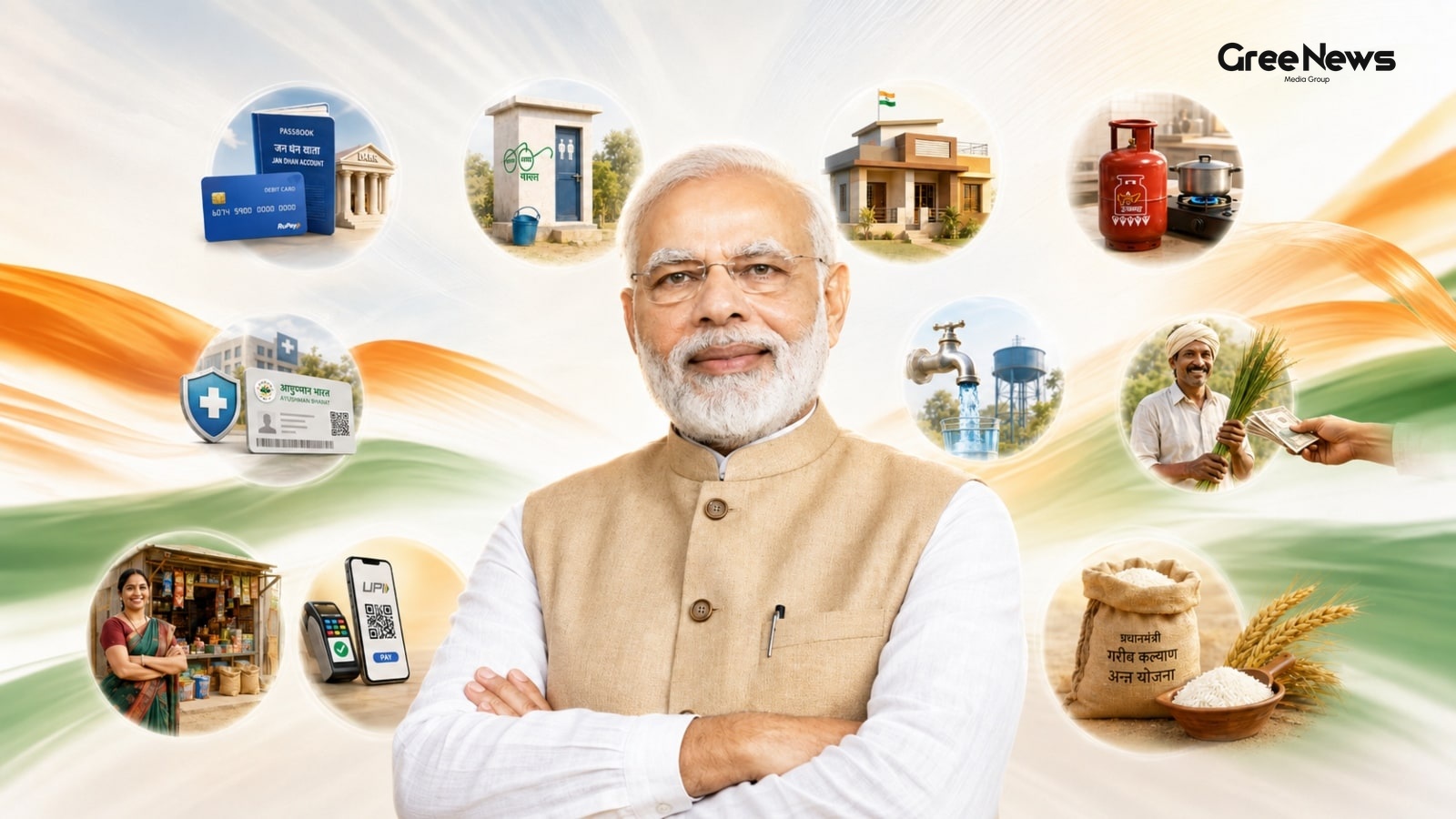
Modi just hit a massive political marker this week. Twelve years in power now. That’s after 4,399 days continuously serving as Prime Minister. And he's officially surpassed Nehru’s tenure in terms of elected time. It feels like a huge shift.
This whole period has been defined by trying to deliver welfare. That became the core of how the Modi government operated. You see it everywhere now bank accounts, toilets, LPG cylinders, health cover, even tap water and digital payments. These are all things that have fundamentally changed how millions of Indians access basic necessities since 2014.
We’re talking about real changes happening on the ground. Not just policy papers.
Financial Inclusion and Banking
Take the Pradhan Mantri Jan Dhan Yojana , for instance. Launched back in August 2014, it started with giving every unbanked adult a basic bank account. It became the bedrock of their financial inclusion push. What they got was more than just an account. Free RuPay cards, an accident insurance cover of two lakh rupees, and access to overdrafts up to ten thousand rupees. Millions finally getting into the formal banking system, some emergency support right there.
And the numbers are staggering. Over 58.3 crore accounts opened under that scheme. And think about the money sitting there over three lakh crore in balances. Plus, those Bank Mitras, the 13.55 lakh bank branches, they really helped push services into the villages.
But it wasn't just opening accounts. The real kicker for Jan Dhan was creating a base. It allowed direct benefit transfers to flow straight to people. Subsidies and welfare payments could actually reach beneficiaries directly. This proved critical during the worst parts of the Covid-19 pandemic.
Sanitation and Rural Development
Then there’s the Swachh Bharat Mission . Launched in October 2014 as a cleanliness drive, but its biggest footprint wasn't in cities. It was inside rural homes. For millions of women, building those household toilets meant ending that daily indignity and safety risk of open defecation. Suddenly, they had privacy. No more waiting until dawn or after dark to step outside. Sanitation became tied directly to public health and gender dignity.
They built over twelve crore toilets under the Grameen mission alone. And you see it in the districts too 753 declared ODF+. That means not just building toilets, but managing waste properly now. It pushed village systems. More than five lakh villages got solid waste management sorted out, and liquid waste arrangements for another five lakh. A real shift from just toilets to handling everything that comes out of the house.
Housing and Clean Energy
Housing was another massive focus. The Pradhan Mantri Awas Yojana , split between rural (PMAY-Gramin) and urban arms, aimed squarely at affordable homes. It was about moving families out of those shaky kutcha houses into proper pucca homes with real amenities. For many people, it wasn't just a roof; it became an asset.
The targets are being hit, though. PMAY-G aimed for 4.95 crore rural houses. As of late 2025 estimates, 2.82 crore were completed out of the allocated amount. And in urban areas, they’ve sanctioned and completed nearly a hundred and twenty-five lakh units so far.
And then there was clean energy. The Pradhan Mantri Ujjwala Yojana kicked off in May 2016. It started by aiming for five crore low-income families to get LPG connections. Before this? People relied on firewood or cow-dung cakes, meaning women spent hours just collecting fuel and breathing smoke indoors every single day. Now, things are changing. As of July 2025, over ten crore LPG connections have been provided. And the story is that women are saving time two to three hours daily that used to be wasted gathering fuel.
Health and Water Infrastructure
Health coverage followed a similar trajectory. Ayushman Bharat PM-JAY , launched in September 2018, is huge. It’s one of the biggest healthcare pushes. It gives eligible families free hospital treatment up to five lakh rupees annually. This stops people from drowning in debt when they face serious illness or surgery. They've authorized over ten crore hospital admissions through this system, linking benefits directly to cards for over forty-four crore Ayushman cards.
Then there’s water. The Jal Jeevan Mission started in 2019. It tackled that basic daily burden fetching water. Piped connections straight into rural homes. Before the mission began, only about sixteen percent of rural households had tap water access. Now? That number has jumped significantly. They’ve provided connections to over twelve and a half crore additional rural households. We're looking at coverage hitting nearly eighty-two percent across those villages.
Digital Transformation
Digital India really defined this decade, didn't it? It wasn't just about infrastructure; it was about shifting how things moved. UPI is probably the most visible part of that transformation. It’s what made digital payments seamless everywhere. NPCI data shows it processed nearly twenty-three billion transactions in May 2026, worth almost thirty lakh crore rupees. From street vendors to big malls, QR codes are just part of daily life now.
DigiLocker also played a role there. It simplified accessing official documents. As of March 2026, it had over sixty-seven crore users. That means nearly nine hundred and fifty crore documents have been issued through that platform alone.
All these systems bank accounts linked to Aadhaar, digital payments they work together now. They create the infrastructure for welfare delivery. Subsidies don't just sit in a government file anymore; they can flow much more directly into people’s hands.
Farmer and Business Support
And on the farmer side? PM-KISAN provides direct income support. Rs 6,000 is transferred yearly to eligible farmers’ accounts. For small and marginal folks, that money helps cover those seasonal expenses seeds, fertilizer, or just household needs. The government graphic showed that over four lakh crore rupees have been moved under this scheme alone. It bypasses a lot of middlemen.
There's also the Mudra Yojana for smaller businesses. This was designed to give collateral-free loans to micro and small entrepreneurs. Tailors, food stalls, mobile repair shops anyone wanting to start or grow something got access. Forty lakh crore worth of these Mudra loans have been provided. It’s about self-employment, giving people the capital they need to get started without needing big business networks lined up first.
And during the pandemic, there was the PM Garib Kalyan Anna Yojana. Free foodgrain support came into sharp focus then. It was a vital safety net for poor households when things got really tight economically. The Centre extended this for five years starting in 2024, providing free grains to about eighty-one crore beneficiaries. Priority households got five kilos per person monthly, while others received thirty-five kilos under the Antyodaya scheme.
It's a lot of moving parts, really. A decade defined by trying to put concrete things into people’s hands. From water pipes and clean fuel to digital money and direct income it’s all tangled up in these massive schemes.
Written by Gree News Team — Senior Editorial Board
Gree News Team covers international news and global affairs at Gree News. Our collective of senior editors is dedicated to providing independent, accurate, and responsible journalism for a global audience.
More from India
View All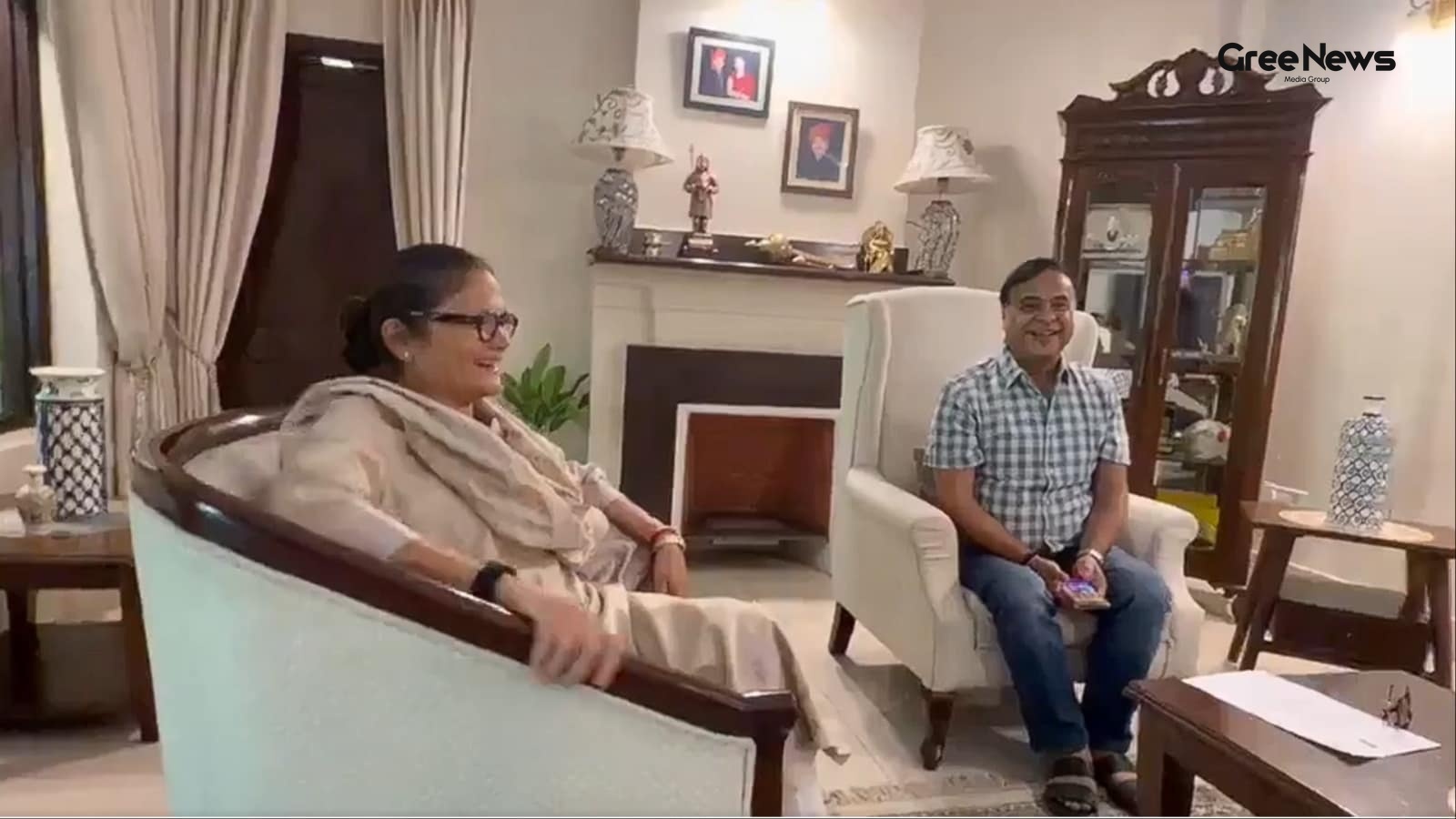
Political Speculation and Internal Turmoil within the TMC
Fresh visuals surfaced of Sushmita Dev meeting Assam Chief Minister Himanta Biswa Sarma. That kind of thing just kicks the speculation into high gear about her next move. It’s all about her potential entry into the BJP, right? This happened right after she stepped down from Rajya Sabha and walked ou
Jun 10, 2026 by Gree News Team
Threats and Intimidation Against Former Judge Justice Gautam Patel
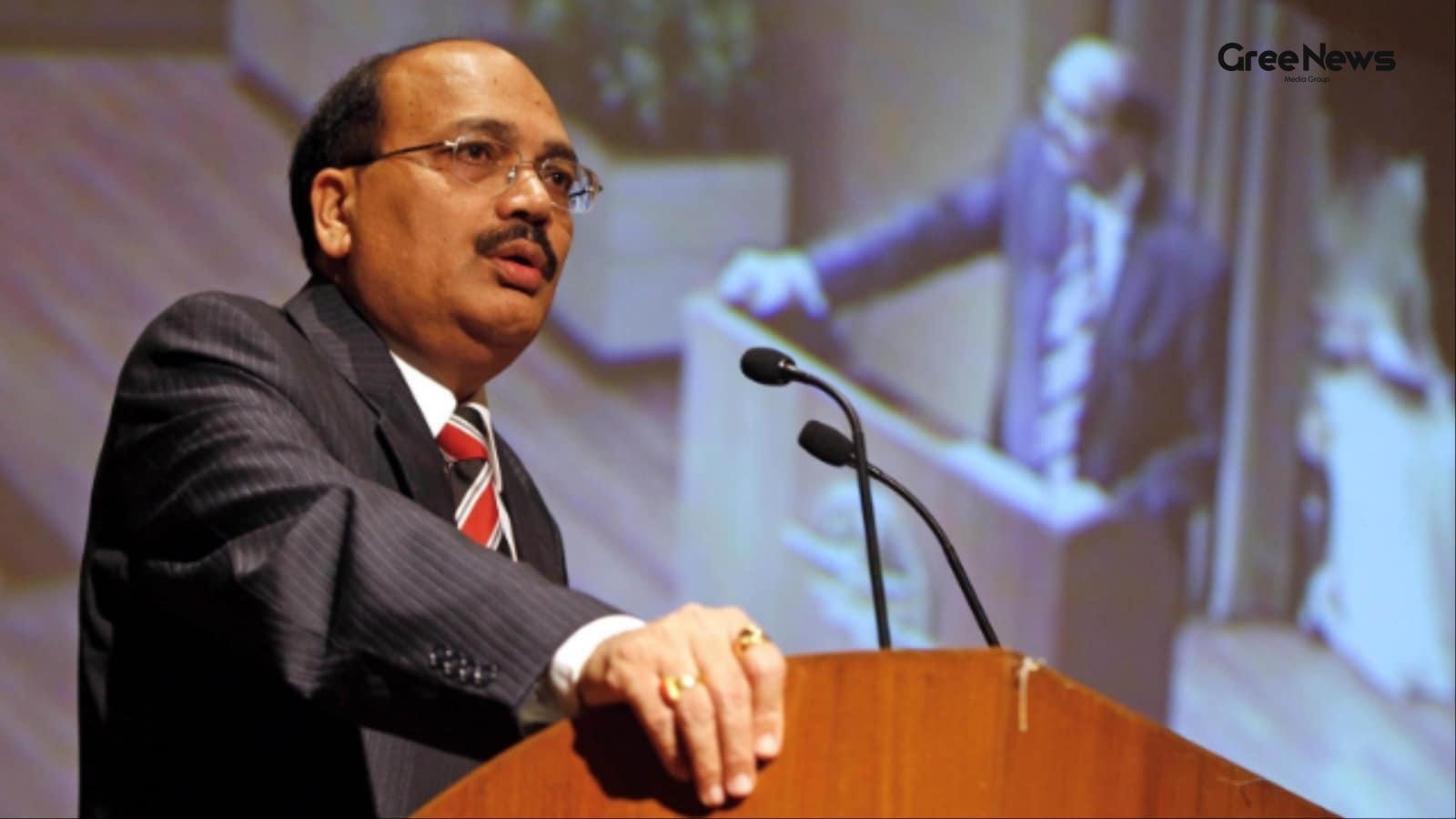
Chief Justice Surya Kant stepped in on the matter involving threats and intimidation aimed at former Bombay High Court judge Justice Gautam Patel. This happened while he was visiting the UK, raising the issue with India’s High Commissioner there. It came out of a report by The Times of India. The wh
Jun 10, 2026 by Gree News Team
The Political Feud: Shivakumar vs. Kumaraswamy and the Vokkaliga Rivalry
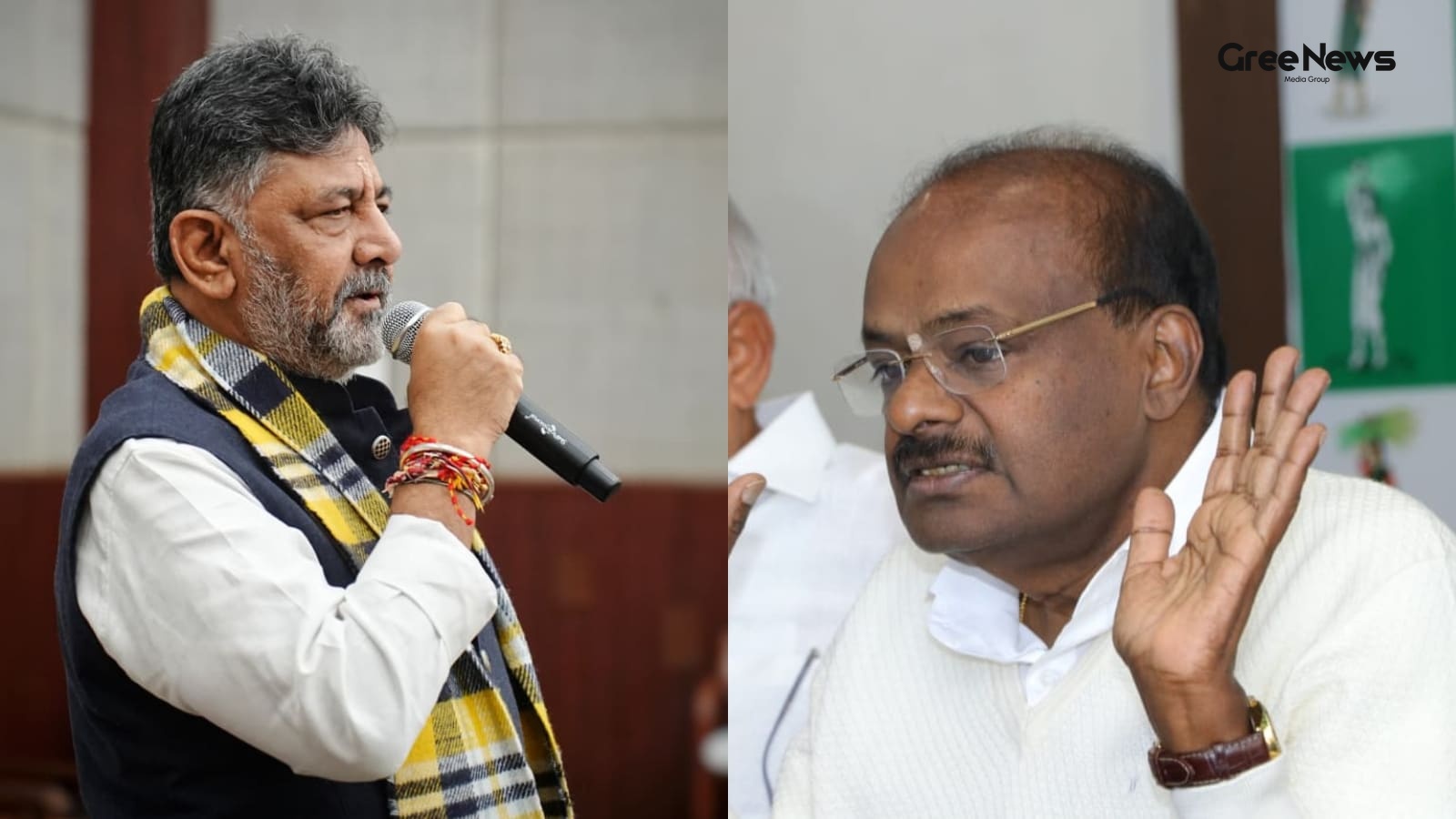
A meeting that hasn't even happened is already sparking political sparring. Karnataka Chief Minister DK Shivakumar and Union Minister HD Kumaraswamy. It just underlines how bitter one of the state’s longest-running rivalries still is. Shivakumar was doing some outreach, a carefully choreographed exe
Jun 10, 2026 by Gree News Team
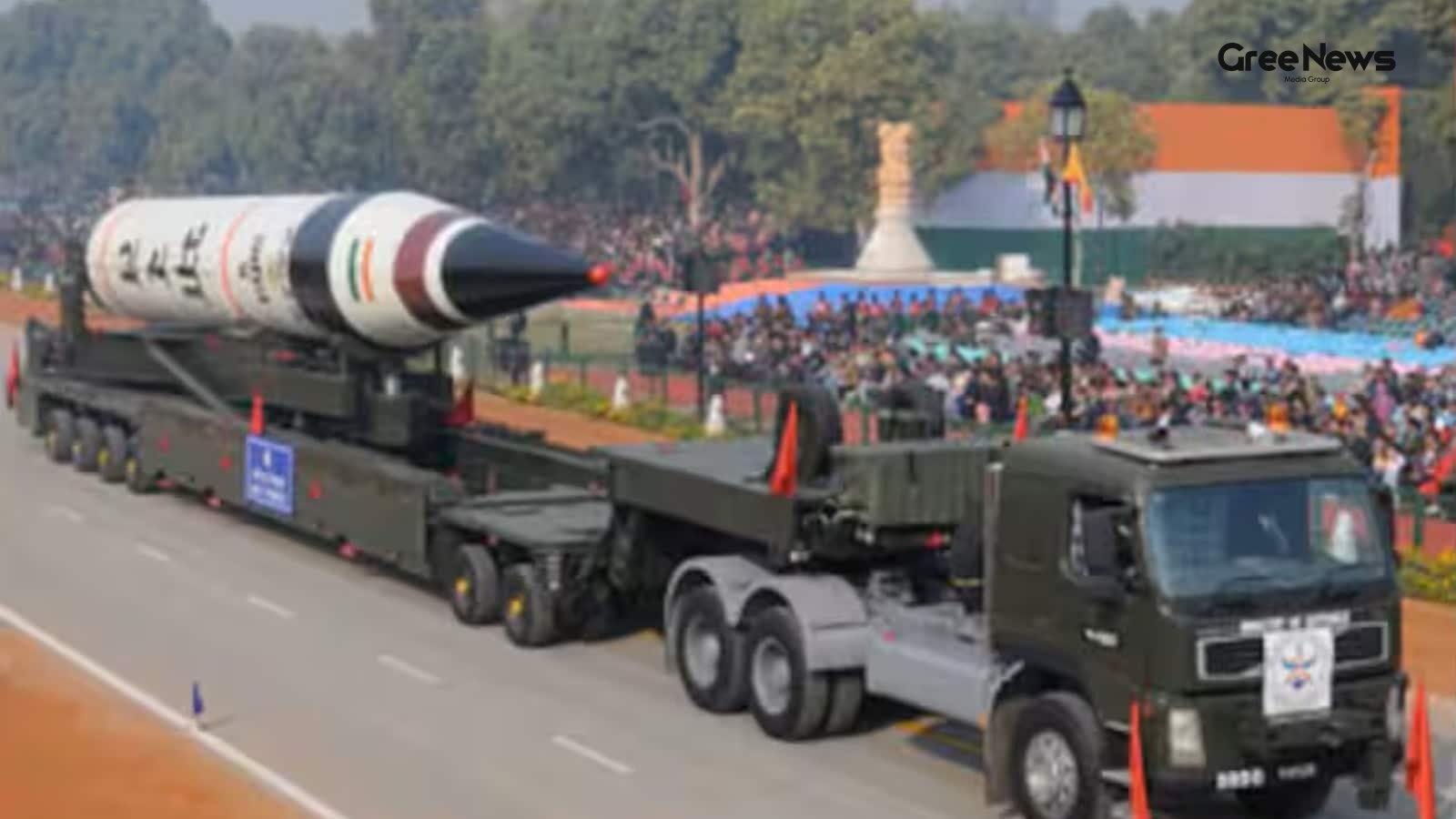
The Global Nuclear Arms Race: Spending, Capabilities, and Future Risks
Nearly eight decades since Hiroshima and Nagasaki. And the world’s nuclear powers aren't slowing down. They keep spending more, modernizing faster, and experts are watching them move weapons out of storage and into potential use. It’s a real arms race happening right now. The nine states that hold n
Jun 10, 2026 by Gree News Team
Latest Headlines
Political Speculation and Internal Turmoil within the TMC
Fresh visuals surfaced of Sushmita Dev meeting Assam Chief Minister Himanta Biswa Sarma. That kind of thing just kicks the speculation into high gear about her next move. It’s all about her potential entry into the BJP, right? This happened right after she stepped down from Rajya Sabha and walked ou
Jun 10, 2026 by Gree News Team

FIFA World Cup 2026: Structure, Geography, and the Official Match Ball
The FIFA World Cup 2026 is really starting to feel imminent now. It’s heading toward North America the USA, Mexico, and Canada are slated to host this massive global spectacle. People are talking about it constantly. It’s not just a standard tournament anymore. This time around, they’re throwing way
Jun 10, 2026 by Gree News Team

Lionel Messi and Argentina's World Cup Journey in Group J
Argentina’s taking on Group J in this new setup USA, Mexico, and Canada it feels like more than just football now. It’s about that farewell, isn't it? Lionel Messi is chasing something special right now, playing out this final chapter with the Albiceleste against Algeria, Austria, and Jordan. There’
Jun 10, 2026 by Gree News Team
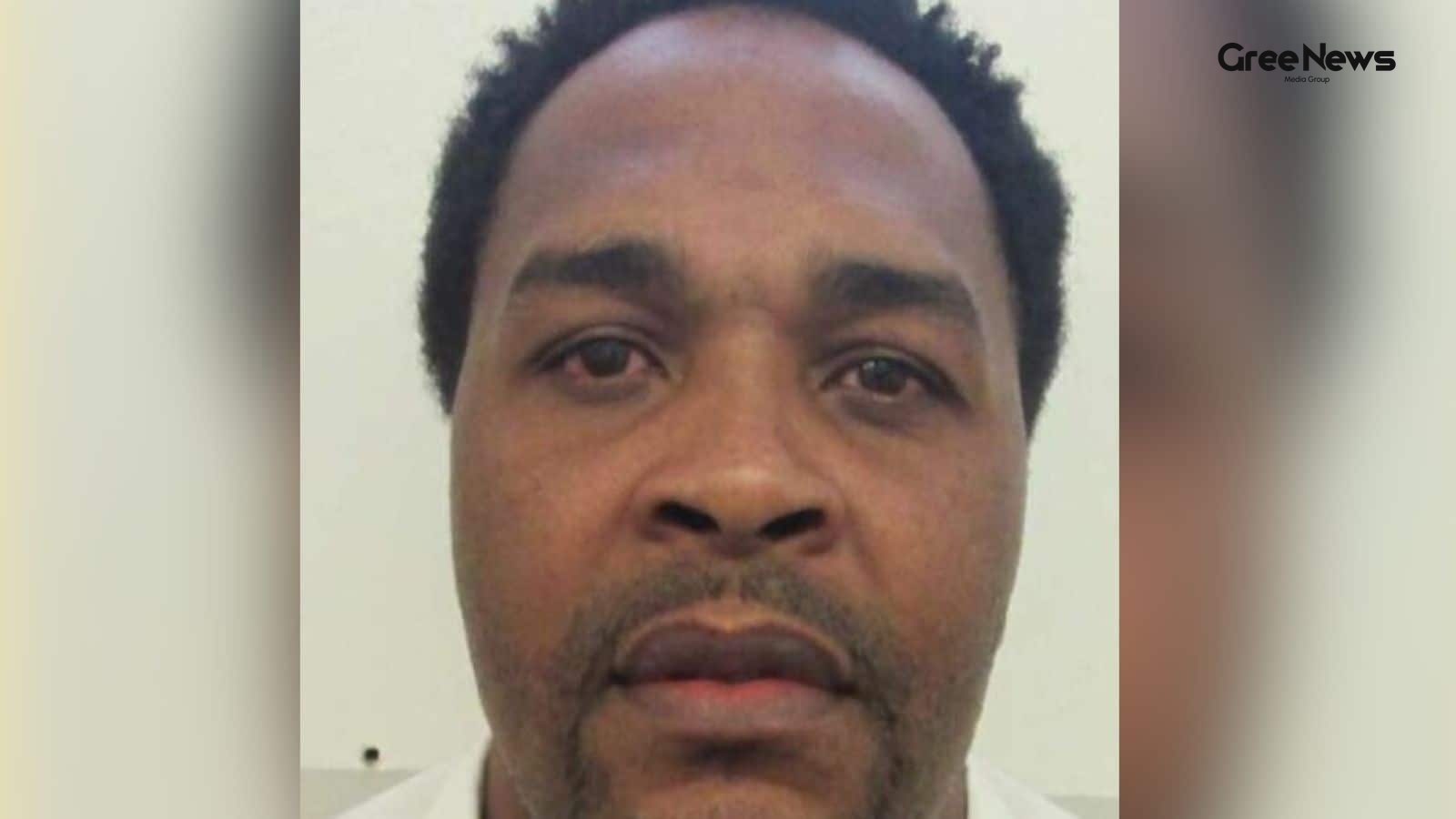
Federal Judge Bars Nitrogen Gas Execution in Alabama
A federal judge just slammed the door shut on Alabama’s plan to use nitrogen gas for executing Jeffery Lee. Permanently barred it, ruling the method violated basic constitutional rights about cruel and unusual punishment. This decision dropped like a stone. It came just one day after an appeals cour
Jun 10, 2026 by Gree News Team
Kerala Board Plus One Results 2026 Announcement and Checking Methods
The Kerala Board Plus One results for 2026 are finally coming today, June 10th. That’s when the Directorate of Higher Secondary Education will officially announce everything. Students who took the DHSE Kerala Class 11 exams in 2026 can start checking their scores now. You have a few places to look,
Jun 10, 2026 by Gree News Team
Threats and Intimidation Against Former Judge Justice Gautam Patel
Chief Justice Surya Kant stepped in on the matter involving threats and intimidation aimed at former Bombay High Court judge Justice Gautam Patel. This happened while he was visiting the UK, raising the issue with India’s High Commissioner there. It came out of a report by The Times of India. The wh
Jun 10, 2026 by Gree News Team
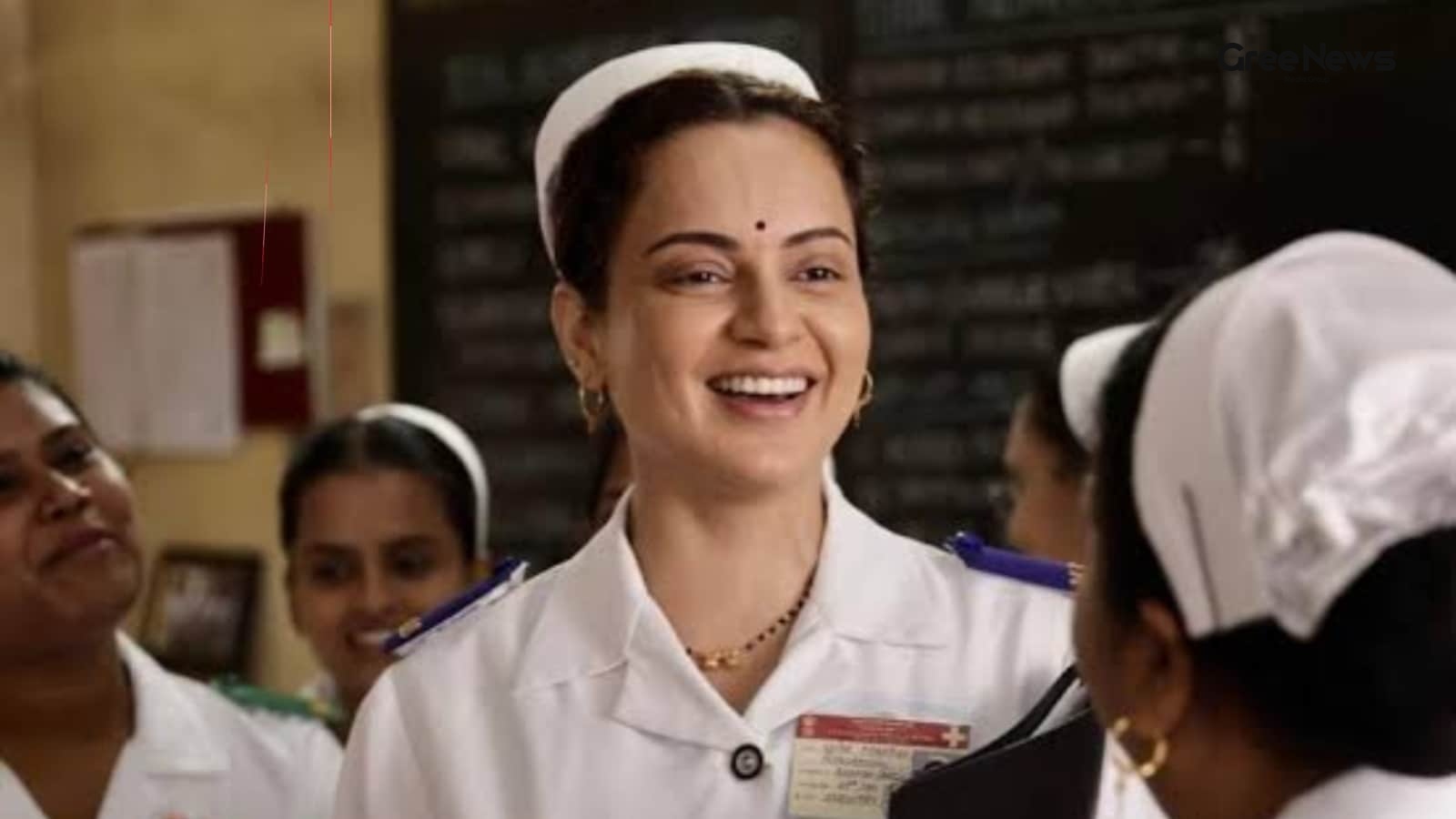
Intersection of Art, Politics, and Public Morality at Film Screening
The buzz around the screening for ‘Bharat Bhhagya Viddhaata’ was definitely something special that Tuesday evening in Delhi. It wasn't just about watching a movie; it felt like a convergence a mix of film fans, some political heavyweights, and a surprising amount of high-level government presence. P
Jun 10, 2026 by Gree News Team
The Political Feud: Shivakumar vs. Kumaraswamy and the Vokkaliga Rivalry
A meeting that hasn't even happened is already sparking political sparring. Karnataka Chief Minister DK Shivakumar and Union Minister HD Kumaraswamy. It just underlines how bitter one of the state’s longest-running rivalries still is. Shivakumar was doing some outreach, a carefully choreographed exe
Jun 10, 2026 by Gree News Team
Protest and Political Standoff in Mexico City Before the World Cup
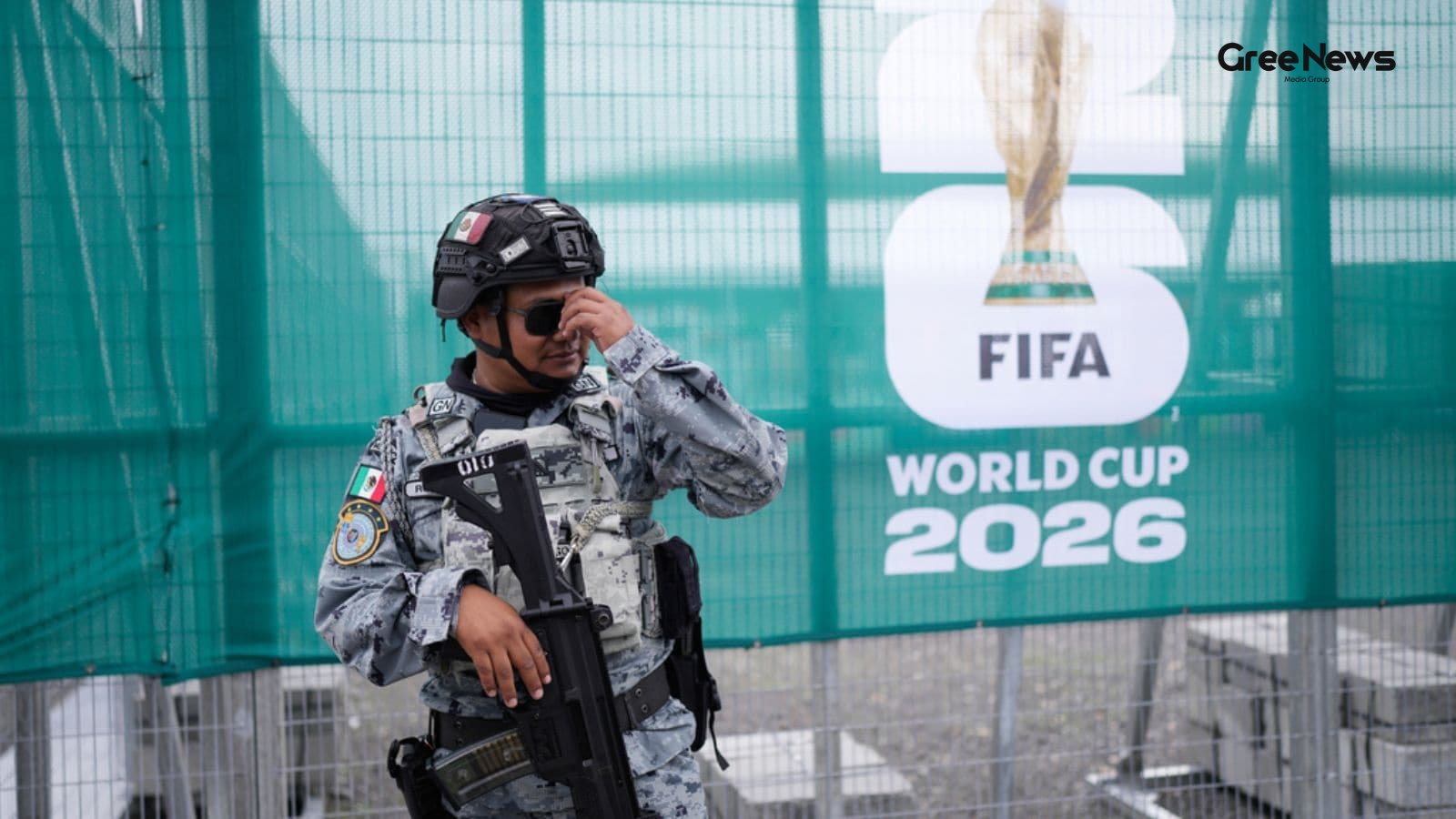
A protest choked off an avenue leading right to Mexico City’s Azteca Stadium for hours on Tuesday. It was just days before that massive World Cup opening match. As football fans started flooding in, all those co-hosts the US, Canada, and Mexico you see the real mess happening back home. Thousands of
Jun 10, 2026 by Gree News Team
The Global Nuclear Arms Race: Spending, Capabilities, and Future Risks
Nearly eight decades since Hiroshima and Nagasaki. And the world’s nuclear powers aren't slowing down. They keep spending more, modernizing faster, and experts are watching them move weapons out of storage and into potential use. It’s a real arms race happening right now. The nine states that hold n
Jun 10, 2026 by Gree News Team
The Chaos of Cinema: Volume, Competition, and the Shifting Market
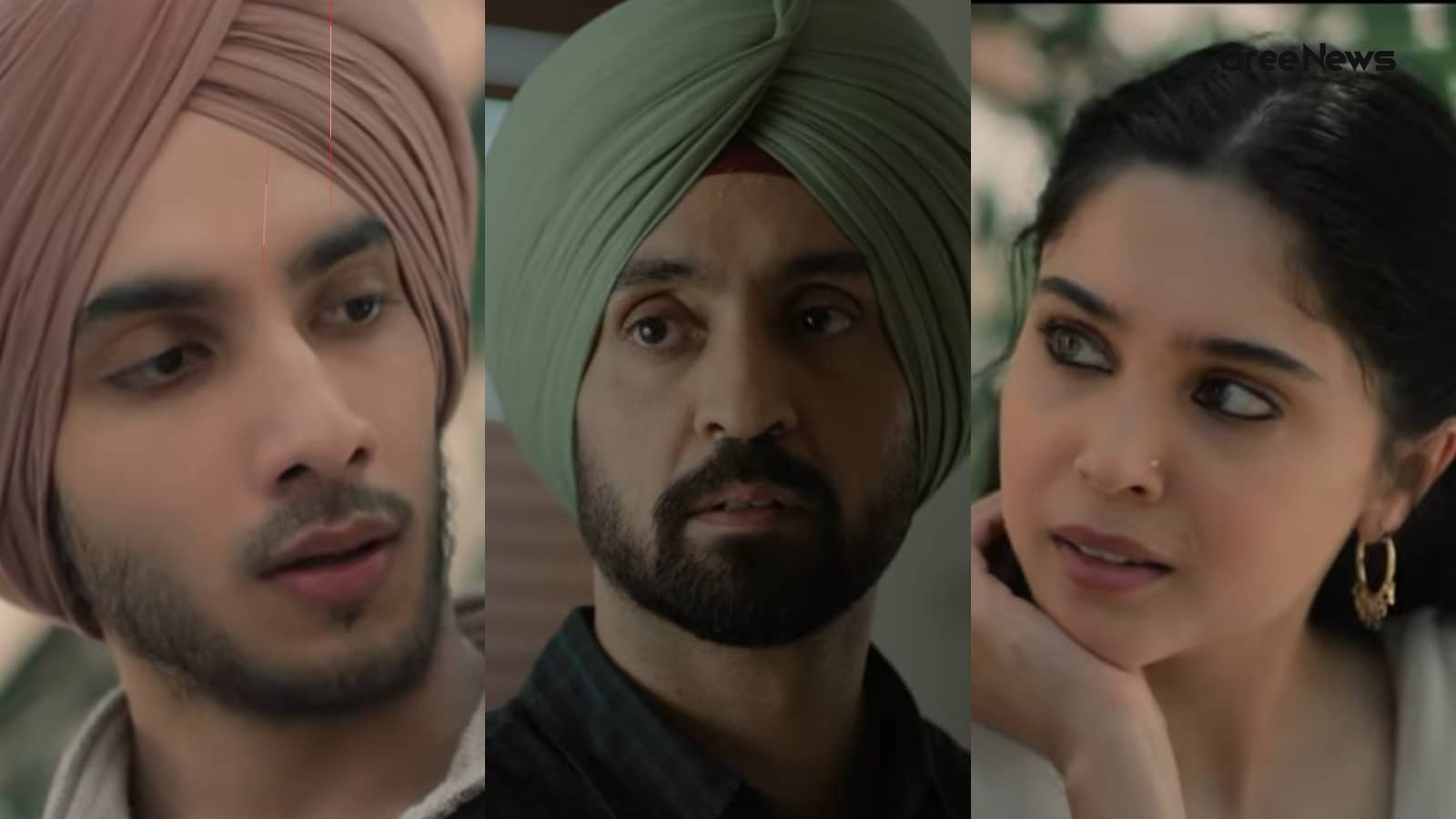
The Friday arrived packed. June 12th. It wasn't just another day; it was a collision of cinema. Nine films, all hitting the screens at once. *Main Vaapas Aaunga*, Imtiaz Ali’s directorial effort. Then you had Kangana Ranaut’s *Bharat Bhhagya Vidhaata*. And the horror mixed in Vikram Bhatt’s *Haunted
Jun 10, 2026 by Gree News Team

Stock Market Updates: June 10th Performance and Sector Analysis
Stock market updates today, June 10th. Everything turned sour in late trading Wednesday. Domestic equity markets basically gave up all those gains they managed to hold during the day. Heavy selling hit midcap, smallcap stocks, plus metals, realty, and financial names dragging the main indices into n
Jun 10, 2026 by Gree News Team

Iran Football Team Travel and World Cup Arrangements
Iran’s football team is heading to Los Angeles, apparently. They announced Tuesday that they'll be flying there the day before their first group-stage game against New Zealand. It feels like a lot happening all at once. But where exactly will they be staying? They won't actually be in L.A. for long.
Jun 10, 2026 by Gree News Team
The Impact of Gen AI on Job Applications and Hiring Strategies
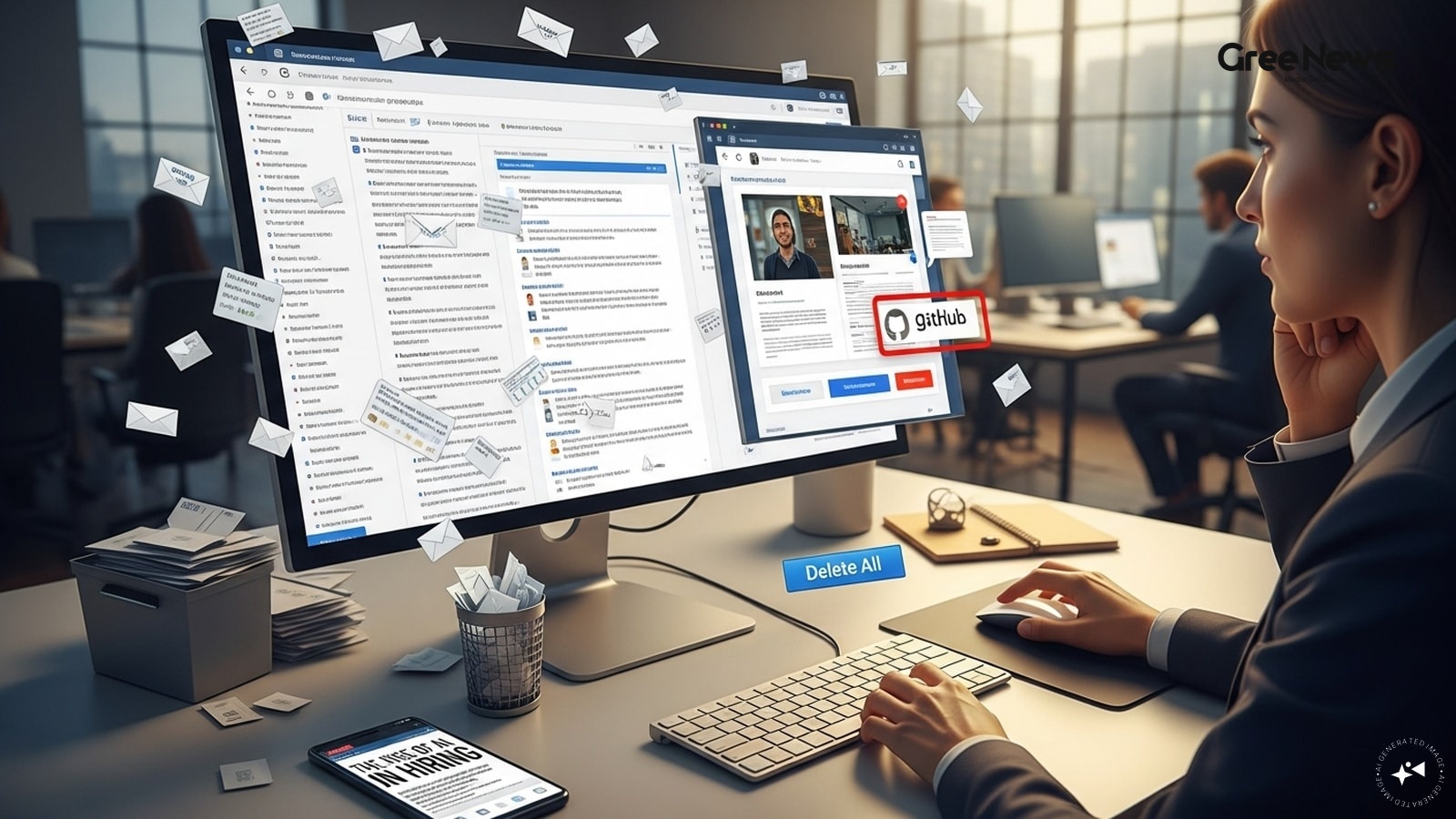
When you start looking for a job, everyone builds this whole structure: the résumé, that killer cover letter, tailoring it perfectly. The whole point was always that application could make you jump out from the crowd of hundreds of applicants. But honestly? Recruiters are starting to think that play
Jun 10, 2026 by Gree News Team
Narendra Modi's Milestone: India's Longest-Serving Prime Minister
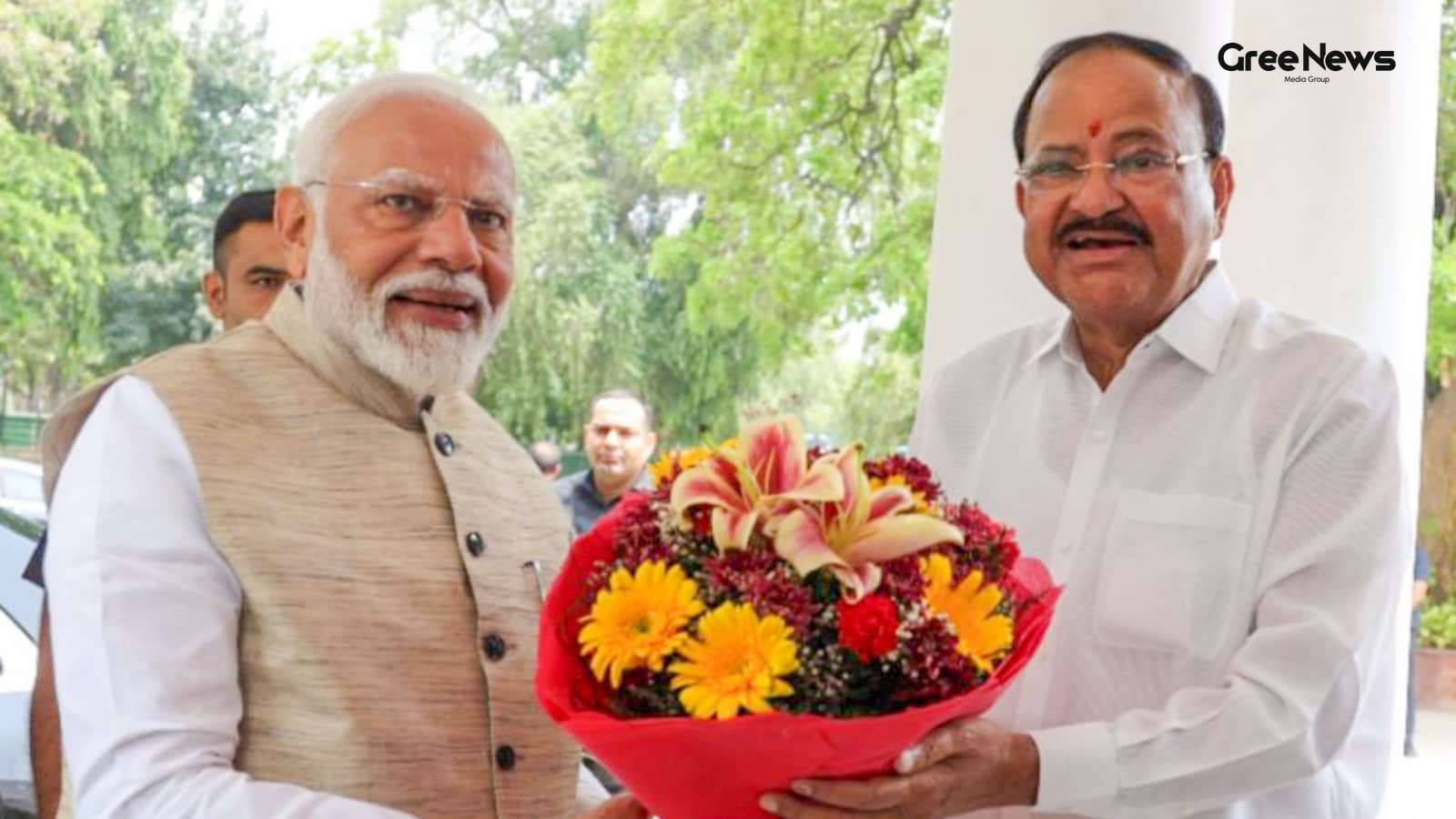
Narendra Modi just hit a huge milestone. India’s longest-serving elected Prime Minister. Forty-three hundred ninety-nine days in office now. That beats Nehru's record, which was the first one. Former Vice President Venkaiah Naidu spoke about it. He praised the leadership and everything Modi has done
Jun 10, 2026 by Gree News Team