The Impact of Gen AI on Job Applications and Hiring Strategies
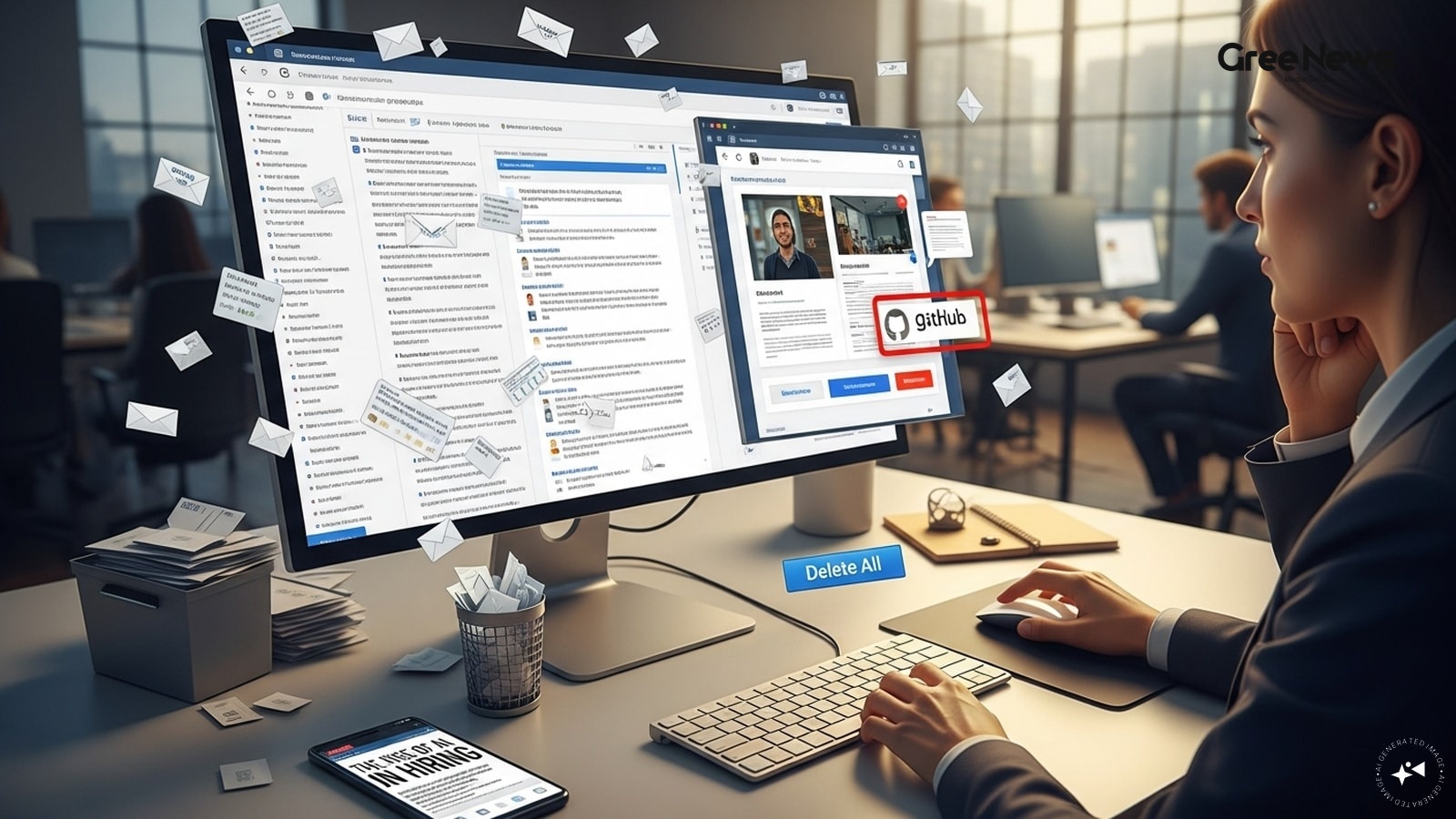
When you start looking for a job, everyone builds this whole structure: the résumé, that killer cover letter, tailoring it perfectly. The whole point was always that application could make you jump out from the crowd of hundreds of applicants. But honestly? Recruiters are starting to think that playbook just doesn't work anymore.
The big shift is Gen AI . Generative artificial intelligence has completely flipped how people apply for jobs and how companies actually hire now. Suddenly, folks are using tools like ChatGPT, Gemini, Claude to whip up polished cover letters, custom résumés, even interview answers in minutes flat. It’s happened so fast.
Initially, this felt good for candidates. You could submit something much stronger. But employers? They’re pulling back on the importance of those cover letters. They care way more about what you can actually show . Portfolios, skill tests, references, GitHub profiles, actual work samples, live problem-solving exercises that stuff is getting the focus.
Why are we seeing this move away from the letter? It used to be a hiring signal. A way for an employer to gauge communication skills, motivation, maybe even cultural fit. You could stand out by showing you did the research. But now, that’s changed. AI just made it too easy.
Some studies, like the research cited by Knowledge at Wharton, showed that those initial AI-generated letters actually improved application quality and got more interviews. But that value evaporated fast once these tools became common. The signal lost its punch.
The core issue is volume now. If everyone can generate a professional-looking letter in minutes, it stops being a differentiator on its own. That’s the reality. Firms like Google, Amazon, Cisco, McKinsey they’ve all started treating cover letters as less important central pieces of the process.
Ankush Sabharwal, CEO of CoRover.ai, put it plainly. He said the letter hasn't died. It’s just been devalued by sheer volume. The real reaction isn't about using the AI itself. It’s that everyone is flooding the system with things that look too similar. The problem isn't the tool; it's the unedited output.
The way this has changed recruitment feels massive. Applying for a job just got easier, maybe too easy. You can now use AI to overhaul your résumé for a specific role, craft a custom pitch, optimize keywords for those tracking systems, even prep interview responses. What used to take hours? Now it’s minutes.
But that ease creates an avalanche of applications for hiring managers. They get hundreds, sometimes thousands, of highly polished, customized submissions. And then comes the interviews. Often, they discover a mismatch. The candidate sounds great on paper, but their actual skills don't line up with the sophistication of the application.
LinkedIn CEO Ryan Roslansky recently put it in perspective, giving cover letters a "D" grade. He argued that employers now want candidates to show what they can do instead of just describing themselves. They aren’t asking if you can write an application; they're asking if you can actually do the job.
This shift is structural, not just some cosmetic tweak. AI handles screening, scheduling, predicting fit at scale. That frees up recruiters for coaching and closing deals. And look at the numbers AI use in HR tasks climbed to 43% by 2026, up from 26% back in 2024. It’s a structural change. But there's this second layer of effect: AI just poured into the top of the funnel.
So what are companies looking at instead? They're ditching those traditional documents because they lack real credibility now. In tech, that means looking deep into GitHub repositories and coding portfolios. A candidate who built an app or contributed to open-source software has a huge edge over someone with just a nice letter.
Consulting firms and big corporations are leaning hard on case studies. Simulations. Real problem-solving exercises. They want to test skills directly, often doing behavioral assessments early in the hiring pipeline. Referrals also matter more now. A recommendation from someone you actually worked with is something much harder to fake than a cover letter.
Video portfolios are starting to pop up too. People are using personal websites, LinkedIn content, project showcases stuff that actively demonstrates expertise and communication rather than just stating it.
Sabharwal pointed out the disconnect perfectly. The old idea was that writing a good application meant you were clear, put in effort, self-aware. That created a link between writing well and capability. AI broke that connection. Now anyone can produce convincing text. That measure stopped being reliable. Companies hiring effectively in this new era use AI to cut down on the administrative headache, but they still rely heavily on human judgment about motivation and true alignment.
This brings us to students, especially those in India. Government estimates show over 1.5 million engineering graduates entering the workforce every year, plus thousands of MBA grads, data analysts the competition is intense for entry-level roles.
Students are using AI tools fine for polishing documents. But if recruiters ignore those documents now? Graduates need to adjust their strategy. Engineering students might need way beefier project portfolios. MBA candidates have to prove business acumen through internships and case competitions. Freshers in IT or consulting better focus on technical assessments and live interviews, not just written applications.
That traditional route of mass application submitting hundreds of things might just become less effective if the hiring side relies more on proven skills than on paper trails.
There’s a subtle divide forming here too. It might not be about who uses AI and who doesn't. It could be about those who can actually demonstrate tangible skills versus those who can only describe them nicely.
AI is great at writing words. It cannot fake a successful project, a coding repository, or the genuine ability to solve a complex problem in a live interview setting. That’s the gap.
This has real implications for students from smaller colleges. They might have fewer established networking connections. If referrals gain more weight and they do access to those professional networks becomes an even bigger factor in who gets hired.
Digital platforms, though? They offer something different. Candidates can put their work online. Build public portfolios. Show the world what they’re capable of without relying only on formal credentials sitting on a piece of paper.
The age of just "apply and wait" is fading away. It feels like we’ve already moved into the era where the demand is, effectively, "show me what you’ve done."
Written by Gree News Team — Senior Editorial Board
Gree News Team covers international news and global affairs at Gree News. Our collective of senior editors is dedicated to providing independent, accurate, and responsible journalism for a global audience.
More from India
View All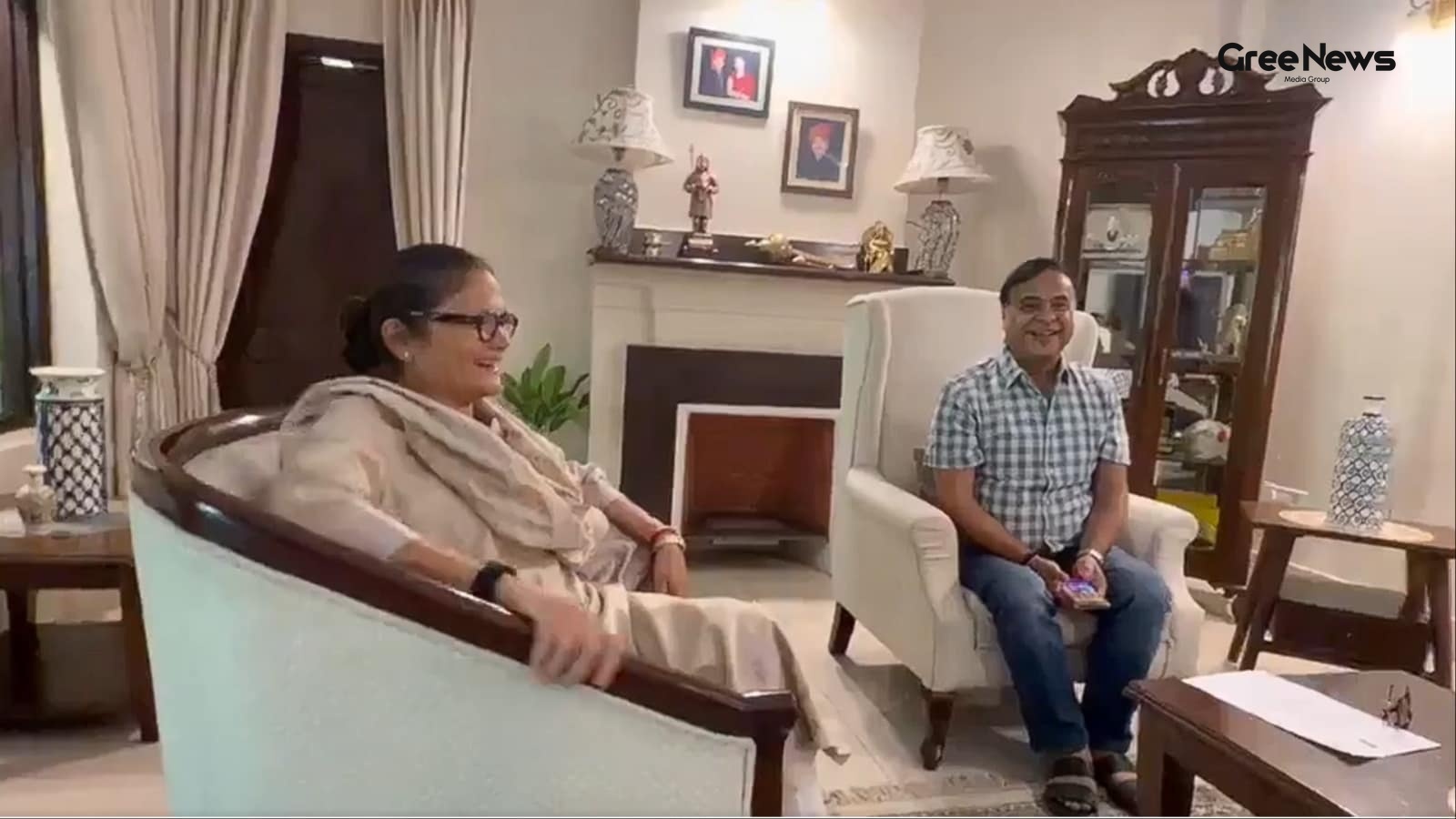
Political Speculation and Internal Turmoil within the TMC
Fresh visuals surfaced of Sushmita Dev meeting Assam Chief Minister Himanta Biswa Sarma. That kind of thing just kicks the speculation into high gear about her next move. It’s all about her potential entry into the BJP, right? This happened right after she stepped down from Rajya Sabha and walked ou
Jun 10, 2026 by Gree News Team
Threats and Intimidation Against Former Judge Justice Gautam Patel
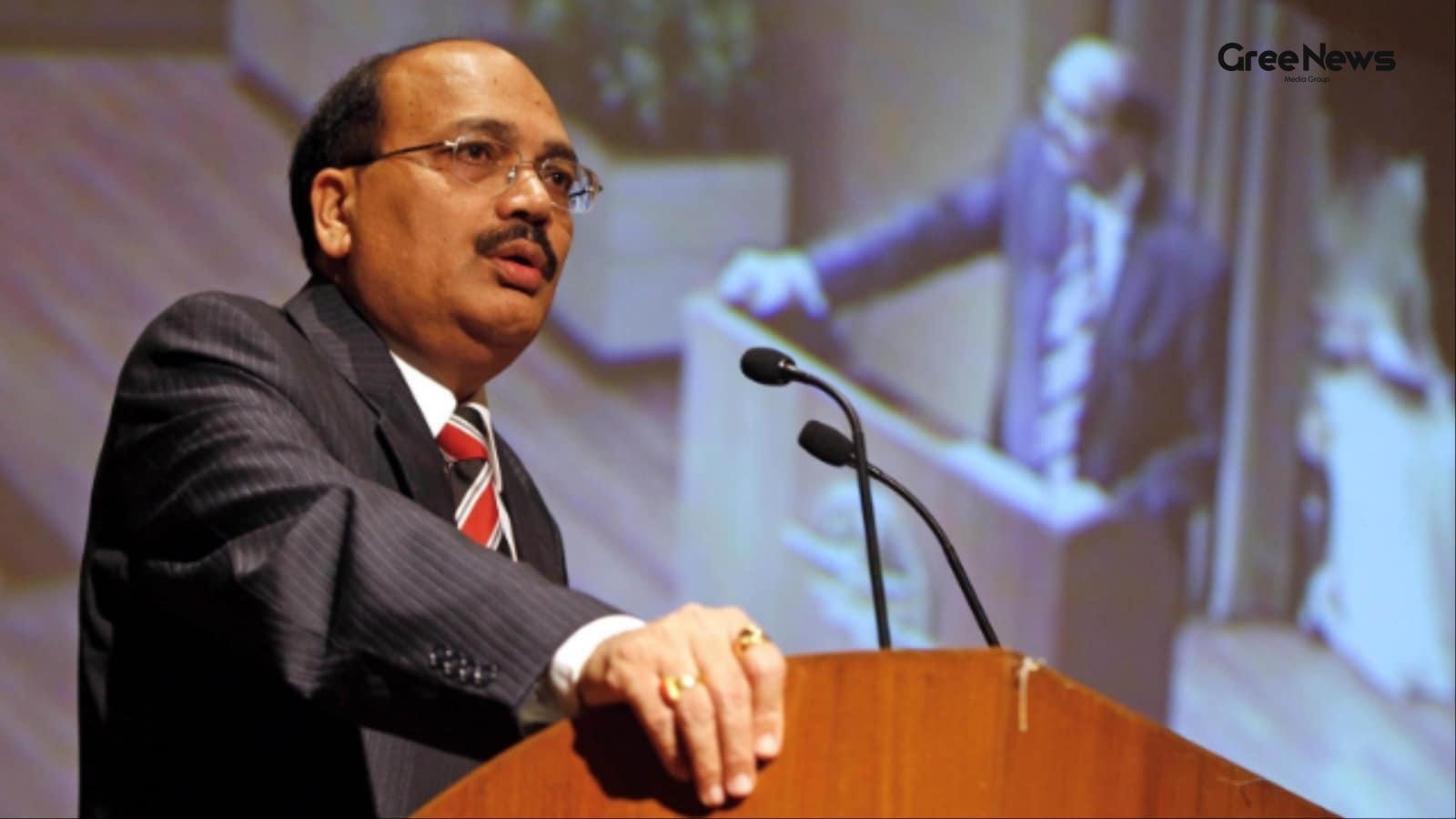
Chief Justice Surya Kant stepped in on the matter involving threats and intimidation aimed at former Bombay High Court judge Justice Gautam Patel. This happened while he was visiting the UK, raising the issue with India’s High Commissioner there. It came out of a report by The Times of India. The wh
Jun 10, 2026 by Gree News Team
The Political Feud: Shivakumar vs. Kumaraswamy and the Vokkaliga Rivalry
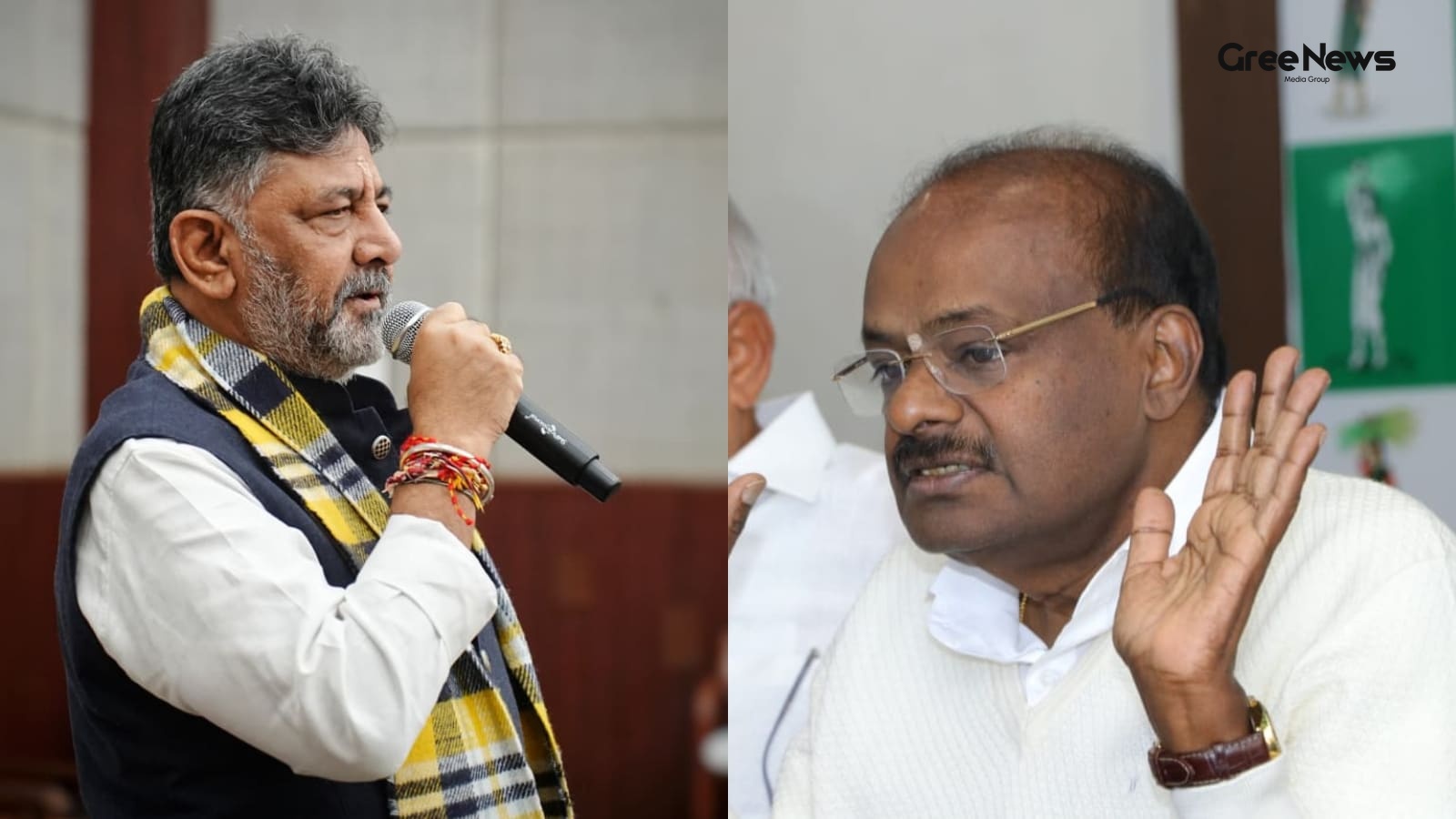
A meeting that hasn't even happened is already sparking political sparring. Karnataka Chief Minister DK Shivakumar and Union Minister HD Kumaraswamy. It just underlines how bitter one of the state’s longest-running rivalries still is. Shivakumar was doing some outreach, a carefully choreographed exe
Jun 10, 2026 by Gree News Team
The Global Nuclear Arms Race: Spending, Capabilities, and Future Risks
Nearly eight decades since Hiroshima and Nagasaki. And the world’s nuclear powers aren't slowing down. They keep spending more, modernizing faster, and experts are watching them move weapons out of storage and into potential use. It’s a real arms race happening right now. The nine states that hold n
Jun 10, 2026 by Gree News Team
Latest Headlines
Political Speculation and Internal Turmoil within the TMC
Fresh visuals surfaced of Sushmita Dev meeting Assam Chief Minister Himanta Biswa Sarma. That kind of thing just kicks the speculation into high gear about her next move. It’s all about her potential entry into the BJP, right? This happened right after she stepped down from Rajya Sabha and walked ou
Jun 10, 2026 by Gree News Team

FIFA World Cup 2026: Structure, Geography, and the Official Match Ball
The FIFA World Cup 2026 is really starting to feel imminent now. It’s heading toward North America the USA, Mexico, and Canada are slated to host this massive global spectacle. People are talking about it constantly. It’s not just a standard tournament anymore. This time around, they’re throwing way
Jun 10, 2026 by Gree News Team
Lionel Messi and Argentina's World Cup Journey in Group J
Argentina’s taking on Group J in this new setup USA, Mexico, and Canada it feels like more than just football now. It’s about that farewell, isn't it? Lionel Messi is chasing something special right now, playing out this final chapter with the Albiceleste against Algeria, Austria, and Jordan. There’
Jun 10, 2026 by Gree News Team
Federal Judge Bars Nitrogen Gas Execution in Alabama
A federal judge just slammed the door shut on Alabama’s plan to use nitrogen gas for executing Jeffery Lee. Permanently barred it, ruling the method violated basic constitutional rights about cruel and unusual punishment. This decision dropped like a stone. It came just one day after an appeals cour
Jun 10, 2026 by Gree News Team
Kerala Board Plus One Results 2026 Announcement and Checking Methods
The Kerala Board Plus One results for 2026 are finally coming today, June 10th. That’s when the Directorate of Higher Secondary Education will officially announce everything. Students who took the DHSE Kerala Class 11 exams in 2026 can start checking their scores now. You have a few places to look,
Jun 10, 2026 by Gree News Team
Threats and Intimidation Against Former Judge Justice Gautam Patel
Chief Justice Surya Kant stepped in on the matter involving threats and intimidation aimed at former Bombay High Court judge Justice Gautam Patel. This happened while he was visiting the UK, raising the issue with India’s High Commissioner there. It came out of a report by The Times of India. The wh
Jun 10, 2026 by Gree News Team

Intersection of Art, Politics, and Public Morality at Film Screening
The buzz around the screening for ‘Bharat Bhhagya Viddhaata’ was definitely something special that Tuesday evening in Delhi. It wasn't just about watching a movie; it felt like a convergence a mix of film fans, some political heavyweights, and a surprising amount of high-level government presence. P
Jun 10, 2026 by Gree News Team
The Political Feud: Shivakumar vs. Kumaraswamy and the Vokkaliga Rivalry
A meeting that hasn't even happened is already sparking political sparring. Karnataka Chief Minister DK Shivakumar and Union Minister HD Kumaraswamy. It just underlines how bitter one of the state’s longest-running rivalries still is. Shivakumar was doing some outreach, a carefully choreographed exe
Jun 10, 2026 by Gree News Team
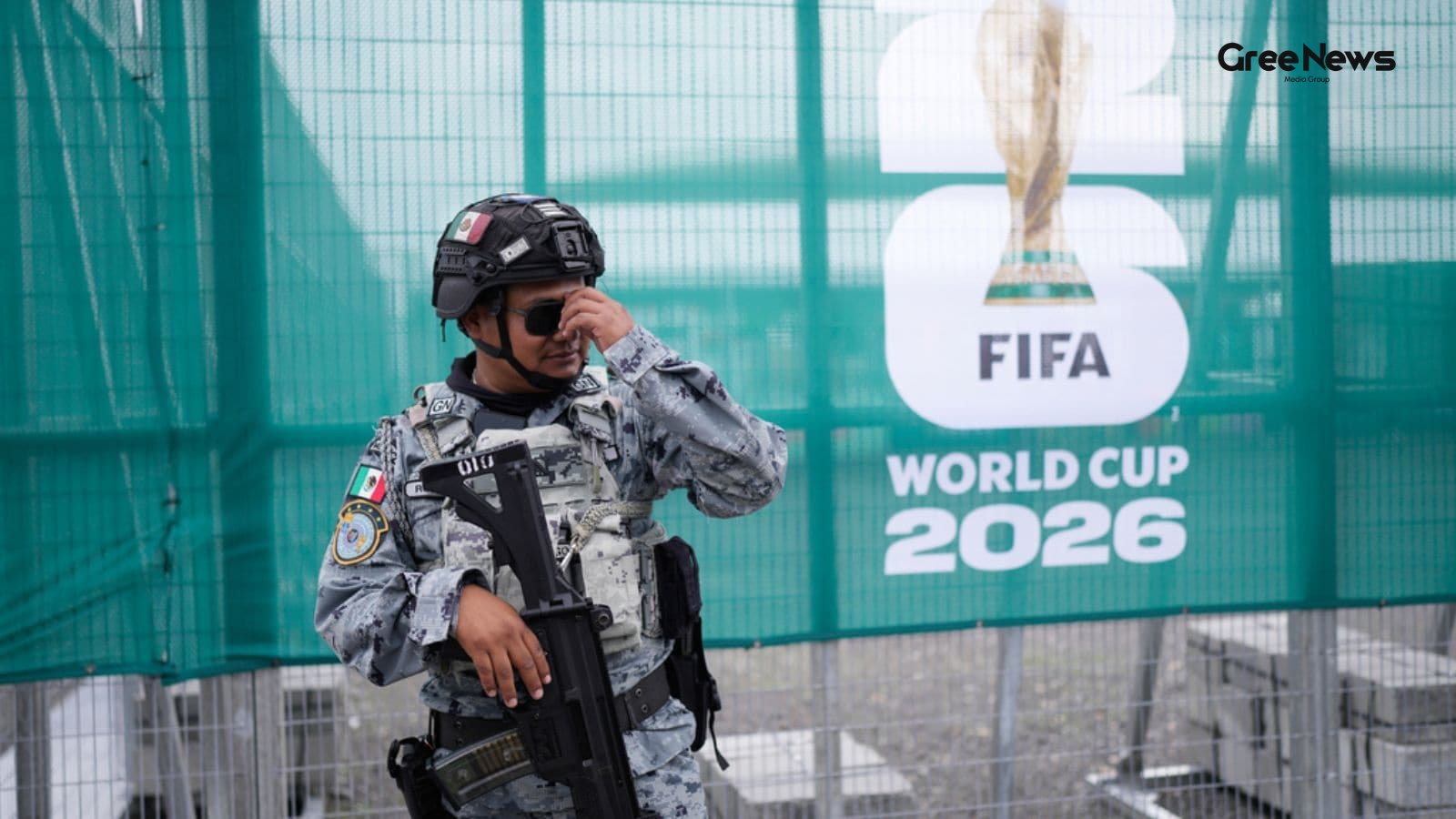
Protest and Political Standoff in Mexico City Before the World Cup
A protest choked off an avenue leading right to Mexico City’s Azteca Stadium for hours on Tuesday. It was just days before that massive World Cup opening match. As football fans started flooding in, all those co-hosts the US, Canada, and Mexico you see the real mess happening back home. Thousands of
Jun 10, 2026 by Gree News Team
The Global Nuclear Arms Race: Spending, Capabilities, and Future Risks
Nearly eight decades since Hiroshima and Nagasaki. And the world’s nuclear powers aren't slowing down. They keep spending more, modernizing faster, and experts are watching them move weapons out of storage and into potential use. It’s a real arms race happening right now. The nine states that hold n
Jun 10, 2026 by Gree News Team
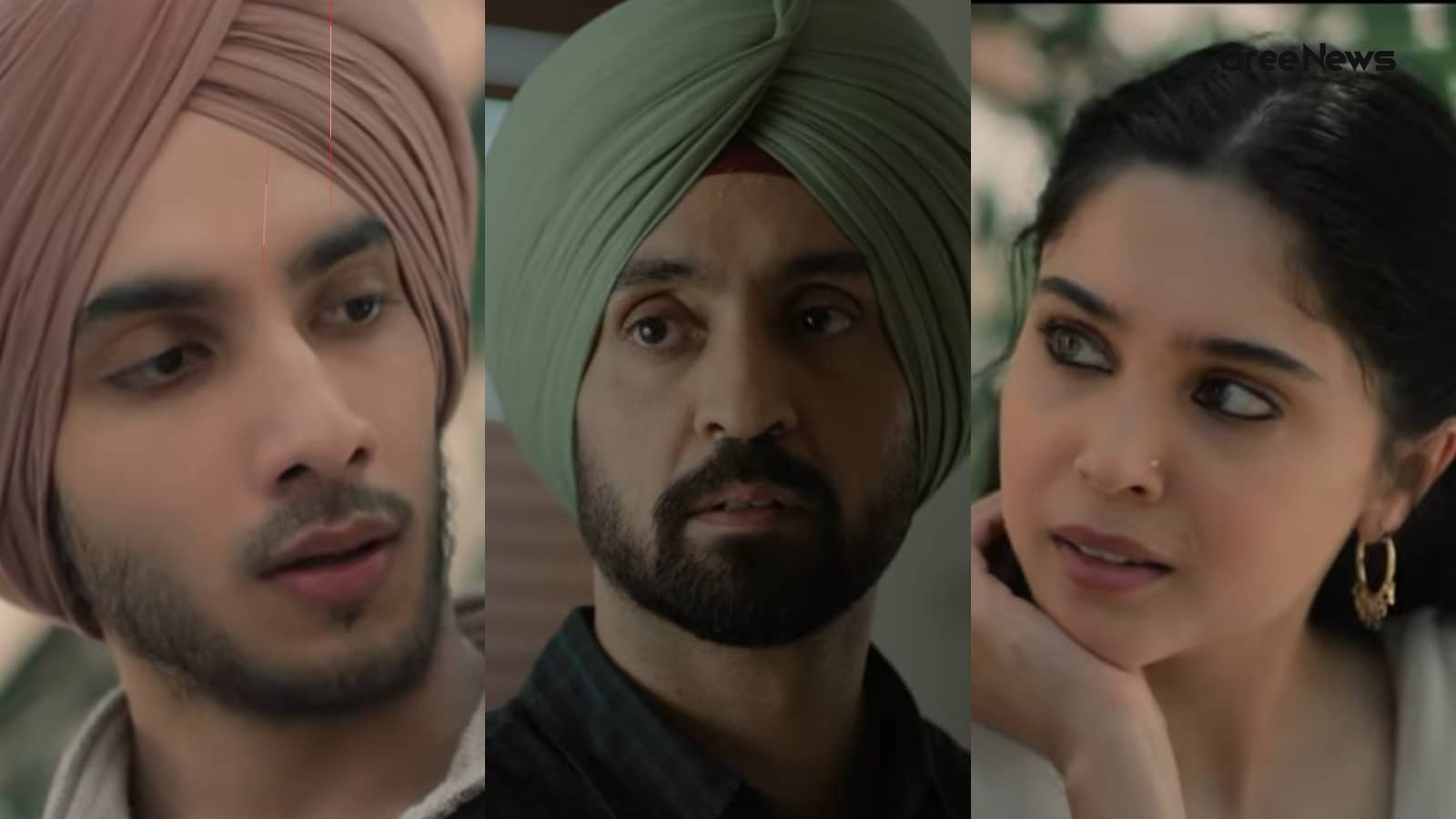
The Chaos of Cinema: Volume, Competition, and the Shifting Market
The Friday arrived packed. June 12th. It wasn't just another day; it was a collision of cinema. Nine films, all hitting the screens at once. *Main Vaapas Aaunga*, Imtiaz Ali’s directorial effort. Then you had Kangana Ranaut’s *Bharat Bhhagya Vidhaata*. And the horror mixed in Vikram Bhatt’s *Haunted
Jun 10, 2026 by Gree News Team

Stock Market Updates: June 10th Performance and Sector Analysis
Stock market updates today, June 10th. Everything turned sour in late trading Wednesday. Domestic equity markets basically gave up all those gains they managed to hold during the day. Heavy selling hit midcap, smallcap stocks, plus metals, realty, and financial names dragging the main indices into n
Jun 10, 2026 by Gree News Team
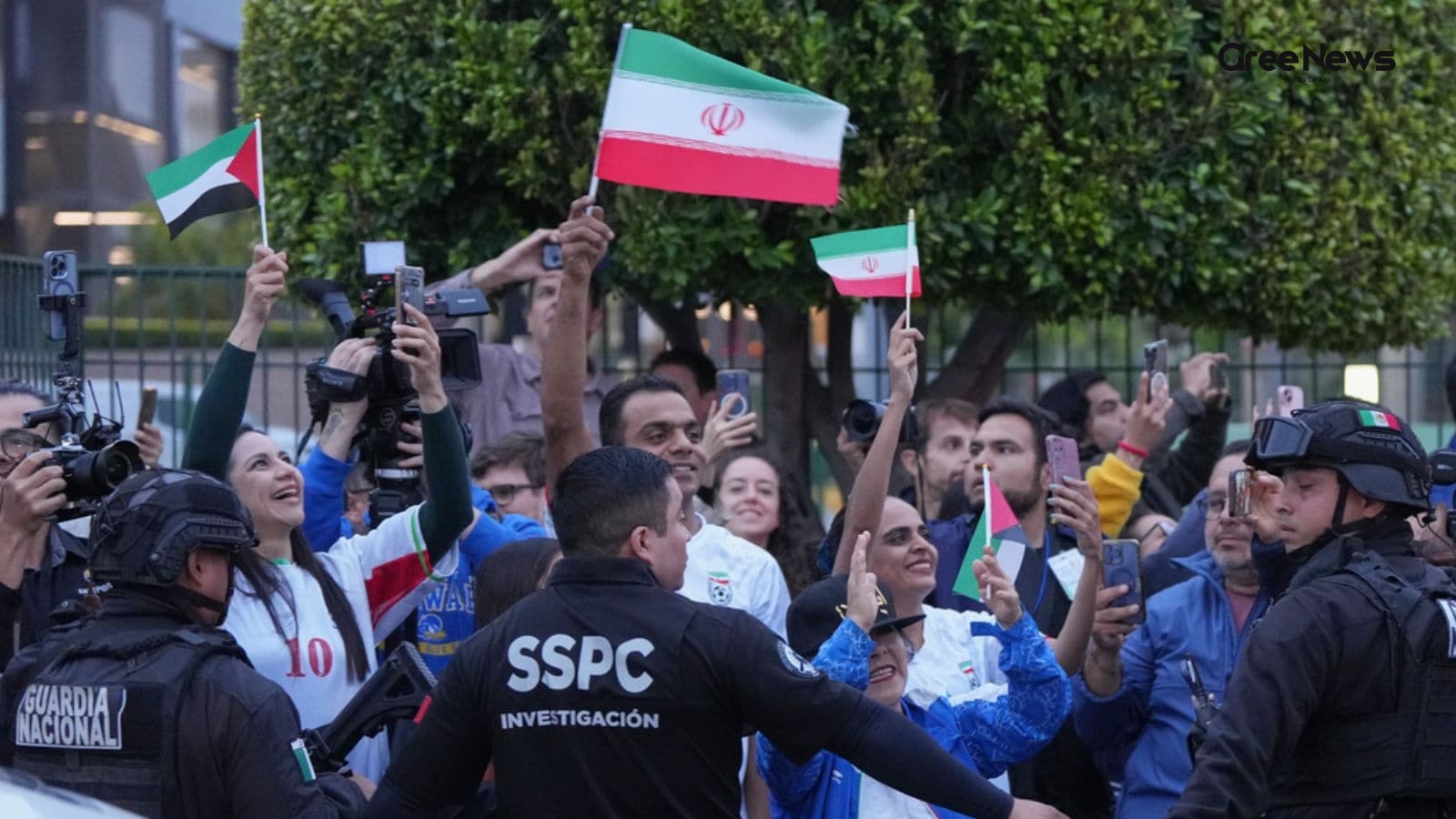
Iran Football Team Travel and World Cup Arrangements
Iran’s football team is heading to Los Angeles, apparently. They announced Tuesday that they'll be flying there the day before their first group-stage game against New Zealand. It feels like a lot happening all at once. But where exactly will they be staying? They won't actually be in L.A. for long.
Jun 10, 2026 by Gree News Team
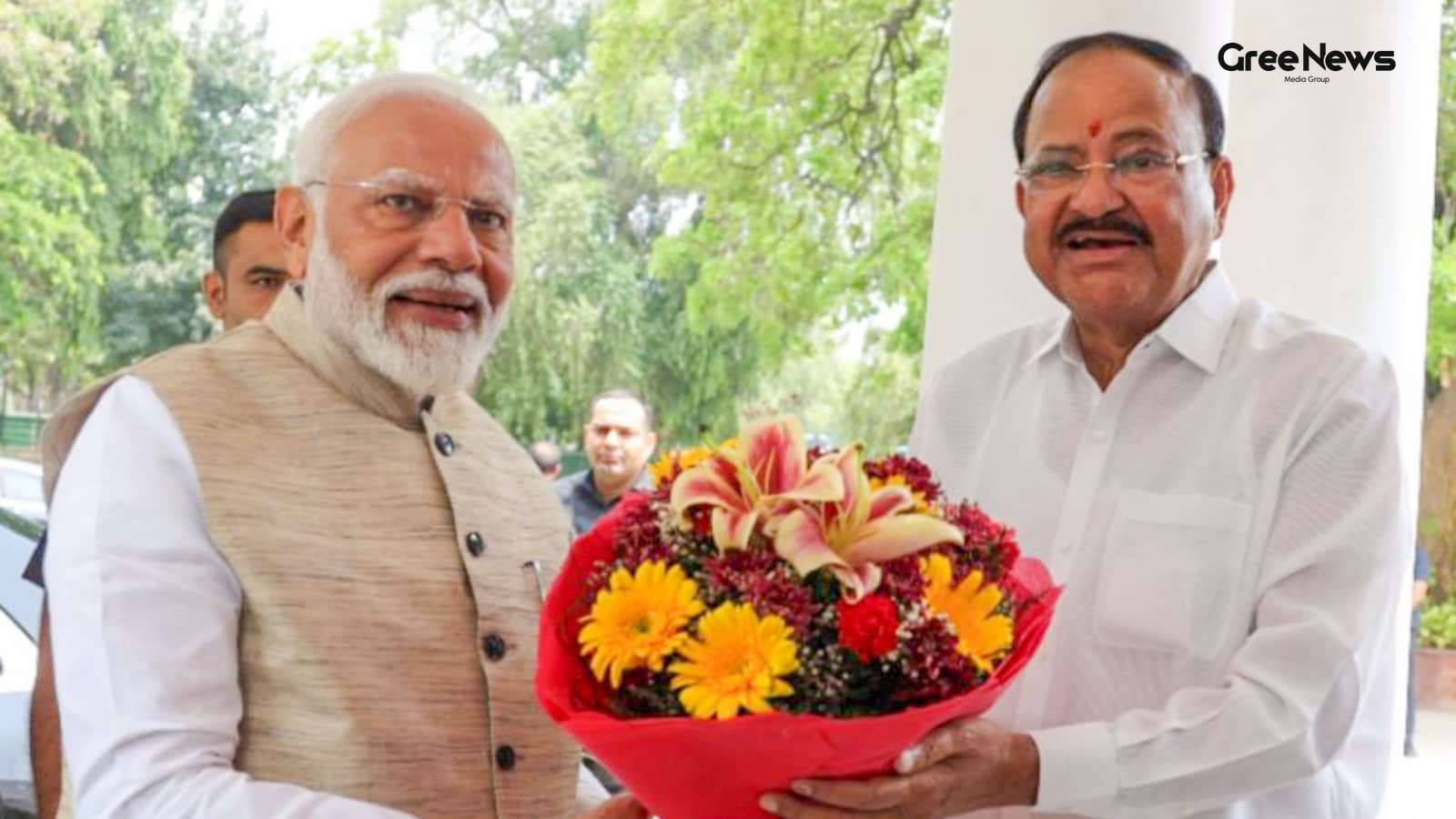
Narendra Modi's Milestone: India's Longest-Serving Prime Minister
Narendra Modi just hit a huge milestone. India’s longest-serving elected Prime Minister. Forty-three hundred ninety-nine days in office now. That beats Nehru's record, which was the first one. Former Vice President Venkaiah Naidu spoke about it. He praised the leadership and everything Modi has done
Jun 10, 2026 by Gree News Team
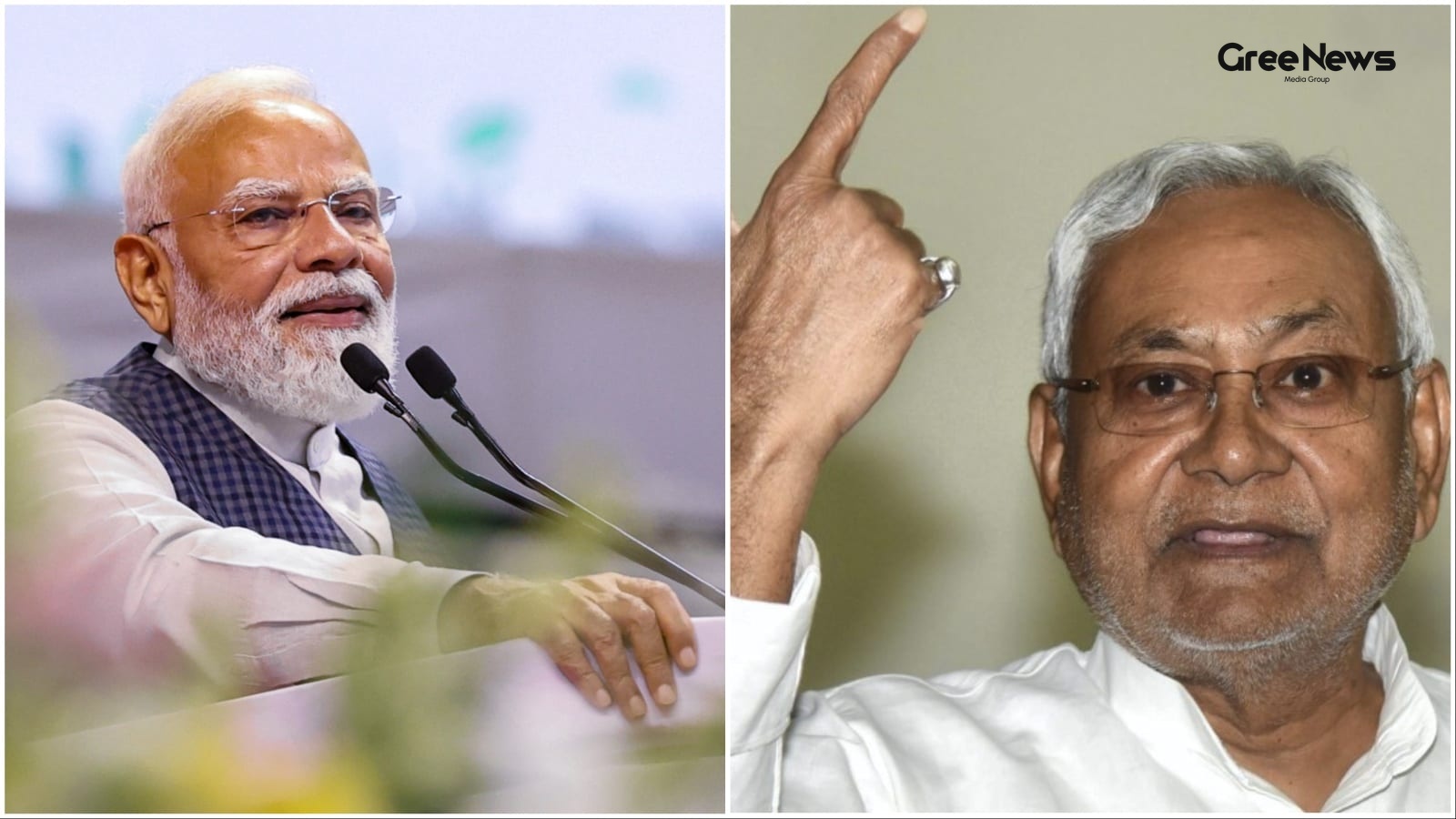
Narendra Modi's Long Tenure: A Reflection on Indian Democracy and Governance
Modi hitting that long tenure mark. Wednesday. Narendra Modi became India’s longest-serving elected Prime Minister. It was a big deal. Former Bihar Chief Minister Nitish Kumar immediately jumped in. He called it a reflection, really. Not just some empty praise. He said it showed how resilient Indian
Jun 10, 2026 by Gree News Team