BJP's Strategy and Internal Dynamics in Madhya Pradesh Rajya Sabha Polls
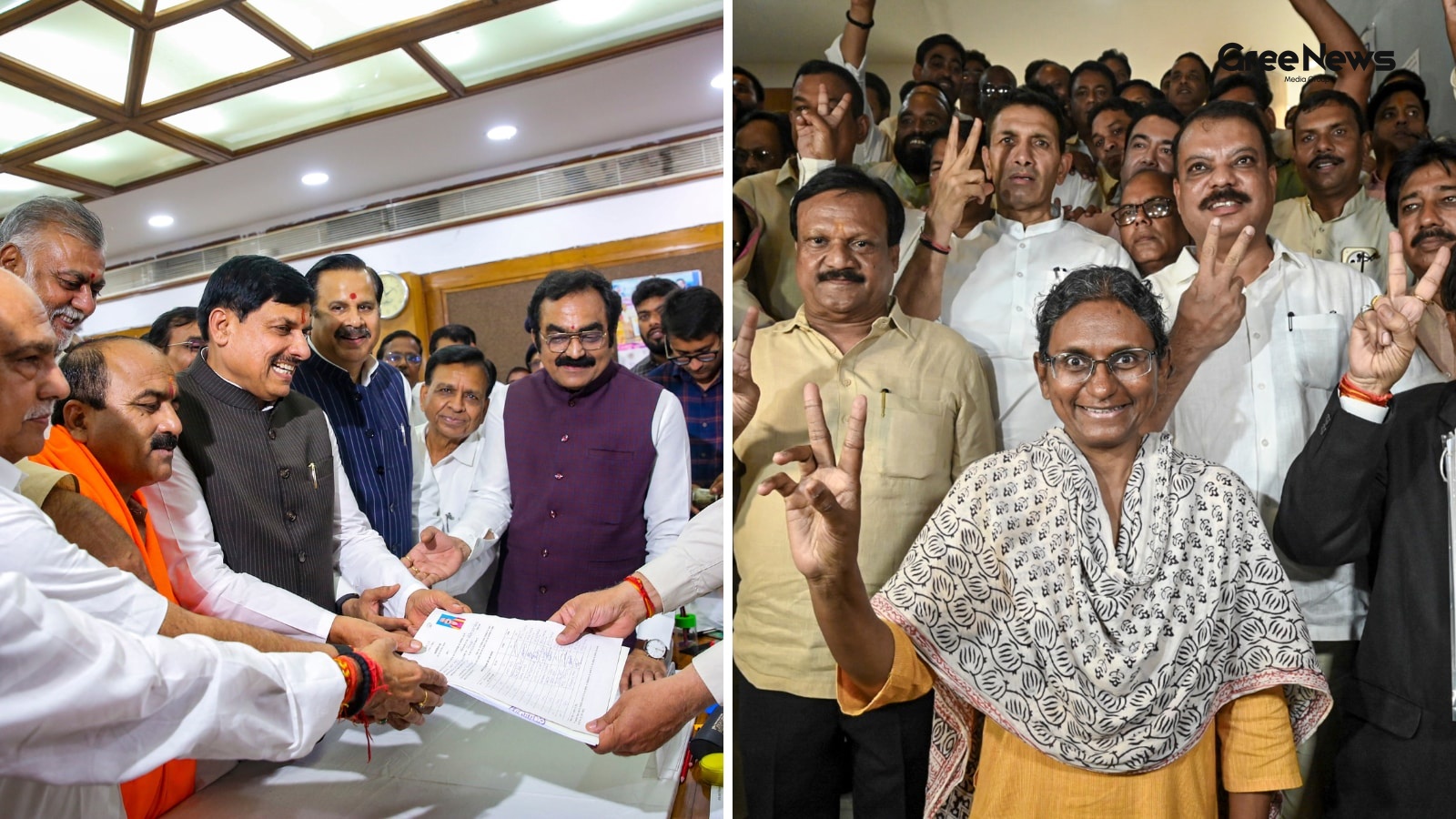
The Rajya Sabha polls in Madhya Pradesh are definitely taking an interesting turn. It’s not just about numbers anymore. The BJP decided to field a third candidate. That move instantly turned what was supposed to be a routine election into something else a real test of Congress unity .
This shift brought simmering discontent right to the surface, especially over the nomination of Meenakshi Natarajan . That name caused friction within the Opposition ranks.
Arithmetically speaking, that third seat technically lands in Congress’s favour. But politically? The BJP seems less interested in just winning the spot. It looks like they are trying something else entirely: compelling a public demonstration of unity from Congress. This is especially relevant because some state leaders already felt unhappy with the high command’s choice. Functionaries from both sides started talking about it, leaking details to The Indian Express .
Mahesh Kewat was nominated for that third slot. That’s what the BJP did. It wasn't just a numerical play; it was deliberately turning the contest into something about loyalty within the Congress structure itself.
A senior BJP leader actually put it plainly. “The BJP knows arithmetic is tricky. But elections like these are really about exposing contradictions inside rival parties. Even if Congress wins, the real success for them would be making internal dissatisfaction visible.” That kind of strategy behind the scenes.
Things shifted fast after that choice was made. The whole dynamic changed. Chief Minister Mohan Yadav actually held discussions with some senior BJP leaders before they settled on Kewat. And party leaders were told to stay put in Bhopal until things sorted themselves out for the elections. A sort of election management mode kicked in, quickly and abruptly.
Meanwhile, the Congress side was doing its own thing publicly. They started rallying around Meenakshi Natarajan . There were meetings called, MLAs brought to Bhopal, and leaders from different factions Kamal Nath , Digvijaya Singh , Jitu Patwari , Umang Singhar were being mobilized. A clear effort to project a united front.
The polls themselves are for three seats in Madhya Pradesh. The BJP already nominated Tarun Chugh and Rajneesh Agrawal for the other two spots.
Days before Mahesh Kewat ’s candidacy was officially announced, things were already heating up. Senior BJP figures, including Urban Development Minister Kailash Vijayvargiya , had hinted at fielding that third candidate. It was speculation then.
This talk came right when there were serious discussions about Natarajan . Several senior Congress leaders privately hoped the party high command would pick someone with a stronger base in Madhya Pradesh. A different kind of weight they were looking for.
As soon as Natarajan ’s nomination went through, discomfort surfaced immediately inside the Congress. It wasn't subtle.
Naresh Gyanchandani stepped up. He publicly questioned the decision. He warned that this move risked creating cross-voting in the Rajya Sabha election. “There was a major oversight in choosing the candidate for Rajya Sabha,” he said. “There’s a risk of cross-voting here. If Singh had been renominated, that seat would have been safe.”
And then the resignation came. As soon as Natarajan filed her papers, Gyanchandani resigned. He admitted he quit after the state leadership objected to a tweet. A tweet where he tried to draw Rahul Gandhi ’s attention to concerns about Natarajan ’s selection.
He said that post was painful. After serving Congress for thirty-seven years, it hurt that a single tweet wasn't acceptable to the Madhya Pradesh leadership. It felt like organizational loyalty was being sidelined by state politics.
The Congress leadership quickly tried to rally behind their choice. But this controversy gave the BJP ammunition. They could argue that the selection lacked unanimous support from the state unit.
But there’s more going on beneath the surface, isn't there? Party leaders privately admitted that the math might be messier than it looks on paper. Uncertainty about disqualification proceedings against Bina MLA Nirmala Sapre who recently aligned with the BJP casts a shadow over Congress’s real strength in the Assembly right now.
No senior leader publicly challenged the party line, of course. But some functionaries admitted privately that the nomination disappointed many aspirants and their supporters.
One Congress leader put it gently: “It’s not about Meenakshiji personally. Most respect her integrity. The problem was that the state unit wasn't consulted. Local political considerations got overlooked.”
Another senior leader suggested that some members saw this move as central leadership prioritizing organizational loyalty over local state politics. A real divide there.
The Congress leadership spent the last week working hard to project unity behind Natarajan . They were trying to seal things up, reinforce discipline. State President Jitu Patwari kept insisting that all MLAs stood behind her nomination. Even Umang Singhar expressed confidence that voting would be unified. Meetings followed, legislators and leaders gathered to hammer home cohesion.
Meenakshi Natarajan ’s political path is tied up with her organizational roles in Congress. She’s known for being close to Rahul Gandhi , the general secretary type disciplined image. But does that translate into real influence over the current group of MLAs? Not really. Unlike old figures like Kamal Nath or Digvijaya Singh , who held distinct state support bases, Natarajan doesn't seem to have a sizeable faction among sitting legislators.
This dynamic is key for the BJP . Strategists see this election as a chance to test if Congress MLAs will stick with the official nominee despite their own internal preferences and loyalties. It’s about gauging that unity.
Mahesh Kewat ’s choice also sends a message. They didn't pick a heavyweight leader. They picked someone whose nomination shifts the focus away from just grabbing a seat.
Remember, Rajya Sabha elections use proportional representation based on Assembly strength. The BJP currently has a solid majority 163 members against Congress’s 66 MLAs in the Madhya Pradesh Assembly. For two seats, the numbers are plenty. But that third seat? That's where the real battle is. Each candidate needs fifty-eight first preferences to win. The contest for that final spot is incredibly tight. It’s this arithmetic this razor-thin margin that really dictated the BJP ’s move to field that extra name.
Written by Gree News Team — Senior Editorial Board
Gree News Team covers international news and global affairs at Gree News. Our collective of senior editors is dedicated to providing independent, accurate, and responsible journalism for a global audience.
More from India
View All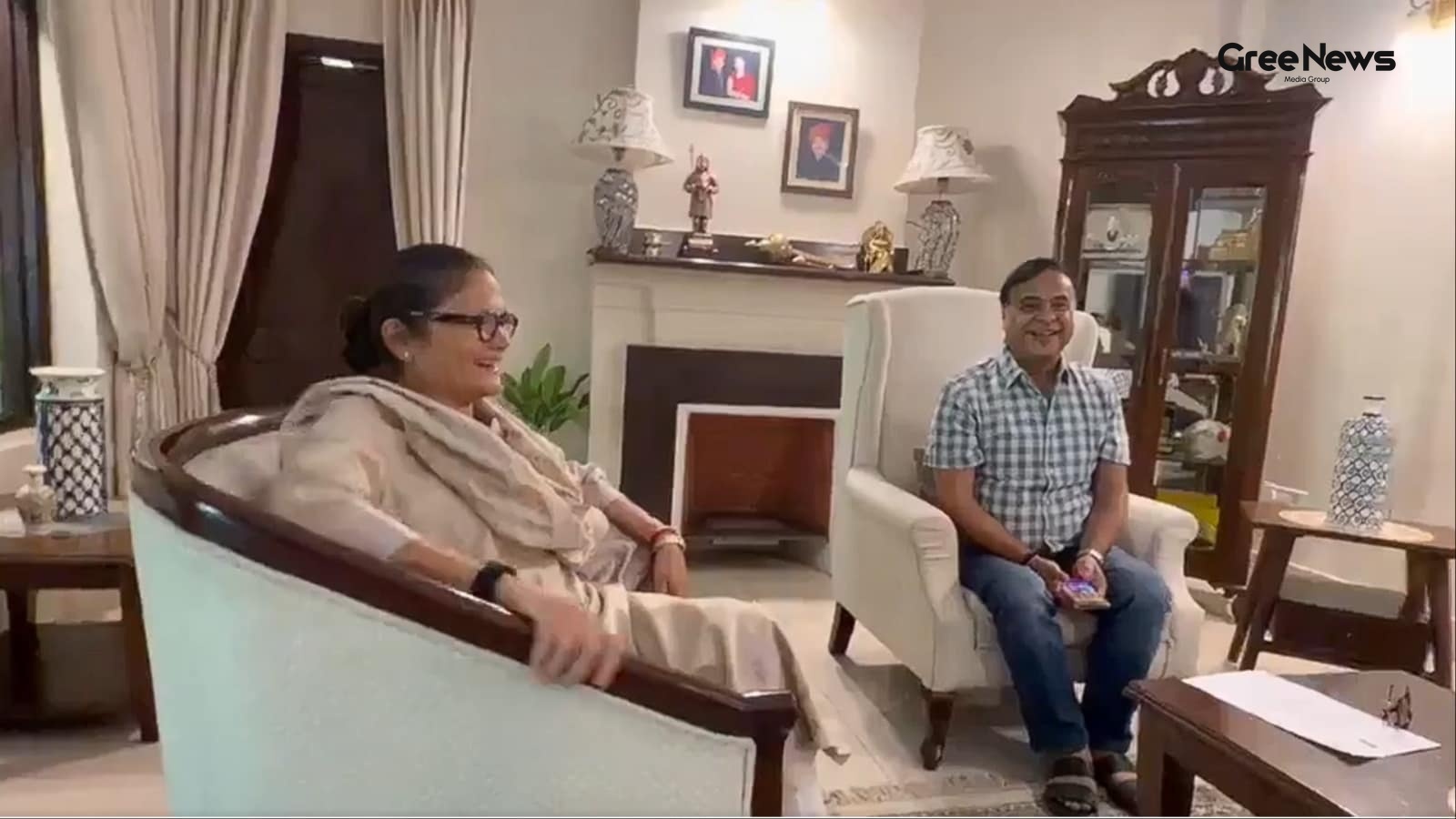
Political Speculation and Internal Turmoil within the TMC
Fresh visuals surfaced of Sushmita Dev meeting Assam Chief Minister Himanta Biswa Sarma. That kind of thing just kicks the speculation into high gear about her next move. It’s all about her potential entry into the BJP, right? This happened right after she stepped down from Rajya Sabha and walked ou
Jun 10, 2026 by Gree News Team
Threats and Intimidation Against Former Judge Justice Gautam Patel
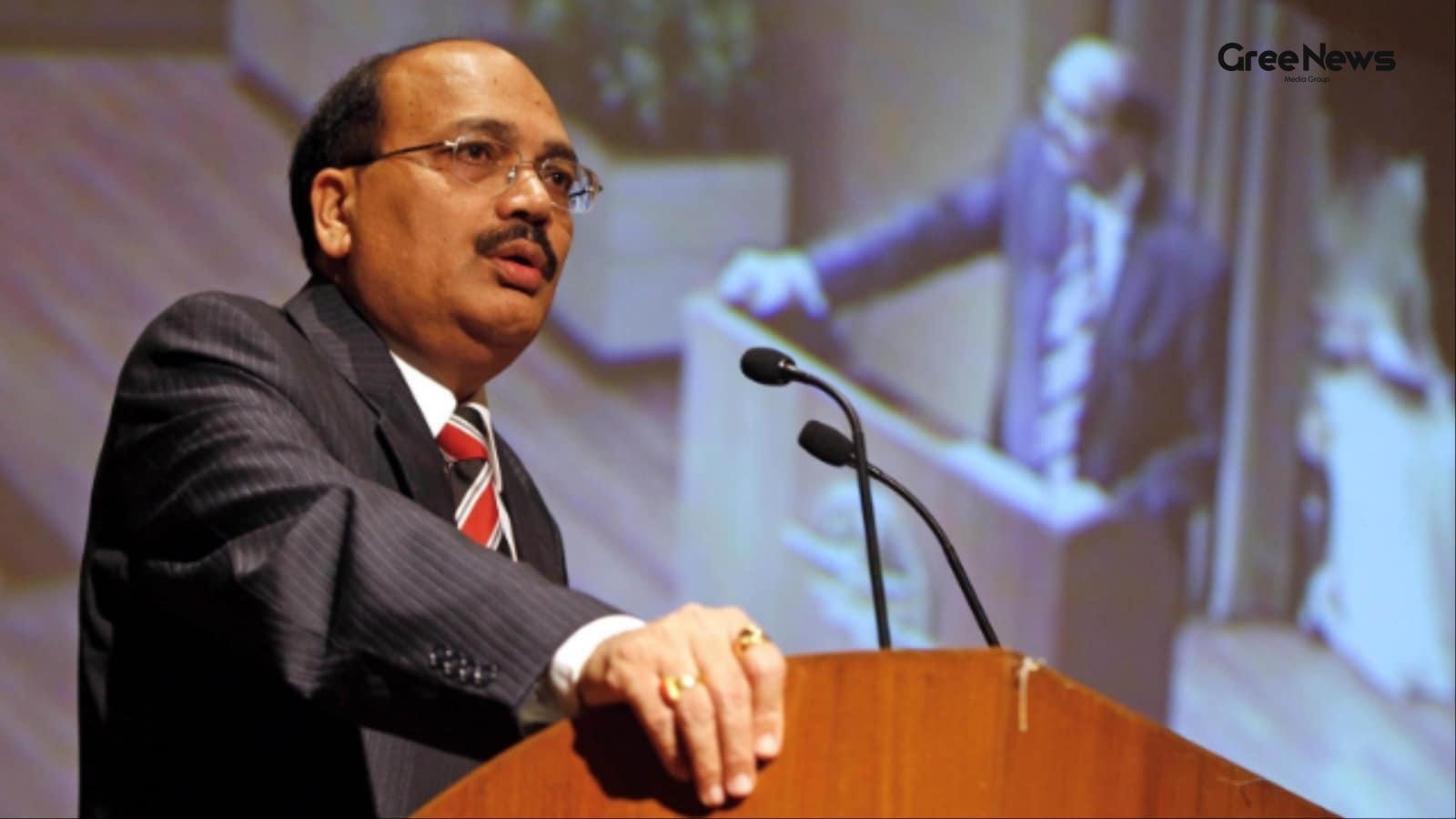
Chief Justice Surya Kant stepped in on the matter involving threats and intimidation aimed at former Bombay High Court judge Justice Gautam Patel. This happened while he was visiting the UK, raising the issue with India’s High Commissioner there. It came out of a report by The Times of India. The wh
Jun 10, 2026 by Gree News Team
The Political Feud: Shivakumar vs. Kumaraswamy and the Vokkaliga Rivalry
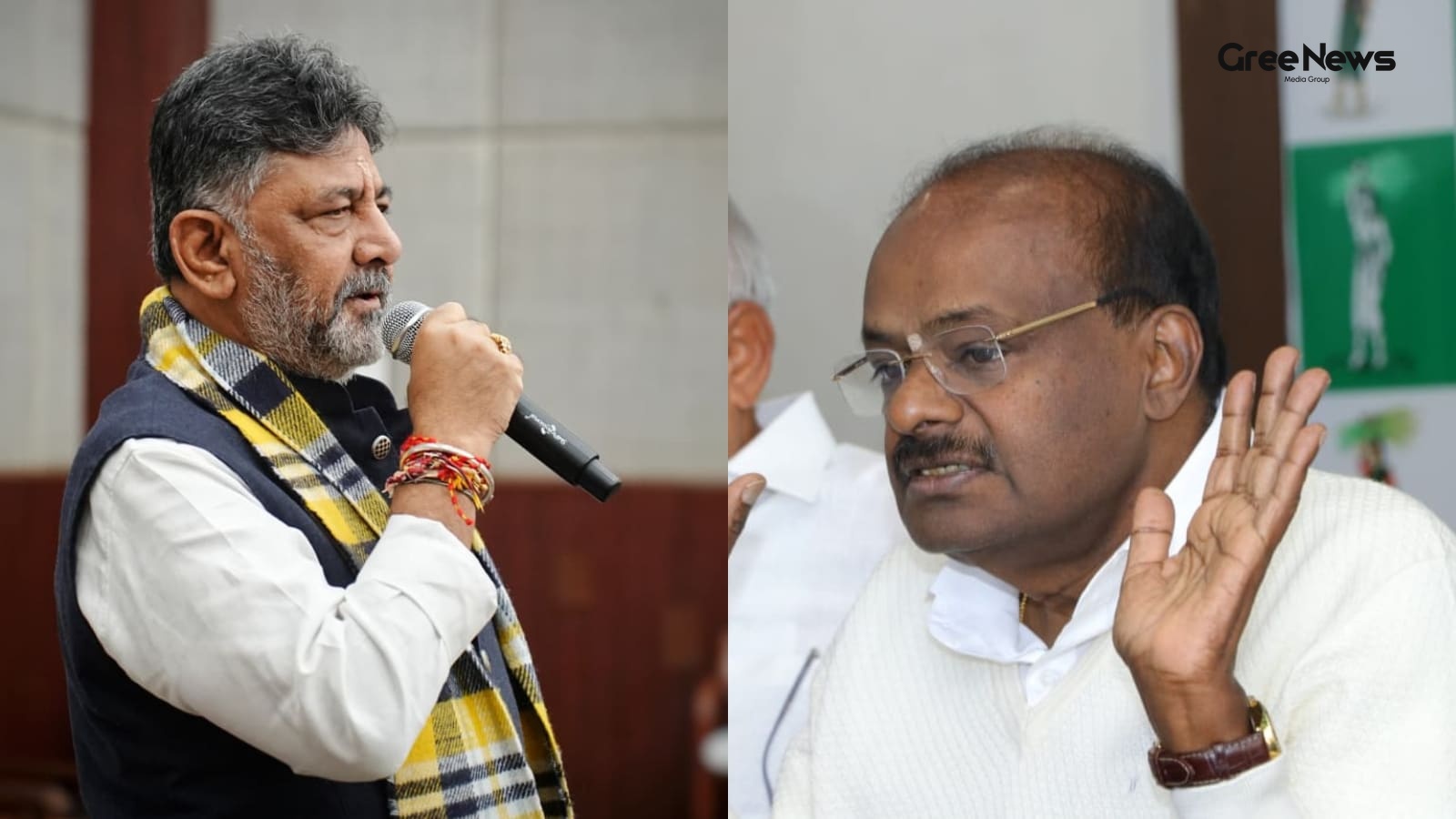
A meeting that hasn't even happened is already sparking political sparring. Karnataka Chief Minister DK Shivakumar and Union Minister HD Kumaraswamy. It just underlines how bitter one of the state’s longest-running rivalries still is. Shivakumar was doing some outreach, a carefully choreographed exe
Jun 10, 2026 by Gree News Team
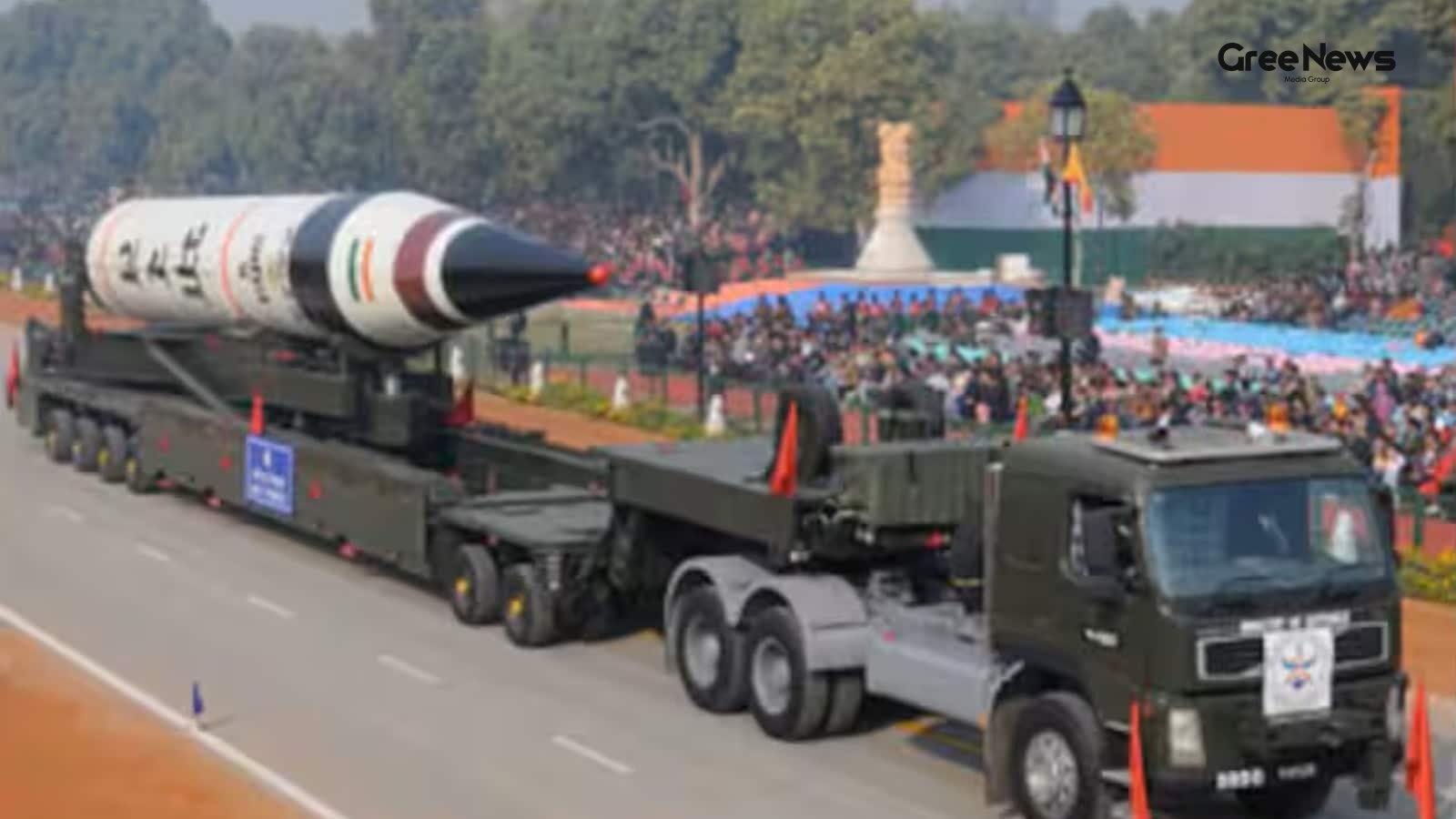
The Global Nuclear Arms Race: Spending, Capabilities, and Future Risks
Nearly eight decades since Hiroshima and Nagasaki. And the world’s nuclear powers aren't slowing down. They keep spending more, modernizing faster, and experts are watching them move weapons out of storage and into potential use. It’s a real arms race happening right now. The nine states that hold n
Jun 10, 2026 by Gree News Team
Latest Headlines
Political Speculation and Internal Turmoil within the TMC
Fresh visuals surfaced of Sushmita Dev meeting Assam Chief Minister Himanta Biswa Sarma. That kind of thing just kicks the speculation into high gear about her next move. It’s all about her potential entry into the BJP, right? This happened right after she stepped down from Rajya Sabha and walked ou
Jun 10, 2026 by Gree News Team

FIFA World Cup 2026: Structure, Geography, and the Official Match Ball
The FIFA World Cup 2026 is really starting to feel imminent now. It’s heading toward North America the USA, Mexico, and Canada are slated to host this massive global spectacle. People are talking about it constantly. It’s not just a standard tournament anymore. This time around, they’re throwing way
Jun 10, 2026 by Gree News Team

Lionel Messi and Argentina's World Cup Journey in Group J
Argentina’s taking on Group J in this new setup USA, Mexico, and Canada it feels like more than just football now. It’s about that farewell, isn't it? Lionel Messi is chasing something special right now, playing out this final chapter with the Albiceleste against Algeria, Austria, and Jordan. There’
Jun 10, 2026 by Gree News Team
Federal Judge Bars Nitrogen Gas Execution in Alabama
A federal judge just slammed the door shut on Alabama’s plan to use nitrogen gas for executing Jeffery Lee. Permanently barred it, ruling the method violated basic constitutional rights about cruel and unusual punishment. This decision dropped like a stone. It came just one day after an appeals cour
Jun 10, 2026 by Gree News Team
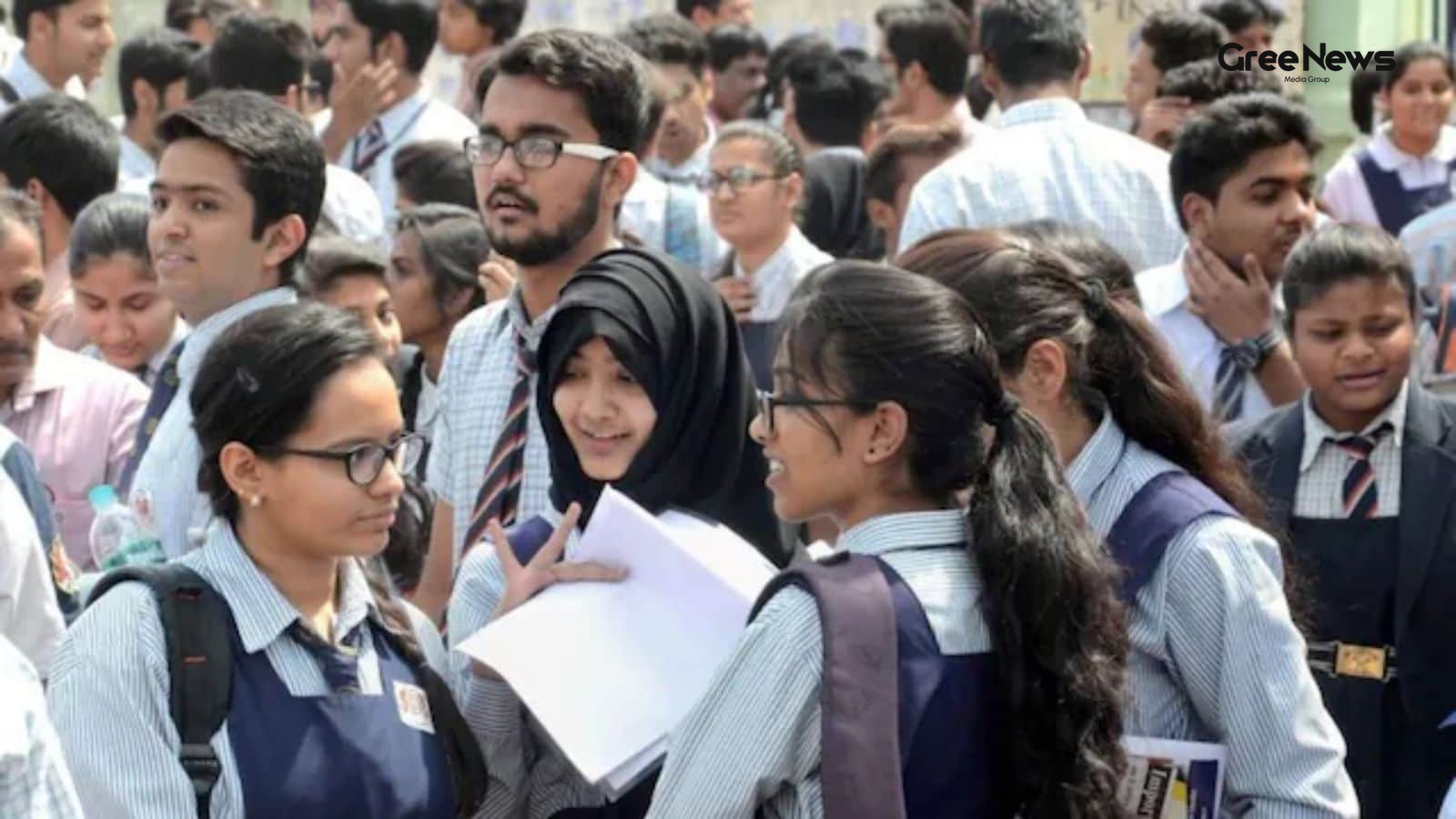
Kerala Board Plus One Results 2026 Announcement and Checking Methods
The Kerala Board Plus One results for 2026 are finally coming today, June 10th. That’s when the Directorate of Higher Secondary Education will officially announce everything. Students who took the DHSE Kerala Class 11 exams in 2026 can start checking their scores now. You have a few places to look,
Jun 10, 2026 by Gree News Team
Threats and Intimidation Against Former Judge Justice Gautam Patel
Chief Justice Surya Kant stepped in on the matter involving threats and intimidation aimed at former Bombay High Court judge Justice Gautam Patel. This happened while he was visiting the UK, raising the issue with India’s High Commissioner there. It came out of a report by The Times of India. The wh
Jun 10, 2026 by Gree News Team

Intersection of Art, Politics, and Public Morality at Film Screening
The buzz around the screening for ‘Bharat Bhhagya Viddhaata’ was definitely something special that Tuesday evening in Delhi. It wasn't just about watching a movie; it felt like a convergence a mix of film fans, some political heavyweights, and a surprising amount of high-level government presence. P
Jun 10, 2026 by Gree News Team
The Political Feud: Shivakumar vs. Kumaraswamy and the Vokkaliga Rivalry
A meeting that hasn't even happened is already sparking political sparring. Karnataka Chief Minister DK Shivakumar and Union Minister HD Kumaraswamy. It just underlines how bitter one of the state’s longest-running rivalries still is. Shivakumar was doing some outreach, a carefully choreographed exe
Jun 10, 2026 by Gree News Team

Protest and Political Standoff in Mexico City Before the World Cup
A protest choked off an avenue leading right to Mexico City’s Azteca Stadium for hours on Tuesday. It was just days before that massive World Cup opening match. As football fans started flooding in, all those co-hosts the US, Canada, and Mexico you see the real mess happening back home. Thousands of
Jun 10, 2026 by Gree News Team
The Global Nuclear Arms Race: Spending, Capabilities, and Future Risks
Nearly eight decades since Hiroshima and Nagasaki. And the world’s nuclear powers aren't slowing down. They keep spending more, modernizing faster, and experts are watching them move weapons out of storage and into potential use. It’s a real arms race happening right now. The nine states that hold n
Jun 10, 2026 by Gree News Team
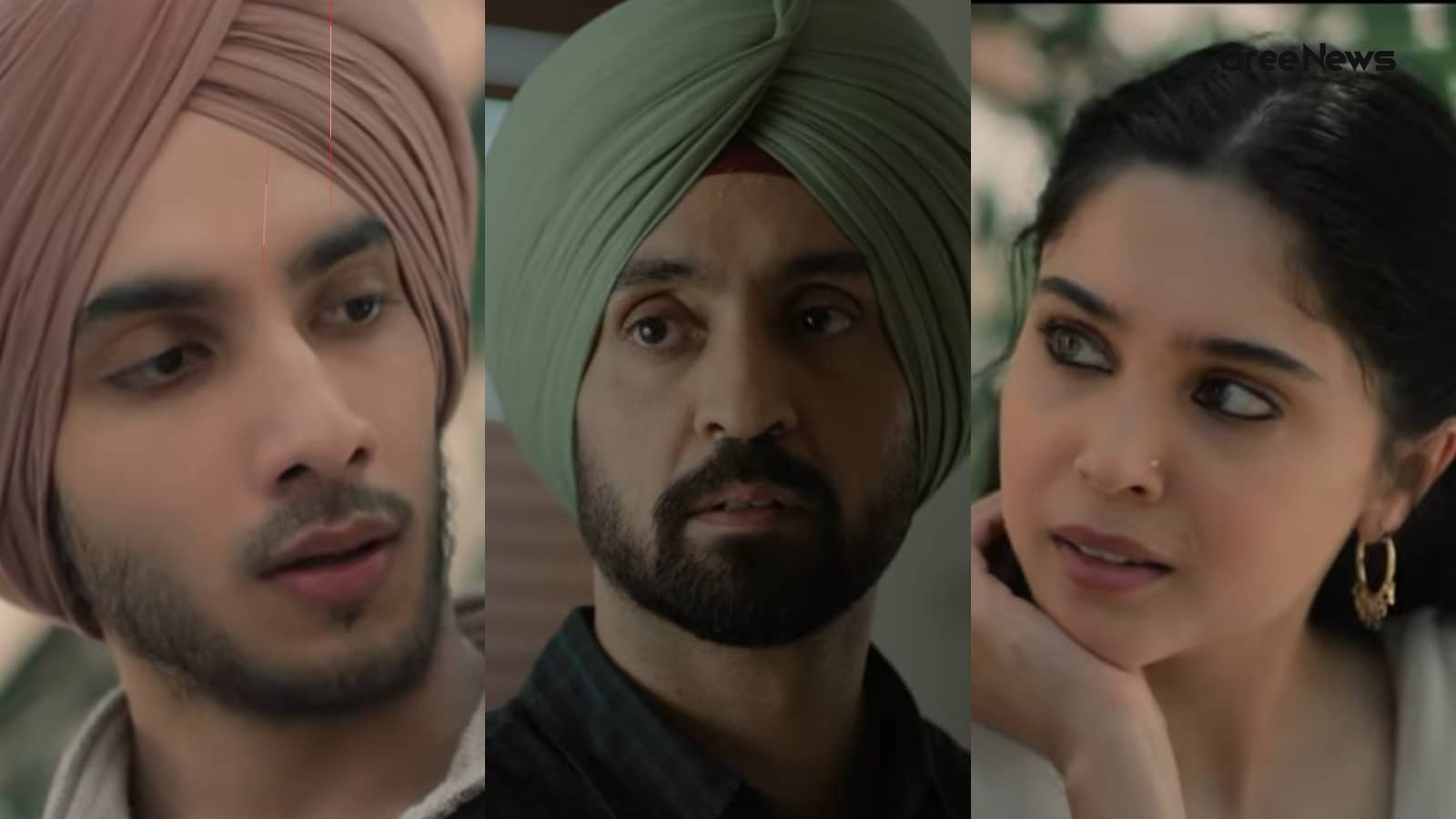
The Chaos of Cinema: Volume, Competition, and the Shifting Market
The Friday arrived packed. June 12th. It wasn't just another day; it was a collision of cinema. Nine films, all hitting the screens at once. *Main Vaapas Aaunga*, Imtiaz Ali’s directorial effort. Then you had Kangana Ranaut’s *Bharat Bhhagya Vidhaata*. And the horror mixed in Vikram Bhatt’s *Haunted
Jun 10, 2026 by Gree News Team

Stock Market Updates: June 10th Performance and Sector Analysis
Stock market updates today, June 10th. Everything turned sour in late trading Wednesday. Domestic equity markets basically gave up all those gains they managed to hold during the day. Heavy selling hit midcap, smallcap stocks, plus metals, realty, and financial names dragging the main indices into n
Jun 10, 2026 by Gree News Team

Iran Football Team Travel and World Cup Arrangements
Iran’s football team is heading to Los Angeles, apparently. They announced Tuesday that they'll be flying there the day before their first group-stage game against New Zealand. It feels like a lot happening all at once. But where exactly will they be staying? They won't actually be in L.A. for long.
Jun 10, 2026 by Gree News Team

The Impact of Gen AI on Job Applications and Hiring Strategies
When you start looking for a job, everyone builds this whole structure: the résumé, that killer cover letter, tailoring it perfectly. The whole point was always that application could make you jump out from the crowd of hundreds of applicants. But honestly? Recruiters are starting to think that play
Jun 10, 2026 by Gree News Team
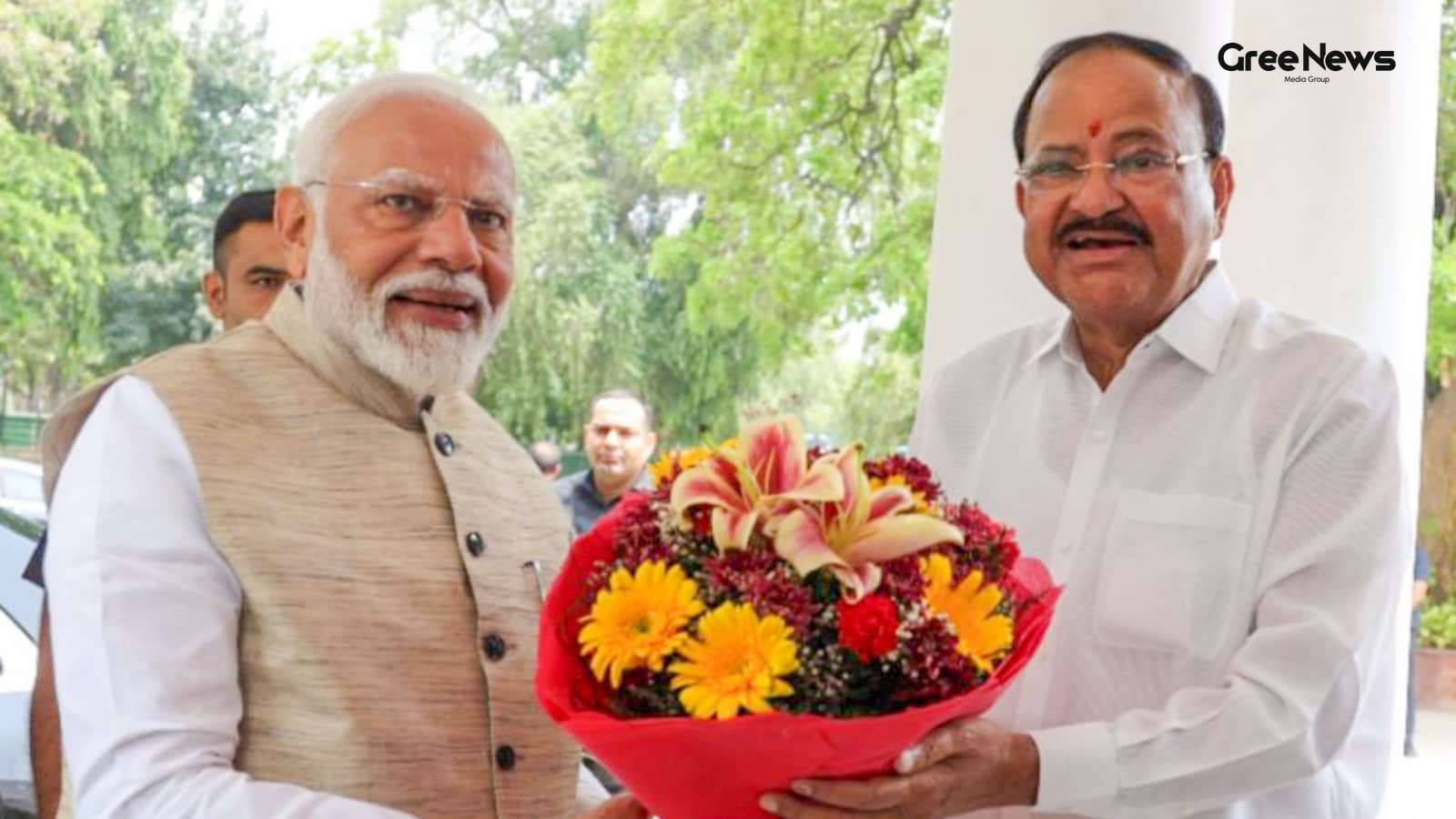
Narendra Modi's Milestone: India's Longest-Serving Prime Minister
Narendra Modi just hit a huge milestone. India’s longest-serving elected Prime Minister. Forty-three hundred ninety-nine days in office now. That beats Nehru's record, which was the first one. Former Vice President Venkaiah Naidu spoke about it. He praised the leadership and everything Modi has done
Jun 10, 2026 by Gree News Team