Alexander Zverev's Pressure and Resilience in the French Open Final
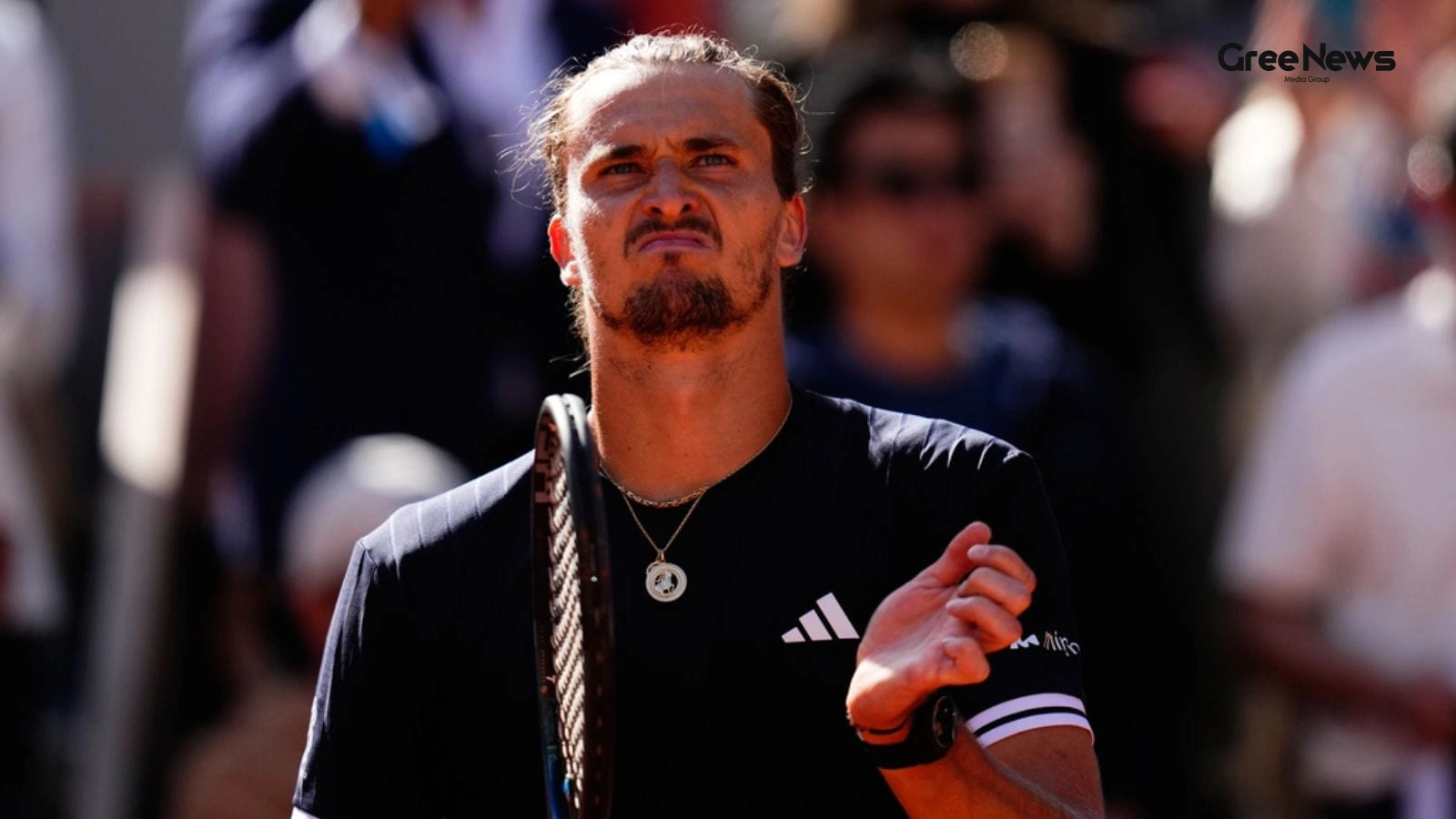
Alexander Zverev is sitting there now, on the verge. That’s what it feels like. Just breathing. He managed to beat Jakub Mensik in four sets to get into that second French Open final. A long-awaited one.
The pressure must be immense. You see those near misses pile up—three finals gone. Alcaraz at Roland Garros two years back was one of them, a massive shadow hanging over everything. It’s more than just tennis now; it’s about carrying that weight.
He's facing whoever he gets on Sunday. Either Flavio Cobolli or Matteo Arnaldi. Both are solid names, but Zverev looks like the strong favorite against either one of them. That feeling sticks, doesn't it? The desire to finally get over that line and lift something big.
“This is a Grand Slam,” he said after the match. “It’s best of five. Things happen. Opponents play better.” It sounds simple, but there’s an underlying sense of inevitability there. He managed it. That’s what matters right now.
He hopes for another good game on Sunday. Just one more chance to find that rhythm.
The match itself was a rollercoaster, wasn't it? You had the tension building in that first set. Zverev got a close one, thanks to some solid play when he saved those break points just before Mensik could take the lead. A good start, maybe. He held onto something important there.
Then the second set dragged. Things got messy. The momentum shifted quickly.
Mensik hit a snag in the third set. A medical time-out. Something about his neck. You wonder what was going on behind the scenes. Did that matter? Or was it just distraction?
But Mensik found a way back. He broke to take a solid lead, 4-2 in that set. And then he started hitting that drop shot. It really started working. It changed things up. That one shot—it secured the hold to love and the entire set for Mensik. Only the second time Zverev lost a set in this whole tournament. A small detail, maybe, but it shifts the narrative slightly.
Then came the fourth set. Momentum completely flipped again. Mensik just couldn't keep that energy going. Backhand errors piled up. Unforced mistakes. And suddenly, Zverev got that break he needed. He sealed the deal on his first match point when Mensik netted a backhand. A clean finish, after all that drama in between.
It’s strange how you look at it afterwards. When he was playing, there was this kind of emptiness. He described it as pure emptiness, absolutely nothing in his head during the game. It makes sense, I suppose. Being an athlete. You tune everything out. You just have to be present.
He deals with being the favorite well enough. Remember when Sinner and Djokovic had those early exits? Zverev handled that pressure fine. He’s faced it before, these big tournament moments. The experience is there. It’s built up from all those previous attempts at glory.
But you can't ignore the history either. That drought. Fourteen months since a title. A clay court memory from Munich last year felt like a lifetime ago now. There’s always that lingering sense of wanting something more, isn’t there?
He’s still aiming for it. He has to be. The path forward is clear, even if the steps feel heavy right now. Facing Cobolli or Arnaldi next—that's the final test on this stretch. It’s a one-shot opportunity.
What was that first set like? Tight. A break in the game, an eleventh game, and he managed to hold onto those crucial points. He saved things from slipping away. That kind of defensive tenacity is often what wins these marathon matches when everything else goes sideways.
And then there’s the mental side creeping in. The pressure isn't just external; it’s internal too. Those previous finals—Alcaraz, Thiem. They leave scars. You think about those moments constantly. How you manage that memory while trying to play forward.
He seems to be pushing through physically. He dropped only two sets across six matches leading up to this point. That suggests a certain level of resilience. He navigated the physical toll okay, even if the mental strain is obvious in that quiet interview about emptiness.
The game itself felt erratic. One moment intense focus, the next that drawn-out struggle where one player just pulls out another shot, trying to force something, trying to shift the weight. That’s tennis at its most raw. It’s not always clean lines. Sometimes it's just effort bleeding onto the court.
And those line calls. He got warned for a time violation. In high-stakes moments like this, even small things can feel amplified. It adds another layer to that feeling of being scrutinized. Every movement measured, every second accounted for.
He’ll be on Court Philippe Chatrier in two days. That's the next hurdle. The final test isn't just about hitting the ball perfectly; it’s about managing all these layers—the history, the expectations, and that internal noise he talked about. It demands a different kind of focus now. Not just playing well, but handling what comes next.
It’s going to be tough. That much is certain. But there’s a flicker of hope in the way he talks about it. A desire for another great match. Just another chance to prove that resilience isn't just surviving; it’s fighting back.
Written by Gree News Team — Senior Editorial Board
Gree News Team covers international news and global affairs at Gree News. Our collective of senior editors is dedicated to providing independent, accurate, and responsible journalism for a global audience.
More from Sports
View All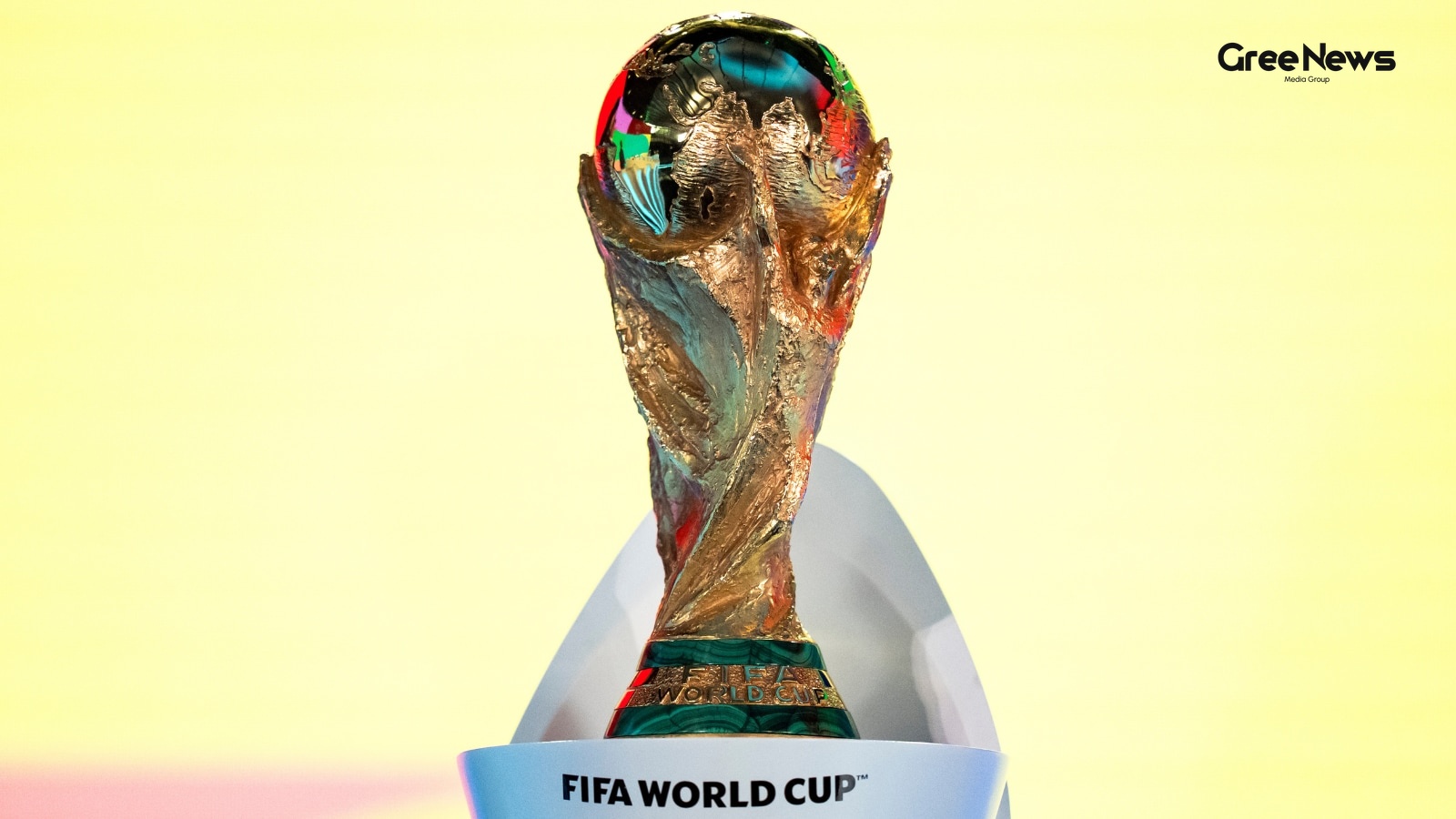
FIFA World Cup 2026: Structure, Geography, and the Official Match Ball
The FIFA World Cup 2026 is really starting to feel imminent now. It’s heading toward North America the USA, Mexico, and Canada are slated to host this massive global spectacle. People are talking about it constantly. It’s not just a standard tournament anymore. This time around, they’re throwing way
Jun 10, 2026 by Gree News Team
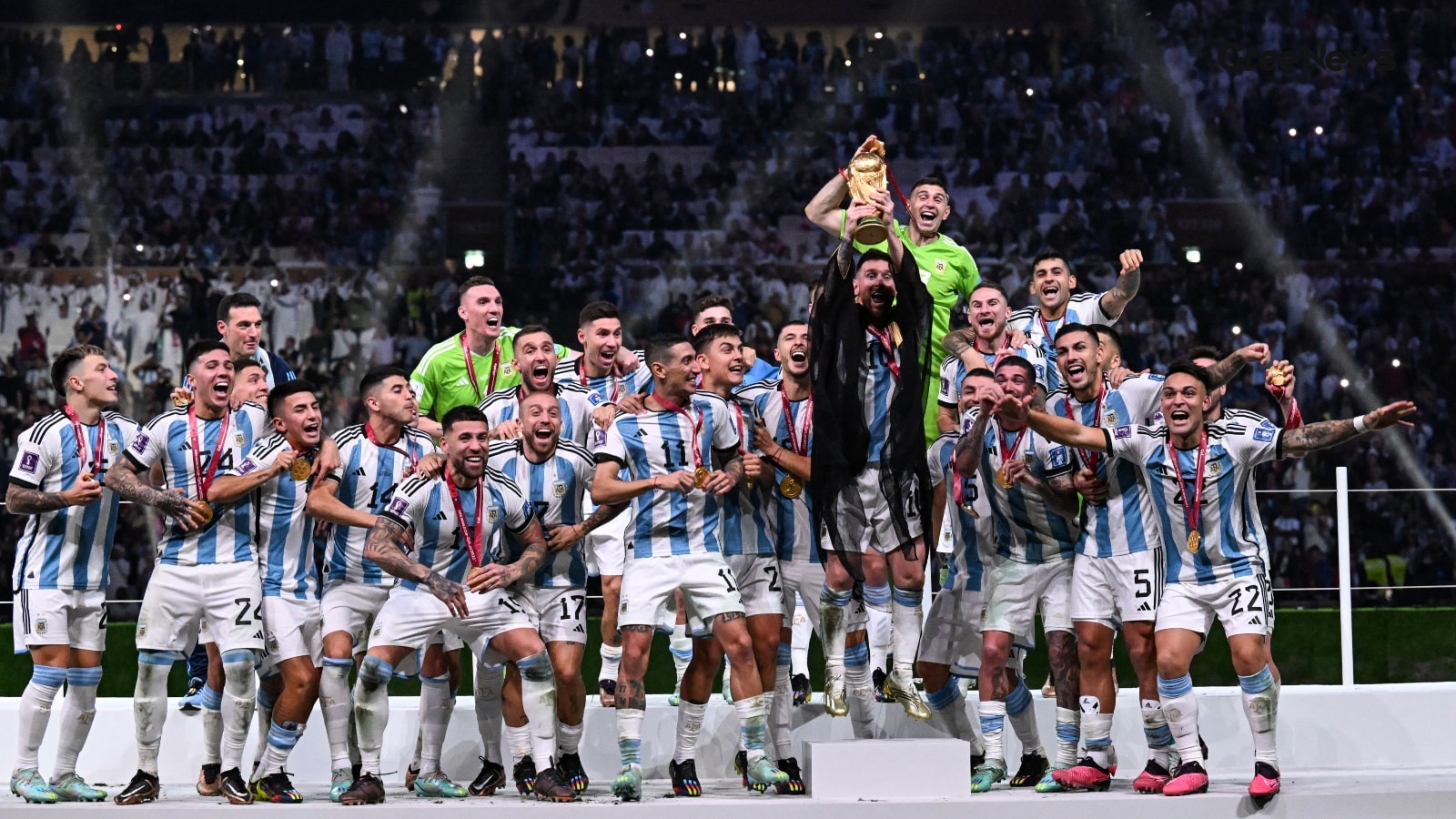
Lionel Messi and Argentina's World Cup Journey in Group J
Argentina’s taking on Group J in this new setup USA, Mexico, and Canada it feels like more than just football now. It’s about that farewell, isn't it? Lionel Messi is chasing something special right now, playing out this final chapter with the Albiceleste against Algeria, Austria, and Jordan. There’
Jun 10, 2026 by Gree News Team
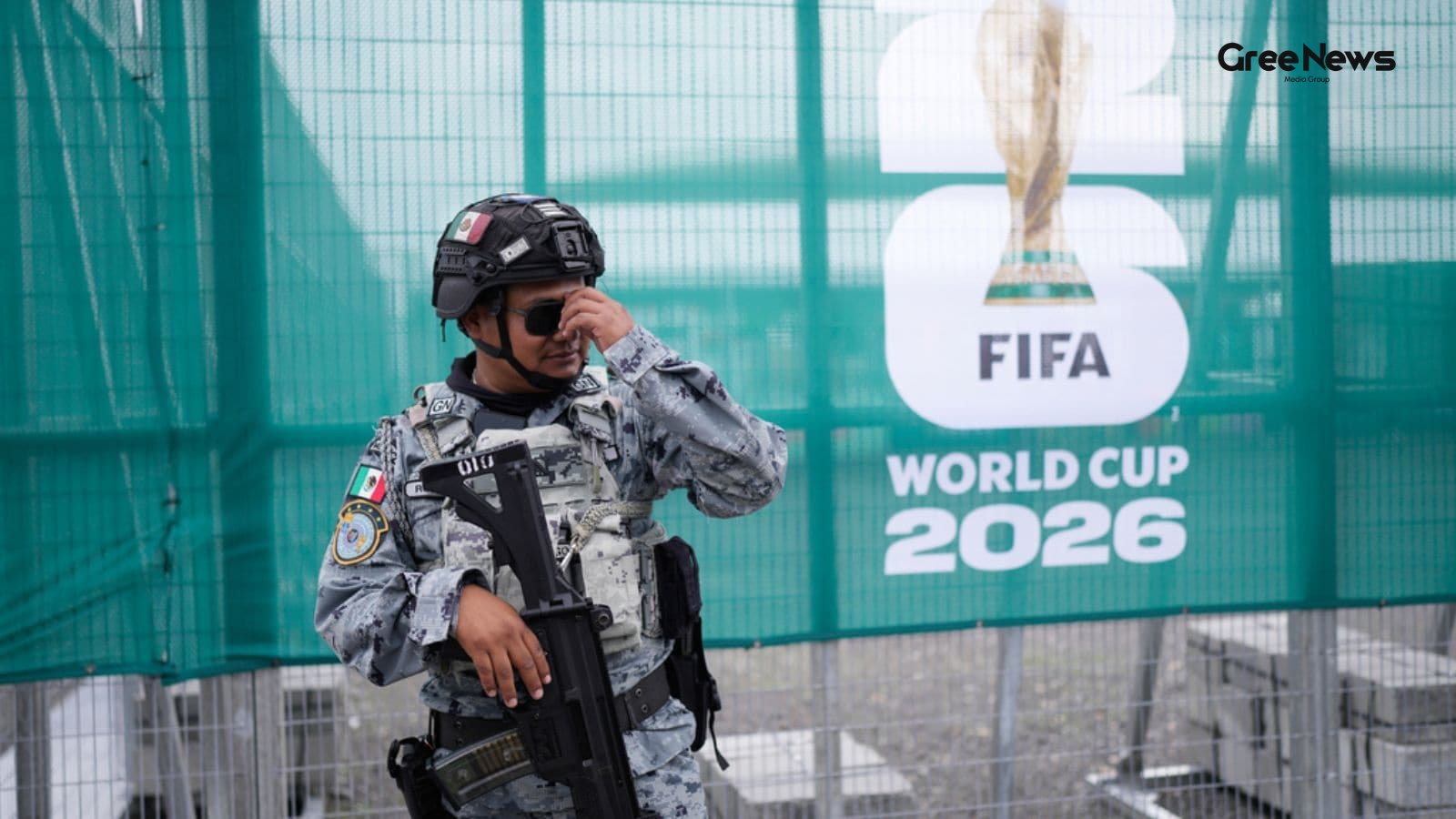
Protest and Political Standoff in Mexico City Before the World Cup
A protest choked off an avenue leading right to Mexico City’s Azteca Stadium for hours on Tuesday. It was just days before that massive World Cup opening match. As football fans started flooding in, all those co-hosts the US, Canada, and Mexico you see the real mess happening back home. Thousands of
Jun 10, 2026 by Gree News Team
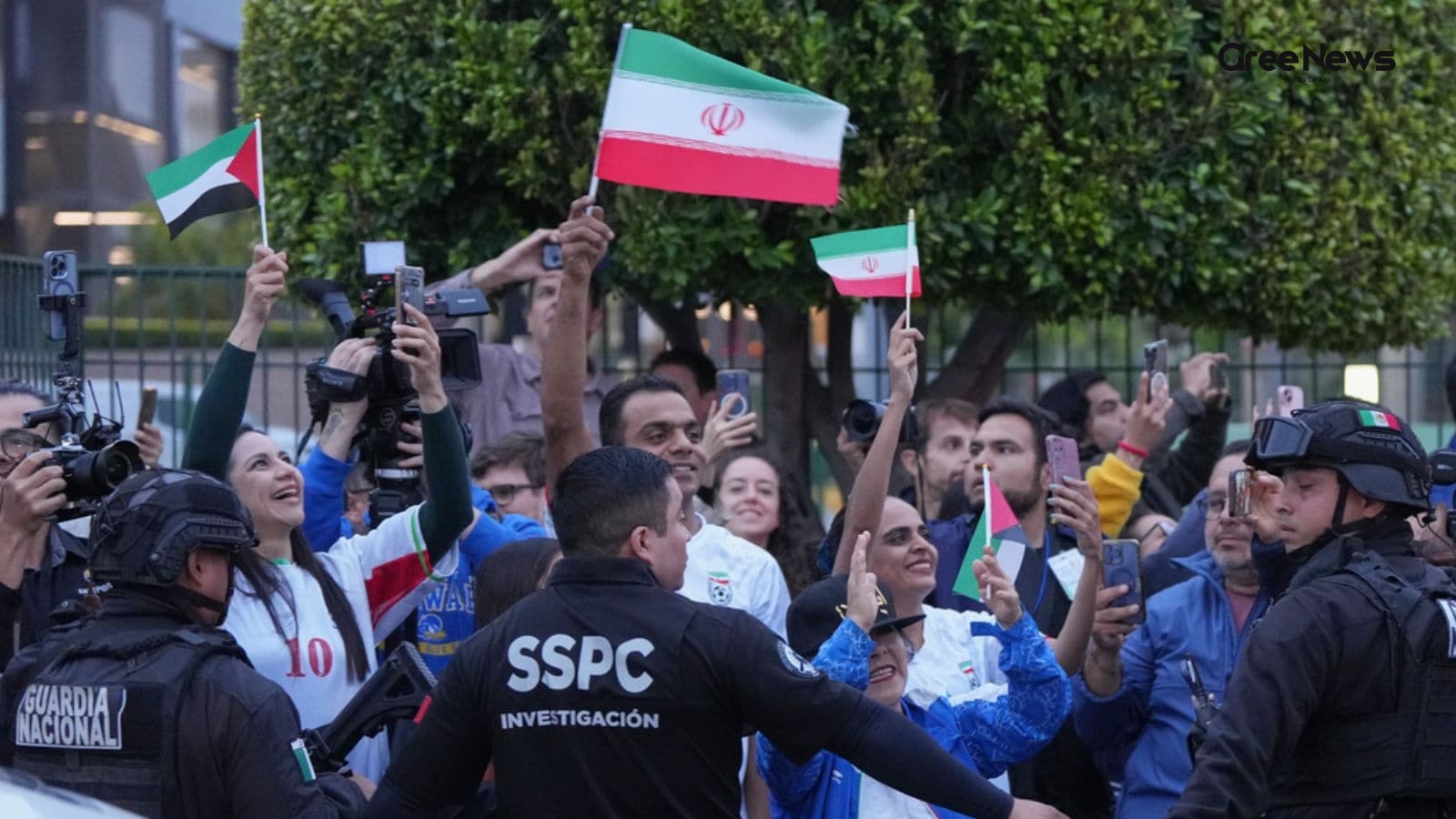
Iran Football Team Travel and World Cup Arrangements
Iran’s football team is heading to Los Angeles, apparently. They announced Tuesday that they'll be flying there the day before their first group-stage game against New Zealand. It feels like a lot happening all at once. But where exactly will they be staying? They won't actually be in L.A. for long.
Jun 10, 2026 by Gree News Team
Latest Headlines
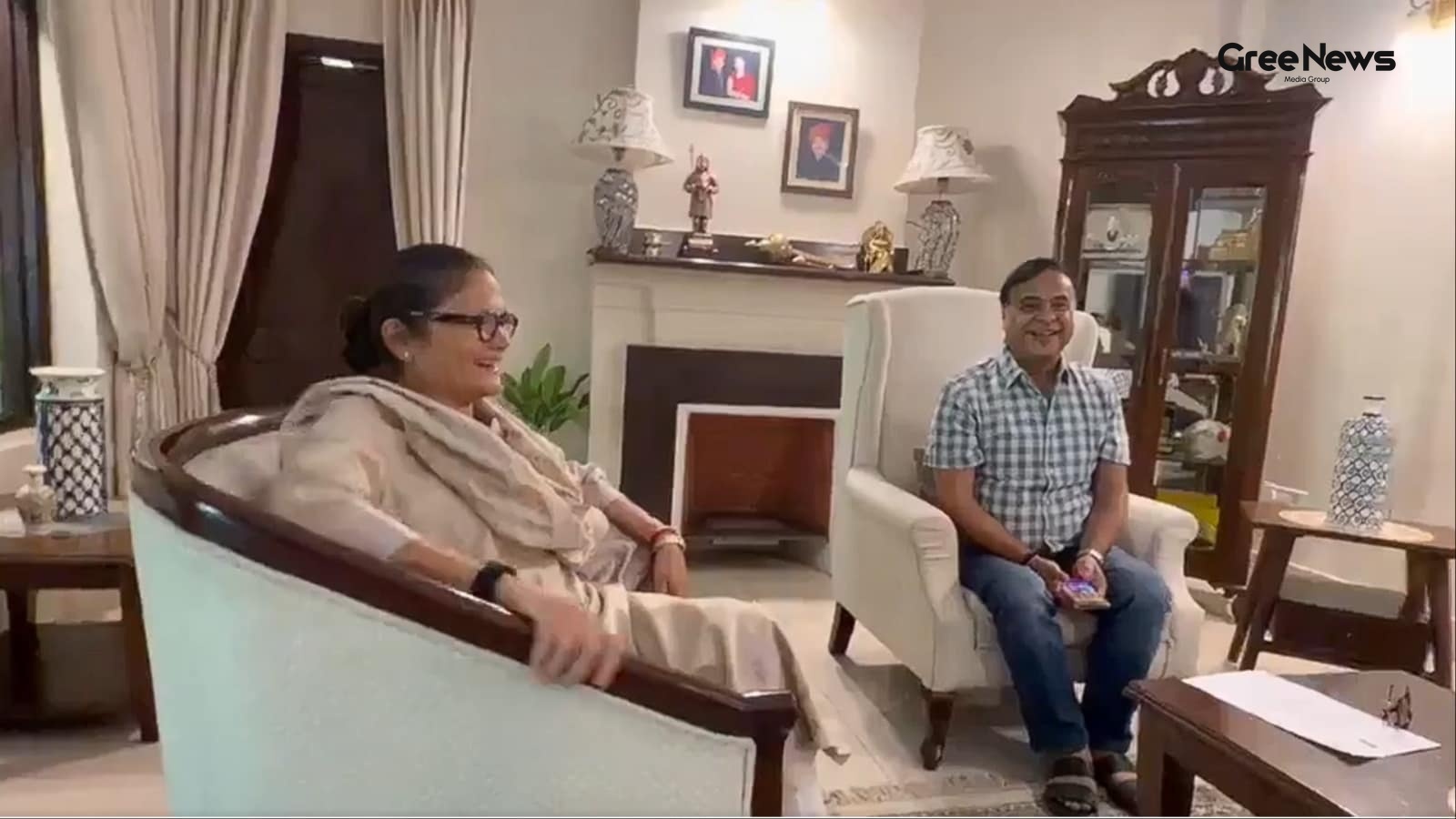
Political Speculation and Internal Turmoil within the TMC
Fresh visuals surfaced of Sushmita Dev meeting Assam Chief Minister Himanta Biswa Sarma. That kind of thing just kicks the speculation into high gear about her next move. It’s all about her potential entry into the BJP, right? This happened right after she stepped down from Rajya Sabha and walked ou
Jun 10, 2026 by Gree News Team
FIFA World Cup 2026: Structure, Geography, and the Official Match Ball
The FIFA World Cup 2026 is really starting to feel imminent now. It’s heading toward North America the USA, Mexico, and Canada are slated to host this massive global spectacle. People are talking about it constantly. It’s not just a standard tournament anymore. This time around, they’re throwing way
Jun 10, 2026 by Gree News Team
Lionel Messi and Argentina's World Cup Journey in Group J
Argentina’s taking on Group J in this new setup USA, Mexico, and Canada it feels like more than just football now. It’s about that farewell, isn't it? Lionel Messi is chasing something special right now, playing out this final chapter with the Albiceleste against Algeria, Austria, and Jordan. There’
Jun 10, 2026 by Gree News Team
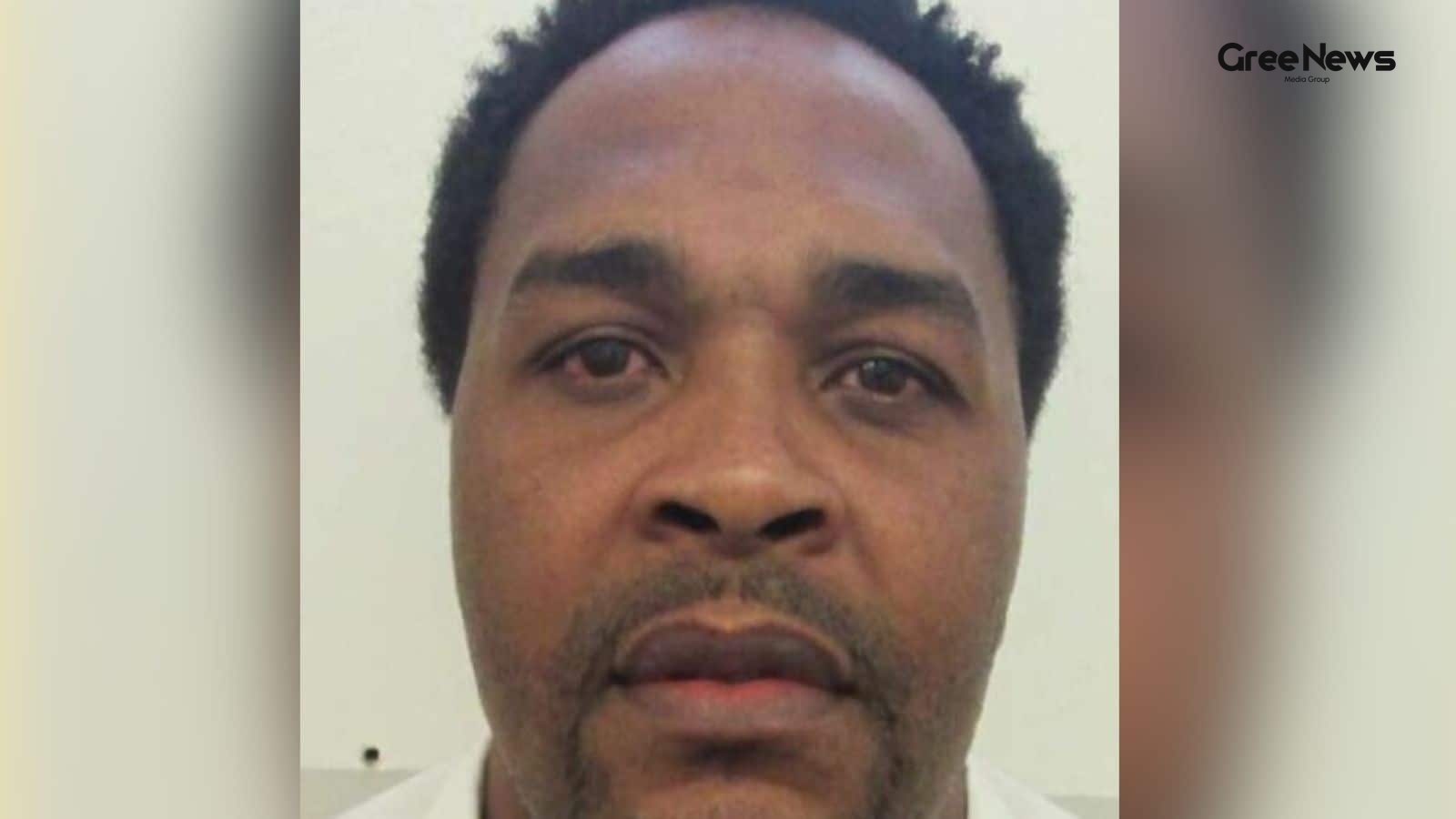
Federal Judge Bars Nitrogen Gas Execution in Alabama
A federal judge just slammed the door shut on Alabama’s plan to use nitrogen gas for executing Jeffery Lee. Permanently barred it, ruling the method violated basic constitutional rights about cruel and unusual punishment. This decision dropped like a stone. It came just one day after an appeals cour
Jun 10, 2026 by Gree News Team
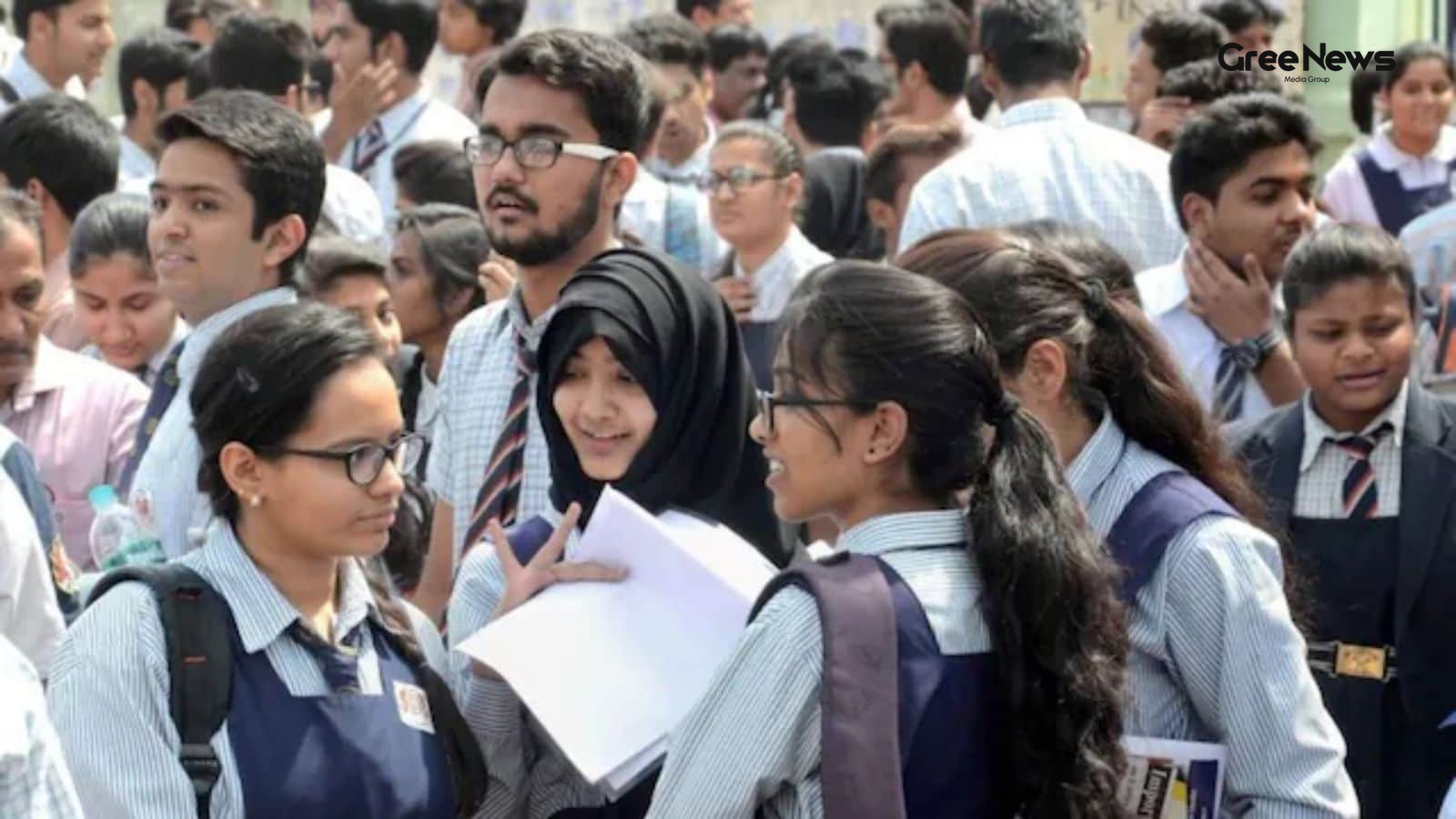
Kerala Board Plus One Results 2026 Announcement and Checking Methods
The Kerala Board Plus One results for 2026 are finally coming today, June 10th. That’s when the Directorate of Higher Secondary Education will officially announce everything. Students who took the DHSE Kerala Class 11 exams in 2026 can start checking their scores now. You have a few places to look,
Jun 10, 2026 by Gree News Team
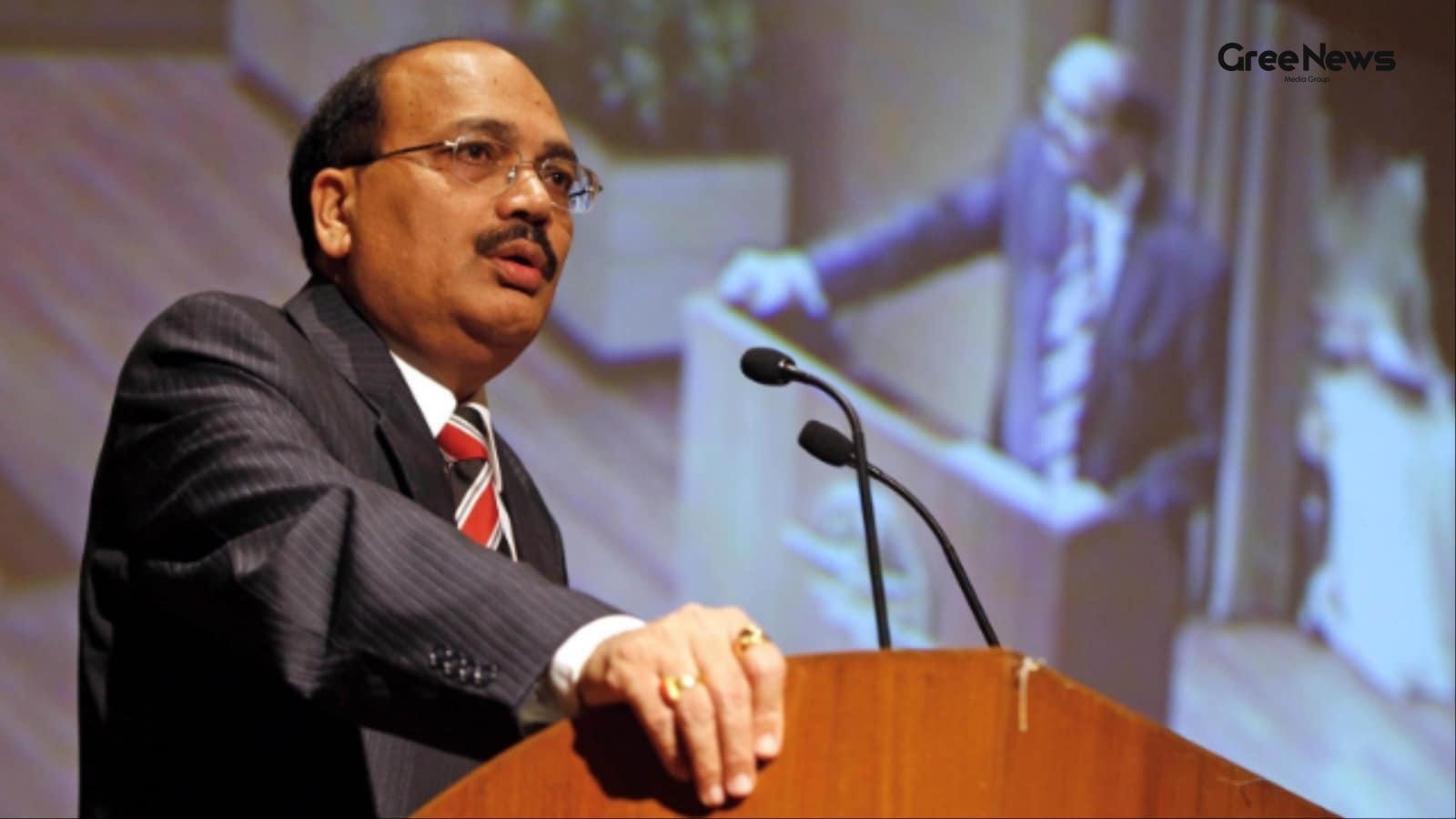
Threats and Intimidation Against Former Judge Justice Gautam Patel
Chief Justice Surya Kant stepped in on the matter involving threats and intimidation aimed at former Bombay High Court judge Justice Gautam Patel. This happened while he was visiting the UK, raising the issue with India’s High Commissioner there. It came out of a report by The Times of India. The wh
Jun 10, 2026 by Gree News Team
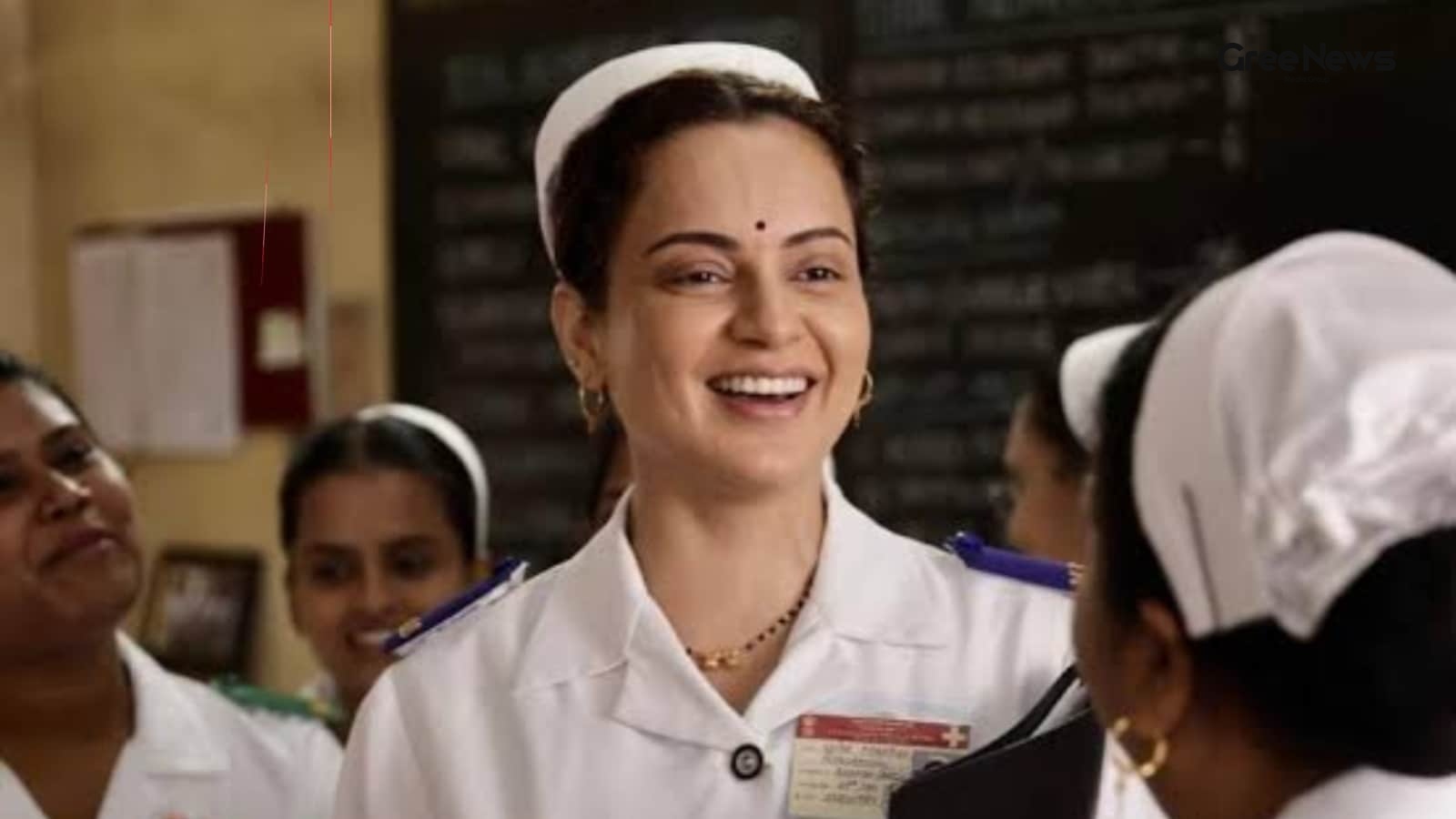
Intersection of Art, Politics, and Public Morality at Film Screening
The buzz around the screening for ‘Bharat Bhhagya Viddhaata’ was definitely something special that Tuesday evening in Delhi. It wasn't just about watching a movie; it felt like a convergence a mix of film fans, some political heavyweights, and a surprising amount of high-level government presence. P
Jun 10, 2026 by Gree News Team
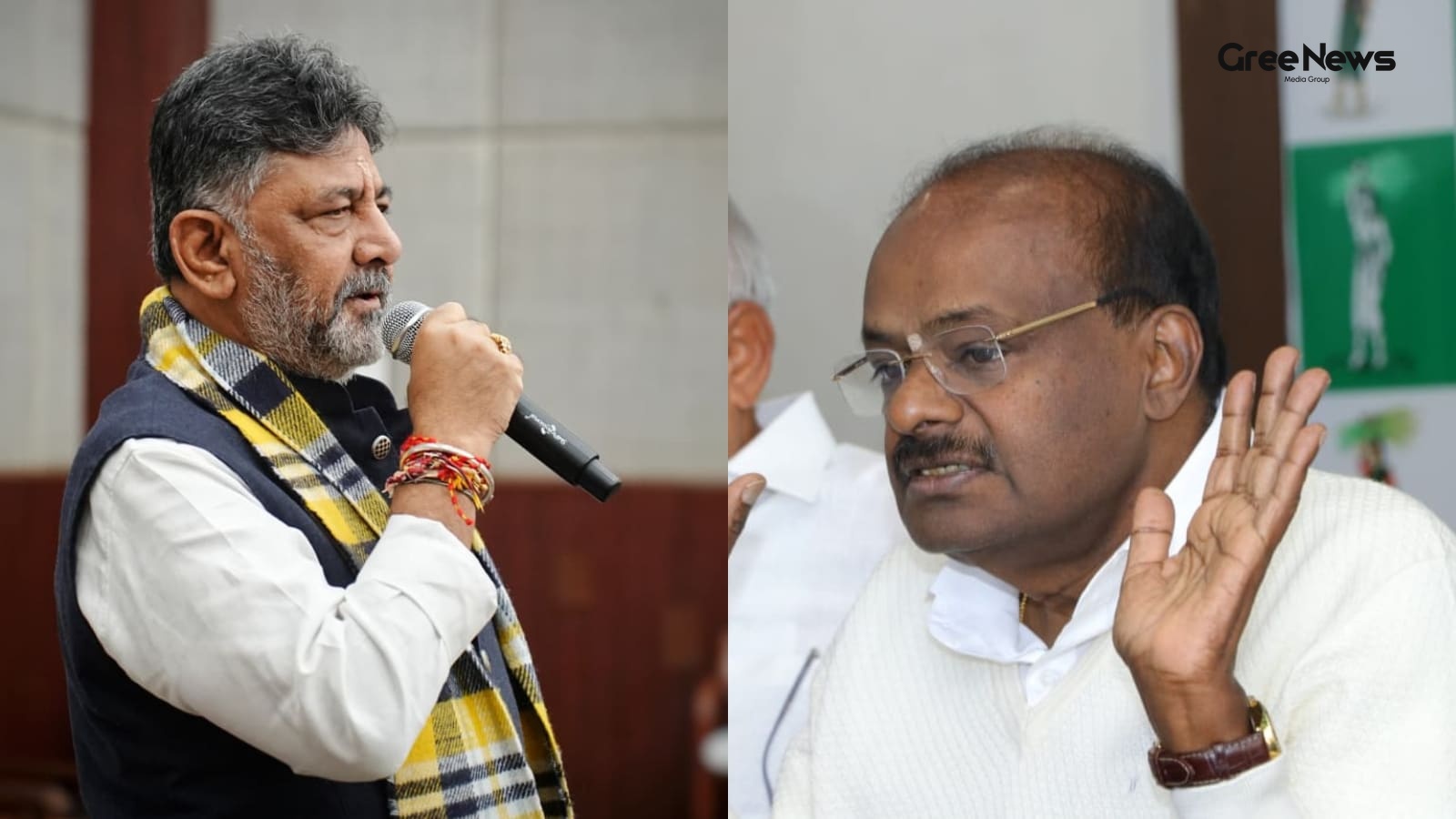
The Political Feud: Shivakumar vs. Kumaraswamy and the Vokkaliga Rivalry
A meeting that hasn't even happened is already sparking political sparring. Karnataka Chief Minister DK Shivakumar and Union Minister HD Kumaraswamy. It just underlines how bitter one of the state’s longest-running rivalries still is. Shivakumar was doing some outreach, a carefully choreographed exe
Jun 10, 2026 by Gree News Team
Protest and Political Standoff in Mexico City Before the World Cup
A protest choked off an avenue leading right to Mexico City’s Azteca Stadium for hours on Tuesday. It was just days before that massive World Cup opening match. As football fans started flooding in, all those co-hosts the US, Canada, and Mexico you see the real mess happening back home. Thousands of
Jun 10, 2026 by Gree News Team
The Global Nuclear Arms Race: Spending, Capabilities, and Future Risks
Nearly eight decades since Hiroshima and Nagasaki. And the world’s nuclear powers aren't slowing down. They keep spending more, modernizing faster, and experts are watching them move weapons out of storage and into potential use. It’s a real arms race happening right now. The nine states that hold n
Jun 10, 2026 by Gree News Team
The Chaos of Cinema: Volume, Competition, and the Shifting Market
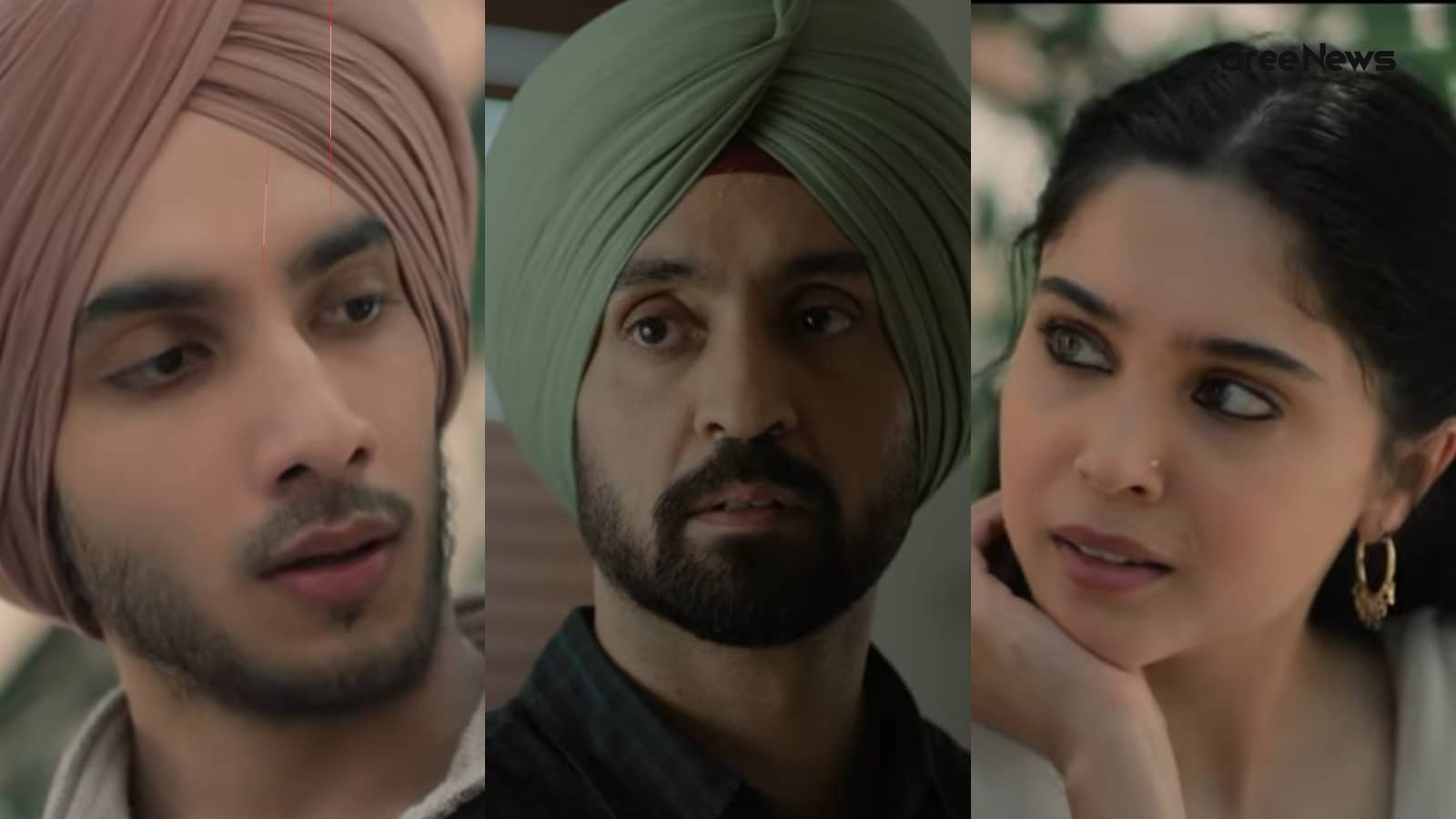
The Friday arrived packed. June 12th. It wasn't just another day; it was a collision of cinema. Nine films, all hitting the screens at once. *Main Vaapas Aaunga*, Imtiaz Ali’s directorial effort. Then you had Kangana Ranaut’s *Bharat Bhhagya Vidhaata*. And the horror mixed in Vikram Bhatt’s *Haunted
Jun 10, 2026 by Gree News Team

Stock Market Updates: June 10th Performance and Sector Analysis
Stock market updates today, June 10th. Everything turned sour in late trading Wednesday. Domestic equity markets basically gave up all those gains they managed to hold during the day. Heavy selling hit midcap, smallcap stocks, plus metals, realty, and financial names dragging the main indices into n
Jun 10, 2026 by Gree News Team
Iran Football Team Travel and World Cup Arrangements
Iran’s football team is heading to Los Angeles, apparently. They announced Tuesday that they'll be flying there the day before their first group-stage game against New Zealand. It feels like a lot happening all at once. But where exactly will they be staying? They won't actually be in L.A. for long.
Jun 10, 2026 by Gree News Team

The Impact of Gen AI on Job Applications and Hiring Strategies
When you start looking for a job, everyone builds this whole structure: the résumé, that killer cover letter, tailoring it perfectly. The whole point was always that application could make you jump out from the crowd of hundreds of applicants. But honestly? Recruiters are starting to think that play
Jun 10, 2026 by Gree News Team
Narendra Modi's Milestone: India's Longest-Serving Prime Minister
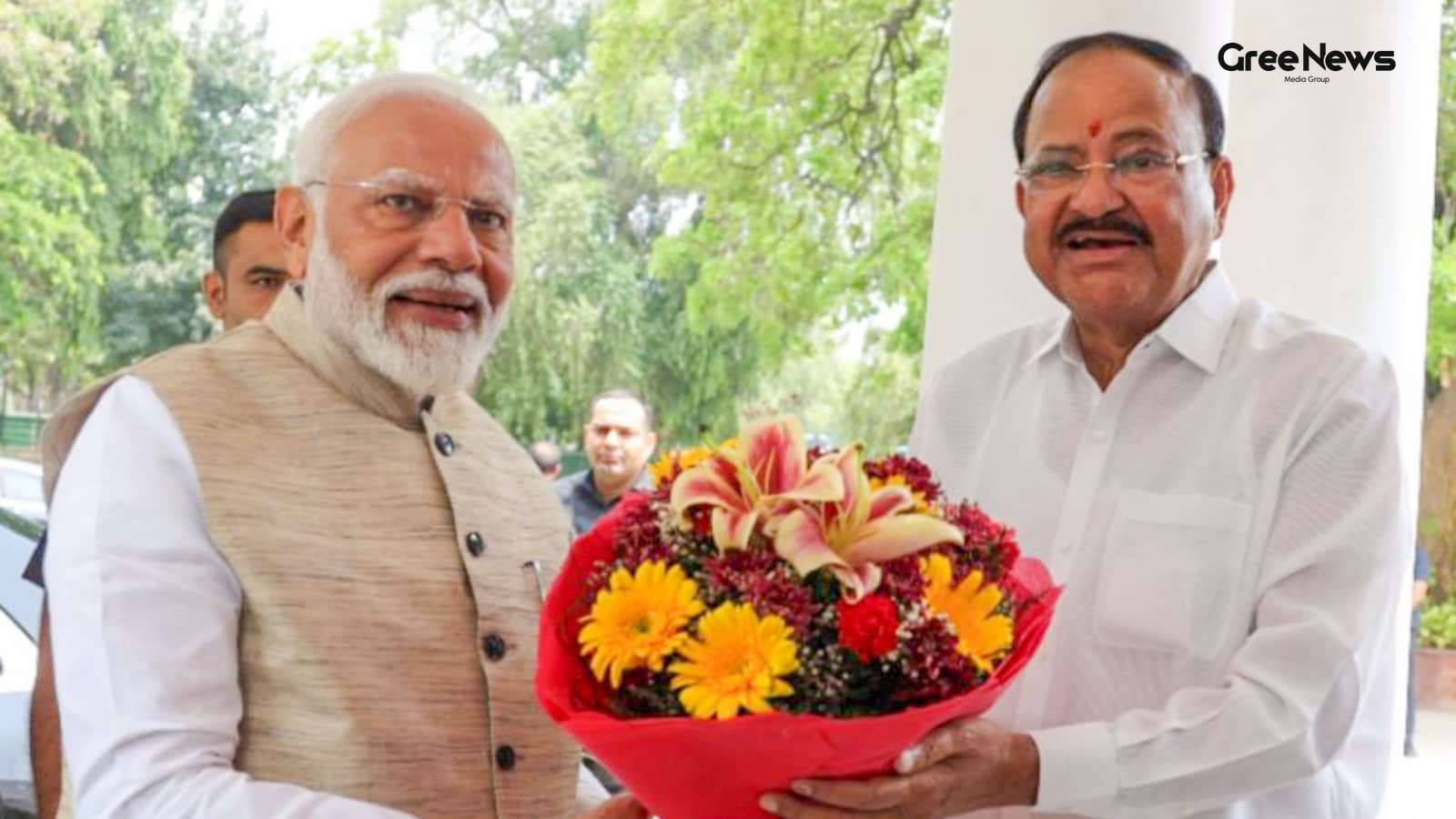
Narendra Modi just hit a huge milestone. India’s longest-serving elected Prime Minister. Forty-three hundred ninety-nine days in office now. That beats Nehru's record, which was the first one. Former Vice President Venkaiah Naidu spoke about it. He praised the leadership and everything Modi has done
Jun 10, 2026 by Gree News Team