Bullion Market Dynamics: Geopolitics, Policy, and Commodity Flows

The market just keeps moving, doesn't it? Even when you try to pin down a single number, the whole thing feels like a chaotic mess of whispers and sharp, sudden drops. That’s what you see in the bullion space right now.
The Multi Commodity Exchange of India, the MCX , it just shuts down. Saturdays and Sundays. It’s a strange rhythm, this pause in the trading, a forced quiet in the middle of all the global noise. It just sits there, waiting.
And Friday brought another dip. Gold prices saw a slight decline. Not a crash, not a total collapse, but a noticeable retreat. It’s always these subtle shifts that catch you off guard. You watch the numbers, and you realize the story isn't just about the immediate tick; it’s about the whole environment surrounding it.
Gaurav Garg, he’s one of those research analysts over at Lemonn Markets Desk. He points to the bigger picture, the stuff humming beneath the surface. He says the recent fluctuations in the bullion market? They’re mostly driven by those geopolitical tensions . Specifically, the friction between the US and Iran. And of course, you can’t ignore the constant, churning volatility of the Indian rupee. Then there’s the crude oil price dance. All of it feeds into the movement of gold. It’s a tangled knot, really.
Silver, though. Silver was surprisingly stubborn. It held its ground, staying flat. It hung there at Rs 2,71,000 per kilogram in the bullion market. A pause in the action, almost unnerving, considering the gold was already slipping.
But look across the pond. The international markets are doing their own thing. Spot gold, for instance, slipped a bit further. It dropped marginally lower, settling at $4,522.32 per ounce. And silver followed suit, slipping by one percent, down to $75.87 per ounce. Small moves, but they add up when you look at the pressure points.
Praveen Singh, head of commodities at Mirae Asset ShareKhan, he offers a different take on that gold dip. He frames it right back into the core conflict. He points out that even though there were some narrowing differences between Iran and the US, that underlying tension—the nuclear issues, the Hormuz control—that remains the central sticking point. It’s always that one thing that refuses to settle. It keeps the market jittery.
Meanwhile, the big players are still talking about the shipping routes. Washington is making its demands. They’re warning that shipping through the Strait of Hormuz needs to stay toll-free. That’s the line they keep pushing. It’s a reminder that even if diplomats are making some tentative progress, the real choke points remain firmly in place. Investors, naturally, remain cautious. That caution leaks into the metal prices.
It’s this constant interplay, isn't it? The macro world bleeding into the micro world of commodity prices.
And then there’s the domestic angle. Back in India, the government has been making moves, trying to manage the flow of money, trying to control the reserves. Remember that appeal from Prime Minister Modi last week? He asked people to hold back on buying gold for a year. A direct attempt to save forex reserves. It’s a policy move layered onto the market chaos.
And the response? The government acted. On Wednesday, they hiked the import duty on both gold and silver. They bumped it up to fifteen percent. The reason given was clear: to curb non-essential imports. They were trying to put a brake on the flow, especially amidst that West Asia crisis, which is putting immense pressure on those forex reserves.
The timeline of these changes is important. Effective May 13th, that import duty on gold and silver jumped from six percent straight up to fifteen percent. And don't forget platinum. That too got a hike, moving from 6.4 percent up to 15.4 percent. It’s a cascade of changes. Consequential adjustments were made across the board. Gold/silver dore, coins, findings—everything got adjusted. It’s messy, isn't it? One piece of regulation triggers a ripple effect across the entire system.
Then there’s the regulatory shift on silver itself. This is where things get tighter, more restrictive. On May 16th, the Centre tightened the import rules for certain types of silver bars. They changed the status. From "Free" to "Restricted." Immediately. This move came at a time when concerns about India’s import bill were already high. And the global uncertainty linked to that ongoing West Asia crisis just adds another layer of pressure.
The Directorate General of Foreign Trade, DGFT, they issued the notification on Saturday. It amended the import policy for specific categories of silver, those covered under Chapter 71 of the Indian Trade Classification, the HS 2022 schedule.
What does this actually mean on the ground? It means that silver bars—specifically those containing ninety-nine point nine percent or more silver by weight, or the 'Bar—Other' categories—they are no longer freely importable, not subject only to RBI regulations anymore. They are now classified as "Restricted."
This wasn't just an administrative tweak. It was a direct response to the pressure felt across the board. The move signals a clear intent to manage external flows. It’s tying the physical import of commodities directly to domestic financial and geopolitical concerns.
International market rates. Import duties. Taxes. And those constant, shifting exchange rates. All of these factors, they are the heavy weights determining the daily gold rates right here in India. They don't operate in a vacuum. They are all tangled together.
And why does this matter so much? Because in India, gold isn't just some abstract commodity. It’s deeply cultural. It’s woven into the fabric of the society. It’s an investment option, yes, but it’s also central to celebrations. Weddings, festivals—it’s tied to memory and tradition.
When the market is fluctuating wildly, when the geopolitics are screaming, and when the government is tightening the screws on imports, the people watching these prices are constantly monitoring. They are tracking the fluctuations closely. Staying updated isn't optional anymore. It’s crucial for navigating these dynamic, often unpredictable trends.
It’s a constant state of observation. You watch the gold, you watch the rupee, you watch the headlines about the Middle East, and you watch the government announcements about duties. All of it feeds into the daily rate. It’s a complicated, often messy reality. There’s no simple formula for it, only the relentless, uneven movement of forces pushing and pulling against each other.
Written by Gree News Team — Senior Editorial Board
Gree News Team covers international news and global affairs at Gree News. Our collective of senior editors is dedicated to providing independent, accurate, and responsible journalism for a global audience.
More from Business
View All
Stock Market Updates: June 10th Performance and Sector Analysis
Stock market updates today, June 10th. Everything turned sour in late trading Wednesday. Domestic equity markets basically gave up all those gains they managed to hold during the day. Heavy selling hit midcap, smallcap stocks, plus metals, realty, and financial names dragging the main indices into n
Jun 10, 2026 by Gree News Team
Stock Market Updates for Tuesday: Mixed Performance and Expert Analysis
Stock market updates for Tuesday, things were mixed. The domestic equity markets did manage to stay positive at noon, but they pulled back a bit on those opening gains. You could see some profit booking happening in IT and a few of the heavyweight stocks dragging things down slightly. The Nifty 50 t
Jun 9, 2026 by Gree News Team
N Chandrasekaran on AI: A Massive Growth Opportunity for IT Services
N Chandrasekaran, Chairman of Tata Consultancy Services, brought up the topic of artificial intelligence not as a distant threat but something much more immediate a massive growth opportunity for the IT services industry. He sought to calm whatever anxiety was out there about AI actually destroying
Jun 9, 2026 by Gree News Team
Banking Stocks Rally Driven by RBI Forex Swap Guidelines and Corporate Governance Concerns
Banking stocks took off Tuesday. It was a sharp move. The reason? The Reserve Bank of India finally dropped operational guidelines for that concessional forex swap facility. Something designed to pull foreign currency money in. The Nifty Bank index didn't just tick up; it jumped. We’re talking 1.77
Jun 9, 2026 by Gree News Team
Latest Headlines
Political Speculation and Internal Turmoil within the TMC
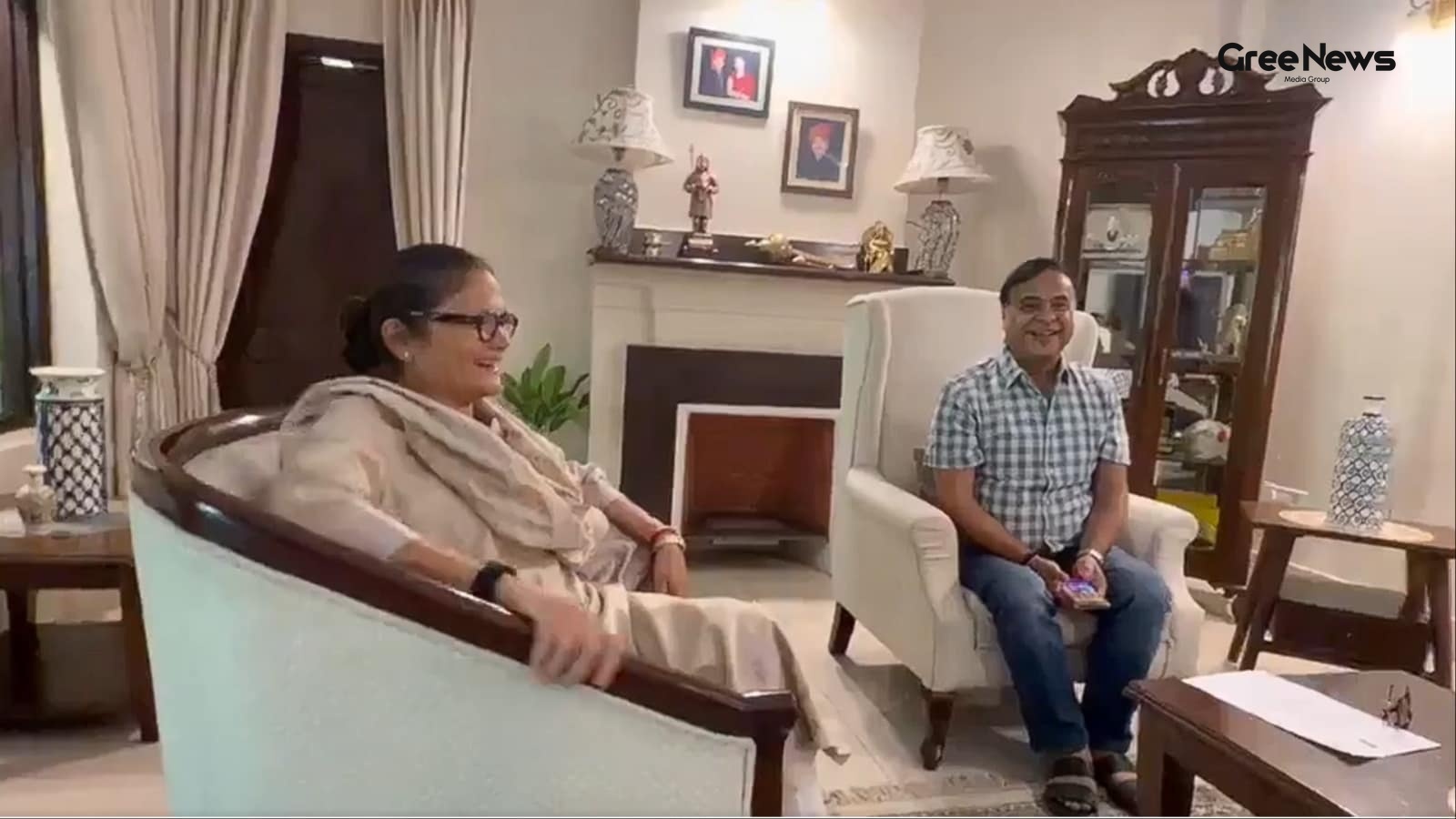
Fresh visuals surfaced of Sushmita Dev meeting Assam Chief Minister Himanta Biswa Sarma. That kind of thing just kicks the speculation into high gear about her next move. It’s all about her potential entry into the BJP, right? This happened right after she stepped down from Rajya Sabha and walked ou
Jun 10, 2026 by Gree News Team
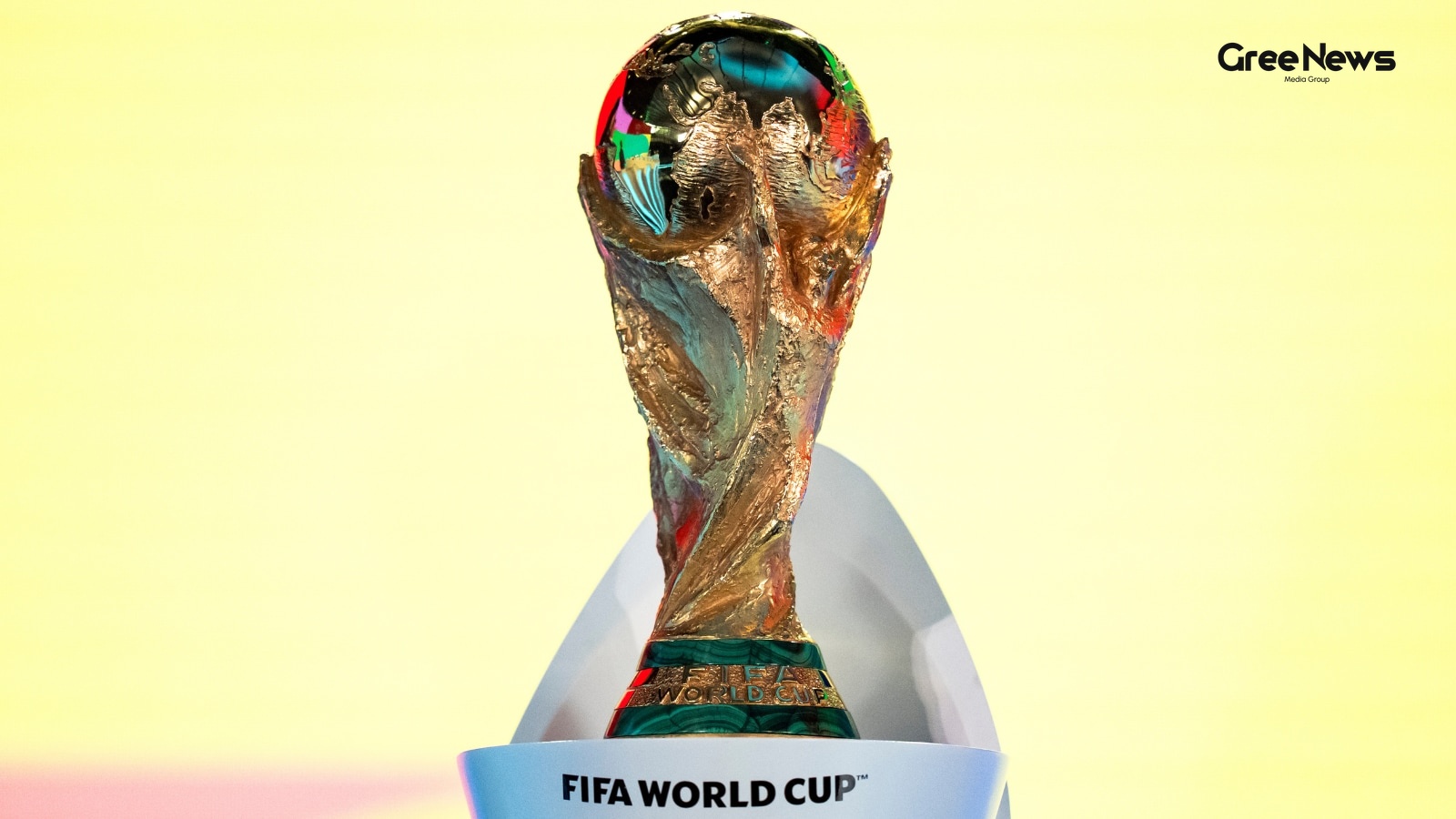
FIFA World Cup 2026: Structure, Geography, and the Official Match Ball
The FIFA World Cup 2026 is really starting to feel imminent now. It’s heading toward North America the USA, Mexico, and Canada are slated to host this massive global spectacle. People are talking about it constantly. It’s not just a standard tournament anymore. This time around, they’re throwing way
Jun 10, 2026 by Gree News Team
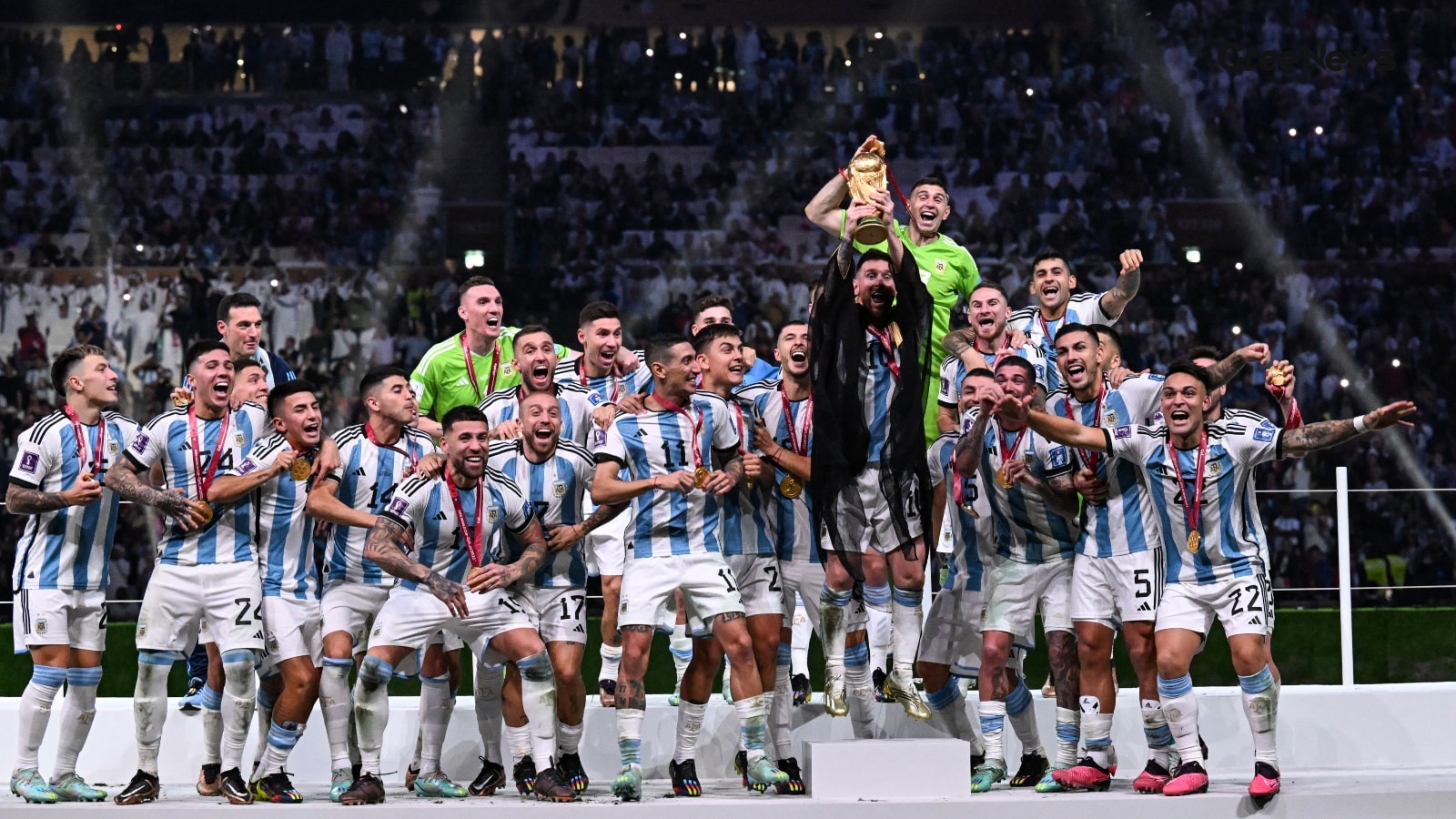
Lionel Messi and Argentina's World Cup Journey in Group J
Argentina’s taking on Group J in this new setup USA, Mexico, and Canada it feels like more than just football now. It’s about that farewell, isn't it? Lionel Messi is chasing something special right now, playing out this final chapter with the Albiceleste against Algeria, Austria, and Jordan. There’
Jun 10, 2026 by Gree News Team
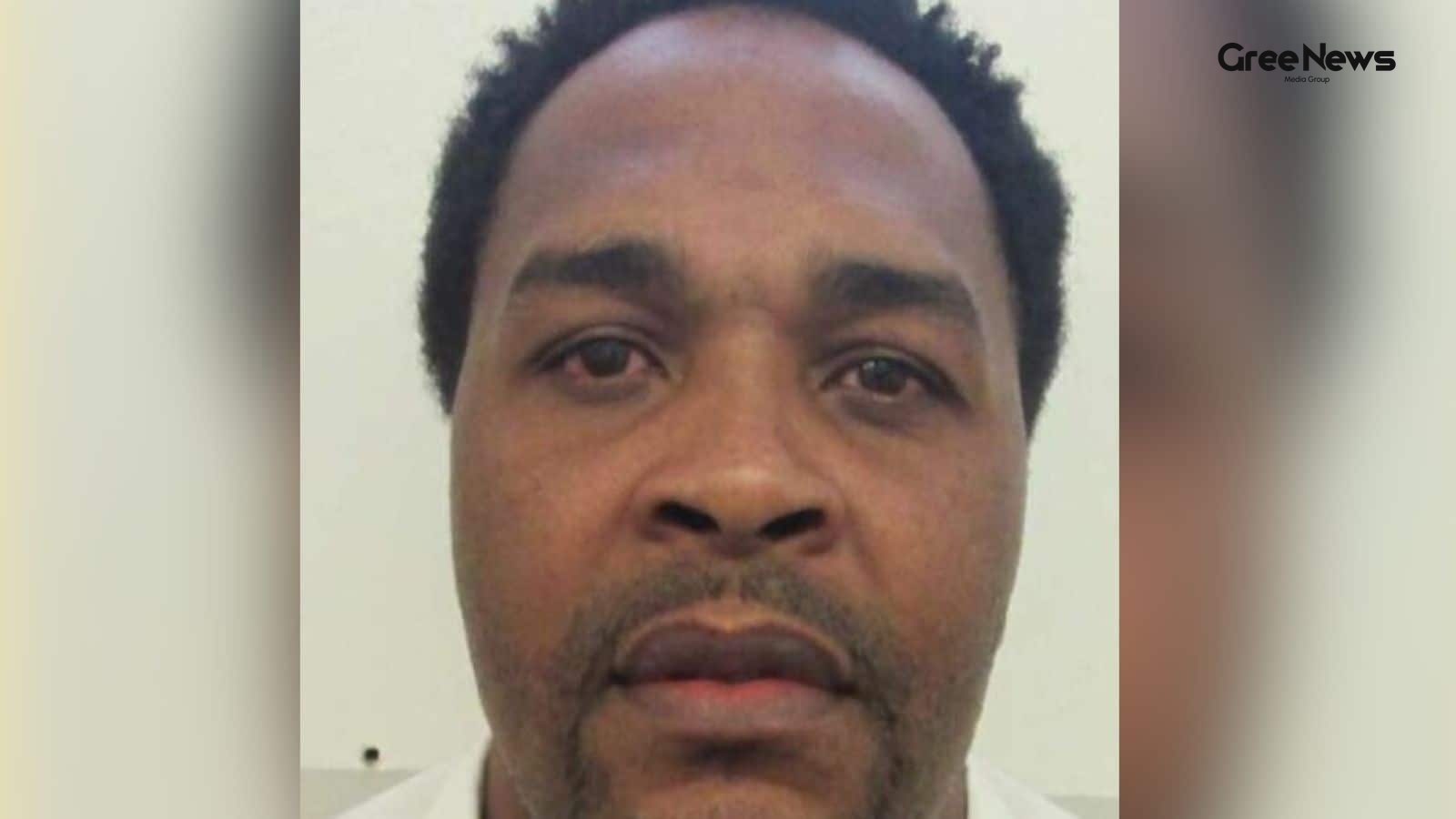
Federal Judge Bars Nitrogen Gas Execution in Alabama
A federal judge just slammed the door shut on Alabama’s plan to use nitrogen gas for executing Jeffery Lee. Permanently barred it, ruling the method violated basic constitutional rights about cruel and unusual punishment. This decision dropped like a stone. It came just one day after an appeals cour
Jun 10, 2026 by Gree News Team
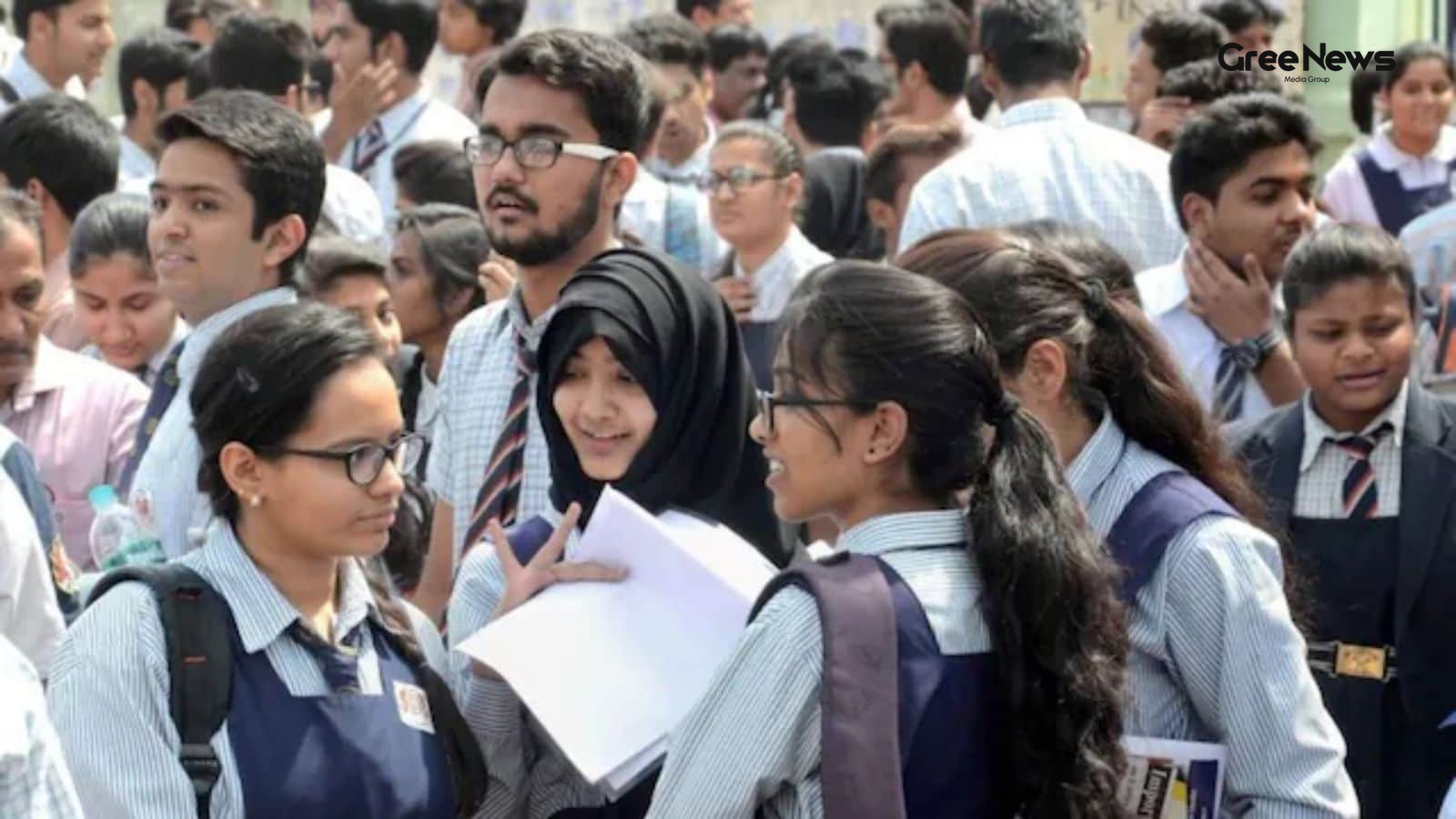
Kerala Board Plus One Results 2026 Announcement and Checking Methods
The Kerala Board Plus One results for 2026 are finally coming today, June 10th. That’s when the Directorate of Higher Secondary Education will officially announce everything. Students who took the DHSE Kerala Class 11 exams in 2026 can start checking their scores now. You have a few places to look,
Jun 10, 2026 by Gree News Team
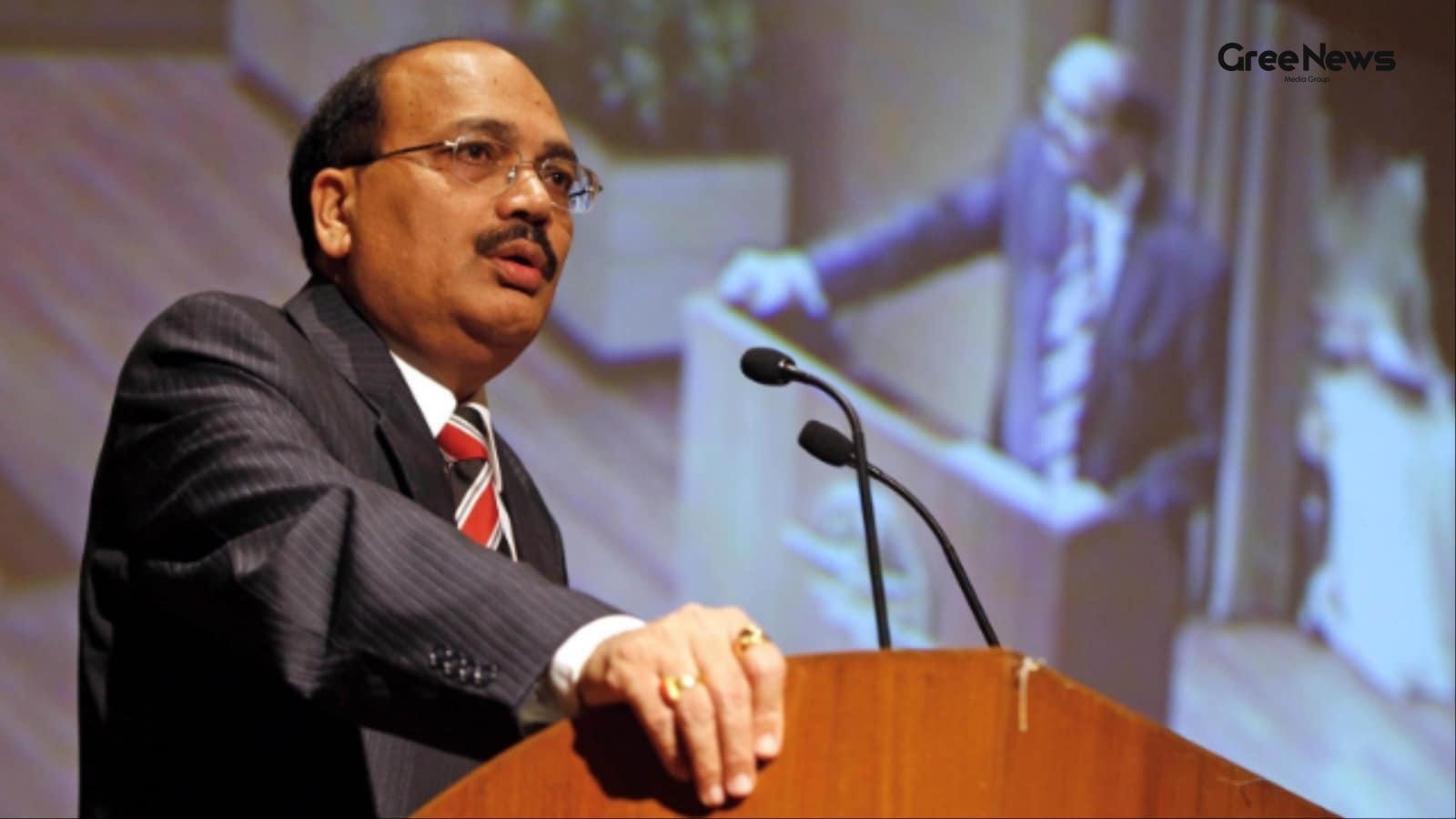
Threats and Intimidation Against Former Judge Justice Gautam Patel
Chief Justice Surya Kant stepped in on the matter involving threats and intimidation aimed at former Bombay High Court judge Justice Gautam Patel. This happened while he was visiting the UK, raising the issue with India’s High Commissioner there. It came out of a report by The Times of India. The wh
Jun 10, 2026 by Gree News Team

Intersection of Art, Politics, and Public Morality at Film Screening
The buzz around the screening for ‘Bharat Bhhagya Viddhaata’ was definitely something special that Tuesday evening in Delhi. It wasn't just about watching a movie; it felt like a convergence a mix of film fans, some political heavyweights, and a surprising amount of high-level government presence. P
Jun 10, 2026 by Gree News Team
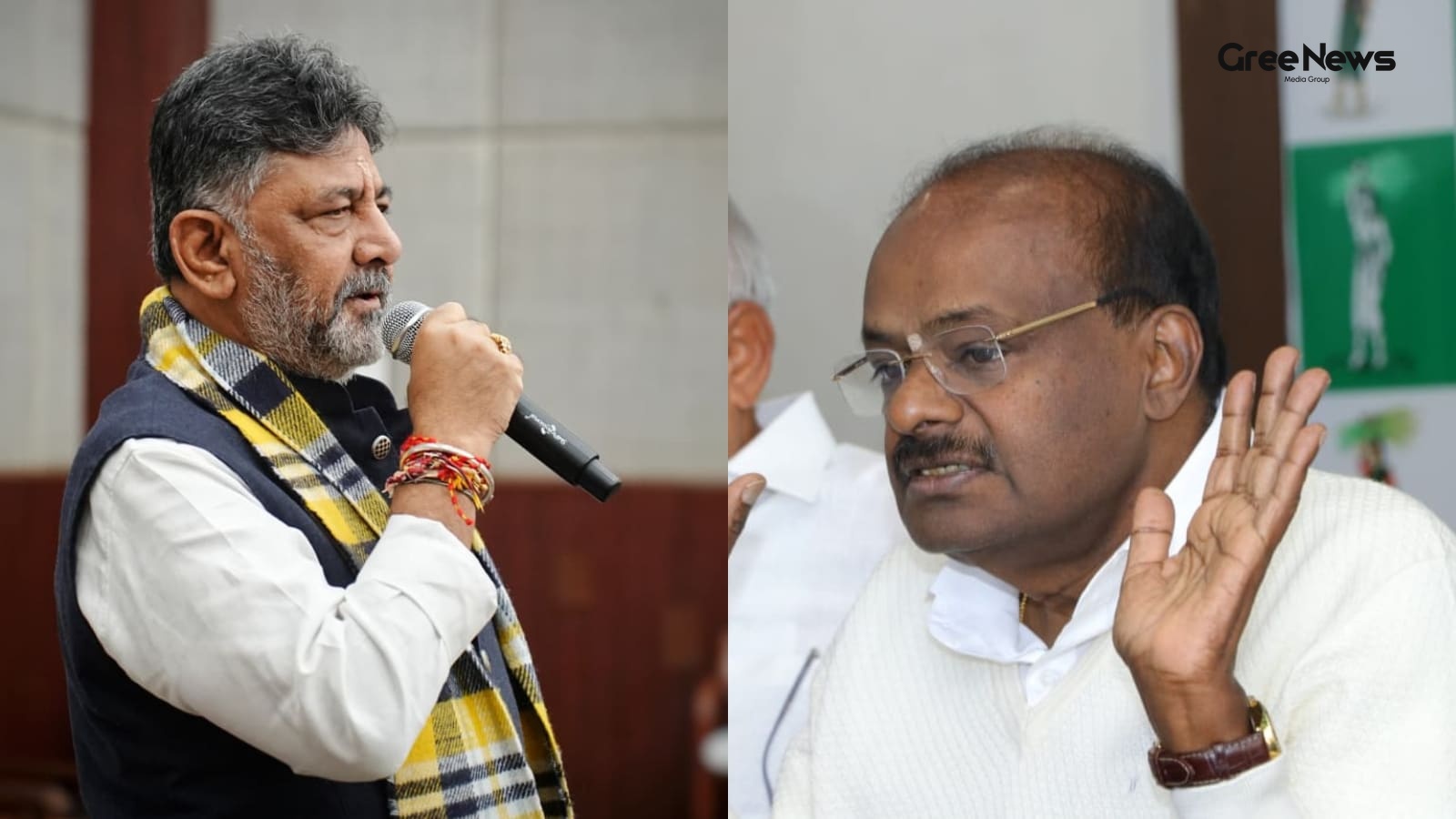
The Political Feud: Shivakumar vs. Kumaraswamy and the Vokkaliga Rivalry
A meeting that hasn't even happened is already sparking political sparring. Karnataka Chief Minister DK Shivakumar and Union Minister HD Kumaraswamy. It just underlines how bitter one of the state’s longest-running rivalries still is. Shivakumar was doing some outreach, a carefully choreographed exe
Jun 10, 2026 by Gree News Team
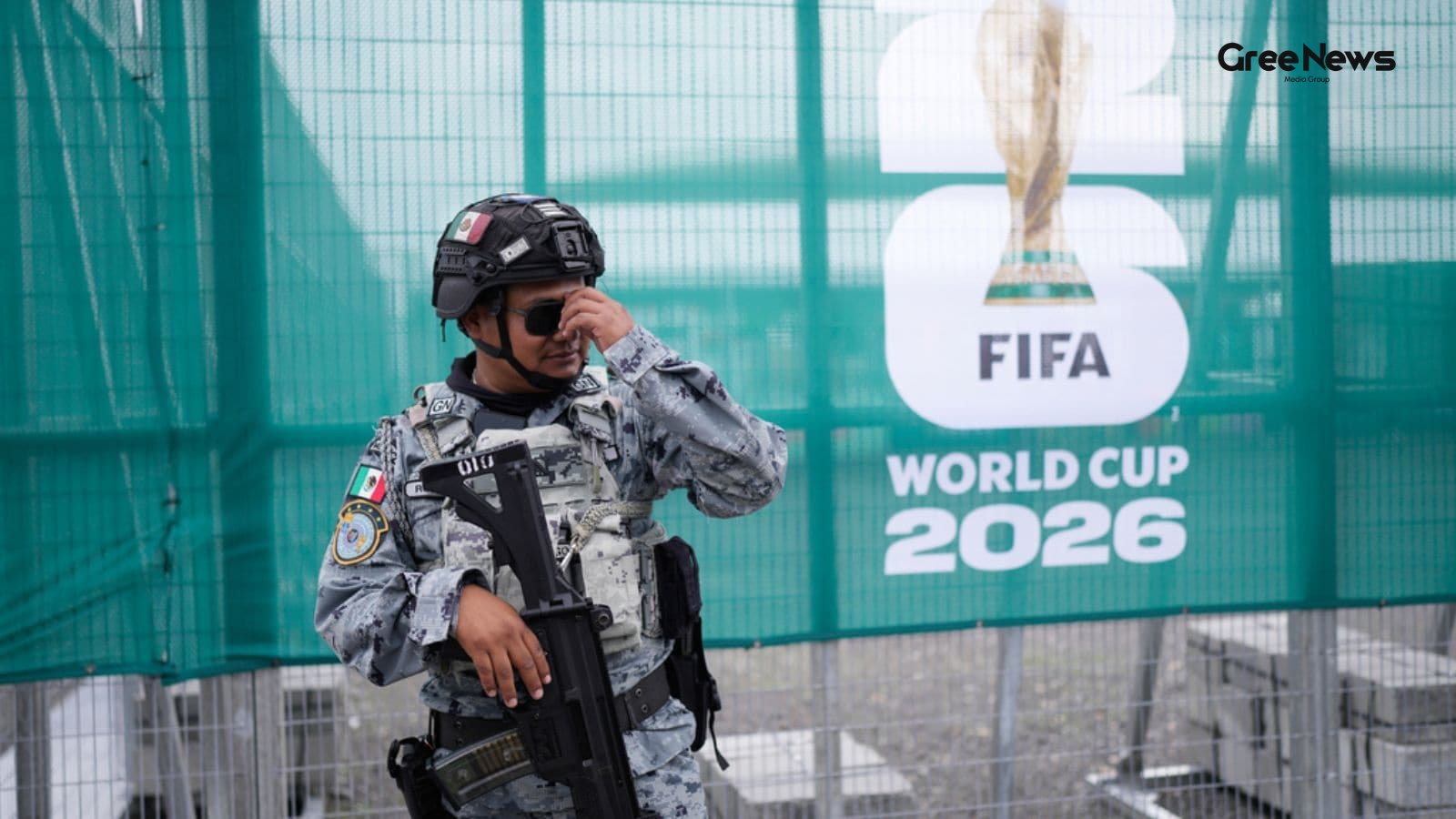
Protest and Political Standoff in Mexico City Before the World Cup
A protest choked off an avenue leading right to Mexico City’s Azteca Stadium for hours on Tuesday. It was just days before that massive World Cup opening match. As football fans started flooding in, all those co-hosts the US, Canada, and Mexico you see the real mess happening back home. Thousands of
Jun 10, 2026 by Gree News Team
The Global Nuclear Arms Race: Spending, Capabilities, and Future Risks
Nearly eight decades since Hiroshima and Nagasaki. And the world’s nuclear powers aren't slowing down. They keep spending more, modernizing faster, and experts are watching them move weapons out of storage and into potential use. It’s a real arms race happening right now. The nine states that hold n
Jun 10, 2026 by Gree News Team
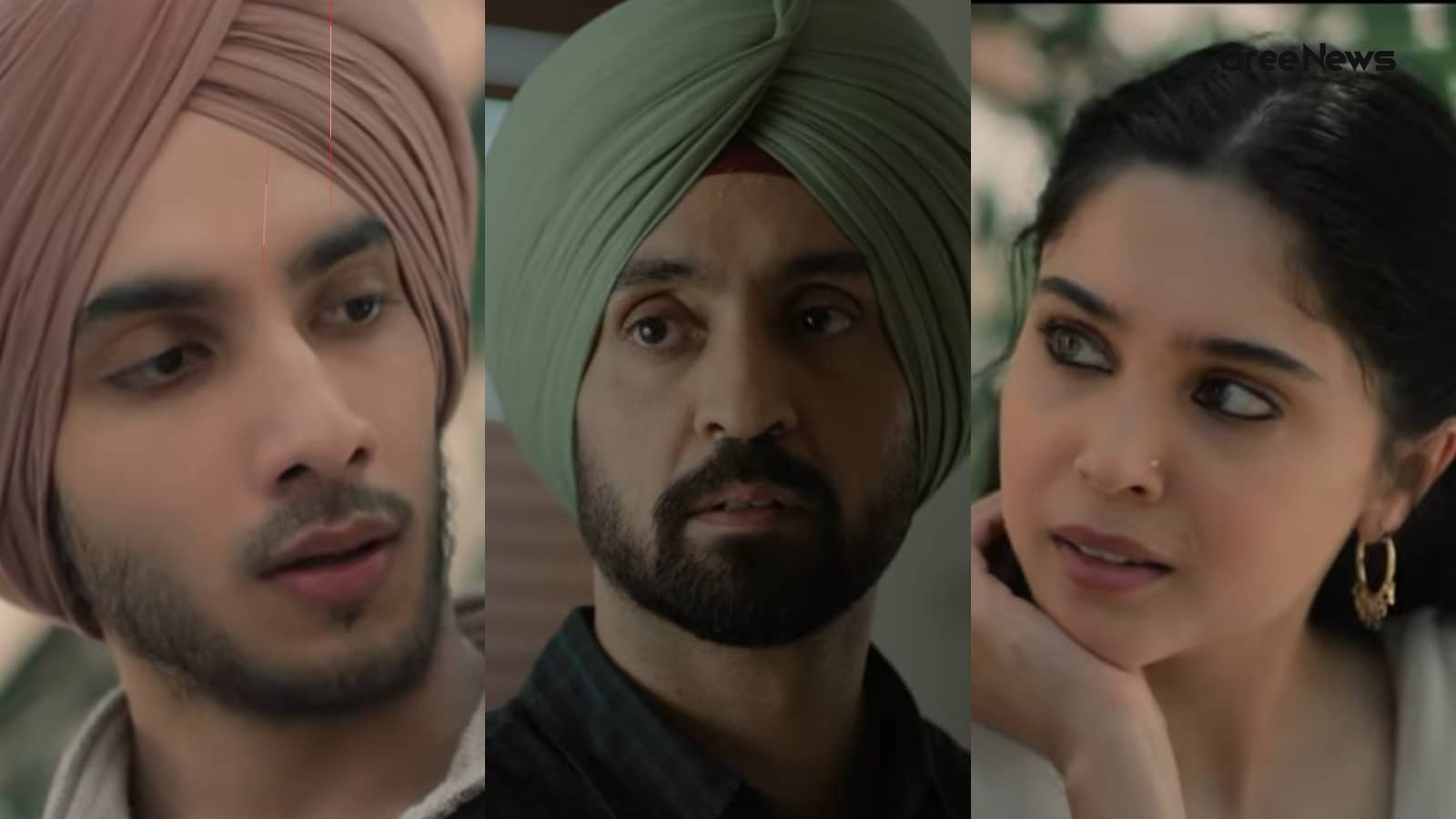
The Chaos of Cinema: Volume, Competition, and the Shifting Market
The Friday arrived packed. June 12th. It wasn't just another day; it was a collision of cinema. Nine films, all hitting the screens at once. *Main Vaapas Aaunga*, Imtiaz Ali’s directorial effort. Then you had Kangana Ranaut’s *Bharat Bhhagya Vidhaata*. And the horror mixed in Vikram Bhatt’s *Haunted
Jun 10, 2026 by Gree News Team
Stock Market Updates: June 10th Performance and Sector Analysis
Stock market updates today, June 10th. Everything turned sour in late trading Wednesday. Domestic equity markets basically gave up all those gains they managed to hold during the day. Heavy selling hit midcap, smallcap stocks, plus metals, realty, and financial names dragging the main indices into n
Jun 10, 2026 by Gree News Team
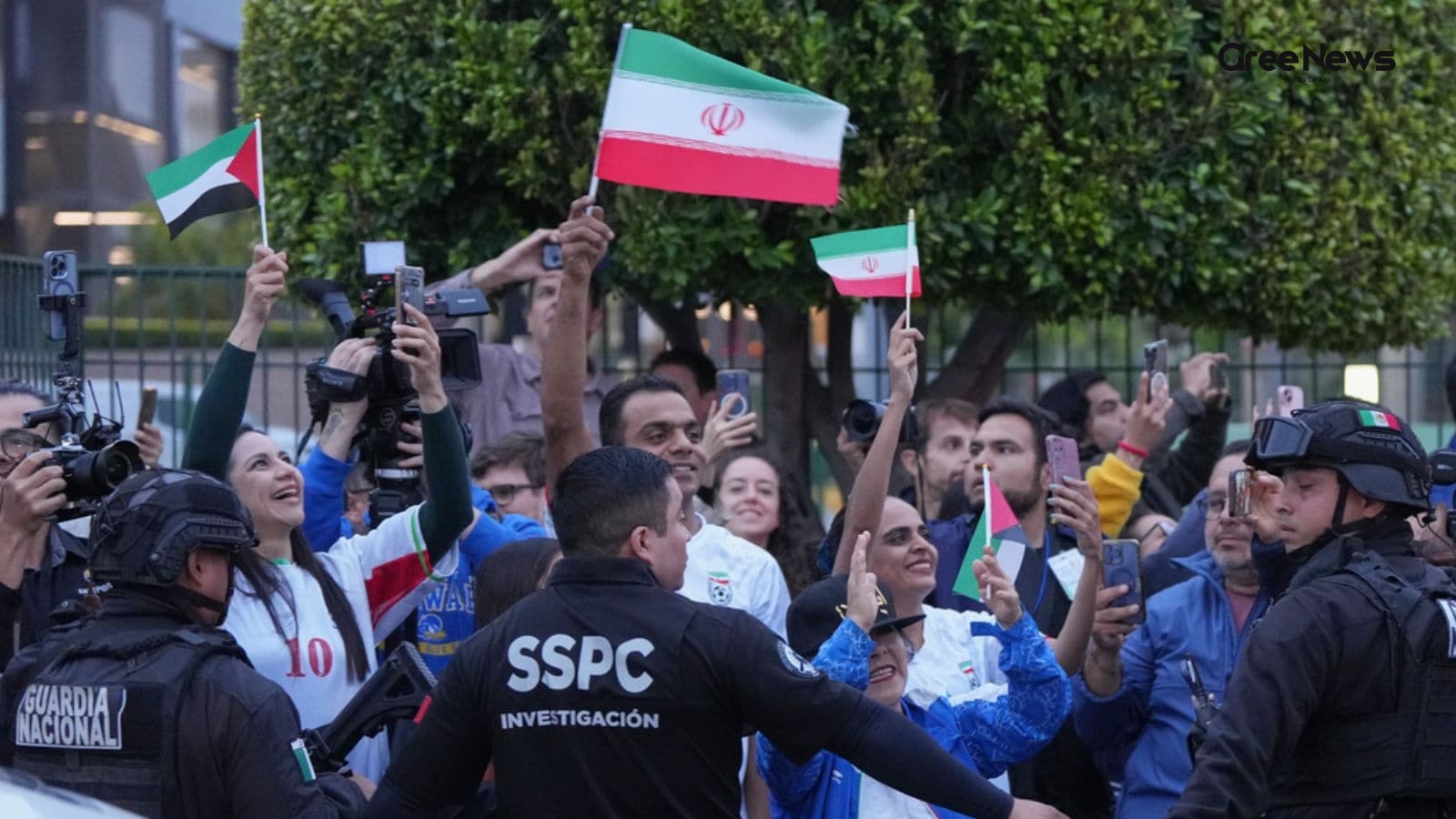
Iran Football Team Travel and World Cup Arrangements
Iran’s football team is heading to Los Angeles, apparently. They announced Tuesday that they'll be flying there the day before their first group-stage game against New Zealand. It feels like a lot happening all at once. But where exactly will they be staying? They won't actually be in L.A. for long.
Jun 10, 2026 by Gree News Team

The Impact of Gen AI on Job Applications and Hiring Strategies
When you start looking for a job, everyone builds this whole structure: the résumé, that killer cover letter, tailoring it perfectly. The whole point was always that application could make you jump out from the crowd of hundreds of applicants. But honestly? Recruiters are starting to think that play
Jun 10, 2026 by Gree News Team
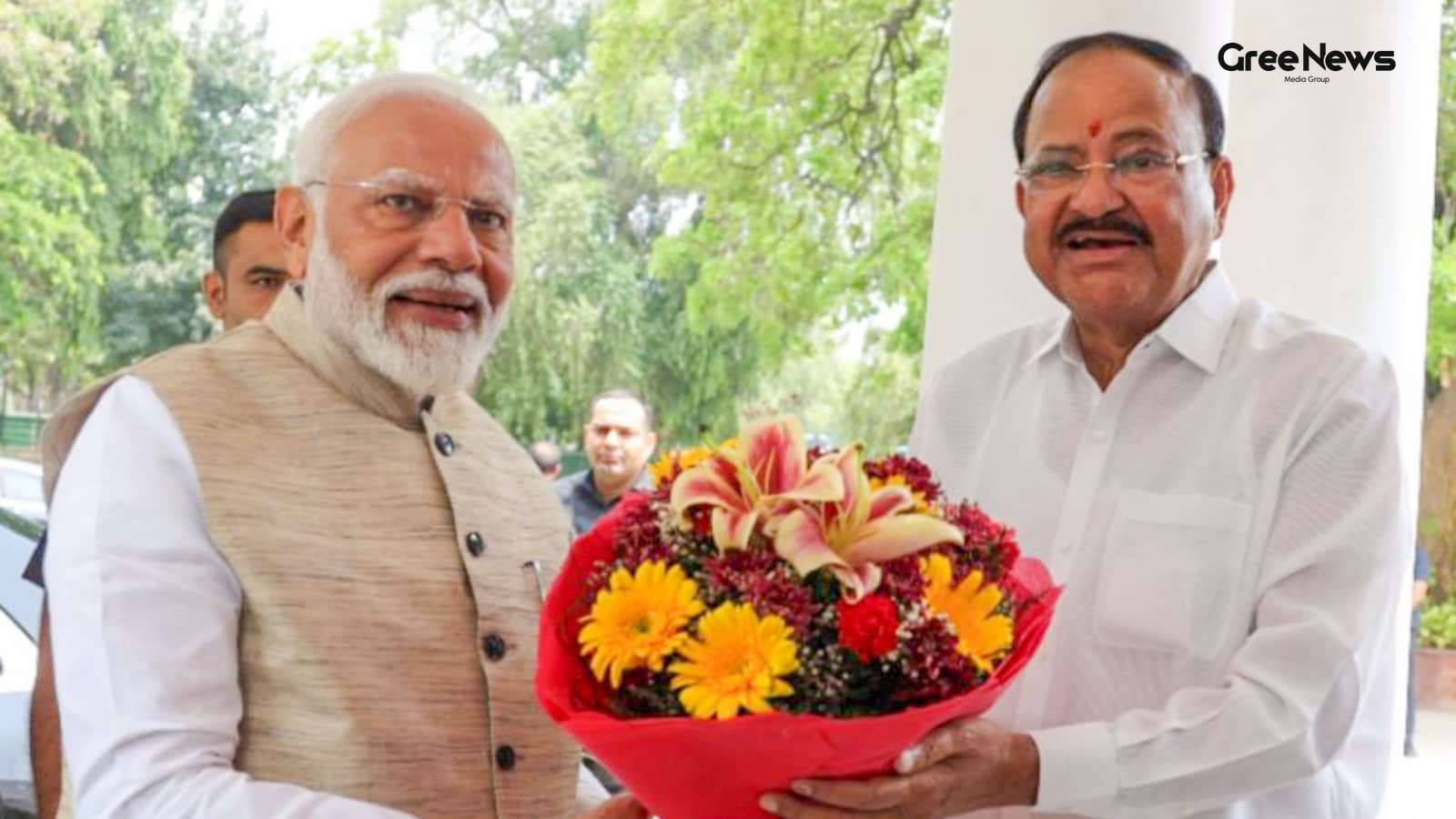
Narendra Modi's Milestone: India's Longest-Serving Prime Minister
Narendra Modi just hit a huge milestone. India’s longest-serving elected Prime Minister. Forty-three hundred ninety-nine days in office now. That beats Nehru's record, which was the first one. Former Vice President Venkaiah Naidu spoke about it. He praised the leadership and everything Modi has done
Jun 10, 2026 by Gree News Team