Election Commission of India's SIR: Legal Battle and Constitutional Implications
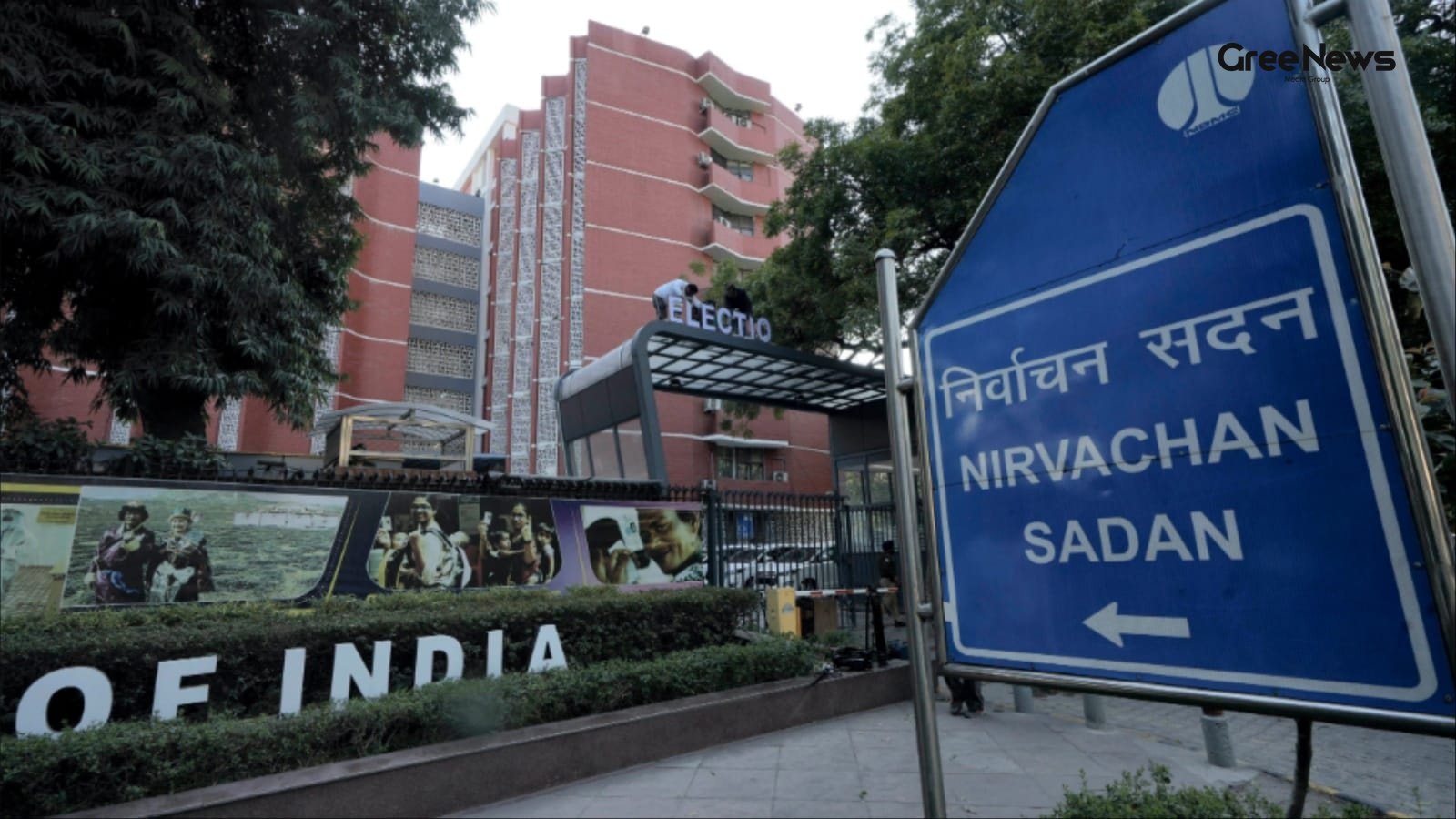
The Election Commission of India, you know, they didn't exactly jump for joy when the Supreme Court finally backed their move to conduct that Special Intensive Revision, the SIR . The reaction, if you can call it that, came through something rather unexpected. It was an old video resurfacing. A message from the Chief Election Commissioner. Something simple, almost too simple, but it carried the weight of their stance: “ECI was, is and will always be with the voters.” Just that.
It hit you right after the big ruling came down on Wednesday. The Supreme Court, led by Chief Justice Surya Kant, along with Justices Joymala Bagchi and Vipul M Pancholi, confirmed the constitutional validity of the entire SIR exercise. They basically said the poll body had acted within the rules they set up. That the exercise, despite the controversy, actually pushes toward the goal of having “free and fair elections.” A rather standard legal justification, but it felt heavy in the air.
You have to remember this was a massive legal fight, not just an administrative tweak. The court was looking at a whole batch of petitions. They were challenging the legality of this SIR process, specifically in states like Bihar and a few others. People were arguing the Election Commission just didn't have the necessary powers under Article 326 of the Constitution or the Representation of the People Act, 1950, to run such a huge verification sweep.
And the petitioners weren't just talking about numbers. They brought up bigger, more sensitive stuff. They suggested this whole revision looked suspiciously like an “NRC-like process.” They accused the Commission of stepping into the territory of citizenship verification. That, they argued, is the job of the Union government. The Commission, naturally, defended itself by sticking to the line that things like Aadhaar cards or voter IDs aren't some kind of final, conclusive proof of citizenship, anyway.
The court, though, they saw it differently. They backed the Commission’s position, mostly. They observed that the whole point of the exercise was meant to keep the electoral rolls accurate and intact. Not to somehow undermine the fundamental electoral rights themselves. It’s a fine line, isn’t it? Between administrative necessity and constitutional overreach.
When the judgment was being delivered, the court threw out these four main questions. These were the things that really mattered. Did the Election Commission actually have the authority to do the SIR ? Did this exercise violate any part of the Representation of the People Act?
The final answer, the core takeaway, was that yes, the Commission was empowered. The court made it clear.
“It can’t be said ECI acted outside the statutory powers by exercising SIR ,” the bench noted. And then they added the kicker: “It can’t be said ultra vires because the exercise is different from what is ordinarily conducted.” It’s a subtle but important distinction there. It’s not just about having the power; it’s about how that power is exercised.
The court really emphasized the connection. The SIR process, they said, “breathes life into the Representation of the People Act.” It has a direct link, a direct nexus, to that core constitutional aim: free and fair elections. It’s not just paperwork; it’s about the actual mechanics of democracy.
There was a moment where the court seemed to dismiss the idea that this was just some bureaucratic convenience. They explicitly stated they were “unable to conclude that the impugned exercise is a process resorted to solely for administrative convenience.” That felt like a necessary pushback against any notion that this was just some easy administrative chore.
On the contrary, the court insisted. “We hold that the electoral SIR advances the constitutional imperative of free and fair elections.” That’s the tone. It shifts the focus from procedure to purpose.
But then things got a little more complicated, the fine print of the limitations. The court didn't just let the Commission off the hook entirely. They had to address what happens when there are discrepancies. If the Commission finds something doesn’t add up with what an individual has submitted, what then?
The judges said that if the Commission isn't satisfied with the material an individual provided, they can decline enrolment or start deletion proceedings. But here’s the crucial part—the procedural requirement. They must do this strictly according to the law.
But there’s a catch, a necessary redirect. Where do you go next if someone is deleted? The court directed that these cases, those citizenship issues that arise, can’t just stay with the Commission. They have to be sent over. They must be referred to the competent Union government authority for the final decision on citizenship matters. That’s a big shift. It pulls the final adjudication outside the immediate electoral body.
And this leads to a very specific timeline. Individuals whose names get deleted, they need to be referred to that authority within four weeks. And that authority has to decide the claims after giving notice. They have to give people a real chance to be heard before any assembly or local body elections happen. That’s the procedural safeguard they insisted upon.
It all happened after the court had reserved its verdict back on January 29th. That date followed a massive amount of back-and-forth arguments. The NGO Association for Democratic Reforms, for instance, made some significant submissions. Their input was clearly factored in.
The rollout of this revision wasn't a one-off thing, either. The SIR process started in Bihar. But it’s not confined there. It has spread. It’s been carried out in Kerala, Tamil Nadu, Puducherry, and West Bengal. And it’s still ongoing, hanging over places like Uttar Pradesh, Gujarat, and Rajasthan. It’s a massive, sprawling operation, and the implications are still unfolding, piece by piece, slowly.
The video itself, that message from the Chief Election Commissioner about being with the voters, it just hangs there now. It seems to encapsulate the tension: the administrative necessity versus the constitutional promise. It’s a reminder that behind every roll number, there’s a deeper promise of democratic participation, something that the courts are now trying to enforce through these procedural checks. It’s messy, this process, isn't it? Full of procedural hurdles layered over a very simple, very urgent idea.
Written by Gree News Team — Senior Editorial Board
Gree News Team covers international news and global affairs at Gree News. Our collective of senior editors is dedicated to providing independent, accurate, and responsible journalism for a global audience.
More from India
View All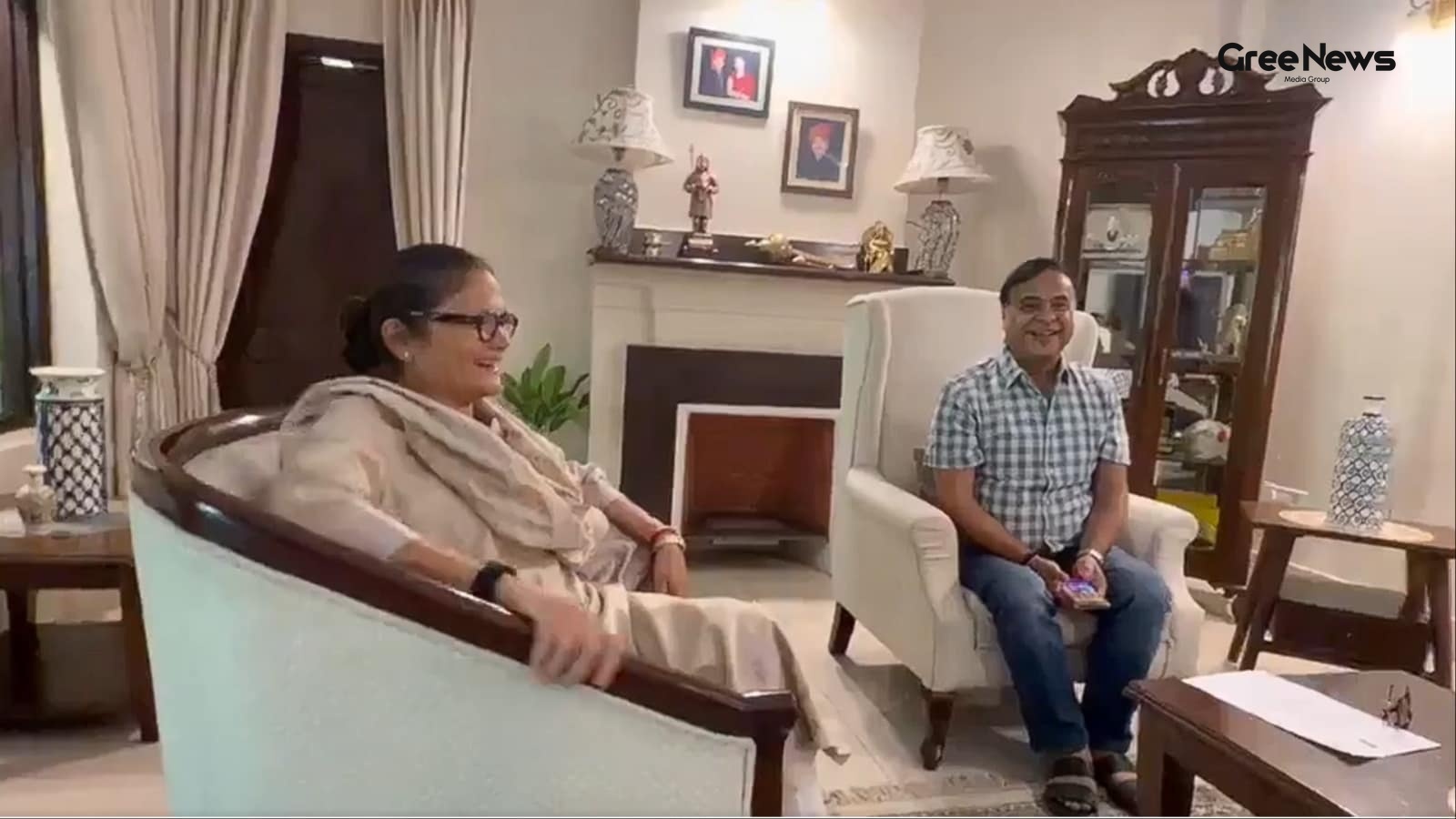
Political Speculation and Internal Turmoil within the TMC
Fresh visuals surfaced of Sushmita Dev meeting Assam Chief Minister Himanta Biswa Sarma. That kind of thing just kicks the speculation into high gear about her next move. It’s all about her potential entry into the BJP, right? This happened right after she stepped down from Rajya Sabha and walked ou
Jun 10, 2026 by Gree News Team
Threats and Intimidation Against Former Judge Justice Gautam Patel
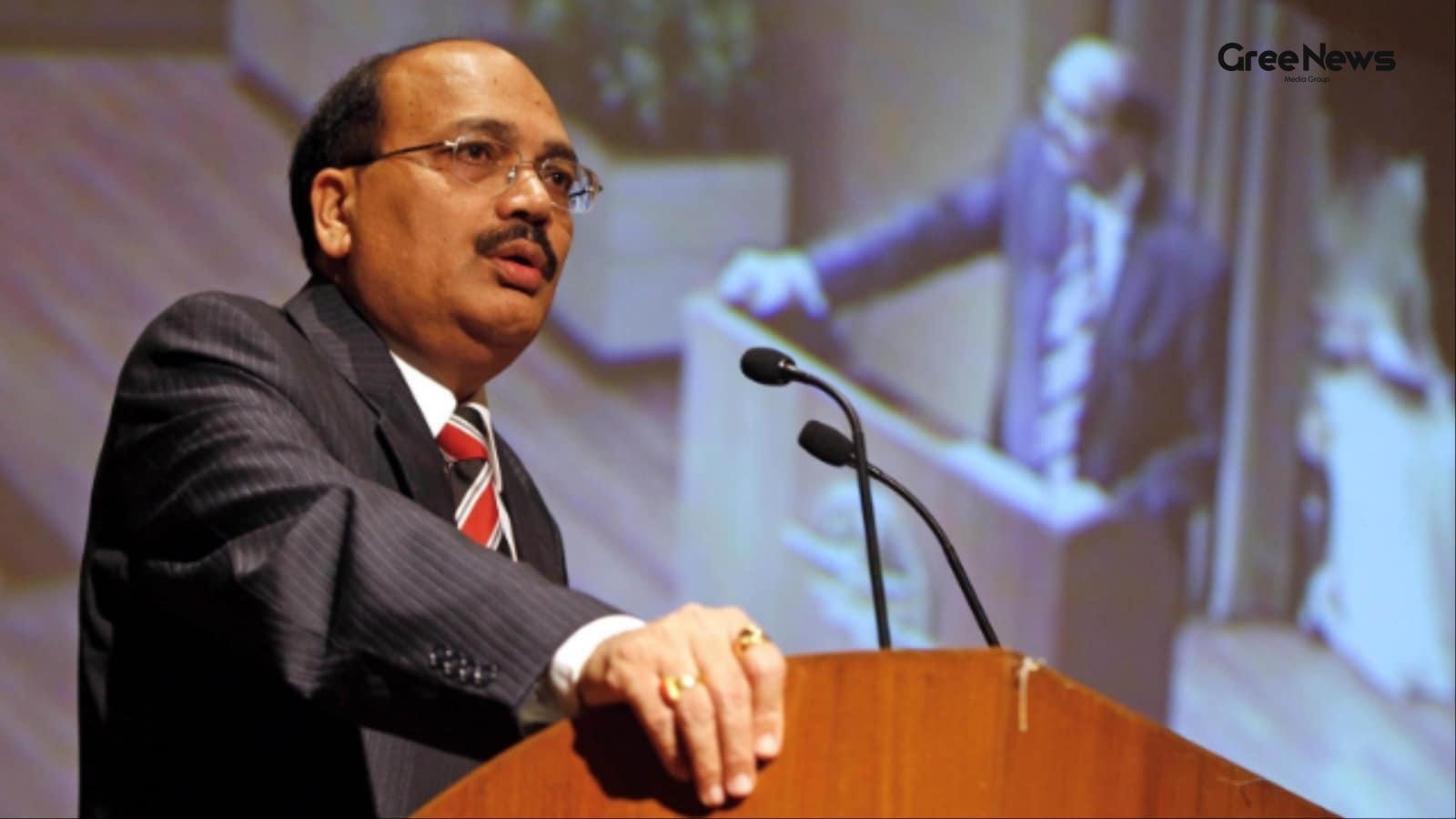
Chief Justice Surya Kant stepped in on the matter involving threats and intimidation aimed at former Bombay High Court judge Justice Gautam Patel. This happened while he was visiting the UK, raising the issue with India’s High Commissioner there. It came out of a report by The Times of India. The wh
Jun 10, 2026 by Gree News Team
The Political Feud: Shivakumar vs. Kumaraswamy and the Vokkaliga Rivalry
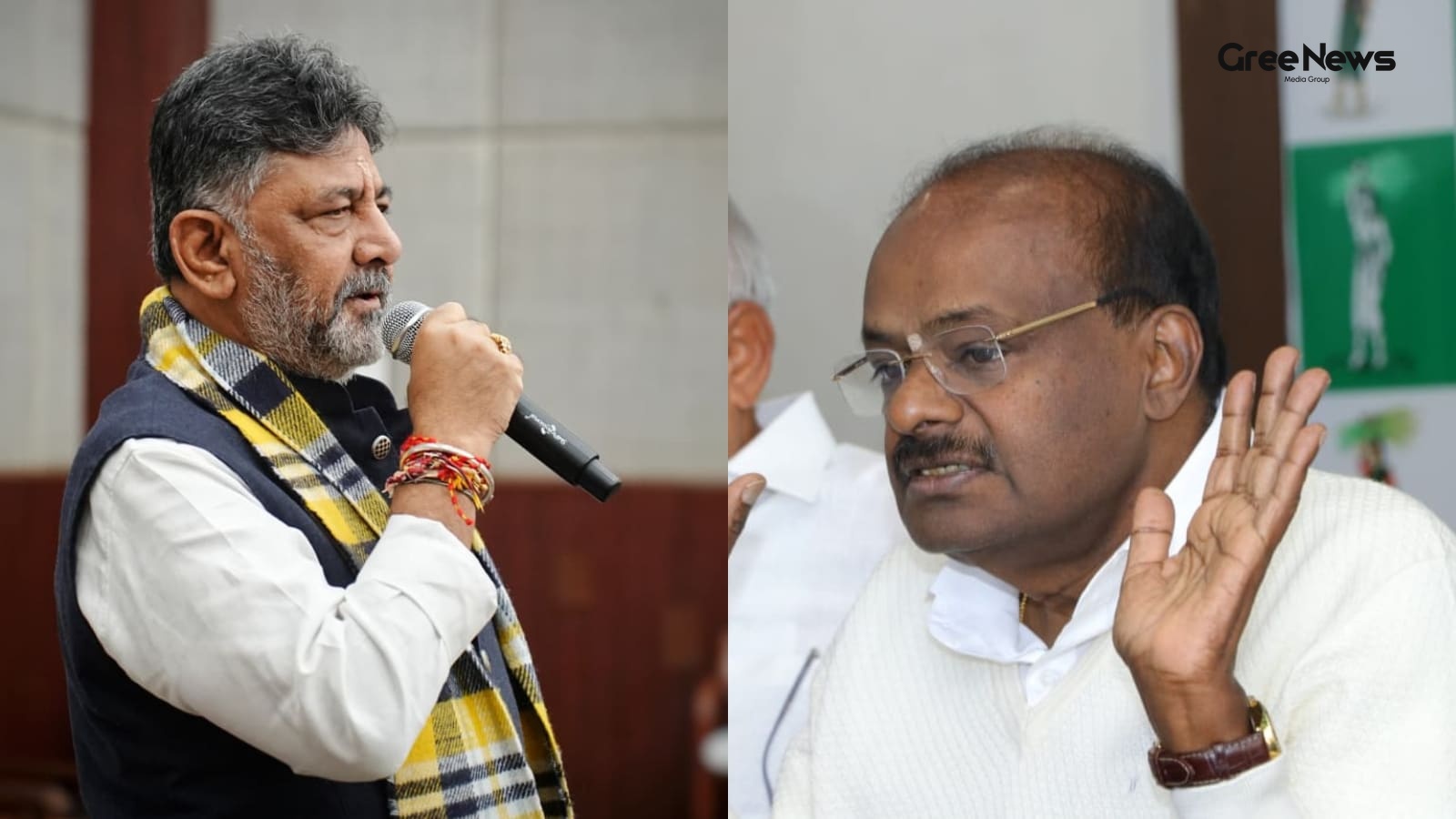
A meeting that hasn't even happened is already sparking political sparring. Karnataka Chief Minister DK Shivakumar and Union Minister HD Kumaraswamy. It just underlines how bitter one of the state’s longest-running rivalries still is. Shivakumar was doing some outreach, a carefully choreographed exe
Jun 10, 2026 by Gree News Team
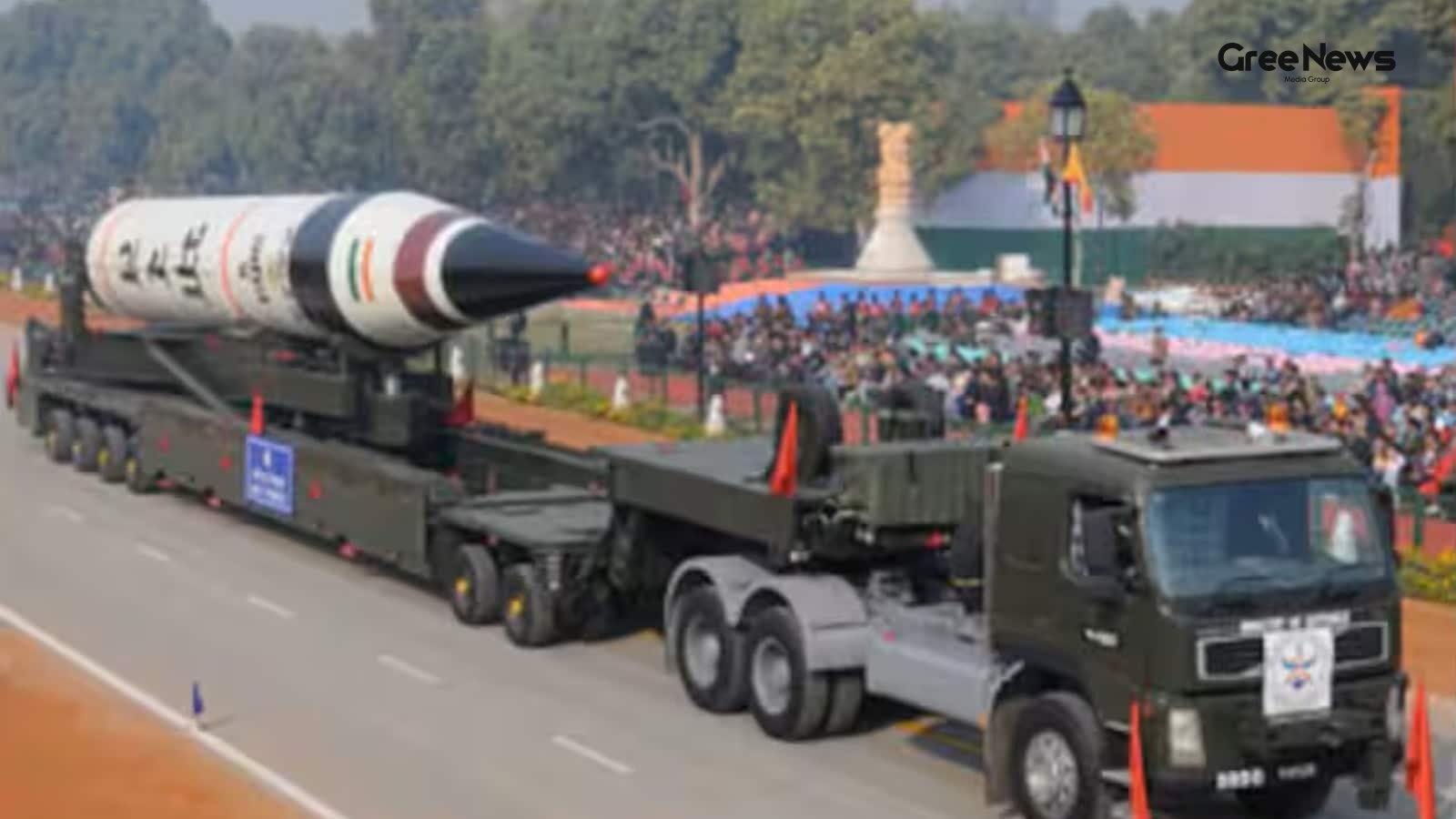
The Global Nuclear Arms Race: Spending, Capabilities, and Future Risks
Nearly eight decades since Hiroshima and Nagasaki. And the world’s nuclear powers aren't slowing down. They keep spending more, modernizing faster, and experts are watching them move weapons out of storage and into potential use. It’s a real arms race happening right now. The nine states that hold n
Jun 10, 2026 by Gree News Team
Latest Headlines
Political Speculation and Internal Turmoil within the TMC
Fresh visuals surfaced of Sushmita Dev meeting Assam Chief Minister Himanta Biswa Sarma. That kind of thing just kicks the speculation into high gear about her next move. It’s all about her potential entry into the BJP, right? This happened right after she stepped down from Rajya Sabha and walked ou
Jun 10, 2026 by Gree News Team

FIFA World Cup 2026: Structure, Geography, and the Official Match Ball
The FIFA World Cup 2026 is really starting to feel imminent now. It’s heading toward North America the USA, Mexico, and Canada are slated to host this massive global spectacle. People are talking about it constantly. It’s not just a standard tournament anymore. This time around, they’re throwing way
Jun 10, 2026 by Gree News Team

Lionel Messi and Argentina's World Cup Journey in Group J
Argentina’s taking on Group J in this new setup USA, Mexico, and Canada it feels like more than just football now. It’s about that farewell, isn't it? Lionel Messi is chasing something special right now, playing out this final chapter with the Albiceleste against Algeria, Austria, and Jordan. There’
Jun 10, 2026 by Gree News Team
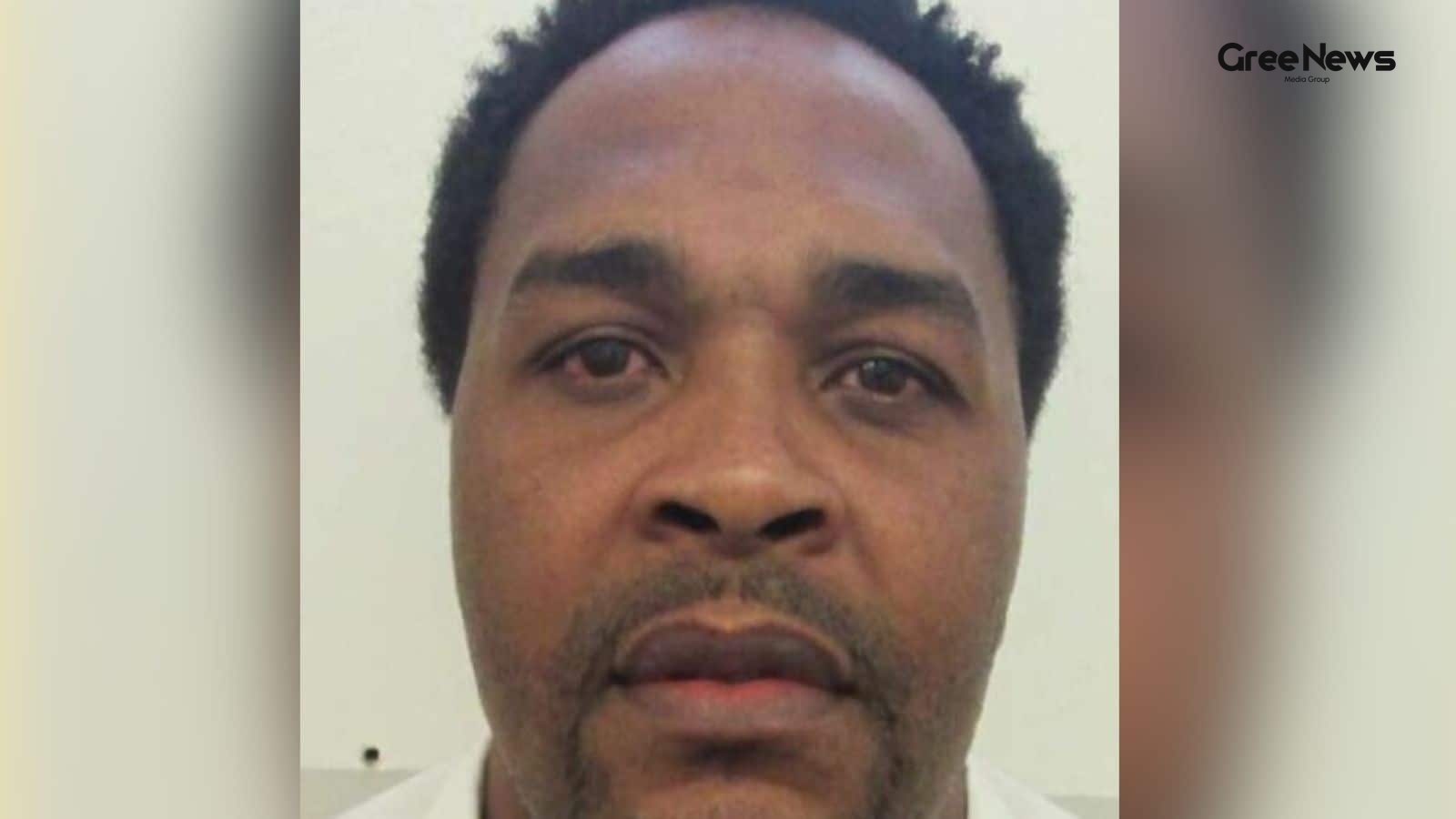
Federal Judge Bars Nitrogen Gas Execution in Alabama
A federal judge just slammed the door shut on Alabama’s plan to use nitrogen gas for executing Jeffery Lee. Permanently barred it, ruling the method violated basic constitutional rights about cruel and unusual punishment. This decision dropped like a stone. It came just one day after an appeals cour
Jun 10, 2026 by Gree News Team
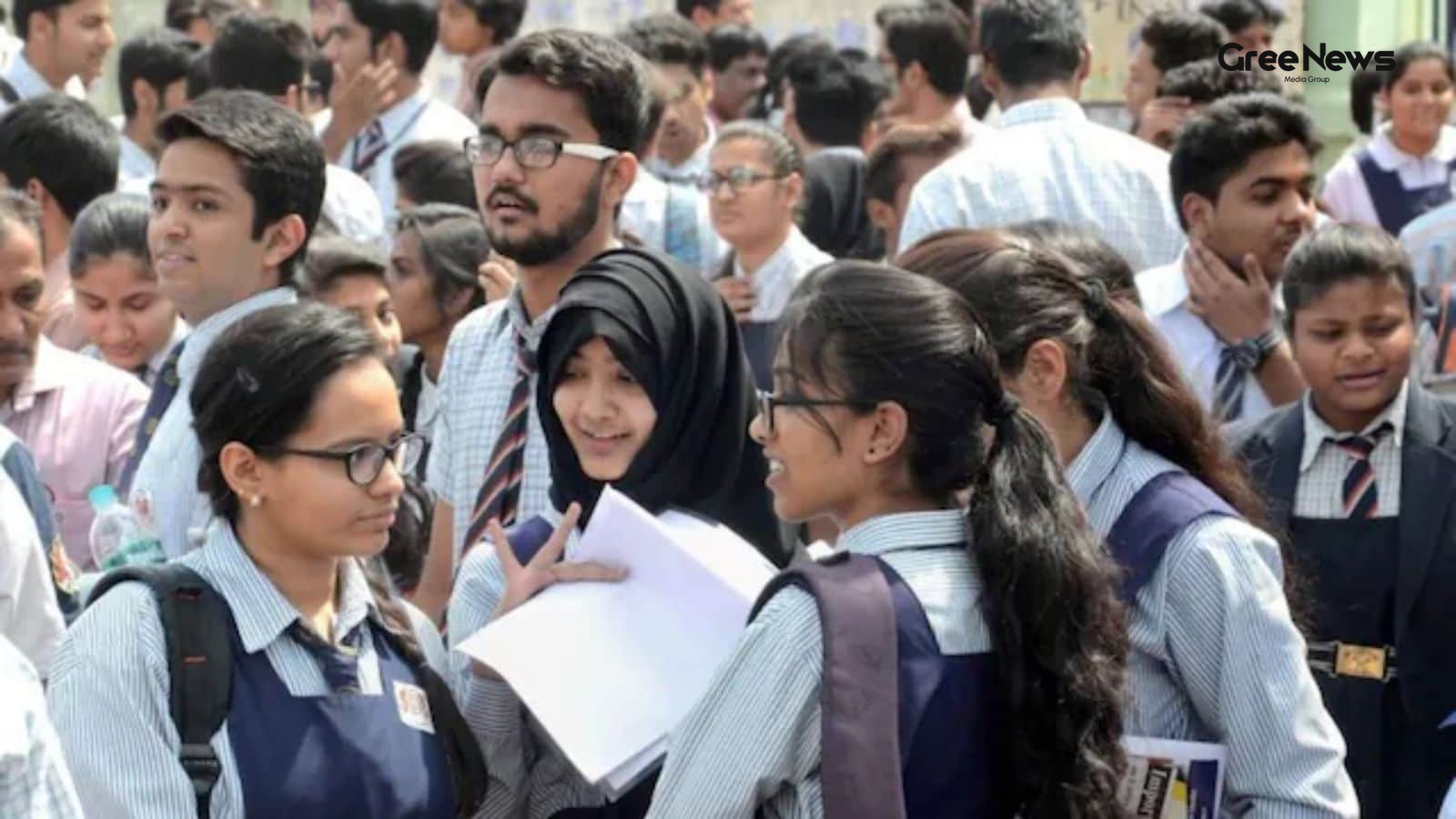
Kerala Board Plus One Results 2026 Announcement and Checking Methods
The Kerala Board Plus One results for 2026 are finally coming today, June 10th. That’s when the Directorate of Higher Secondary Education will officially announce everything. Students who took the DHSE Kerala Class 11 exams in 2026 can start checking their scores now. You have a few places to look,
Jun 10, 2026 by Gree News Team
Threats and Intimidation Against Former Judge Justice Gautam Patel
Chief Justice Surya Kant stepped in on the matter involving threats and intimidation aimed at former Bombay High Court judge Justice Gautam Patel. This happened while he was visiting the UK, raising the issue with India’s High Commissioner there. It came out of a report by The Times of India. The wh
Jun 10, 2026 by Gree News Team

Intersection of Art, Politics, and Public Morality at Film Screening
The buzz around the screening for ‘Bharat Bhhagya Viddhaata’ was definitely something special that Tuesday evening in Delhi. It wasn't just about watching a movie; it felt like a convergence a mix of film fans, some political heavyweights, and a surprising amount of high-level government presence. P
Jun 10, 2026 by Gree News Team
The Political Feud: Shivakumar vs. Kumaraswamy and the Vokkaliga Rivalry
A meeting that hasn't even happened is already sparking political sparring. Karnataka Chief Minister DK Shivakumar and Union Minister HD Kumaraswamy. It just underlines how bitter one of the state’s longest-running rivalries still is. Shivakumar was doing some outreach, a carefully choreographed exe
Jun 10, 2026 by Gree News Team
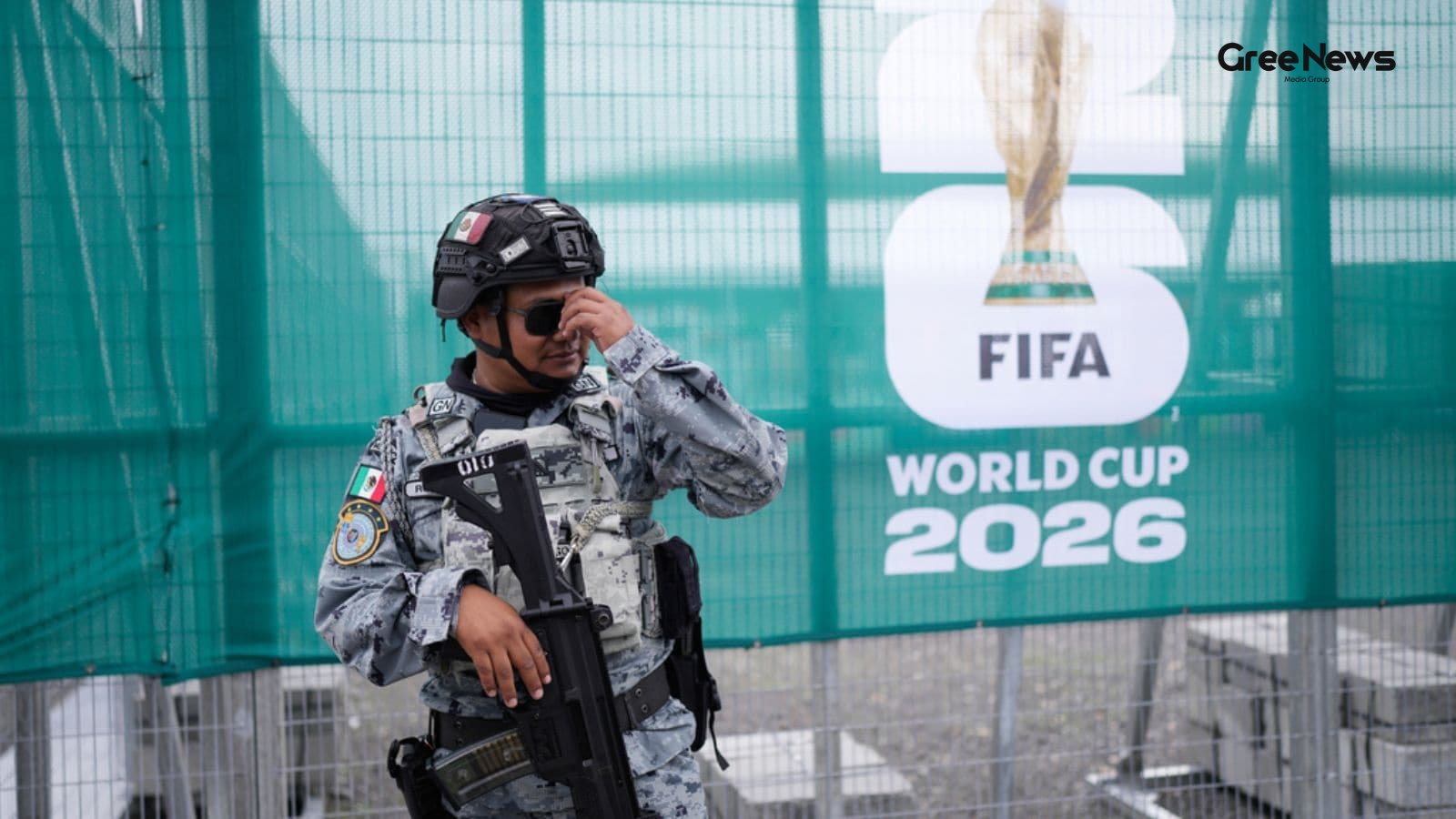
Protest and Political Standoff in Mexico City Before the World Cup
A protest choked off an avenue leading right to Mexico City’s Azteca Stadium for hours on Tuesday. It was just days before that massive World Cup opening match. As football fans started flooding in, all those co-hosts the US, Canada, and Mexico you see the real mess happening back home. Thousands of
Jun 10, 2026 by Gree News Team
The Global Nuclear Arms Race: Spending, Capabilities, and Future Risks
Nearly eight decades since Hiroshima and Nagasaki. And the world’s nuclear powers aren't slowing down. They keep spending more, modernizing faster, and experts are watching them move weapons out of storage and into potential use. It’s a real arms race happening right now. The nine states that hold n
Jun 10, 2026 by Gree News Team
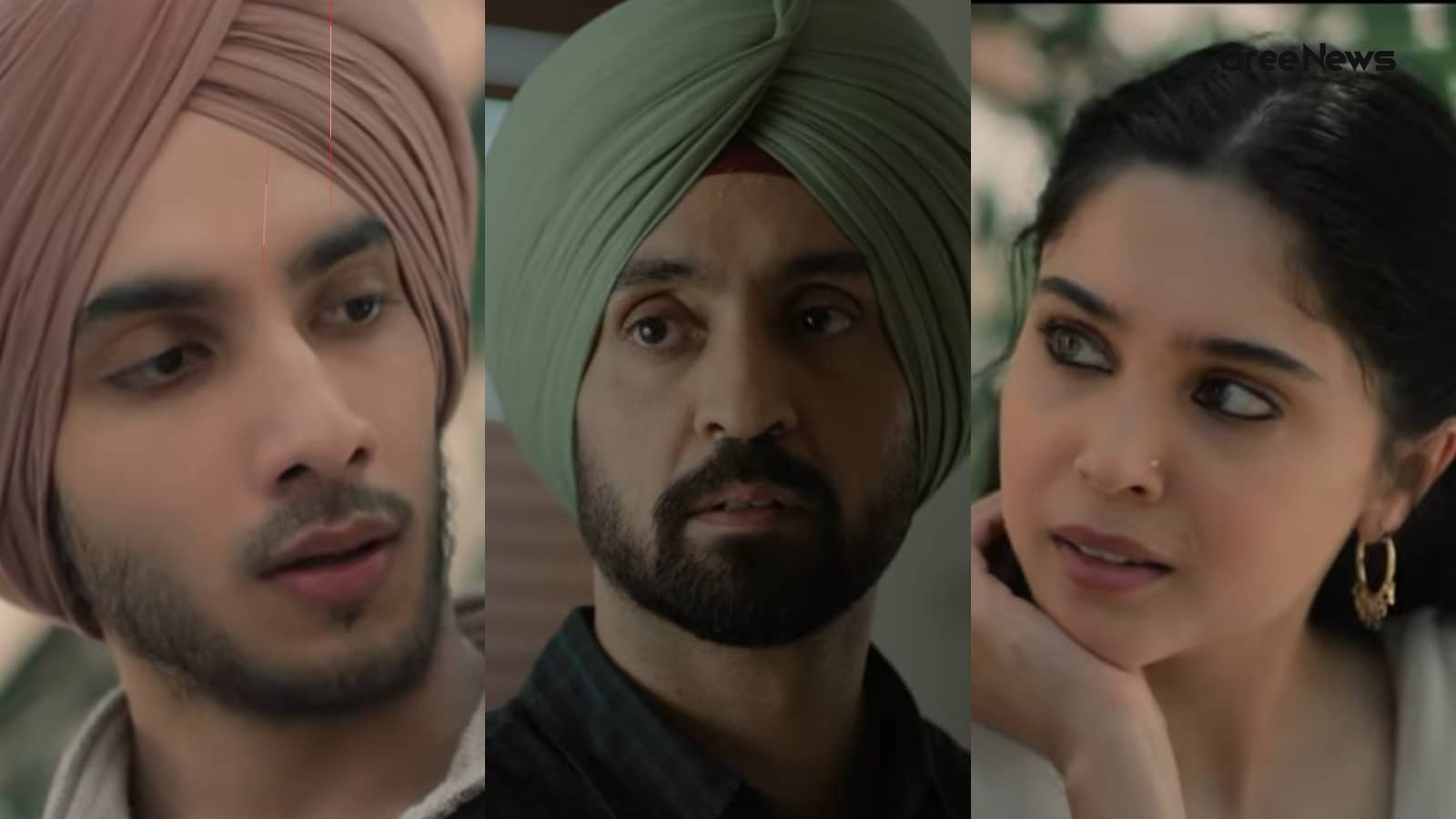
The Chaos of Cinema: Volume, Competition, and the Shifting Market
The Friday arrived packed. June 12th. It wasn't just another day; it was a collision of cinema. Nine films, all hitting the screens at once. *Main Vaapas Aaunga*, Imtiaz Ali’s directorial effort. Then you had Kangana Ranaut’s *Bharat Bhhagya Vidhaata*. And the horror mixed in Vikram Bhatt’s *Haunted
Jun 10, 2026 by Gree News Team

Stock Market Updates: June 10th Performance and Sector Analysis
Stock market updates today, June 10th. Everything turned sour in late trading Wednesday. Domestic equity markets basically gave up all those gains they managed to hold during the day. Heavy selling hit midcap, smallcap stocks, plus metals, realty, and financial names dragging the main indices into n
Jun 10, 2026 by Gree News Team
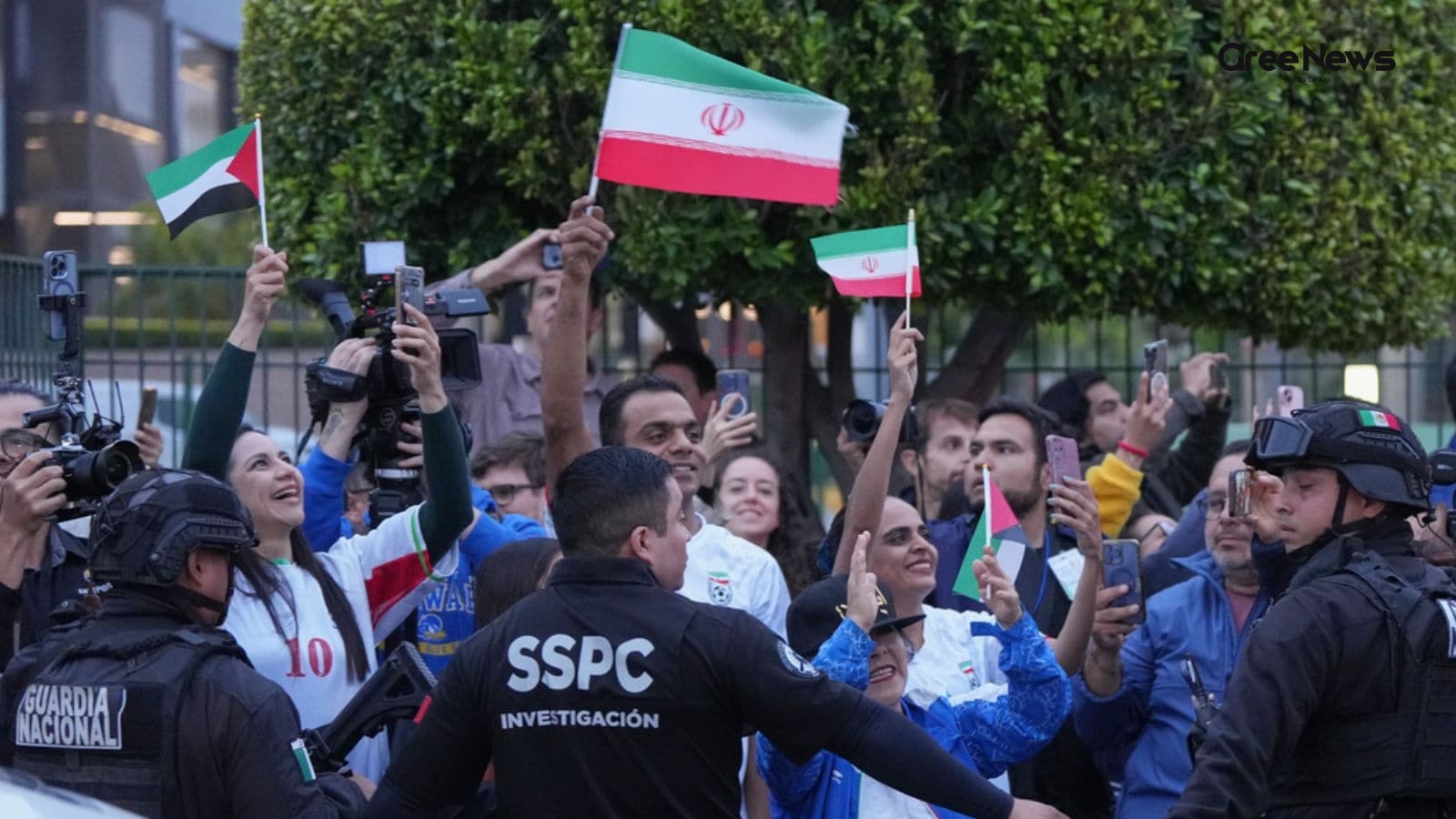
Iran Football Team Travel and World Cup Arrangements
Iran’s football team is heading to Los Angeles, apparently. They announced Tuesday that they'll be flying there the day before their first group-stage game against New Zealand. It feels like a lot happening all at once. But where exactly will they be staying? They won't actually be in L.A. for long.
Jun 10, 2026 by Gree News Team

The Impact of Gen AI on Job Applications and Hiring Strategies
When you start looking for a job, everyone builds this whole structure: the résumé, that killer cover letter, tailoring it perfectly. The whole point was always that application could make you jump out from the crowd of hundreds of applicants. But honestly? Recruiters are starting to think that play
Jun 10, 2026 by Gree News Team
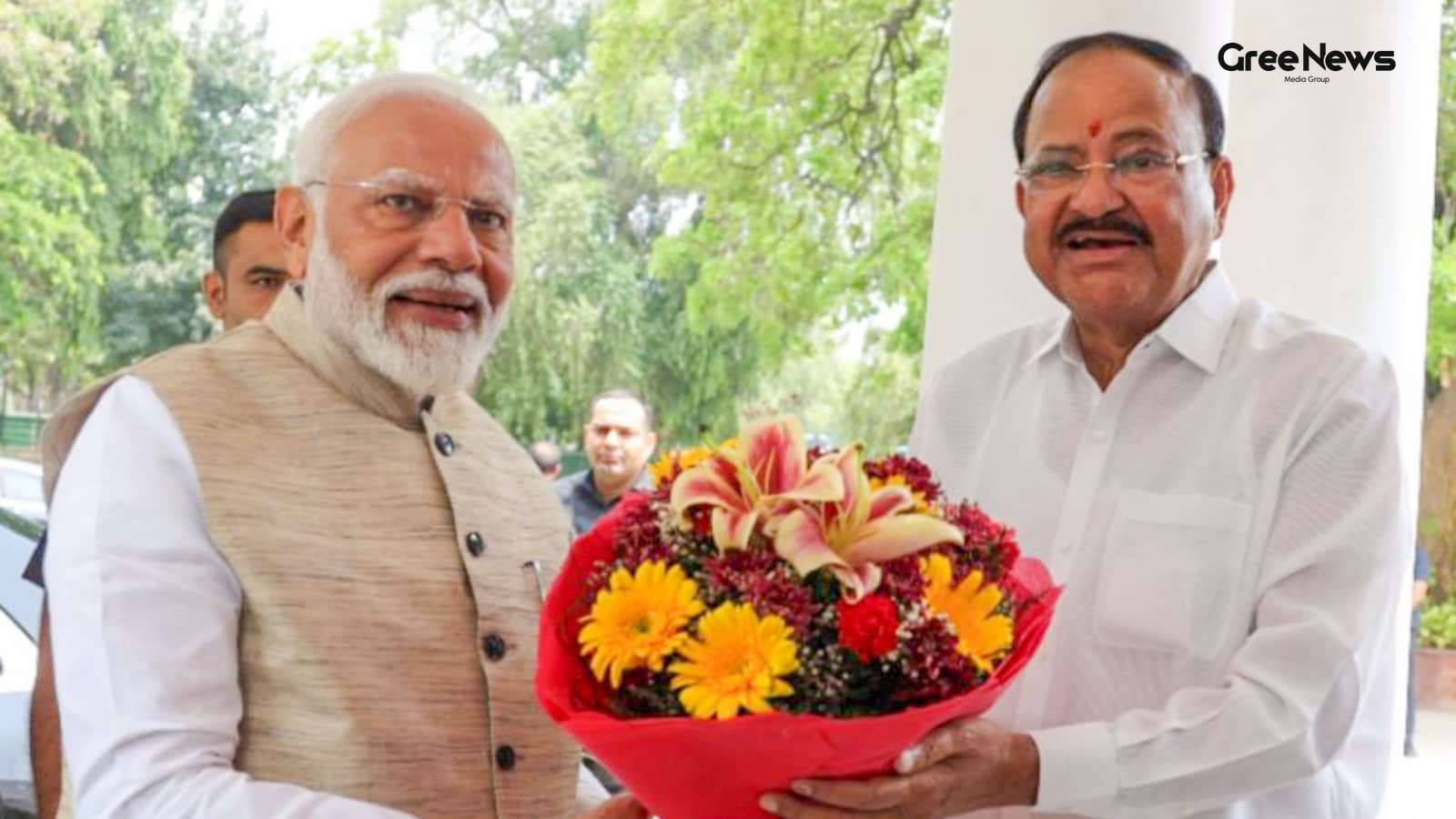
Narendra Modi's Milestone: India's Longest-Serving Prime Minister
Narendra Modi just hit a huge milestone. India’s longest-serving elected Prime Minister. Forty-three hundred ninety-nine days in office now. That beats Nehru's record, which was the first one. Former Vice President Venkaiah Naidu spoke about it. He praised the leadership and everything Modi has done
Jun 10, 2026 by Gree News Team