India's Defence Self-Reliance: The Engine Behind the Push for 2047
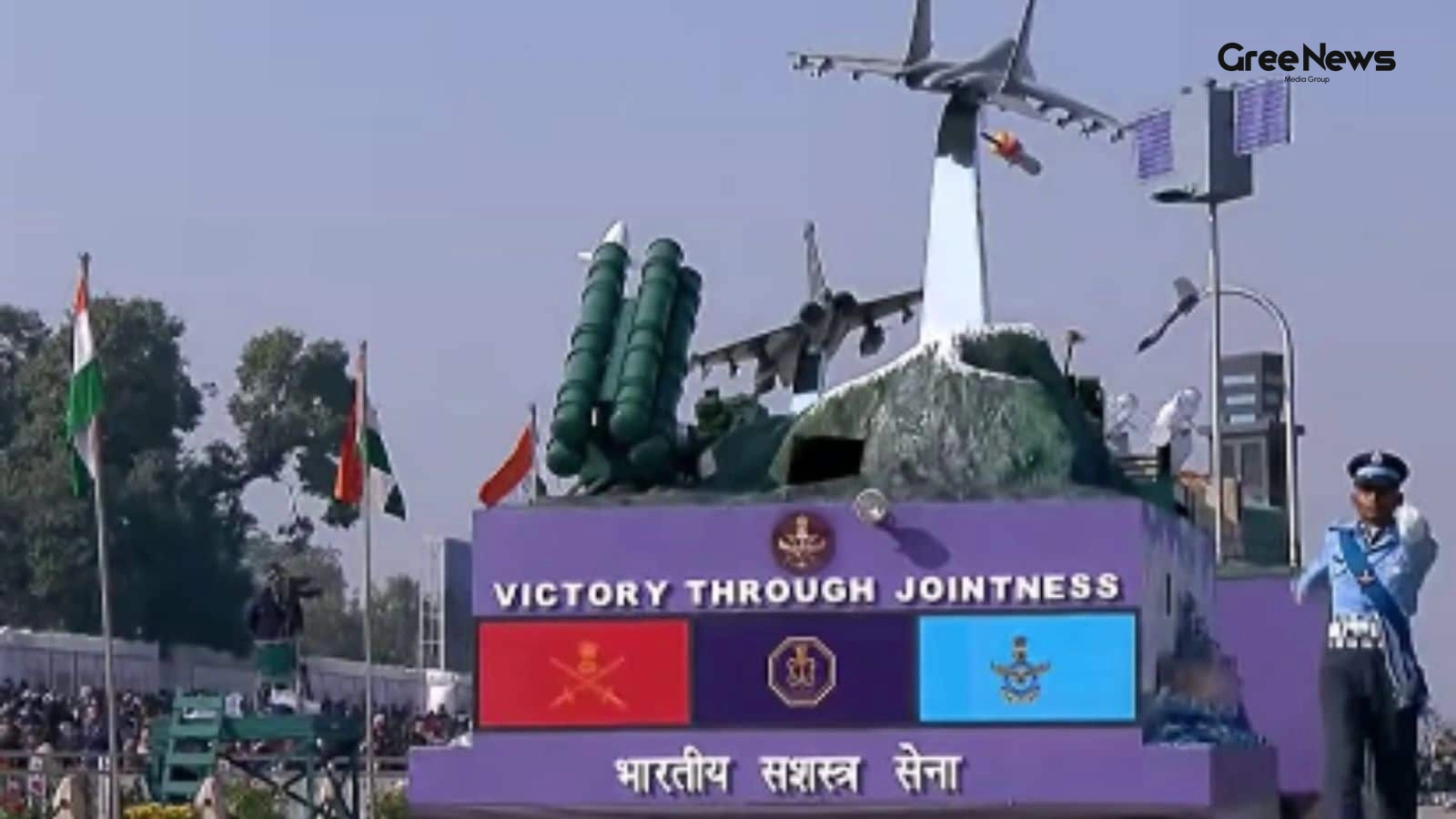
There’s this question that hardly ever gets asked when people talk about India’s push for 2047—can a country actually become developed if it still has to buy all its weapons from foreign suppliers?
The honest answer, I think, is probably no. And that logic, more than any official policy paper, is the real engine behind this whole defence self-reliance drive the Modi government is running. It’s not just an idea; it’s a massive economic and security project now.
The Starting Point: Foreign Dependence
The starting point was definitely uncomfortable. Ten years ago, India was still the biggest arms importer globally. The Stockholm Peace Research Institute put India way up top on those import charts for years. Sixty to seventy percent of all military gear came from abroad. Russia, France, Israel, and increasingly, the United States were the main sources. Defence exports? Forget about it. They barely scraped below a thousand crore annually.
Think about the hardware itself. The Arjun tank had been in development for ages. The Tejas fighter prototype was flying around since 2001, but it wasn’t even close to being in squadron service. Private companies? They were basically shut out. It felt like a government monopoly on defence production.
This wasn't just an inefficiency. It was a massive structural weakness. Every platform India operated meant there was this whole foreign supply chain waiting around for spares, ammunition, upgrades. If diplomatic friction flared up with one supplier country, or if that country changed its mind about foreign policy, you could suddenly have grounded an entire fleet or idled some vital assets. That vulnerability is real.
The Argument for Self-Reliance: Operational Proof
Why self-reliance has to be the first argument? It’s often framed as industrial policy, or job creation. Those things are true, sure. But they aren't the main point. The most fundamental thing is what happens when fighting actually starts.
Look at Operation Sindoor. That was the first real stress test for how much India’s defence modernization had actually achieved. Indian forces managed to hit terrorist infrastructure and eliminate threats without crossing borders or touching international lines. What really stood out wasn't just the execution on the ground, though. It was how smoothly those indigenous systems integrated into the operation.
Companies like IdeaForge spent years working quietly; their drones were already flying before the big action even kicked off. Sindoor showed you what that preparation stacked up to: surveillance UAVs, loitering munitions, counter-drone setups. That unmanned layer wasn't rushed together. It was deliberately placed there. And that only works if your supply chain is yours.
Global Context and Technology Dependency
Globally, we’re seeing the same lesson play out, just sharper now. Russia’s war in Ukraine exposed how fast wars gobble up munitions and how few countries actually have the industrial depth to keep fighting long campaigns. Ukraine itself was heavily reliant on those Western deliveries keeping pace. Sanctions against Russia, Iran—they repeatedly show that technology dependency can be turned into a weapon. India, with border issues everywhere, surrounded by places that aren't quiet, just cannot afford that kind of exposure right now.
Policy Mechanisms for Indigenisation
So, what does the policy actually look like? The government built this whole indigenisation push on several interlocking mechanisms. Most were set up or really sped up after 2014.
The Positive Indigenisation Lists are probably the most direct tool. They force sourcing domestically for over five hundred items—everything from simple components to artillery guns, helicopters, naval vessels. The goal is clear: create a guaranteed domestic market. Make local production necessary just to keep up.
Defence acquisition procedures now favor Indian vendors. If you design and build stuff in India, you get the preference. That means more than just buying parts; it’s about where the manufacturing happens. They set up Defence Industrial Corridors—one through Lucknow, Kanpur, Agra, Aligarh, and another through Chennai, Coimbatore, Hosur. Bringing manufacturers, suppliers, testing facilities into that same geography.
FDI limits on defence were also adjusted. They raised them to seventy-four percent under the automatic route, and one hundred percent with government sign-off. For most of history, this sector was locked off from outside money. That changed fast. Then there was iDEX in 2018. It took a different angle for startups. They pitch solutions for actual military problems. Get funding to build something. If it works? The forces buy it.
Hardware and Physical Progress
The hardware itself is starting to change the landscape, slowly but surely.
The Tejas LCA is now actually flying with the Air Force. Two Mark 1A squadrons—eighty-three aircraft—are on order, costing about forty-eight thousand crore rupees. It’s an Indian design, built in India. The indigenous content keeps growing. They’re working on the Mark 2 and the Advanced Medium Combat Aircraft right now. The Akash surface-to-air missile system is deployed by both sides now and being exported. Pinaka is out there selling abroad. Dhanush artillery guns are being produced. And the Prachand light combat helicopter entered service in 2022. ATAGS even set a world record on range trials, hitting forty-eight kilometers.
On the ship side too, INS Vikrant—the first aircraft carrier built entirely here—commissioned in 2022. Destroyers, frigates, subs are coming out of Indian yards. The physical stuff exists now. A decade ago? Not nearly as much.
Export Growth and Strategic Relationships
And look at exports. That’s where things got wild. Back in 2013-14, defence exports were under a thousand crore. By 2025-26? They’ve shot up to thirty-eight thousand crore rupees. Nearly fortyfold increase in just ten years. The government is aiming for fifty thousand crore by 2028-29.
Destinations are getting wider—Armenia, the Philippines, Indonesia, Egypt, and more. BrahMos missiles, that supersonic cruise missile developed with Russia? Sold to the Philippines. Akash systems are being actively marketed everywhere. Dornier planes, ammo, radar gear—they found buyers across Southeast Asia, the Middle East, Africa.
This isn’t just about the money either. Exporting defence tech means exporting strategic relationships. Buyers need spares, training, upgrades from you. India is starting to build those ties in its neighborhood and beyond. That soft power? It couldn't have been generated by pure import dependence.
Startups and Deep Technology
Then there are the startups. Five years ago, a defence startup in India felt like a niche curiosity. Now there are over six hundred of them, and the armed forces are actually buying from them. iDEX started this movement in 2018. The model was simple: pitch a military problem. Get money to solve it. If you build something that works? The forces procure it. By early 2025 alone, they had bought forty-three items from those participants worth over two thousand four hundred crore rupees.
Drones aren't just support anymore. Indian startups are now pushing into surveillance UAVs, loitering munitions, counter-drone systems, even autonomous underwater vehicles—areas where foreign suppliers used to dominate.
The government layered on ADITI on top of iDEX. That’s for deep tech: semiconductors, quantum stuff, cyber capabilities. QuBeats, a quantum startup, got grants under ADITI to build a GPS-free navigation system for the Navy. Designed specifically for when an adversary jams signals. A problem that no small company would have even seen before 2018. Now someone is solving it.
Gaps and Structural Weaknesses
But there are still huge gaps. Some of these problems were waiting around for decades. The jet engine is probably the biggest one. The Kaveri programme has been cooking since the eighties, formally separated from Tejas in 2008, and never actually got operational. The Tejas flies on a GE engine. Airframe from Bengaluru, missile from Hyderabad, but the power plant still comes from somewhere else. That’s not new. It's an old structural weakness that just built up over time.
Research spending mirrors this pattern. India doesn't spend enough in R&D for defence. Drones, radars—they need advanced chips. India doesn't make those chips yet. The supply chain runs through Taiwan, South Korea, the US. And military-grade microchips? They aren't coming out of Indian fabs yet.
Accountability and Future Vision
Accountability is where you see the cracks most clearly. HAL took seventeen years to deliver those forty Tejas aircraft. The Mark 1A order was signed in twenty-one for eighty-three planes, and deliveries are already slipping past whatever timeline they set back in twenty-twenty-four. Despite all the delays, there’s hardly any real proof that schedule overruns actually led to accountability. Timelines slip. Orders wait. The Air Force just manages with what they have.
The AMCA programme is now open up to private groups. Tata Advanced Systems and Bharat Forge are in the running. This is supposed to give private industry way more of a role than any fighter project before it. Whether those private firms will actually stick to timelines? That’s the real test, isn't it?
The Vision for 2047
So what does 2047 look like from this point? The Viksit Bharat vision boils down to three things: sheer economic scale, actual technological muscle, and strategic independence. Defence self-reliance links all of that together.
A massive defence manufacturing base creates high-skill jobs. An export industry generates foreign exchange and those crucial relationships. And a military that can sustain itself domestically doesn’t have to constantly look to foreign suppliers for every single decision.
What Modi's government actually managed was shifting the core logic—moving from being just a buyer to being a builder. That shift isn't visible in one contract or one plane. It shows up in who gets the work, what they are building, and how fast that whole ecosystem is growing around them.
Ten years ago? None of this existed meaningfully. Today, it does. The question for 2047 isn’t if India can become a serious defence manufacturing power. It already is one. Now, the job is just to keep building.
Written by Gree News Team — Senior Editorial Board
Gree News Team covers international news and global affairs at Gree News. Our collective of senior editors is dedicated to providing independent, accurate, and responsible journalism for a global audience.
More from India
View All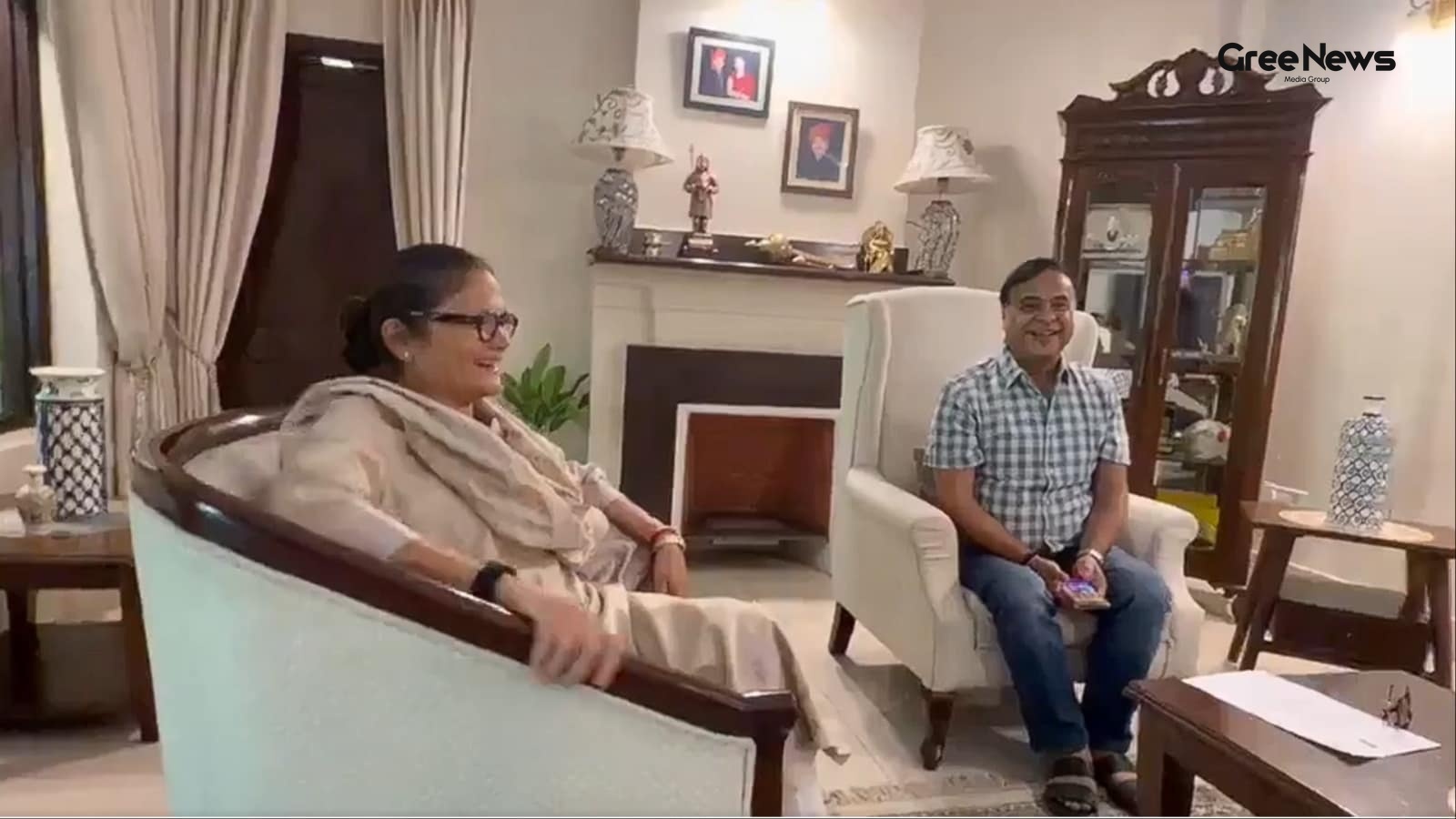
Political Speculation and Internal Turmoil within the TMC
Fresh visuals surfaced of Sushmita Dev meeting Assam Chief Minister Himanta Biswa Sarma. That kind of thing just kicks the speculation into high gear about her next move. It’s all about her potential entry into the BJP, right? This happened right after she stepped down from Rajya Sabha and walked ou
Jun 10, 2026 by Gree News Team
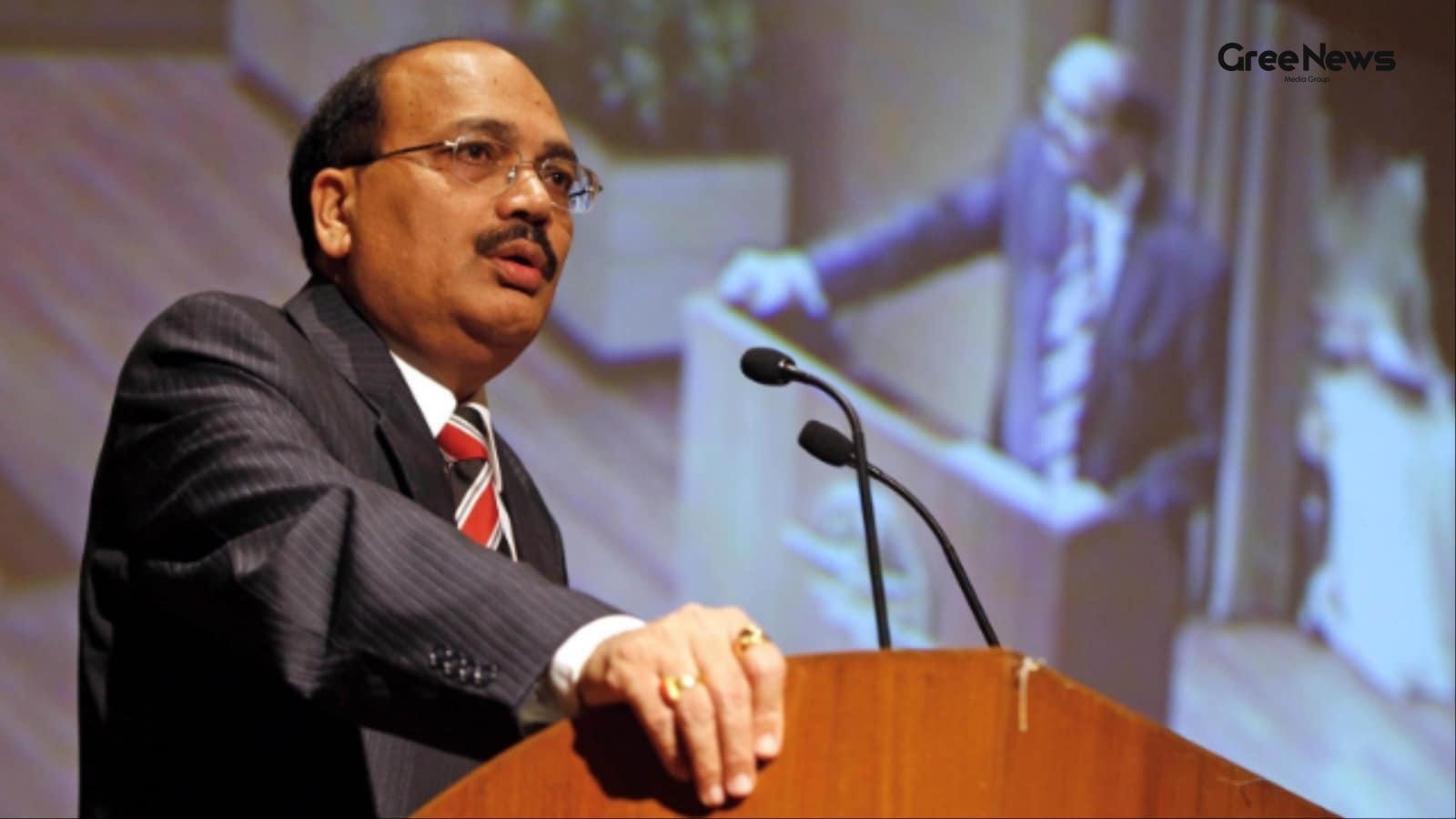
Threats and Intimidation Against Former Judge Justice Gautam Patel
Chief Justice Surya Kant stepped in on the matter involving threats and intimidation aimed at former Bombay High Court judge Justice Gautam Patel. This happened while he was visiting the UK, raising the issue with India’s High Commissioner there. It came out of a report by The Times of India. The wh
Jun 10, 2026 by Gree News Team
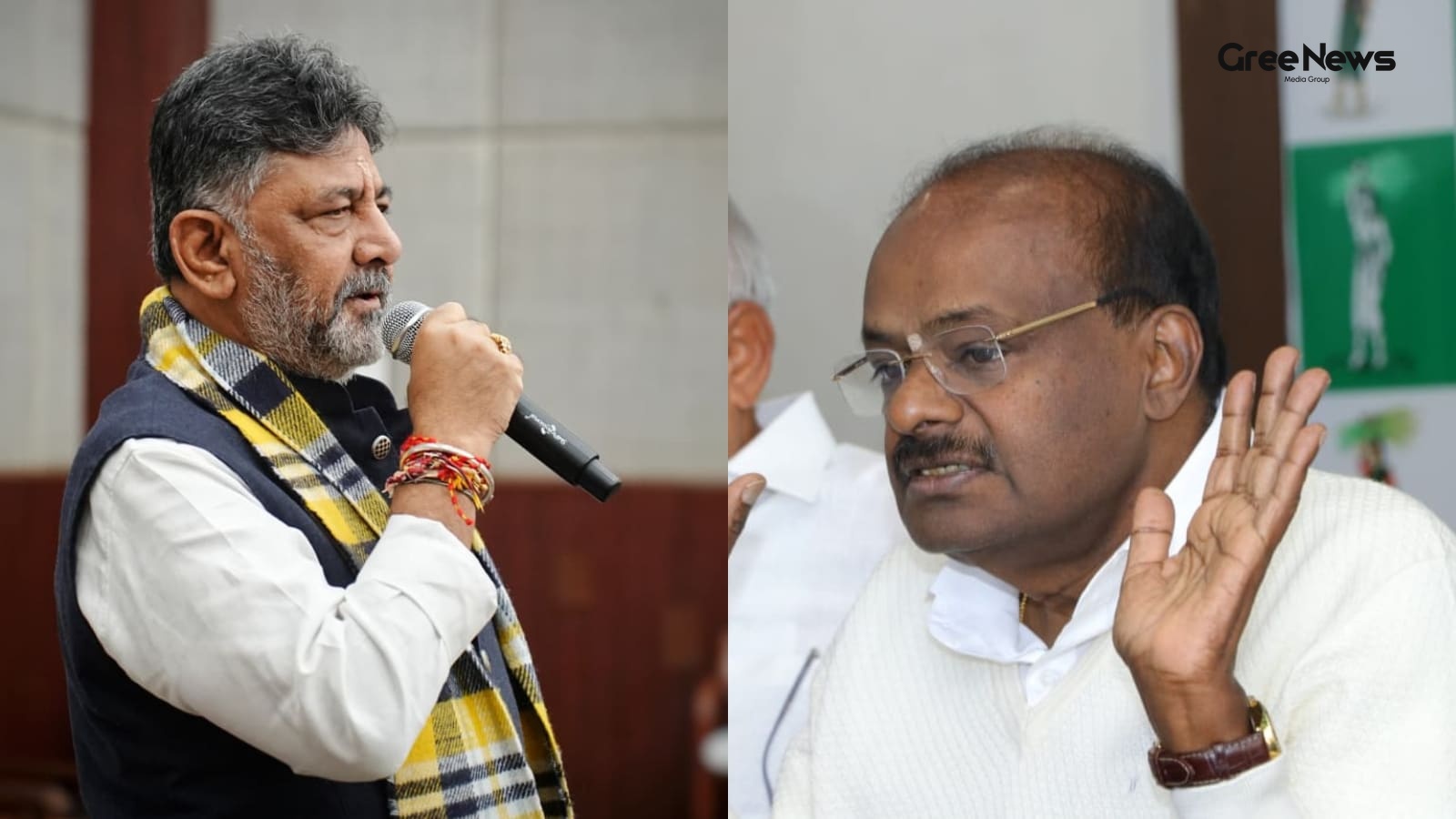
The Political Feud: Shivakumar vs. Kumaraswamy and the Vokkaliga Rivalry
A meeting that hasn't even happened is already sparking political sparring. Karnataka Chief Minister DK Shivakumar and Union Minister HD Kumaraswamy. It just underlines how bitter one of the state’s longest-running rivalries still is. Shivakumar was doing some outreach, a carefully choreographed exe
Jun 10, 2026 by Gree News Team
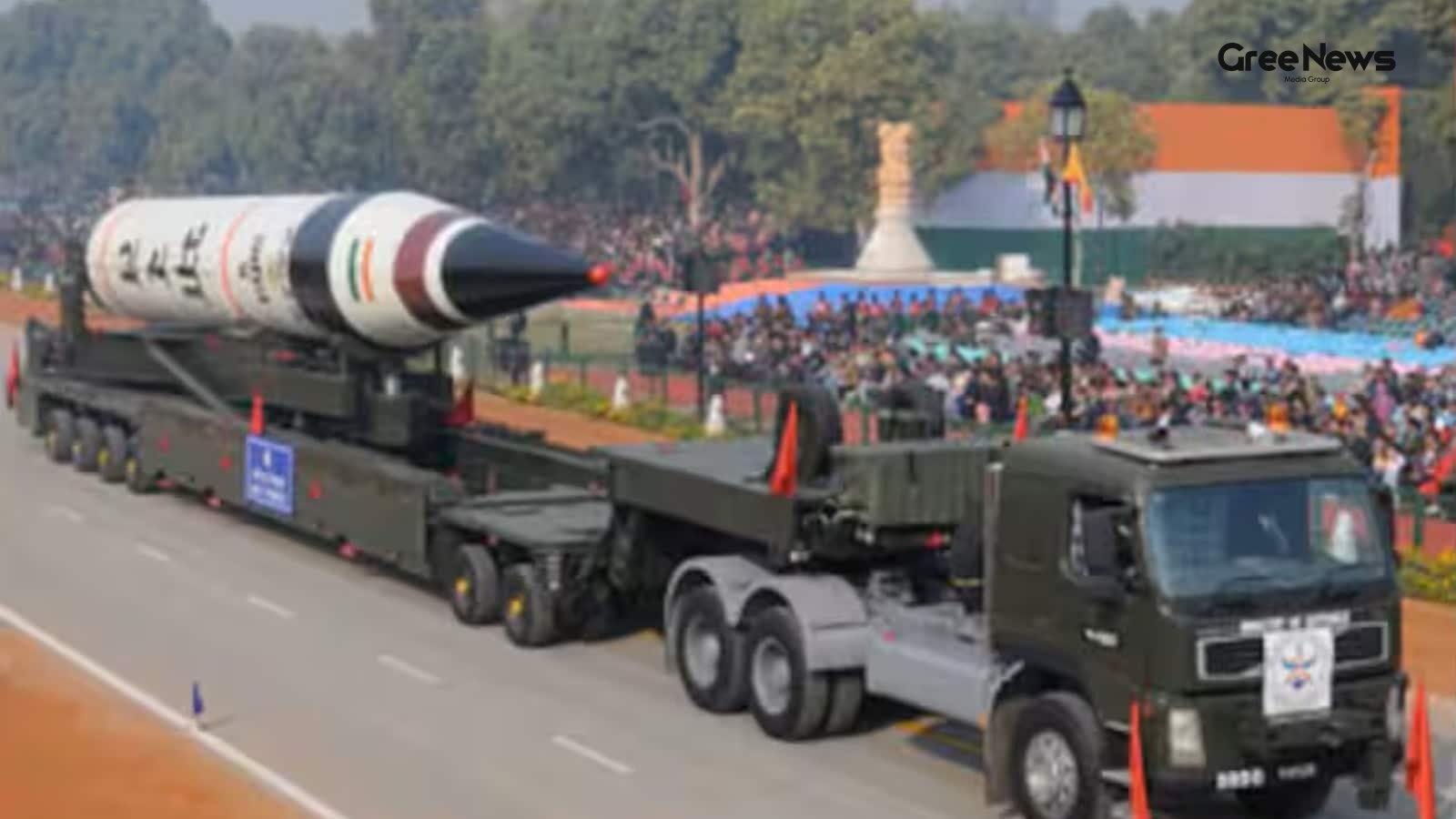
The Global Nuclear Arms Race: Spending, Capabilities, and Future Risks
Nearly eight decades since Hiroshima and Nagasaki. And the world’s nuclear powers aren't slowing down. They keep spending more, modernizing faster, and experts are watching them move weapons out of storage and into potential use. It’s a real arms race happening right now. The nine states that hold n
Jun 10, 2026 by Gree News Team
Latest Headlines
Political Speculation and Internal Turmoil within the TMC
Fresh visuals surfaced of Sushmita Dev meeting Assam Chief Minister Himanta Biswa Sarma. That kind of thing just kicks the speculation into high gear about her next move. It’s all about her potential entry into the BJP, right? This happened right after she stepped down from Rajya Sabha and walked ou
Jun 10, 2026 by Gree News Team

FIFA World Cup 2026: Structure, Geography, and the Official Match Ball
The FIFA World Cup 2026 is really starting to feel imminent now. It’s heading toward North America the USA, Mexico, and Canada are slated to host this massive global spectacle. People are talking about it constantly. It’s not just a standard tournament anymore. This time around, they’re throwing way
Jun 10, 2026 by Gree News Team

Lionel Messi and Argentina's World Cup Journey in Group J
Argentina’s taking on Group J in this new setup USA, Mexico, and Canada it feels like more than just football now. It’s about that farewell, isn't it? Lionel Messi is chasing something special right now, playing out this final chapter with the Albiceleste against Algeria, Austria, and Jordan. There’
Jun 10, 2026 by Gree News Team

Federal Judge Bars Nitrogen Gas Execution in Alabama
A federal judge just slammed the door shut on Alabama’s plan to use nitrogen gas for executing Jeffery Lee. Permanently barred it, ruling the method violated basic constitutional rights about cruel and unusual punishment. This decision dropped like a stone. It came just one day after an appeals cour
Jun 10, 2026 by Gree News Team
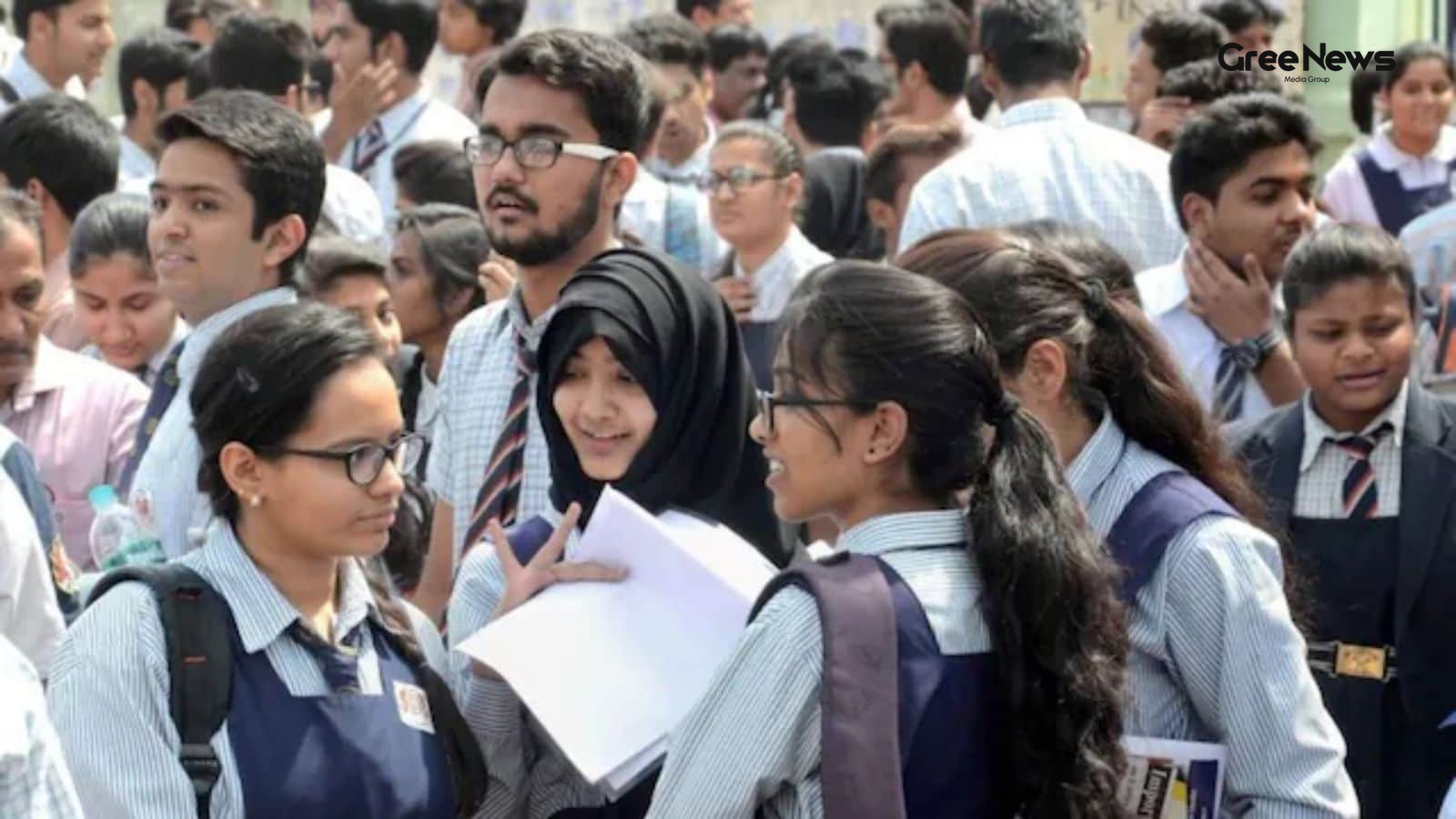
Kerala Board Plus One Results 2026 Announcement and Checking Methods
The Kerala Board Plus One results for 2026 are finally coming today, June 10th. That’s when the Directorate of Higher Secondary Education will officially announce everything. Students who took the DHSE Kerala Class 11 exams in 2026 can start checking their scores now. You have a few places to look,
Jun 10, 2026 by Gree News Team
Threats and Intimidation Against Former Judge Justice Gautam Patel
Chief Justice Surya Kant stepped in on the matter involving threats and intimidation aimed at former Bombay High Court judge Justice Gautam Patel. This happened while he was visiting the UK, raising the issue with India’s High Commissioner there. It came out of a report by The Times of India. The wh
Jun 10, 2026 by Gree News Team

Intersection of Art, Politics, and Public Morality at Film Screening
The buzz around the screening for ‘Bharat Bhhagya Viddhaata’ was definitely something special that Tuesday evening in Delhi. It wasn't just about watching a movie; it felt like a convergence a mix of film fans, some political heavyweights, and a surprising amount of high-level government presence. P
Jun 10, 2026 by Gree News Team
The Political Feud: Shivakumar vs. Kumaraswamy and the Vokkaliga Rivalry
A meeting that hasn't even happened is already sparking political sparring. Karnataka Chief Minister DK Shivakumar and Union Minister HD Kumaraswamy. It just underlines how bitter one of the state’s longest-running rivalries still is. Shivakumar was doing some outreach, a carefully choreographed exe
Jun 10, 2026 by Gree News Team
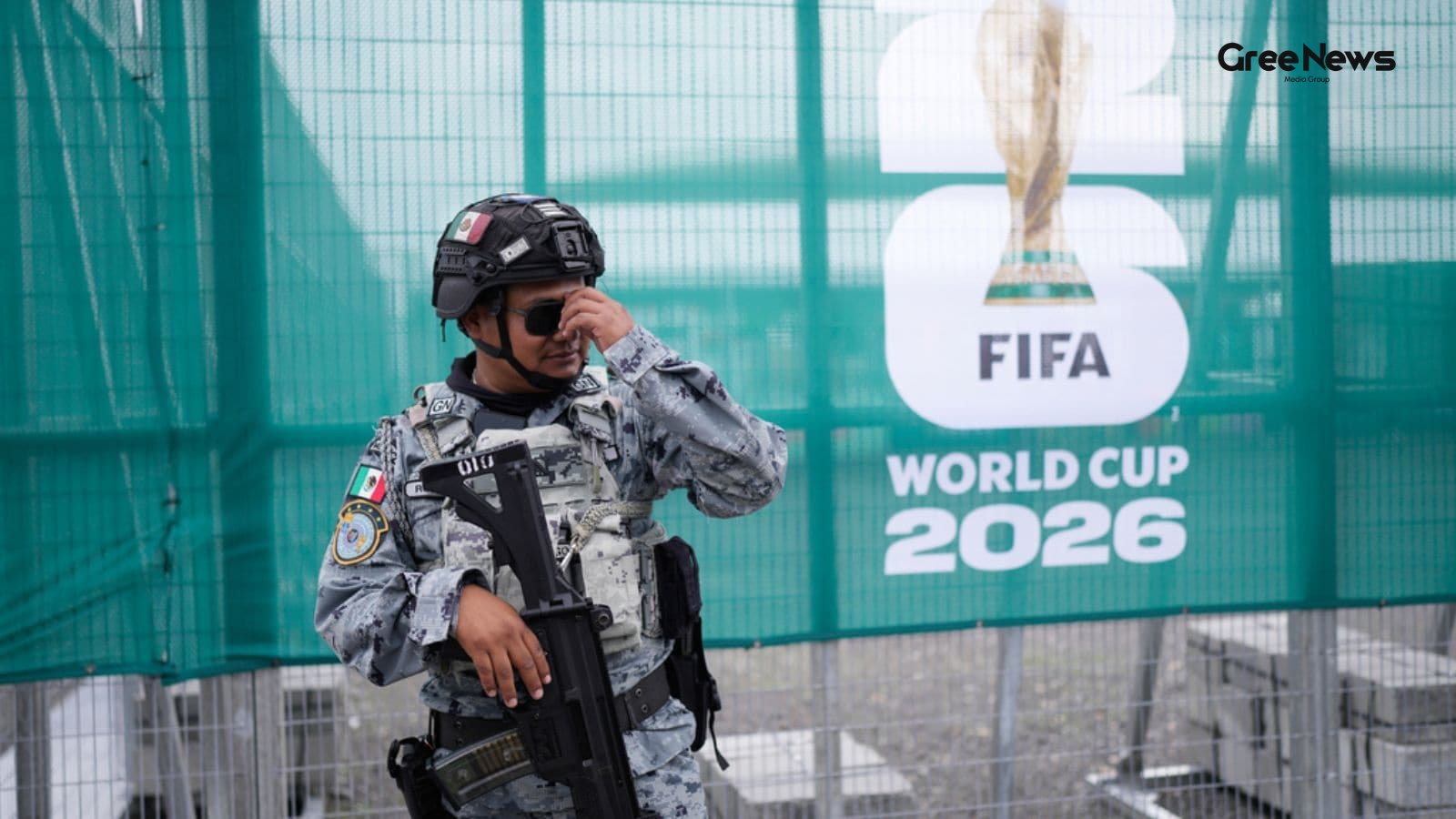
Protest and Political Standoff in Mexico City Before the World Cup
A protest choked off an avenue leading right to Mexico City’s Azteca Stadium for hours on Tuesday. It was just days before that massive World Cup opening match. As football fans started flooding in, all those co-hosts the US, Canada, and Mexico you see the real mess happening back home. Thousands of
Jun 10, 2026 by Gree News Team
The Global Nuclear Arms Race: Spending, Capabilities, and Future Risks
Nearly eight decades since Hiroshima and Nagasaki. And the world’s nuclear powers aren't slowing down. They keep spending more, modernizing faster, and experts are watching them move weapons out of storage and into potential use. It’s a real arms race happening right now. The nine states that hold n
Jun 10, 2026 by Gree News Team
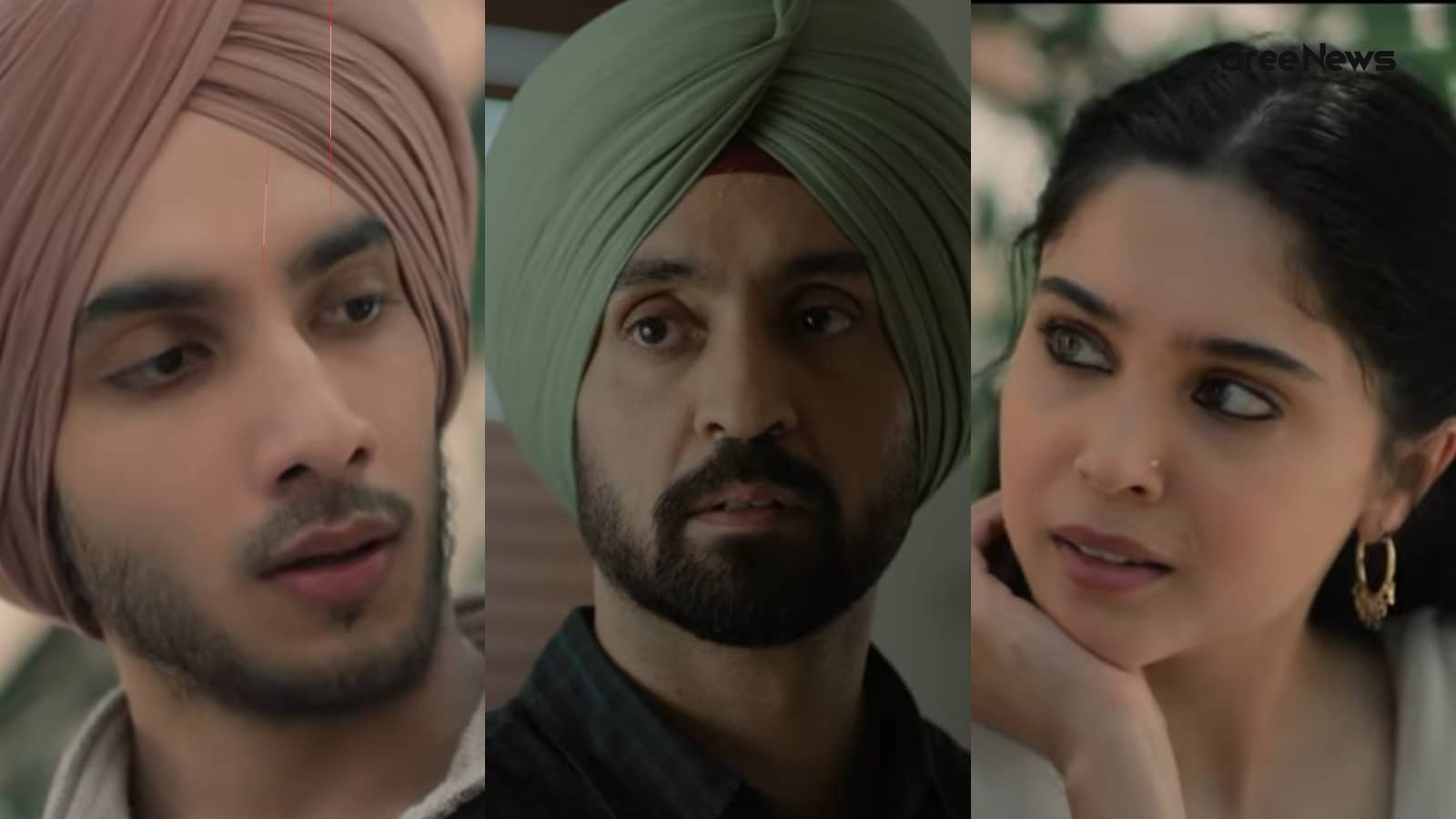
The Chaos of Cinema: Volume, Competition, and the Shifting Market
The Friday arrived packed. June 12th. It wasn't just another day; it was a collision of cinema. Nine films, all hitting the screens at once. *Main Vaapas Aaunga*, Imtiaz Ali’s directorial effort. Then you had Kangana Ranaut’s *Bharat Bhhagya Vidhaata*. And the horror mixed in Vikram Bhatt’s *Haunted
Jun 10, 2026 by Gree News Team

Stock Market Updates: June 10th Performance and Sector Analysis
Stock market updates today, June 10th. Everything turned sour in late trading Wednesday. Domestic equity markets basically gave up all those gains they managed to hold during the day. Heavy selling hit midcap, smallcap stocks, plus metals, realty, and financial names dragging the main indices into n
Jun 10, 2026 by Gree News Team
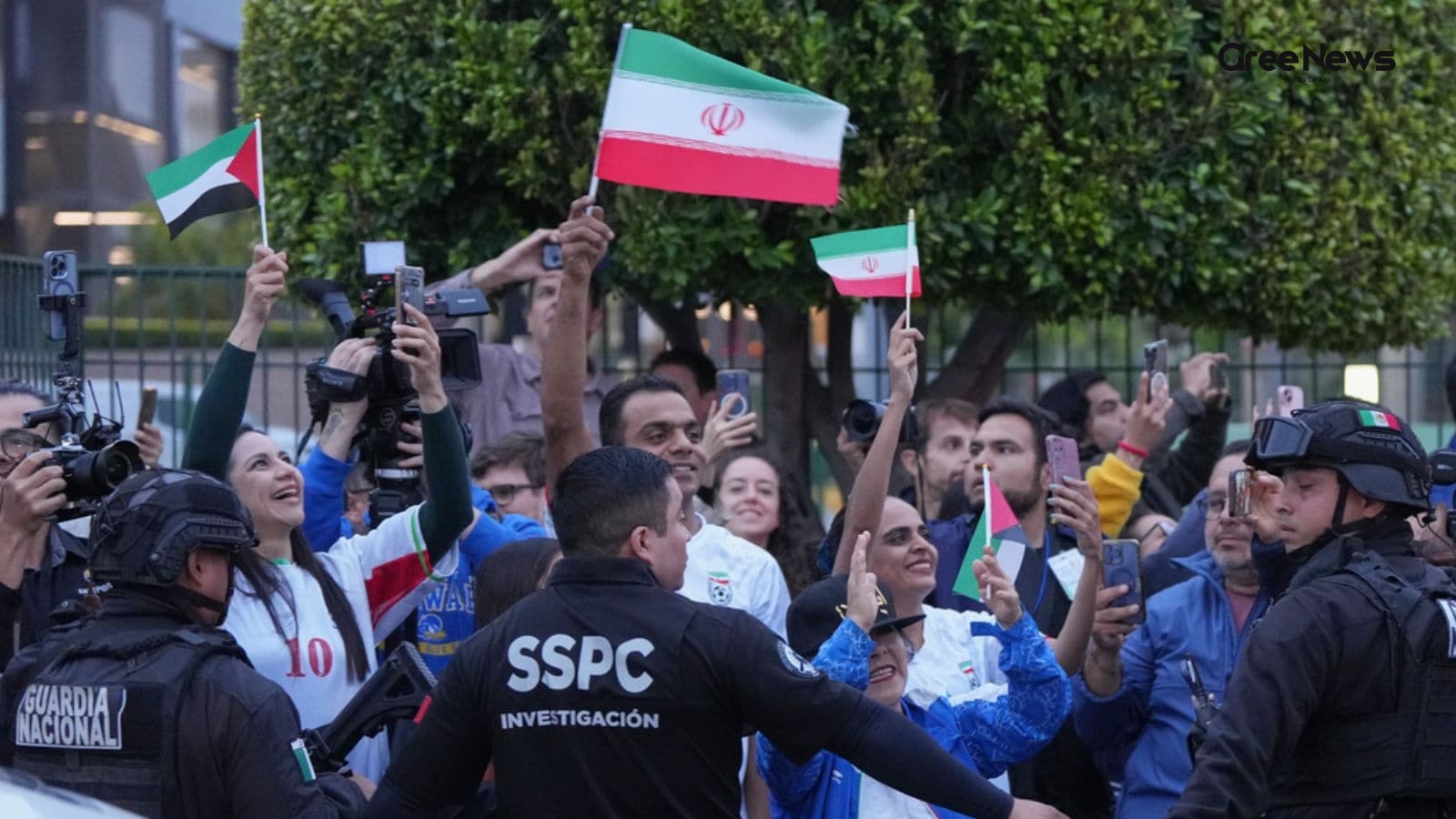
Iran Football Team Travel and World Cup Arrangements
Iran’s football team is heading to Los Angeles, apparently. They announced Tuesday that they'll be flying there the day before their first group-stage game against New Zealand. It feels like a lot happening all at once. But where exactly will they be staying? They won't actually be in L.A. for long.
Jun 10, 2026 by Gree News Team
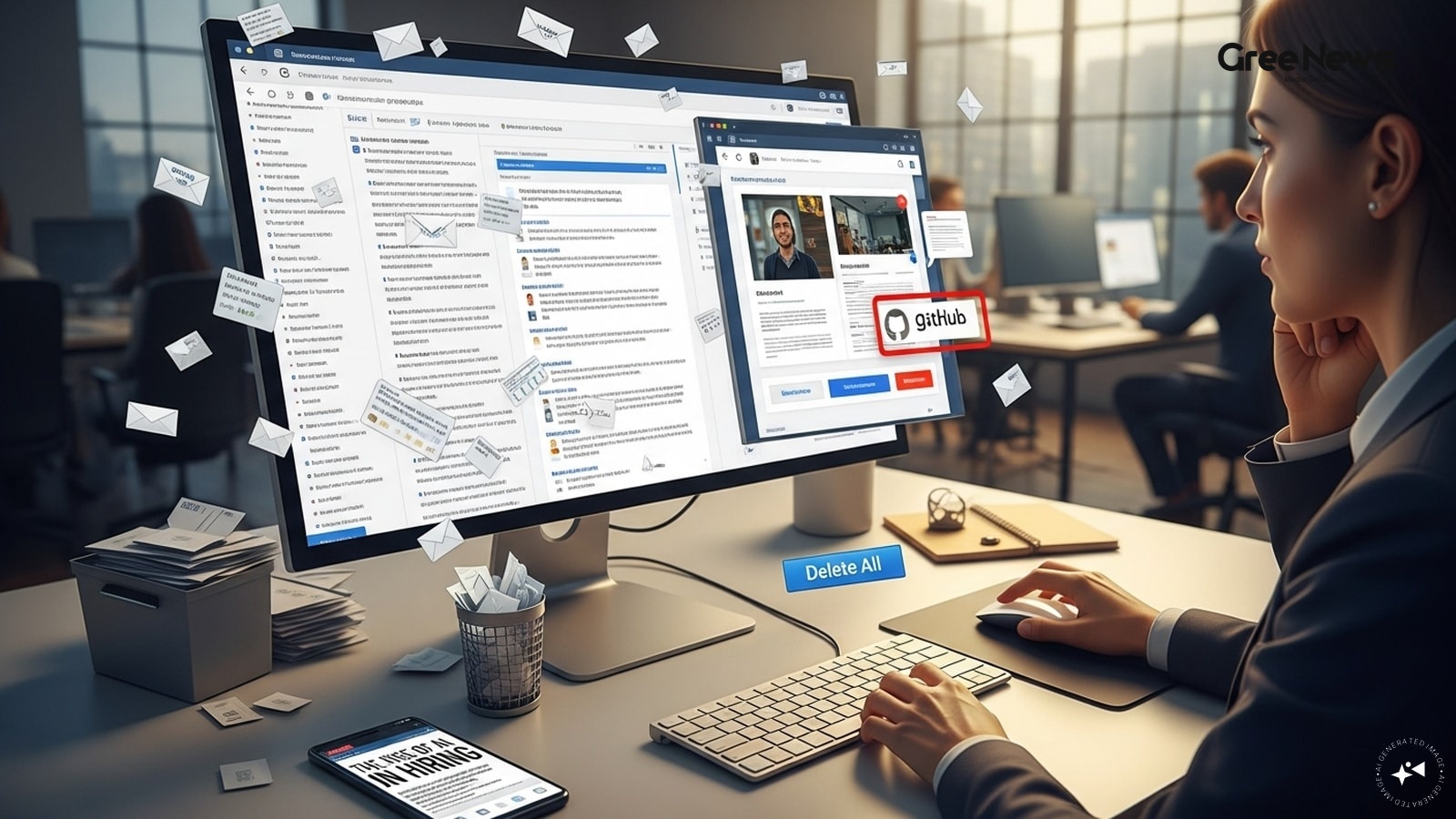
The Impact of Gen AI on Job Applications and Hiring Strategies
When you start looking for a job, everyone builds this whole structure: the résumé, that killer cover letter, tailoring it perfectly. The whole point was always that application could make you jump out from the crowd of hundreds of applicants. But honestly? Recruiters are starting to think that play
Jun 10, 2026 by Gree News Team
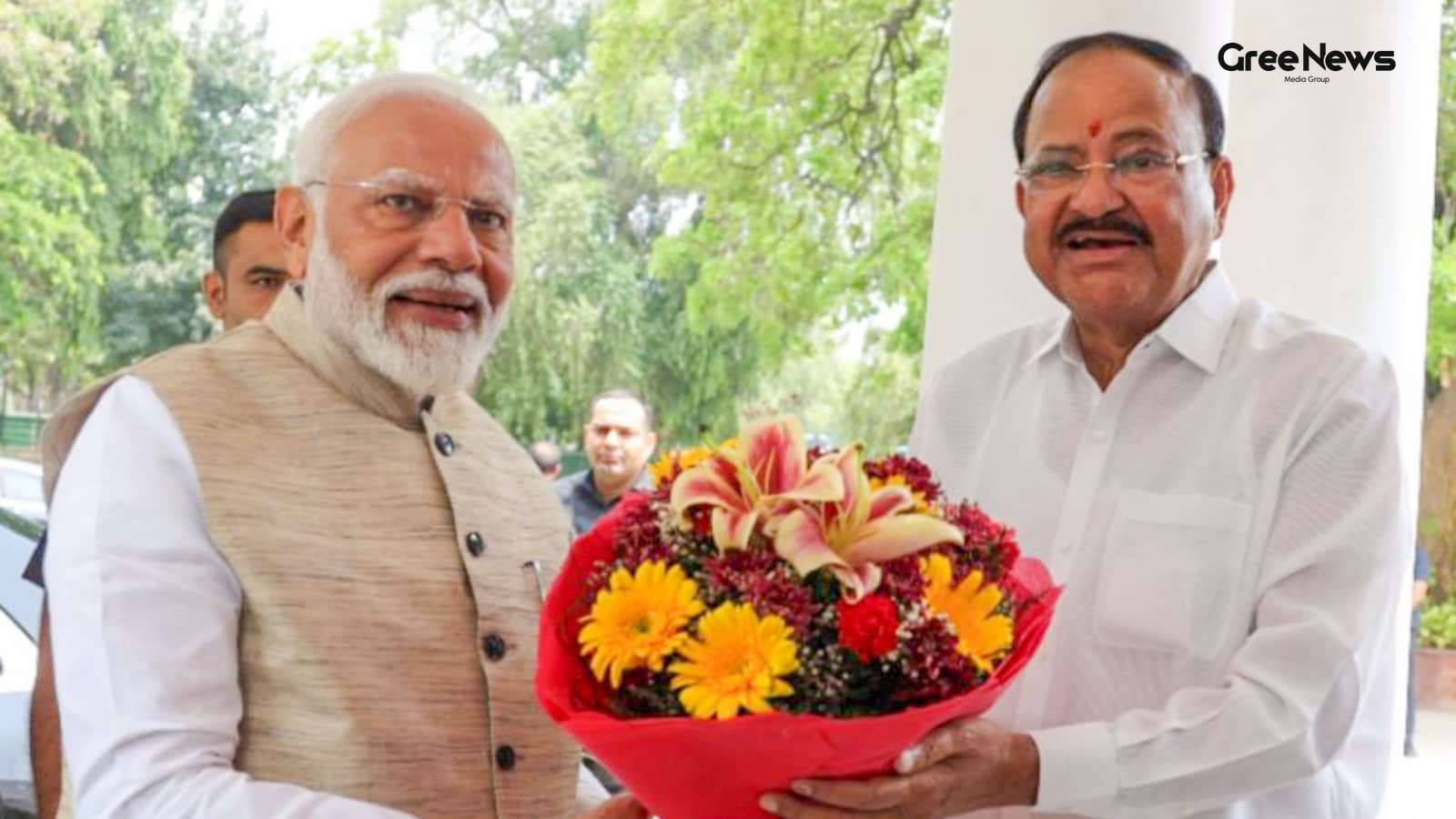
Narendra Modi's Milestone: India's Longest-Serving Prime Minister
Narendra Modi just hit a huge milestone. India’s longest-serving elected Prime Minister. Forty-three hundred ninety-nine days in office now. That beats Nehru's record, which was the first one. Former Vice President Venkaiah Naidu spoke about it. He praised the leadership and everything Modi has done
Jun 10, 2026 by Gree News Team